In the high-octane world of drag racing, Funny Cars and dragsters reign supreme, captivating audiences with their speed and power. While both vehicles are built for the quarter-mile sprint, they differ significantly in design, engineering, and racing dynamics. Enthusiasts and newcomers alike find themselves drawn to the unique characteristics that set these two classes apart on the drag strip.
History and Evolution of Drag Racing Vehicles
Origins and Development
The roots of drag racing can be traced back to the post-World War II era, when returning soldiers sought thrills on the burgeoning car culture scene. Initially, drag racing consisted of modified street cars, but as the sport grew in popularity, distinct categories emerged. Funny Cars and dragsters became prominent in the 1960s, with dragsters focusing on achieving maximum speed and Funny Cars emphasizing showmanship and entertainment. The term “Funny Car” originated from the unusual and exaggerated appearance of these vehicles compared to traditional race cars.
Technological Advancements
Major technological innovations have played a crucial role in the evolution of both Funny Cars and dragsters. Dragsters, or Top Fuel dragsters, have benefitted from advancements in aerodynamics and materials, allowing them to reach speeds in excess of 330 mph. On the other hand, Funny Cars have undergone significant changes in their bodywork and powertrains, employing advanced composites and supercharged engines to enhance performance while maintaining their distinctive appearance. These advancements have not only increased speed but also improved safety for drivers.
Cultural Impact
The cultural impact of Funny Cars and dragsters cannot be overstated. By the 1970s, they had become icons of American motorsport, fueling the imagination of fans and inspiring media coverage. The popularity of drag racing events, including those held by the National Hot Rod Association (NHRA), has helped push these vehicles into the mainstream. Funny Cars, with their theatrical flair, and dragsters, with their pure speed, have both played pivotal roles in captivating audiences worldwide.
Design and Engineering Differences
Body Design
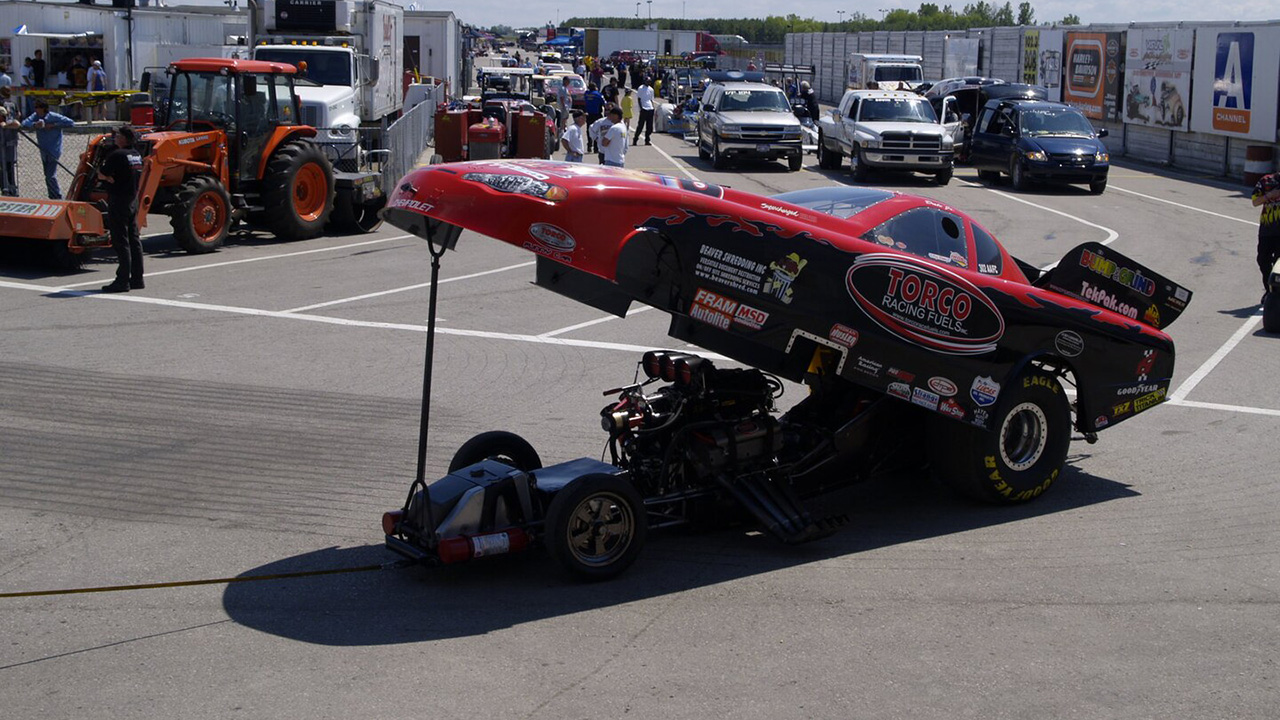
The body design of Funny Cars and dragsters highlights their fundamental differences. Funny Cars resemble production cars but are built with lightweight fiberglass or carbon fiber shells. Their name derives from their exaggerated, “funny” appearance when compared to traditional cars. In contrast, dragsters are long and slender, designed with a focus on reducing drag and maximizing aerodynamic efficiency. Their minimalist design, often featuring exposed wheels and elongated frames, allows them to cut through the air with minimal resistance.
Chassis and Frame Construction
Chassis design is another area where Funny Cars and dragsters diverge. Funny Cars utilize a tubular frame that supports the body shell and accommodates the engine in front of the driver. This configuration provides stability and control during high-speed runs. Dragsters, however, feature a rear-engine design with an elongated wheelbase, optimizing weight distribution and traction. The lightweight, tubular frames of both vehicle types are engineered to withstand the immense forces generated during acceleration.
Engine and Powertrain
The engine configurations of Funny Cars and dragsters are tailored to their unique performance needs. Funny Cars typically house a supercharged V8 engine, capable of producing over 11,000 horsepower. This immense power allows them to achieve speeds nearing 330 mph. Dragsters, while also using supercharged V8 engines, often employ nitromethane fuel, which significantly boosts power output. The choice of powertrain affects not only speed but also the vehicle’s handling and acceleration characteristics.
Performance and Racing Dynamics
Acceleration and Speed
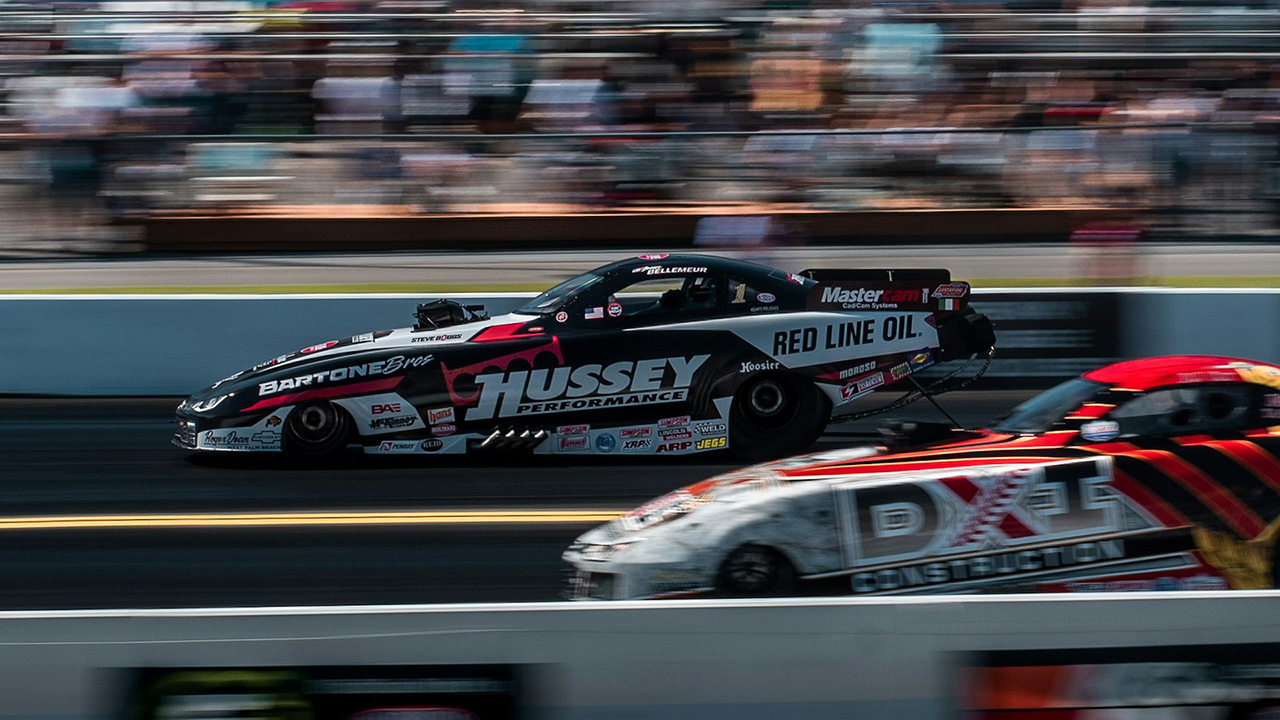
Acceleration and top speed are key performance metrics where Funny Cars and dragsters differ. Dragsters are known for their blistering acceleration, reaching 60 mph in under one second, and achieving quarter-mile times in the 3.6-second range. Funny Cars, while slightly slower, still boast impressive speeds, completing the quarter-mile in approximately four seconds. The differences in acceleration profiles are largely due to the vehicles’ distinct designs and powertrain setups.
Handling and Control
Handling characteristics also vary between Funny Cars and dragsters. Funny Cars, with their shorter wheelbase and front-engine design, require precise control from drivers to maintain stability. Their unique shape affects aerodynamics, creating a need for skillful handling. Dragsters, with their elongated frames and rear-engine configuration, offer a different driving experience. The extended wheelbase provides stability, but managing such high speeds demands focus and precision.
Race Strategy and Execution
Race strategy is another area where Funny Car and dragster drivers must adapt their approaches. In Funny Car competitions, drivers often focus on reaction time and maintaining control throughout the run, given the vehicle’s unique dynamics. Dragster drivers, meanwhile, prioritize achieving maximum acceleration and maintaining the straightest possible line to optimize speed. These strategies highlight the distinct challenges each vehicle type presents on the drag strip.
Regulations and Competitions

NHRA Rules and Standards
The NHRA sets specific rules and standards for both Funny Cars and dragsters. These regulations cover everything from engine specifications to safety equipment, ensuring a level playing field and prioritizing driver safety. For instance, both vehicle types must adhere to strict guidelines on fuel composition and engine displacement, reflecting the organization’s commitment to fairness and safety. Compliance with these standards is crucial for participation in sanctioned events.
Competition Types and Formats
Funny Cars and dragsters compete in various race formats, each offering unique challenges. Events like the NHRA Mello Yello Drag Racing Series feature both classes, attracting top drivers from around the world. Funny Cars often participate in side-by-side races, emphasizing reaction times and driving skill, while dragsters focus on achieving the fastest possible speeds. These diverse formats provide thrilling entertainment for fans and test the capabilities of both vehicle types.
Safety Protocols
Safety is a paramount concern in drag racing, and both Funny Cars and dragsters are subject to rigorous safety protocols. Advanced roll cages, fire suppression systems, and driver restraints are standard features designed to protect drivers in the event of an accident. Additionally, the NHRA mandates regular inspections and maintenance to ensure that all vehicles meet safety standards. These measures are vital in maintaining the sport’s high safety record.
Cultural and Fanbase Considerations

Fan Engagement
Fan engagement is a crucial aspect of the drag racing experience. Funny Car events are known for their theatrical flair, with cars often sporting vibrant liveries and engaging in pre-race burnouts. This spectacle enhances the fan experience, drawing crowds eager to witness the drama unfold. Dragster events, meanwhile, appeal to fans seeking pure speed and power, with the thunderous roar of the engines serving as a major attraction.
Sponsorship and Branding
Sponsorship and branding play significant roles in the popularity of Funny Cars and dragsters. Major companies often sponsor teams, leveraging the visibility and excitement of drag racing to promote their brands. This support is crucial for funding the high costs associated with building and maintaining competitive vehicles. The branding of both Funny Cars and dragsters has become an integral part of the sport’s identity, with sponsorships often dictating the appearance and marketing strategies of teams.
Legacy and Future Trends
The legacy of Funny Cars and dragsters is marked by innovation and excitement. As the sport evolves, new technologies and trends continue to shape its future. Electric drag racing is emerging as a potential avenue for growth, offering an environmentally friendly alternative to traditional fuel-powered vehicles. The ongoing development of safety features and performance enhancements ensures that both Funny Cars and dragsters remain at the forefront of motorsport excitement.
Like Fast Lane Only’s content? Be sure to follow us.
Here’s more from us:
*Created with AI assistance and editor review.