The Chevrolet Corvette has always been connected to performance, but its greatest improvements often came from lessons learned away from public roads. Through factory-backed racing programs, engineers discovered new ways to improve handling, durability, and overall performance. One racing effort helped transform the Corvette from an American sports car into a machine capable of competing on a global stage.
Racing Became a Laboratory for Innovation
From the Corvette’s earliest years, Chevrolet recognized that motorsports could help prove the car’s capabilities. Racing provided engineers with an environment where they could test new ideas under extreme conditions that production vehicles rarely experienced.
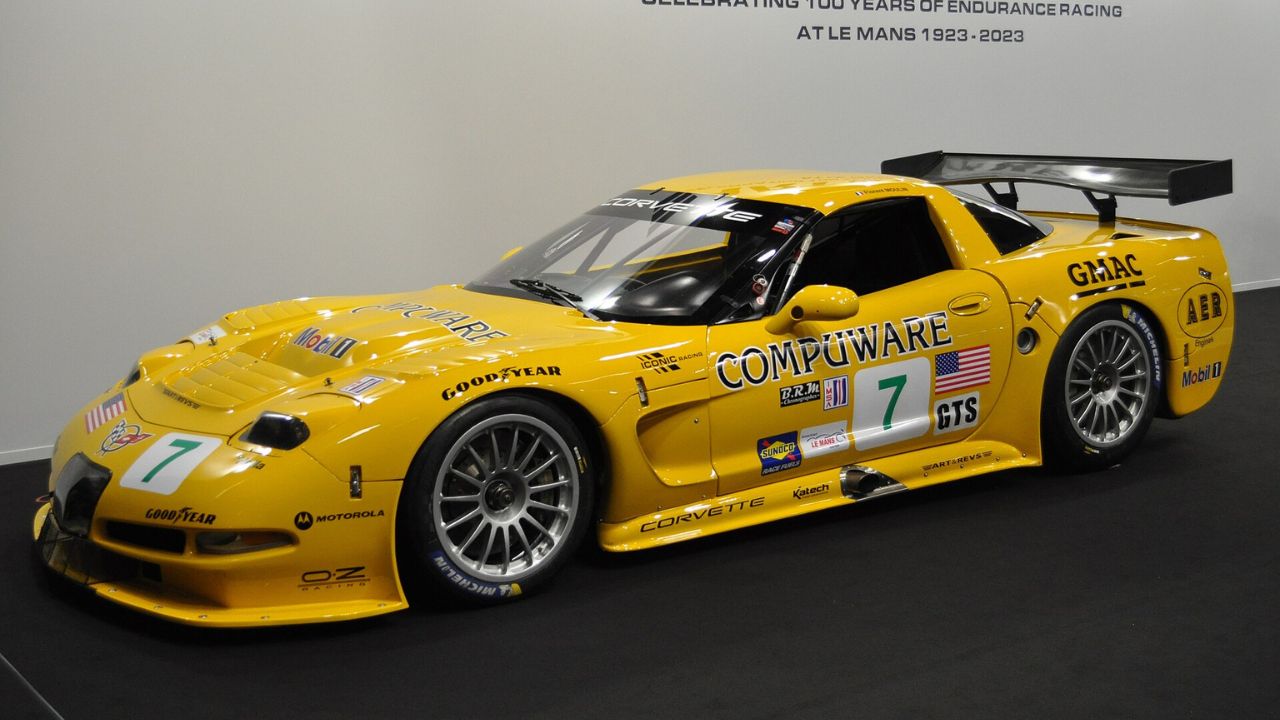
One of the most influential programs was Corvette Racing, which began competing at the highest levels of endurance racing in the late 1990s. Events such as the 24 Hours of Le Mans exposed the Corvette to intense heat, long periods of high-speed driving, and demanding competition against manufacturers from around the world.
The information collected from these races became valuable engineering data. Every lap revealed opportunities to improve engine performance, cooling systems, suspension tuning, and reliability.
Rather than separating racing from production cars, Chevrolet used competition as a development tool.
Lessons From the Track Improved Street Cars
Corvette Racing success was not limited to trophies and championships. The technology developed through competition influenced future production models by improving the way Corvettes handled and performed.
Engineers gained experience with advanced aerodynamics, lightweight materials, brake systems, and chassis tuning. These improvements helped create production Corvettes that were more capable, balanced, and reliable for everyday drivers.
Track testing also revealed weaknesses that could be corrected before appearing in customer vehicles. Components that survived endurance racing provided greater confidence in long-term durability.
The connection between racing and production became one of Corvette’s greatest advantages. Buyers benefited from technology that had already been tested under some of the harshest conditions in motorsports.
The C5-R Changed Corvette’s Reputation
The introduction of the Corvette C5-R race car marked a major turning point. Built for endurance competition, the C5-R demonstrated that an American sports car could compete successfully against established European manufacturers.
The race car used lessons from the production Corvette platform while introducing advanced engineering solutions developed specifically for competition. Its victories at major endurance events helped change perceptions about the Corvette’s capabilities.
Success on the track created valuable publicity, but the technical knowledge gained was even more important. Engineers used racing experience to refine future Corvette generations, improving areas such as structural rigidity, cooling efficiency, and performance balance.
The C5-R proved that motorsports could directly influence the development of better road cars.
A Racing Legacy That Continues Today
The Corvette’s racing programs helped shape the identity of every modern generation. From improved aerodynamics to advanced performance systems, many features found in today’s Corvettes reflect decades of competition experience.
Racing also changed how people viewed the Corvette. It was no longer seen only as an affordable American sports car but as a serious performance machine capable of challenging the world’s best.
The lessons learned on racetracks around the world continue influencing Corvette engineering. Each new generation benefits from the knowledge gained through years of competition.
The Corvette’s success story proves that racing is more than entertainment—it is a testing ground for innovation. One race program helped improve every production model by turning competition experience into real-world performance.
More from Fast Lane Only
- Unboxing the WWII Jeep in a Crate
- 15 rare Chevys collectors are quietly buying
- 10 underrated V8s still worth hunting down
- Police notice this before you even roll window down
*Research for this article included AI assistance, with all final content reviewed by human editors