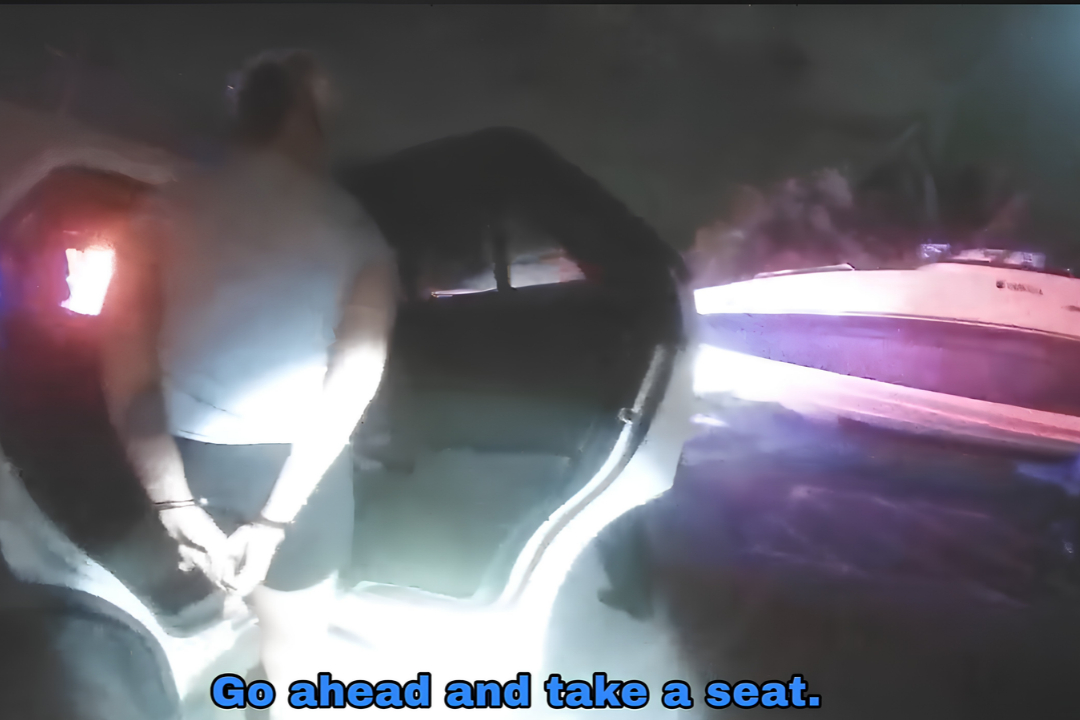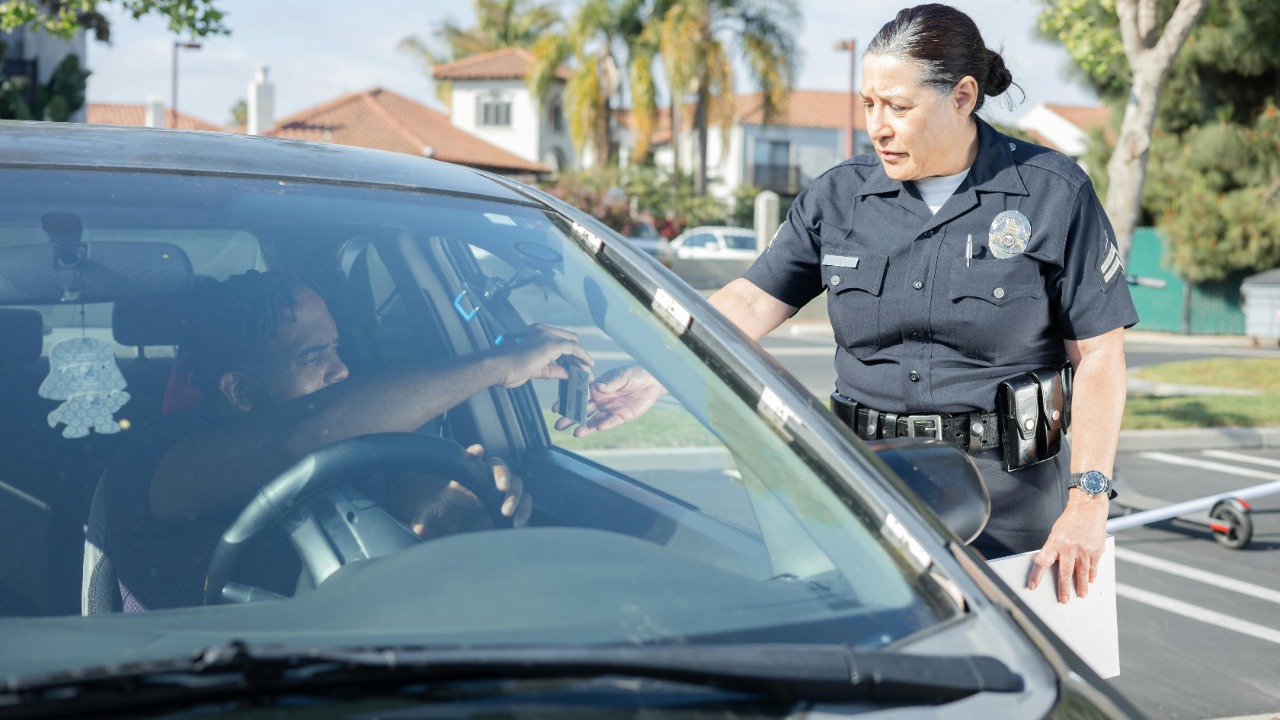
By the time you see red and blue lights in your mirror, the officer behind you is already studying your car. Long before you roll down your window, your license plate, lane position, and even the way your vehicle rocks to a stop are feeding into a mental risk assessment. You feel like the focus of the stop, yet in those first moments the vehicle itself tells the story.
How an officer “reads” your car from behind the wheel
Once you are in view, the patrol car camera and the officer’s eyes lock on your license plate. In many departments, that plate is also scanned by Automatic License Plate that use cameras and software to check for stolen vehicles or wanted people. Those systems turn a simple metal plate into a quick background check on the car and its recent history.
At the same time, the officer watches how you react. Do your brake lights flash hard as soon as the lights come on, or do you keep rolling and drift across lanes looking for a place to stop. Training material on essential safety tactics tells officers to consider following a bit longer if the first stopping spot looks risky, which is why you sometimes travel an extra block before pulling over.
Even your car’s condition becomes part of that first read. Fresh crash damage, a missing plate, or a trunk that does not quite latch can all suggest either innocent neglect or something more serious. You may just be driving an old Honda Civic with a broken latch, but the officer has to treat every odd detail as a potential clue until it is ruled out.
Why the exact stopping spot matters so much
When you finally slow, the officer is not only thinking about your convenience. Guidance on traffic stop safety stresses that the location of the stop affects both crash risk and the chance of an ambush. A narrow shoulder or a blind curve can be more dangerous to everyone than driving another few seconds to a wider turnout.
Once you stop, the patrol car’s position is deliberate. Policies such as Policy 403.1 explain that the squad car can be angled somewhat to the left to create a safety buffer from passing cars and to help Conceal the officer as they approach. To you it may look like a crooked park job. To the officer it is a shield of metal and headlights between their body and oncoming traffic.
If you pull over at night, the bright takedown lights are not just for intimidation. They backlight your cabin so the officer can see silhouettes and hand movements while keeping you from clearly tracking their exact approach path. That light pattern is another way your car, rather than your face, becomes the first focus.
The quiet legal checklist running in the background
Behind the scenes, every decision about your car is supposed to track legal standards. Training from federal law enforcement schools explains that the reasonable suspicion standard is less demanding than probable cause, yet the Fourth Amendment DOES still require specific facts. In that transcript, Tim explains that officers look for details that turn mere suspicion into reasonable suspicion.
Department manuals echo that approach. One felony vehicle stop policy describes a section titled 120.1 PRE-STOP ASSESSMENT, which includes “120.1.1 Visual Contact and Risk Assessment” and notes that “Often, only limited or highlights of information” are available before the stop. That language captures what you experience on the road. The officer sees only fragments about your car and has to decide, in seconds, how risky you might be.
Your vehicle’s behavior can change that calculus. A sudden lane change, a window that drops halfway then shoots back up, or a door that cracks open before the officer exits their cruiser can all push that assessment toward higher risk. You might be trying to be helpful by opening your door, yet to a trained eye it can look like a possible attempt to flee or confront.
What that tap on your trunk is really about
Once the officer steps out, you might notice a quick tap on your trunk or taillight. That small touch has become a minor internet mystery, but training explanations are fairly direct. One Quora answer notes that Most departments have a particular spot on the back of the car that officers touch so a latent fingerprint stays on the vehicle as physical evidence.
Practical guides spell this out further. One explanation of why cops touch cars points out that the first reason is “To leave the officer’s latent fingerprint on the vehicle as physical evidence” in case something happens and the car flees, and that this habit also relates to safety protocol, as described in one detailed breakdown. Another guide on Why officers touch explains that this fingerprint remains in case technology fails.
There is a second layer too. By placing a hand on the trunk, the officer can feel if it is loosely latched or moving in a way that suggests someone might be hiding inside. Explanations from former deputies such as Marc Ura, who Worked at the Wake County Sheriff Office, describe this as a quick mechanical check that also confirms the car has been tagged.
Technology in the background, from cameras to databases
Even before you hear the siren, your car might have been scanned by a network of cameras. Official descriptions of Automated license plate explain that ALPR systems use cameras and software to capture plate images and turn them into searchable data. A video from Charlie Starks of walks through how these systems can check plates against lists of stolen vehicles and other alerts in real time.
In some cities, departments have posted public videos that describe how “The cameras can read the license plate number and alert officers in case of a stolen vehicle, a wanted person, a sex offender, or other flagged records,” as explained in one Columbus overview. To you, the patrol car looks like any other SUV. To the officer, it is a rolling sensor platform that has already told them if your plate matches something concerning.
Those tools do not replace the human scan. They simply add another layer to how your car is “read” before anyone speaks. If the database shows nothing unusual, the officer can treat the stop more like a routine interaction. If an alert pops, every movement around your vehicle will be interpreted through that higher risk lens.
What officers watch for as they walk up
As the officer approaches, training on safe and successful encourages them to keep Developing reasonable suspicion or probable cause while Watching for signs that the suspect is concealing something. That means your hands, your passengers, and any sudden shifts in the car’s interior lighting all matter.
Some departments tell drivers directly what to do. One sheriff’s office guide on traffic stops explains that Cars coming from behind will be less likely to overlook the parked cars if you pull as far right as practical, and that you should stay inside with your hands visible until the deputy gives instructions. That advice is not just for courtesy. It makes your movements easier to read and your intentions clearer.
Policies such as the Carrboro procedures spell out what happens if you step out. When an occupant has exited the suspect vehicle, the primary officer shall visually inspect the occupant while directing him to walk backward toward the police vehicles with hands raised. If you follow those directions, the officer can keep their focus on your body language rather than worrying about hidden hands inside the car.
More from Fast Lane Only