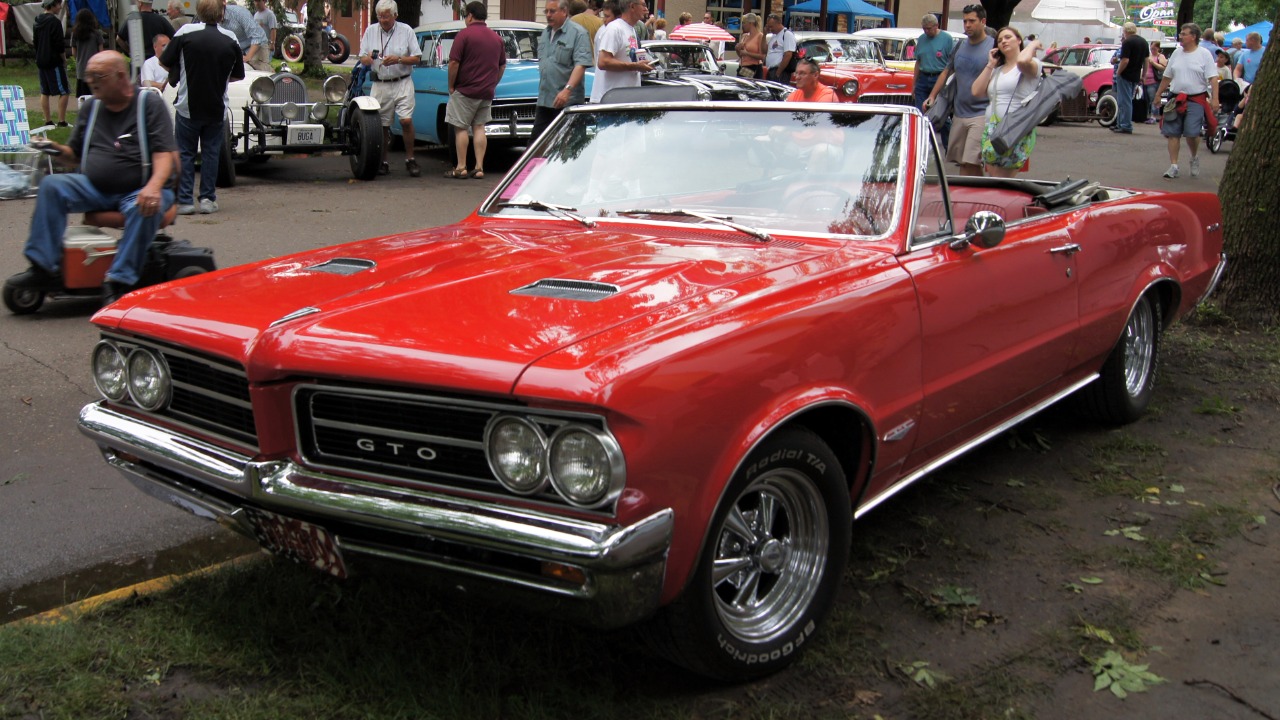
The 1964 Pontiac GTO marked a pivotal moment in automotive history, heralding the dawn of the muscle car era. Behind its creation lies a fascinating story of innovation, marketing strategy, and a bold push against corporate norms that defined Pontiac’s identity.
The Birth of a Legend
The early 1960s were a transformative period for the American auto industry. Companies like Ford and Chevrolet were racing to capture the hearts of a youthful demographic eager for speed and excitement. This era saw a burgeoning demand for high-performance vehicles, as American drivers sought cars that were not just functional but thrilling. Pontiac, a division of General Motors, found itself in a unique position; while it had a reputation for offering solid, dependable vehicles, it lacked the performance edge that would set it apart in the increasingly competitive market.
Recognizing the need for differentiation, Pontiac’s leadership began to explore new directions. The division was keenly aware that to thrive, it needed to appeal to younger buyers who were becoming increasingly disenchanted with the conservative designs and lackluster performance of traditional sedans. The challenge was not just to create a fast car, but to establish a brand identity that resonated with the emerging youth culture of the time.
The Role of Key Players
At the forefront of Pontiac’s transformation was John DeLorean, a visionary who would later become synonymous with innovation in the automotive industry. DeLorean understood that Pontiac needed to reinvent itself and sought to craft vehicles that were not only powerful but also stylish and appealing to a younger audience. His leadership and charisma inspired the team to push boundaries in design and engineering.
Engineers like Russ Gee played a vital role in bringing DeLorean’s vision to life. They were tasked with taking the concept of a high-performance vehicle and making it a reality. The GTO’s design was a product of collaboration between engineers and marketers, who worked closely to define what the GTO would represent. They wanted it to embody speed, agility, and the rebellious spirit of the youth, which was a stark departure from the conventional automobile designs of the time.
The Concept of the GTO
The GTO concept was heavily inspired by European sports cars, which were gaining popularity among American enthusiasts. The idea was to create a vehicle that offered the raw power of American muscle while incorporating the sleek lines and performance characteristics of its European counterparts. The term “muscle car” was emerging, and Pontiac sought to be at the forefront of this movement.
One of the pivotal decisions in the GTO’s development was the choice to utilize the Tempest platform. This decision allowed Pontiac to keep production costs manageable while still delivering a high-performance vehicle. The GTO featured a 389 cubic inch V8 engine that was capable of producing 325 horsepower, an impressive figure for the time. Performance enhancements, such as a dual exhaust system and a four-barrel carburetor, further distinguished the GTO from its peers, making it a highly attractive option for speed enthusiasts.
Overcoming Internal Resistance
Despite the buzz surrounding the GTO, there were significant challenges to overcome, particularly from within General Motors. The corporation had strict policies against producing high-performance models, which created skepticism about the GTO project. Many executives were concerned that a performance-oriented vehicle would tarnish the brand’s reputation for reliability and safety.
Pontiac’s leaders employed various strategies to gain approval for the GTO. They presented data showcasing the growing demand for performance vehicles and highlighted the success of competitors who had embraced this trend. By leveraging their knowledge of market dynamics, they were able to persuade corporate decision-makers that the GTO was not just a risky venture, but a strategic move that could rejuvenate the Pontiac brand. This internal advocacy was crucial in navigating the skepticism that surrounded the project.
Marketing the GTO
Once the GTO was approved for production, the next challenge was to launch it effectively to the public. Pontiac’s marketing team employed innovative promotional tactics that targeted the youthful demographic they aimed to attract. They understood that the GTO needed to be more than just a car; it had to symbolize freedom, rebellion, and the thrill of the open road.
The advertising campaigns were carefully crafted to resonate with youth culture, often featuring images of the GTO in action on open highways and racetracks. These ads capitalized on the growing fascination with speed and performance, effectively associating the GTO with a lifestyle that many young Americans aspired to. Auto shows became a crucial platform for showcasing the GTO, generating excitement and media coverage that further boosted its profile. The combination of strategic marketing and genuine performance helped propel the GTO to iconic status almost immediately.
The Legacy of the GTO
The impact of the GTO on the muscle car segment was profound. It not only set the standard for subsequent models but also inspired a wave of competitors eager to capture a share of the burgeoning market. Cars like the Ford Mustang, Chevrolet Camaro, and Dodge Charger owe much of their DNA to the original GTO. Its success paved the way for a new era of performance vehicles that defined American automotive culture throughout the late 1960s and early 1970s.
Beyond its influence on the muscle car realm, the GTO significantly shaped Pontiac’s brand identity and reputation. The vehicle became a symbol of American ingenuity and performance, cementing Pontiac’s place in automotive history. The cultural significance of the GTO extends beyond its performance metrics; it represents a time when cars were not just modes of transportation, but expressions of personal freedom and identity. Today, the GTO continues to be celebrated among car enthusiasts and collectors, a lasting testament to the vision of those who dared to push back against corporate norms to create something truly remarkable.
For those interested in delving deeper into the history of the Pontiac GTO and the muscle car era, resources like “The Pontiac GTO: The Legend Lives On” provide valuable insights. Additionally, documentaries and retrospectives, such as this YouTube video, capture the essence of this incredible vehicle and its impact on American culture.
For anyone fascinated by automotive history, the story of the Pontiac GTO serves as an inspiring case study in innovation, collaboration, and the power of a well-executed vision.
More from Fast Lane Only
- Unboxing the WWII Jeep in a Crate
- 15 rare Chevys collectors are quietly buying
- 10 underrated V8s still worth hunting down
- Police notice this before you even roll window down
*Research for this article included AI assistance, with all final content reviewed by human editors.