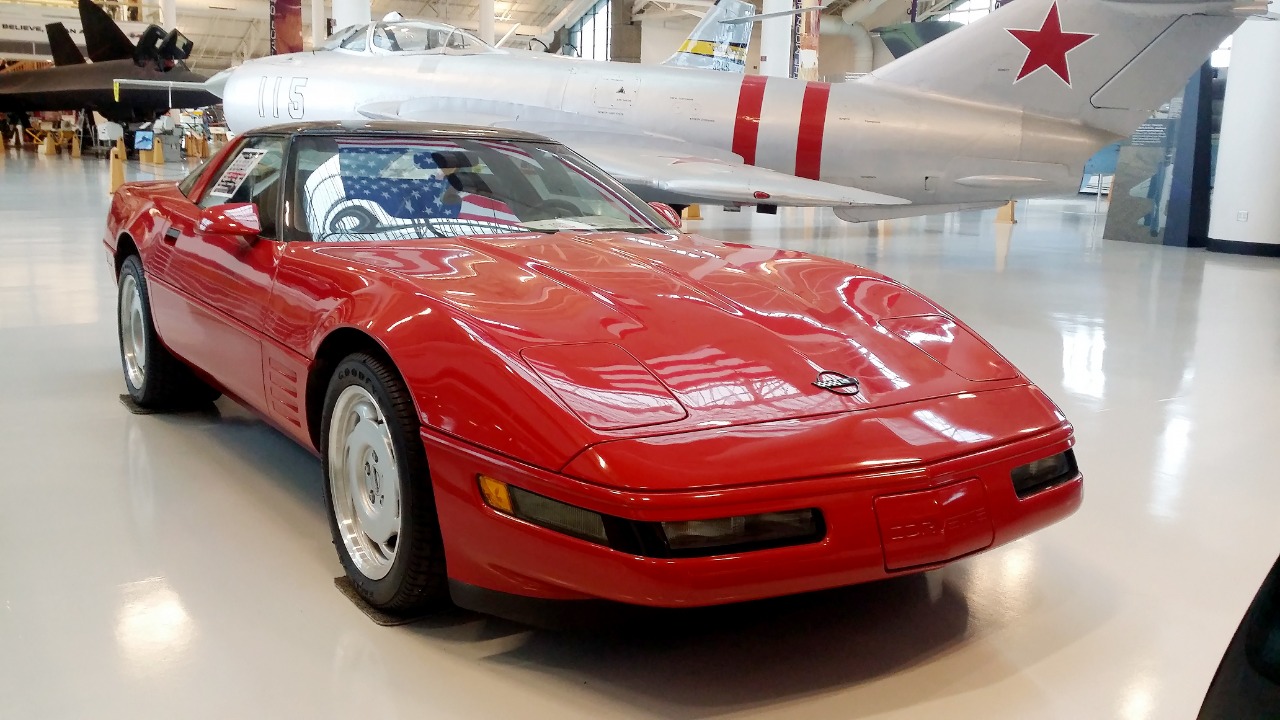
The 1990 Chevrolet Corvette ZR-1 marked a significant turning point in the history of the iconic sports car, introducing advanced technologies and performance capabilities that challenged traditional norms within General Motors. This bold move sparked controversy among purists and enthusiasts who felt the essence of the Corvette was being compromised.
Background of the Chevrolet Corvette
Since its inception in 1953, the Chevrolet Corvette has evolved through multiple generations, each refining the balance of performance, design, and technology. The Corvette quickly established itself as the quintessential American sports car, known for its sleek lines and powerful engines. With each iteration, the Corvette garnered a dedicated fanbase, becoming a symbol of American ingenuity and freedom on the open road. By the time the C4 generation debuted in the mid-1980s, the Corvette was not just a car; it was a cultural icon.
Throughout its life cycle, the Corvette adhered to a philosophy that prioritized raw power and traditional styling. Early models like the 1963 Split-Window Sting Ray and the 1970 LS6 represented the pinnacle of American muscle, with a focus on performance that resonated with enthusiasts. The C4, while modernizing the Corvette’s design and performance capabilities, still embraced the classic elements that defined its predecessors. However, as the automotive landscape began to shift in the late 1980s, so too would the expectations for what a Corvette could be.
Introduction of the ZR-1 Model
The ZR-1 made its grand debut at the 1990 North American International Auto Show, capturing the attention of automotive enthusiasts and critics alike. This was not just another Corvette; it was a bold statement of intent from General Motors. The ZR-1 was set apart by its high-performance LT5 engine, a collaboration between GM and Lotus, which represented a significant departure from the traditional small-block V8s that were hallmarks of previous models.
The LT5 engine was a marvel of engineering, boasting a 5.7-liter V8 with a DOHC design and an impressive 375 horsepower, a figure that would leave many competitors in the dust. This high-output engine was complemented by features such as a six-speed manual transmission and an advanced fuel injection system, ensuring that the ZR-1 delivered exceptional performance on both the road and track. The influence of European engineering was evident in the ZR-1’s design and performance, raising eyebrows among traditionalists who believed that the Corvette should remain distinctly American.
Controversy Among Traditionalists
As the ZR-1 gained traction, it faced a wave of criticism from purists within the Corvette community and even from some GM insiders. Many traditionalists were concerned that the introduction of high-tech features and a foreign engine supplier diluted the essence of what made a Corvette a Corvette. The sleek, modern design of the ZR-1 diverged from the bold lines and muscular stance that had characterized past models, leading some to argue that the car was more of a “supercar” than a true embodiment of American automotive heritage.
This perception was exacerbated by the ZR-1’s price tag, which started at around $60,000—a significant premium over standard Corvette models. Enthusiasts worried that the ZR-1’s performance capabilities and technological advancements might alienate the very fanbase that had supported the Corvette for decades. Discussions on forums like Reddit reflected this divide, with many arguing whether the ZR-1 represented a necessary evolution or a troubling departure from tradition.
Technological Innovations
The ZR-1 was not just about a powerful engine; it was a showcase of cutting-edge technology. The LT5 engine’s design allowed for increased performance and efficiency, setting a new benchmark for American sports cars. Alongside the engine, the ZR-1 featured an active suspension system that adapted to road conditions, providing improved handling and ride quality. This innovation represented a significant shift from previous Corvette engineering practices, which often prioritized raw power over sophistication.
While some embraced the ZR-1’s advanced features, others criticized them for straying too far from the Corvette’s roots. The active suspension system, for instance, was a point of contention—many enthusiasts felt that it compromised the raw, visceral driving experience that had become synonymous with the Corvette brand. Despite the mixed reception, the ZR-1 was undeniably a technological triumph, pushing the boundaries of what an American sports car could achieve and garnering attention from the automotive community, as highlighted in this YouTube video analyzing its performance.
Impact on Corvette’s Brand Identity
The introduction of the ZR-1 had profound implications for the Corvette’s brand identity. While it attracted a new generation of performance enthusiasts who appreciated its advanced technology and exceptional performance, it also created a rift between these new fans and traditional Corvette aficionados. For many longtime enthusiasts, the ZR-1 represented a departure from the classic values that had defined the Corvette for nearly four decades.
This dichotomy became evident in discussions on platforms like the Corvette Forum, where users debated the merits of the ZR-1’s technology against the backdrop of the Corvette’s heritage. Some argued that the ZR-1’s performance enhancements would pave the way for future models, while others lamented the potential loss of the Corvette’s soul. The long-term effects of the ZR-1’s introduction would shape the design and performance philosophy of subsequent Corvette generations, as GM sought to balance tradition with innovation.
Legacy of the ZR-1
The legacy of the 1990 Chevrolet Corvette ZR-1 is one of both admiration and debate. It undoubtedly paved the way for future high-performance Corvettes, including the C5 Z06 and the C7 ZR1, which continued to push the boundaries of power and technology. The ZR-1’s influence can be seen in how modern Corvettes have embraced advanced engineering while still paying homage to their roots, allowing for a blend of performance and heritage.
In the broader automotive landscape, the ZR-1 helped redefine the perception of American sports cars. It demonstrated that American manufacturers could compete with European rivals on the world stage, showcasing technology and performance that rivaled the best in the industry. The ZR-1 remains a sought-after collector’s item, with its unique place in Corvette history solidified. As enthusiasts continue to discuss its impact, it serves as a reminder of a pivotal moment in the Corvette’s evolution and the ongoing dialogue between tradition and innovation in the automotive world.
More from Fast Lane Only
- Unboxing the WWII Jeep in a Crate
- 15 rare Chevys collectors are quietly buying
- 10 underrated V8s still worth hunting down
- Police notice this before you even roll window down
*Research for this article included AI assistance, with all final content reviewed by human editors.