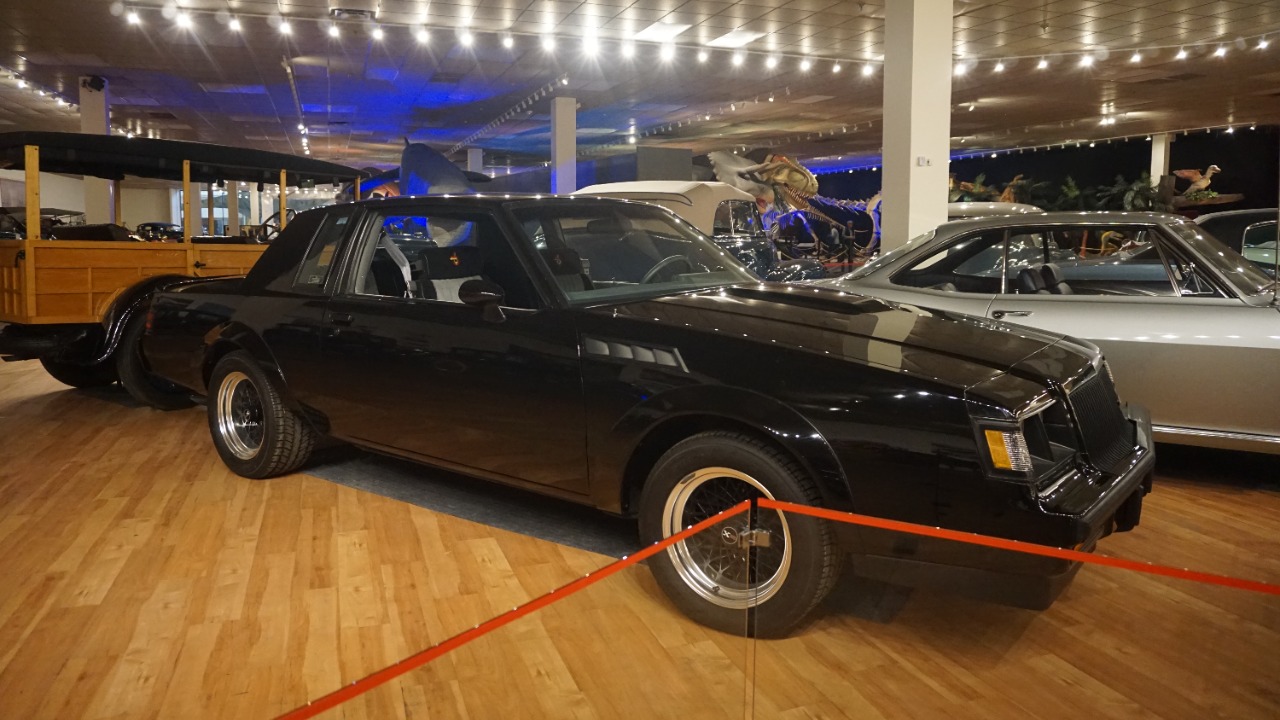
The 1987 Buick GNX is often hailed as one of the most iconic muscle cars of its era, but its creation was not without internal strife at General Motors (GM). The clash between traditional luxury and high performance led to a unique battle within the company, influencing the GNX’s development, marketing, and lasting legacy.
The Birth of the GNX: A Collision of Cultures
The 1987 Buick GNX was born from the desire of Buick’s performance division to create a high-performance vehicle that would challenge the status quo. During a time when muscle cars were losing popularity, the performance division sought to revitalize the brand by introducing a car that could compete with the likes of the Ford Mustang and Chevrolet Camaro. However, this ambition was met with resistance from GM’s upper management, who worried that such a shift would conflict with Buick’s established image as a luxury brand. The internal struggle highlighted the cultural divide within GM, where the push for innovation often clashed with a reluctance to stray from tradition.
The introduction of a turbocharged V6 engine was a revolutionary step for the GNX, setting it apart from its competitors. This engine was designed to deliver not just power, but efficiency, making it a standout in the muscle car segment. The GNX could go from 0 to 60 mph in just 4.6 seconds, a remarkable feat for its time. The technical innovations, including the use of a more advanced turbocharger and intercooler, showcased Buick’s potential to create a performance vehicle that didn’t sacrifice the comfort and luxury typically associated with the brand.
However, internal resistance persisted. Key figures within GM, particularly those who were entrenched in Buick’s luxury ethos, opposed the GNX project. They argued that introducing a performance-centric vehicle would alienate the brand’s traditional customer base, which sought comfort and refinement rather than raw power. This internal conflict not only delayed the project but also forced the performance team to navigate a complex landscape of corporate politics.
The Marketing Tug-of-War
The marketing strategy for the GNX was a battleground in its own right. There were heated debates over who the GNX should appeal to. On one side were the younger enthusiasts, eager for a return to true muscle cars, while on the other were the traditional Buick buyers who valued luxury and comfort. The marketing team faced the daunting task of positioning the GNX in a rapidly changing automotive landscape. Should it be branded as a performance vehicle or a luxury car with a sporty edge? This question became central to the GNX’s marketing campaign and ultimately influenced its reception.
Compounding the challenge was the competitive automotive market of the late 1980s. Rivals like Ford and Chevrolet were ramping up their performance models, and the GNX needed to carve out its niche quickly. The marketing strategies employed by GM reflected this tension; they often emphasized the GNX’s performance capabilities while attempting to reassure traditional customers that Buick’s luxury heritage remained intact. This balancing act was crucial, as the wrong approach could lead to a significant backlash and further alienate potential buyers.
Additionally, the impact of competition from brands like Toyota and Nissan, which were beginning to gain ground in the performance segment, forced GM to rethink how they marketed the GNX. The need to appeal to a broader audience while still maintaining the brand’s integrity created a complex web of marketing strategies that often contradicted one another.
Performance vs. Image: The Internal Debate
One of the most significant challenges for GM during the GNX’s development was balancing performance with the luxury image that Buick had cultivated over decades. The internal debate over whether to prioritize speed and power or to maintain the plush ride and upscale features that defined Buick created friction within the company. While the performance division pushed for a more aggressive approach, others argued that straying too far from the brand’s roots could alienate loyal customers.
Evaluating the risks associated with this shift became a focal point for decision-makers at GM. Concerns over backlash from Buick’s traditional customer base loomed large, as some executives feared that a focus on performance could tarnish the brand’s reputation. This hesitance often resulted in compromises that diluted the GNX’s performance potential, leading to a product that, while impressive, sometimes felt like it was trying to please everyone and, in doing so, lost some of its edge.
External feedback played a crucial role in shaping internal opinions about the GNX. Early reviews from automotive journalists praised its performance but also noted the tension between its luxury features and muscle car capabilities. Those reviews reflected a broader sentiment, influencing GM executives to reconsider their stance on the GNX as they recognized the potential market for a vehicle that could bridge the gap between performance and luxury. The automotive press became an unwitting participant in the internal debate, swaying opinions and contributing to the car’s evolving image.
The Legacy of the GNX: A Lasting Impact
Today, the 1987 Buick GNX is considered a collector’s item, a status that has driven up its value significantly over the years. The blend of performance, luxury, and limited production numbers has made the GNX a coveted classic among car enthusiasts. Auctions often see prices soaring well above their original retail cost, reflecting the car’s iconic status and the nostalgia associated with the muscle car era. Its limited production run of just 547 units adds to its allure, making each GNX a rare find in the collector’s market.
Beyond its immediate legacy as a muscle car, the GNX also influenced Buick’s approach to performance in the years that followed. Its success paved the way for future models that attempted to blend performance with luxury, including the Buick Regal GS and the Buick Verano Turbo. The GNX’s legacy can be seen in how Buick has continued to redefine itself, attempting to appeal to both performance enthusiasts and traditional luxury buyers.
Retrospective views on the GNX reveal a significant shift in perception since its initial release. While it faced skepticism from traditionalists at the time, today it is celebrated as a pioneer in the performance luxury segment. Enthusiasts and collectors alike recognize the GNX not just as a vehicle, but as a symbol of a time when American automotive design was daring to challenge conventions.
Lessons Learned: Insights from GM’s Internal Struggles
The saga of the GNX offers valuable lessons about the importance of innovation in the automotive industry. The willingness to embrace change and challenge the status quo can lead to groundbreaking products that resonate with consumers. The GNX represents a pivotal moment in Buick’s history and serves as a reminder that risk-taking can yield significant rewards, even when faced with internal opposition.
Moreover, the internal conflict surrounding the GNX illustrates how disagreements can result in stronger outcomes in product development. The tension between different factions within GM ultimately contributed to a more refined product that appealed to a niche market. This internal struggle proved that diverse perspectives can lead to innovation, even when those perspectives initially seem at odds.
As the automotive landscape continues to evolve, the challenges faced by GM during the GNX’s development reflect ongoing issues within the industry. Future implications for companies like GM involve finding balance in a market that demands both performance and sustainability. The lessons learned from the GNX’s development will undoubtedly inform how GM approaches new models and adapts to changing consumer expectations.
More from Fast Lane Only
- Unboxing the WWII Jeep in a Crate
- 15 rare Chevys collectors are quietly buying
- 10 underrated V8s still worth hunting down
- Police notice this before you even roll window down
*Research for this article included AI assistance, with all final content reviewed by human editors.