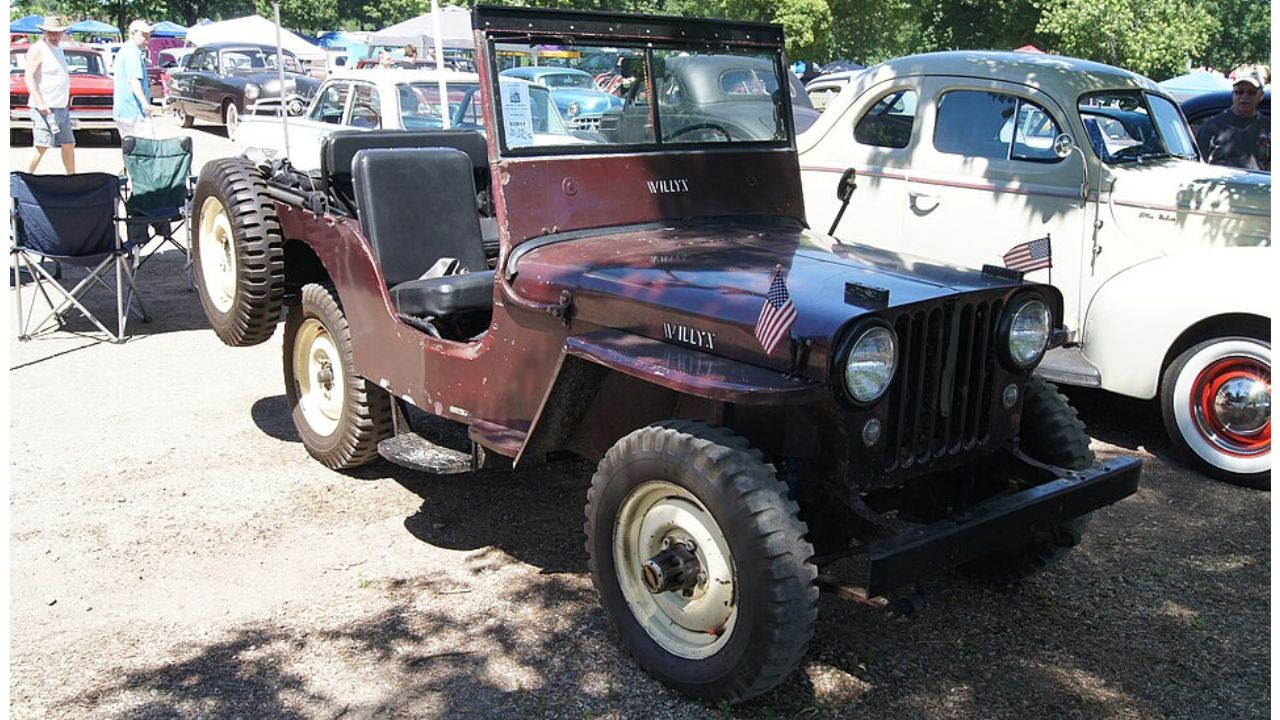
The Willys Jeep earned worldwide recognition during World War II, proving its toughness on battlefields across Europe and the Pacific. When peace returned, many believed its military career had come to an end. Instead, the 1948 Willys Jeep began an entirely new chapter, becoming one of the most versatile civilian vehicles ever built and helping shape the future of the four-wheel-drive market.
From Military Hero to Civilian Workhorse
After the war, Willys-Overland recognized that the Jeep’s rugged engineering could appeal to farmers, ranchers, contractors, and small businesses. Rather than simply selling surplus military vehicles, the company developed civilian versions designed specifically for everyday work.
The 1948 models retained much of the durability that made wartime Jeeps famous while adding features better suited to civilian life. Improved seats, revised body details, and practical accessories made them more comfortable without sacrificing their legendary toughness.
Willys promoted the Jeep as a machine capable of replacing both a light truck and a tractor. Advertisements highlighted its ability to plow fields, pull trailers, operate farm equipment through power take-off systems, and travel where ordinary vehicles could not.
This versatility helped the Jeep establish a loyal customer base far beyond its military roots.
Farmers and Ranchers Quickly Recognized Its Value
Agricultural communities became some of the Jeep’s earliest and most enthusiastic customers. Its compact size allowed it to navigate narrow trails, fields, and livestock areas that larger trucks often struggled to reach.
The four-wheel-drive system gave farmers dependable mobility during muddy seasons, while its strong frame handled fencing supplies, feed, tools, and small equipment with ease. Optional power take-off attachments even allowed the Jeep to operate machinery such as pumps, saws, and generators directly from the vehicle.
Many owners discovered they could use the same Jeep throughout the day for multiple tasks, reducing the need for separate machines. One vehicle could inspect fields in the morning, haul supplies in the afternoon, and tow equipment before sunset.
Its ability to perform so many different jobs made it an invaluable partner on working farms.
New Industries Put the Jeep to Work
The Jeep’s usefulness quickly expanded beyond agriculture. Forestry crews, utility companies, surveyors, park services, and construction contractors all found practical uses for its rugged design.
Government agencies relied on Jeeps to patrol parks, maintain trails, and reach remote infrastructure. Utility workers used them to access power lines and communications equipment in difficult terrain, while construction crews appreciated their ability to transport personnel and tools to undeveloped job sites.
The aftermarket also played an important role in the Jeep’s success. Manufacturers offered specialized accessories ranging from snowplows and winches to cargo racks and enclosed cabs, allowing owners to tailor the vehicle for nearly any profession.
This adaptability transformed the Jeep into one of America’s most flexible commercial vehicles.
A Legacy That Shaped Future Off-Road Vehicles
The success of the 1948 Willys Jeep proved there was strong demand for compact four-wheel-drive vehicles outside the military. Its popularity encouraged continued innovation and laid the foundation for decades of Jeep development, eventually influencing countless SUVs and utility vehicles around the world.
Many surviving examples still work on farms, ranches, and private properties more than seven decades after they were built, demonstrating the remarkable durability that first earned the Jeep its reputation. Restored models are also highly prized by collectors who appreciate both their military heritage and civilian achievements.
Perhaps most importantly, the Willys Jeep changed how people viewed four-wheel-drive vehicles. Rather than serving only soldiers, they became practical tools for everyday life, capable of supporting industries, communities, and families alike.
Looking back, the 1948 Willys Jeep’s second life after the war may have been even more influential than its first. By transforming from a battlefield vehicle into a trusted civilian workhorse, it helped create an entirely new category of utility vehicles whose impact is still felt today.
More from Fast Lane Only
- Unboxing the WWII Jeep in a Crate
- 15 rare Chevys collectors are quietly buying
- 10 underrated V8s still worth hunting down
- Police notice this before you even roll window down
*Research for this article included AI assistance, with all final content reviewed by human editors