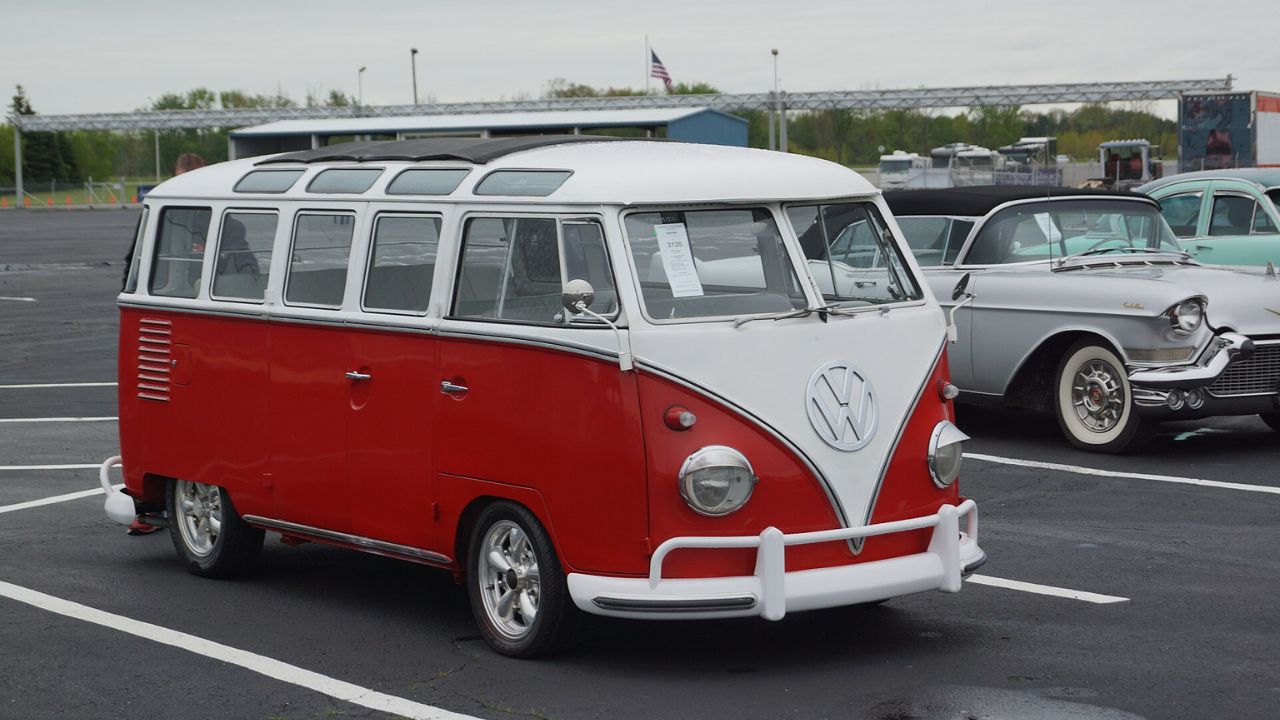
The 1963 Volkswagen Type 2 was designed as a practical van for carrying people and cargo, but it eventually became something much greater than a commercial vehicle. Over the following decades, its simple engineering, adaptable design, and unmistakable appearance transformed it into an international symbol of freedom, creativity, and community, earning a place in popular culture unlike almost any other automobile.
It Began as a Simple Utility Vehicle
Volkswagen originally developed the Type 2 to serve businesses that needed reliable, affordable transportation. Built around the same rear-mounted, air-cooled engine concept as the Beetle, the van offered a spacious interior within surprisingly compact dimensions.
Its flat load floor and boxy body made it easy to transport everything from tools and deliveries to passengers and luggage. Numerous body styles—including panel vans, passenger buses, pickups, and camper conversions—allowed buyers to choose a version suited to their specific needs.
Mechanics appreciated its straightforward engineering, while owners valued its durability and relatively simple maintenance. These practical qualities helped the Type 2 gain popularity with tradespeople, small businesses, and families around the world.
Its success initially came from usefulness rather than cultural significance.
Young Travelers Gave It a New Identity
During the 1960s and early 1970s, the Type 2 found an unexpected audience among young travelers, artists, musicians, and students. Its spacious cabin, affordable price, and ability to double as temporary living space made it ideal for extended road trips and budget adventures.
Many owners personalized their vans with colorful paint schemes, handmade interiors, curtains, and roof racks, turning each vehicle into a unique reflection of its owner’s personality. The Type 2 became closely associated with exploration, music festivals, and a growing culture that valued experiences over possessions.
Unlike many automobiles that were admired primarily for speed or luxury, the Volkswagen became famous for encouraging people to travel, gather, and create lasting memories together.
Its identity gradually shifted from practical transportation to a symbol of a way of life.
Popular Culture Turned It Into an Icon
As the Type 2 appeared in magazines, documentaries, advertisements, television shows, and movies, its cultural reputation expanded far beyond its original purpose. Its rounded shape and distinctive split windshield made it instantly recognizable, even to people with little interest in automobiles.
The van became closely linked with themes of peace, adventure, and creativity. Artists frequently featured it in paintings, posters, and album artwork, while filmmakers used it to instantly communicate a spirit of independence and unconventional thinking.
Even decades after production of early models ended, the Type 2 continued appearing in books, commercials, and merchandise. Few vehicles have maintained such strong visual recognition across multiple generations.
Its influence extended well beyond the automotive world into art, music, and popular culture.
Its Legacy Continues Around the World
Today, the 1963 Volkswagen Type 2 remains one of the most beloved classic vehicles ever built. Restored examples attract enthusiastic crowds at car shows, while original camper conversions continue taking owners on road trips much as they did decades ago.
Collectors appreciate its historical importance, but many owners value it even more for the experiences it represents. The van continues to symbolize simplicity, adventure, and the joy of traveling at a relaxed pace rather than rushing to a destination.
Modern Volkswagen vans also borrow styling cues from the original, reflecting the lasting influence of the Type 2’s timeless design. Although technology has changed dramatically, the emotional connection people feel toward the classic van remains remarkably strong.
Looking back, the 1963 Volkswagen Type 2 became a symbol far beyond transportation because it offered more than mobility. It inspired exploration, encouraged community, and became an enduring reminder that the journey itself can be just as meaningful as the destination.
More from Fast Lane Only
- Unboxing the WWII Jeep in a Crate
- 15 rare Chevys collectors are quietly buying
- 10 underrated V8s still worth hunting down
- Police notice this before you even roll window down
*Research for this article included AI assistance, with all final content reviewed by human editors