The 1964 Triumph TR4 arrived at a moment when traditional British roadsters were starting to feel cramped, drafty and old fashioned, yet drivers still craved their mechanical honesty and open air charm. By blending crisp Italian styling with practical upgrades that owners could live with every day, it quietly reset expectations for what a small sports car could be. When I look at the TR4 now, I see a car that did not just update a formula, it dragged the classic roadster into a more modern era without losing its soul.
From spindly classic to sharp edged modern
Earlier Triumphs had the right ingredients for fun, but their cut down doors, side curtains and low bodywork felt rooted in the 1950s even as the 1960s gathered pace. The TR4 kept the proven chassis and basic mechanical layout, yet wrapped them in a far more contemporary shape that signaled a break from the past the moment you saw it in a rear view mirror. I find that contrast striking, because it shows how much design alone can change the perceived age of a car even when the bones underneath are familiar.
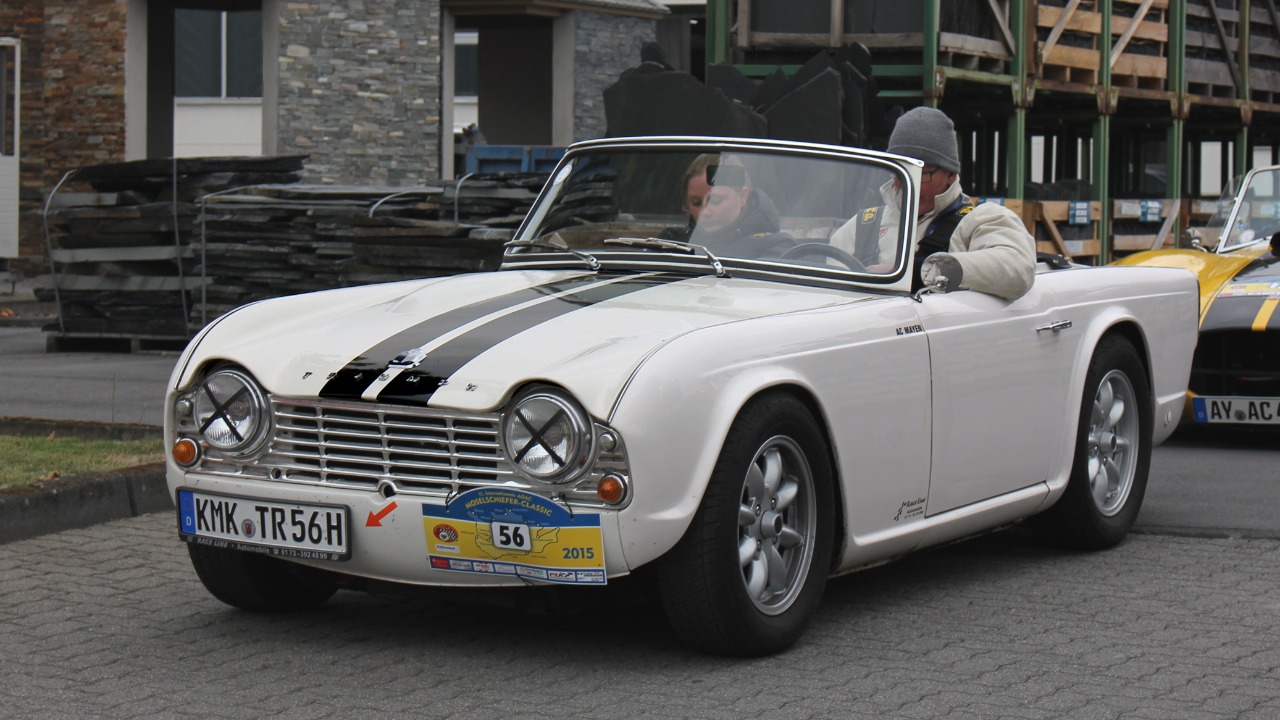
That transformation came from stylist Giovanni Michelotti, whose clean, almost architectural lines replaced the earlier car’s curves with a higher beltline, full height doors and a more assertive nose. Contemporary descriptions of the 1964 Triumph TR4 highlight how its spacious trunk, high beltline, full sized doors with roll up windows and revised front look pulled Triumph into a new era while still delivering an entertaining drive, a balance that made the car feel genuinely up to date rather than like a warmed over relic of the previous decade, as detailed in period focused valuation notes.
Michelotti’s pragmatic revolution
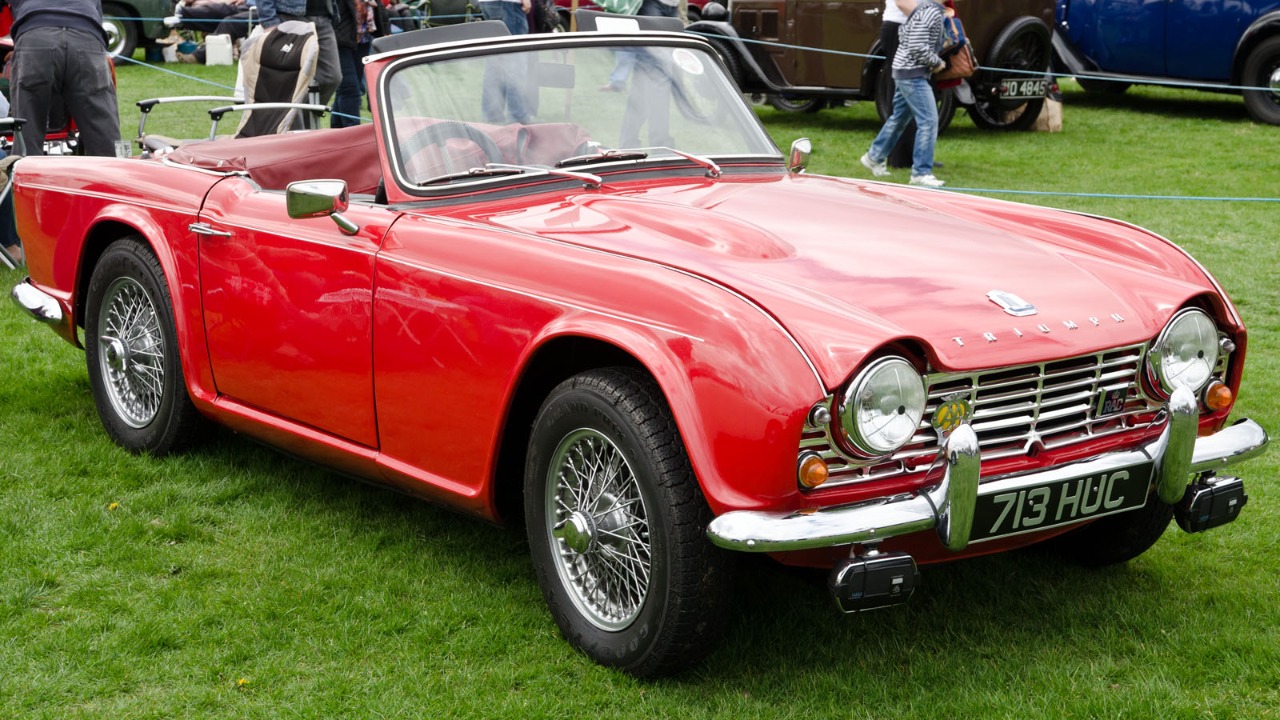
What I admire most about the TR4 is that its modernity was achieved on a modest budget rather than through a clean sheet program. Triumph retained the existing chassis and drivetrain, then asked Michelotti to rethink the body within those constraints, which could easily have led to an awkward compromise. Instead, he produced a tidy amalgam of the two previous designs, smoothing out their quirks and adding subtle refinements that made the car look fresh without alienating loyal buyers.
Accounts of the development process describe how the budget was a modest one, yet Michelotti still managed to incorporate new panels and various engine related tweaks while preserving the essential character of the TR line. I read those details as proof that good design can stretch limited resources, and the fact that the factory cars went on to win an SCCA E Production national championship shows that this pragmatic evolution did not blunt the car’s competitive edge, a point underscored in detailed histories of how Oct and Michelotti shaped the Triumph TR4 story.
Comfort and practicality without killing the thrill
For drivers used to side curtains and leaky soft tops, the TR4’s cabin must have felt like a revelation. I see its roll up windows, improved ventilation and better weather protection as the real breakthrough, because they made the car viable as more than a weekend toy in mild climates. Suddenly, a British roadster could be a daily driver in places where rain and cold were part of the routine, and that shift in usability is a big part of why the TR4 reads as modern even today.
Triumph backed up that idea with tangible hardware, including full sized doors with proper glass, face level ventilation and an optional hardtop that turned the car into a snug coupe when needed. Auction descriptions of a 1964 Triumph TR4 that Sold for £19,600 note that it was Produced between 1961 and 1967 and combined a new, modern and aggressive body design with those practical touches like roll up windows, face level ventilation and an optional hardtop, a combination that made the car feel more grown up without diluting its sporting intent, as highlighted in period correct auction notes.
The innovative hardtop that previewed future roadsters
One of the cleverest touches on the TR4, and one I think is still underappreciated, was its optional hard top system. Rather than a simple removable roof shell, Triumph offered a fixed glass rear section with an integral roll bar and a detachable center panel, effectively creating a modular setup that could be a coupe, a targa style open car or a full convertible. That kind of flexibility feels very forward looking when you remember that many rivals were still relying on basic fabric tops and clip in side curtains.
Technical descriptions of the model explain that the TR4 offered an optional hard top consisting of a fixed glass backlight with integral rollbar and a detachable centre panel, a configuration that gave the car a stiffer structure and better rear visibility while still allowing open air motoring. I see clear echoes of later targa and folding roof concepts in that arrangement, and the fact that Triumph was experimenting with such a layout at this price point shows how the TR4 quietly anticipated features that would become common on more expensive sports cars, as detailed in contemporary technical summaries.
Why the 1964 TR4 still feels relevant today
When I line the 1964 TR4 up mentally against later roadsters, from the Mazda MX 5 Miata to modern BMW Z4s, what stands out is how many of its ideas became standard practice. The higher beltline, proper weather protection, usable trunk and multi mode roof all read like a checklist for the modern open sports car, yet in the early 1960s they were still relatively bold moves for a small British manufacturer. That willingness to refine the formula rather than simply repeat it is what makes the TR4 feel like a turning point rather than just another link in a model chain.
At the same time, the car never lost sight of the simple pleasures that define a classic roadster, from its communicative steering to the way its four cylinder engine encourages you to work through the gears on a favorite back road. Contemporary evaluations of the 1964 Triumph TR4 emphasize that, despite its more civilized body and cabin, it remained an entertaining drive, with the spacious trunk and improved ergonomics simply broadening the situations in which owners could enjoy it. For me, that blend of usability and character is the real legacy of the TR4, and it is why this particular Triumph still feels like a blueprint for how to modernize a beloved sports car without sanding off the edges that make it special.
More from Fast Lane Only: