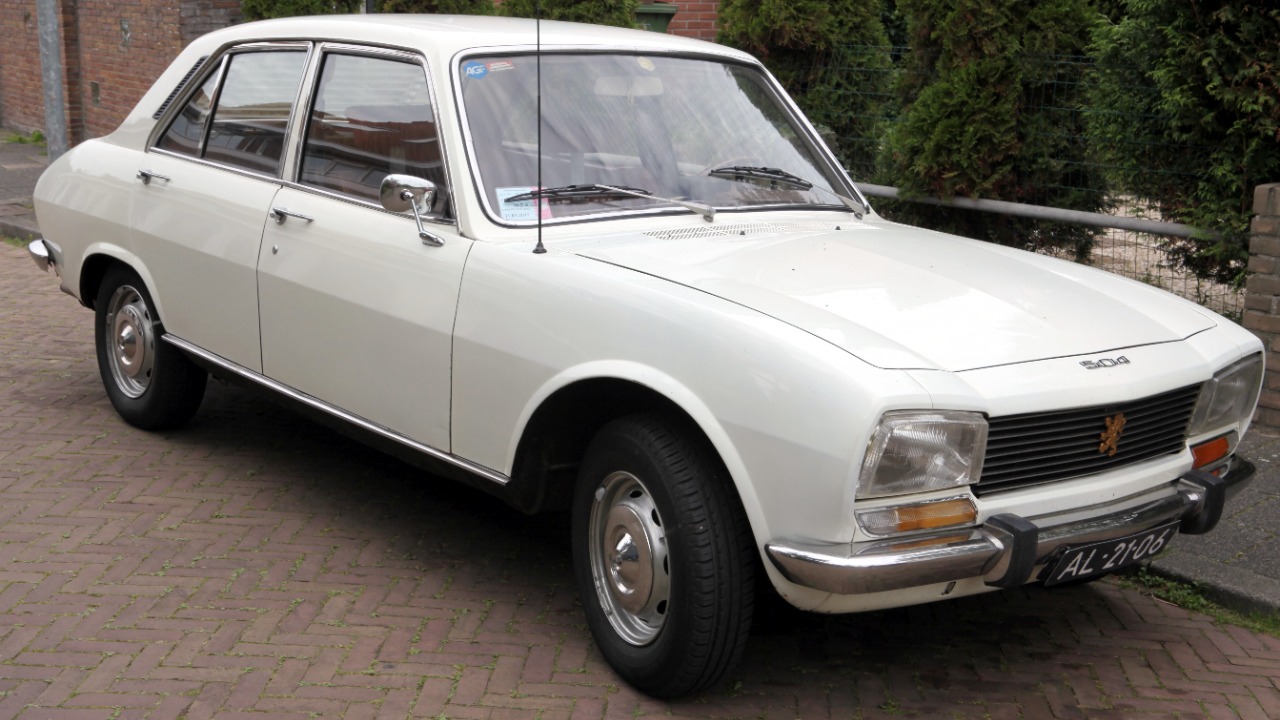
The 1968 Peugeot 504 arrived at a moment when family cars were expected to be comfortable, but not necessarily indestructible. By the time its long production run wound down, the 504 had become shorthand for toughness, the sort of car that could shrug off bad fuel, rough roads and hard use while still feeling civilised. I want to look at how that first 1968 saloon turned durability from a marketing line into a lived reality, and why its reputation still echoes wherever old French sedans are asked to do impossible things.
From Paris flagship to global workhorse
When Peugeot unveiled the 504 in Paris, the company was not chasing a niche experiment, it was unveiling what its own History and Introduction materials describe as a flagship saloon meant to sit at the top of the range. The car was Marketed as a comfortable, modern family four door, yet its underlying engineering was anything but fragile, with most 504 models using robust mechanical layouts that could be adapted to very different markets. That dual identity, a refined Peugeot that could still take punishment, is what set the tone for the way the 1968 car would come to define long term toughness.
What fascinates me is how quickly that supposedly European flagship became a global utility vehicle. Production started in France, but licensed manufacturing soon spread to Argentina, China, Kenya and Nigeria, with saloons, estates and pickup truck variants all spun off the same basic 504 platform. A car that debuted as a polished Paris showpiece was suddenly being built on several continents, and that only happened because the underlying design could survive wildly different climates, road conditions and maintenance standards without losing its essential character.
Designing durability into a family saloon
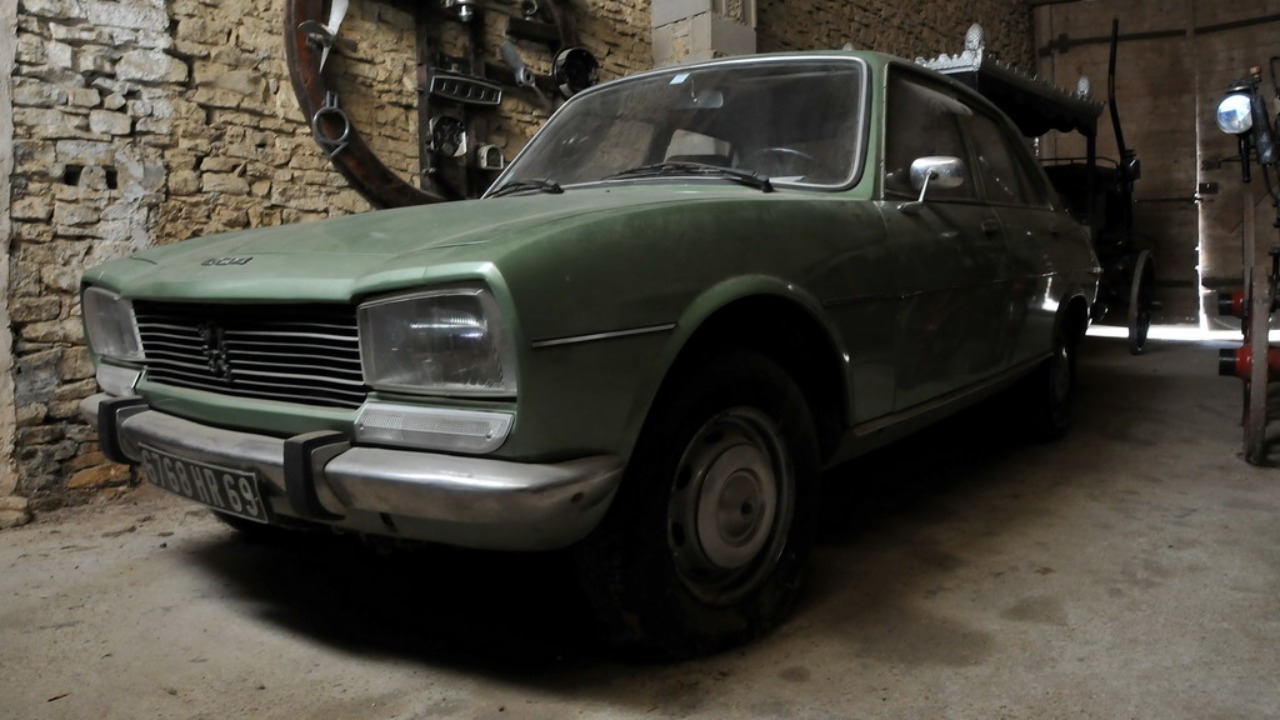
Durability is rarely an accident, and the 504 shows how Peugeot baked longevity into the car from the start rather than treating it as an afterthought. The body was conservative but carefully engineered, with long suspension travel and a structure that could flex over broken surfaces instead of cracking, a choice that paid off when the car left smooth European highways. Under the skin, the layout was simple enough that local mechanics could keep it running, yet sophisticated enough to deliver the comfort buyers expected from a flagship saloon.
That balance between simplicity and sophistication is clear when I look at how enthusiasts describe the original Peugeot 504. The Peugeot is remembered as a large family car from a French maker that resisted the temptation to chase fragile high tech solutions, and instead relied on proven components sized generously for the job. The result was a 504 that could be driven hard, loaded heavily and still feel unstrained, which is exactly the sort of over engineering that quietly builds a reputation for lasting decades rather than years.
Car of the Year, then king of the back roads
Recognition came quickly, and it mattered. The 1968 Peugeot 504 saloon was voted Car of the Year for 1969, a nod that validated Peugeot’s decision to evolve the formula it had established with the earlier 404 rather than chasing fashion. Awards alone do not make a car durable, but they do signal that the fundamentals are right, and in the 504’s case the fundamentals were a comfortable ride, predictable handling and a cabin that could stand up to daily use without feeling cheap or flimsy.
What I find telling is how that early praise for refinement blended almost seamlessly into a later reputation for ruggedness. Commentators looking back at the 504’s styling and engineering often point out how the car continued the 404 tradition of selling strongly in export markets that valued toughness over flash, and how the saloon’s success paved the way for more specialised versions like the Break Riviera estate. The 504 and 404 pairing is often cited together in discussions of Peugeot’s golden era, and the way the 504 saloon evolved into variants that still echoed the original design shows how a single, well judged platform can anchor a brand’s image for decades, as reflected in analyses of the 504 and 404.
Numbers that prove the point
Durability is a story, but it is also a set of hard numbers, and the 504’s production figures tell their own tale. Contemporary data on the 1968 Peugeot 504 Saloon list a Production Total of 3073185 units, a staggering figure for a car that began life as a relatively conservative family saloon. The original Car Specs also note a Price when new of 1725, which positioned the Peugeot as attainable rather than exotic, and that combination of affordability and staying power is exactly what you need if you want a car to become part of everyday life rather than a passing novelty.
When I look at those figures, I see more than just a successful model run, I see millions of individual bets that the 504 would last. Owners were not buying a toy, they were buying a tool, and the fact that so many of those tools stayed in service for years is reflected in the way enthusiasts still praise their simplicity and reliability. That reputation is captured neatly in detailed breakdowns of the Car Specs for the Peugeot Saloon, where the Information is less about flashy performance and more about how the basic 504 package kept doing its job long after many contemporaries had rusted away or been scrapped.
Why the 504 still defines toughness today
Looking back from today, I am struck by how often the 504 is still used as a benchmark when people talk about durable cars. Writers revisiting the model describe how Peugeot launched the 504 as a confident step up, and how that move helped the brand win European Car of the Year and cement its reputation for building vehicles that could handle real world abuse. Those retrospectives often highlight how the 504’s success has become part of the story as Peugeot looks to reassert itself in markets it once left, because a comeback is easier when you can point to a car that proved your engineering could go the distance, as seen in modern takes on how Peugeot launched the 504.
The other reason the 504 still looms so large is the way it handled the worst roads drivers could throw at it. With long suspension travel and a chassis tuned to cope with rough surfaces, the car became a natural fit for regions in Africa, Asia and Australia where durability was not a luxury but a necessity. Accounts of the model’s global spread emphasise how that suspension, combined with straightforward mechanicals, allowed the 504 to thrive in conditions that would have broken more delicate rivals, a point underscored in technical histories that describe how the 504 m platform was engineered for exactly that kind of punishment.
For me, that is the real legacy of the 1968 launch. The Peugeot 504 did not just add another saloon to the showroom, it set a standard for what a family car could endure, from Paris boulevards to corrugated tracks half a world away. When people talk about a vehicle that will simply keep going, they still reach for the same name, and that is the clearest sign that this unassuming Peugeot truly launched durability as a defining virtue rather than a quiet bonus.
More from Fast Lane Only: