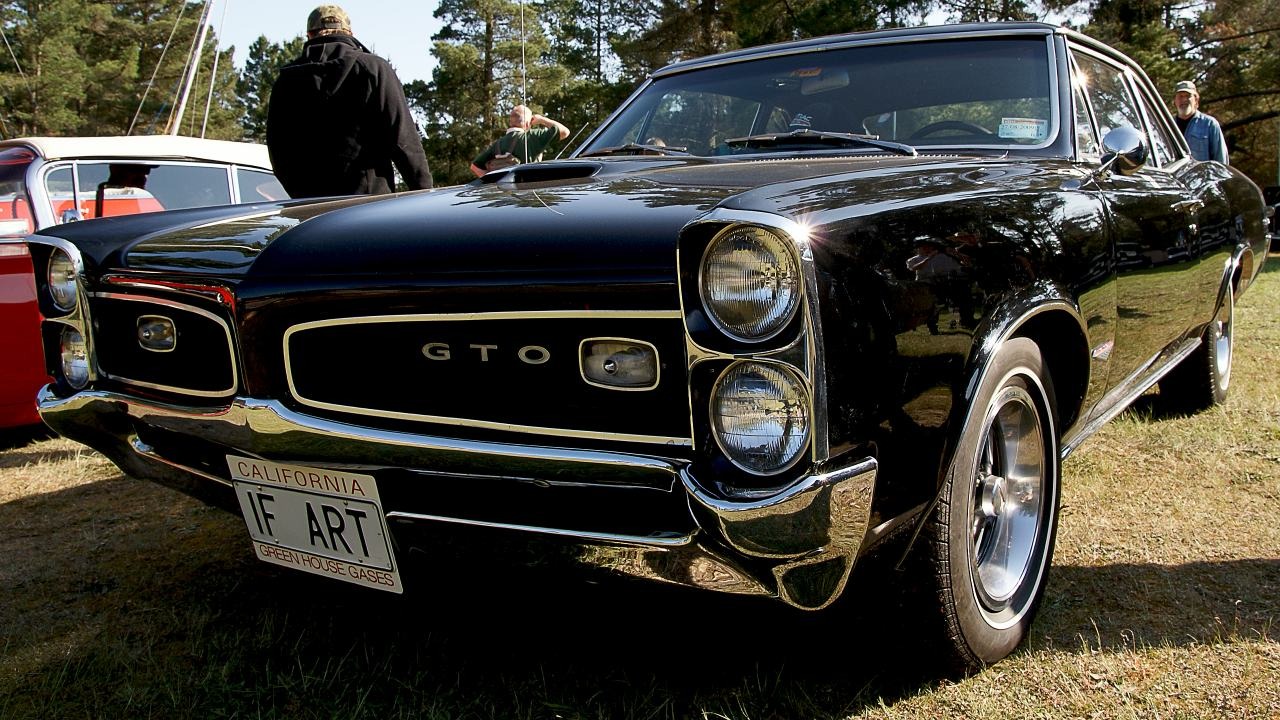
The 1966 Pontiac GTO did not reinvent the muscle car so much as it sharpened it, turning a rebellious idea into a polished, mass market performance package. By the time that model year arrived, Pontiac had already proved that stuffing a big V8 into a midsize body could sell, but the 1966 car showed how far that formula could be refined without losing its edge.
When I look at the 1966 GTO, I see a car that smoothed the rough spots of the early years, from styling to drivability, while keeping the raw acceleration that made the badge famous. It is the moment when the GTO stopped being an experiment and became a fully realized product, one that balanced showroom appeal, performance options, and everyday usability in a way that still feels remarkably modern.
The GTO grows up without growing soft
By 1966, Pontiac had learned that the muscle car market was bigger than the street racers who had embraced the first GTOs. The brand needed a car that looked more upscale, felt more finished, and could appeal to buyers who wanted performance without the sense they were driving a stripped out hot rod. The 1966 redesign delivered a cleaner body, a more cohesive interior, and a broader range of equipment, all while keeping the basic midsize layout and big engine that defined the original formula.
That balance between polish and power is why the 1966 GTO became the most popular Pontiac of its time, with total sales reaching 96,000 units. When a performance model sells in that volume, it is no longer a niche experiment, it is the center of a brand’s identity. I see that sales figure as proof that Pontiac had refined the GTO into something that worked for a wide spectrum of drivers, from enthusiasts to commuters who simply wanted a fast, stylish coupe.
Styling that turned a hot rod into a halo car
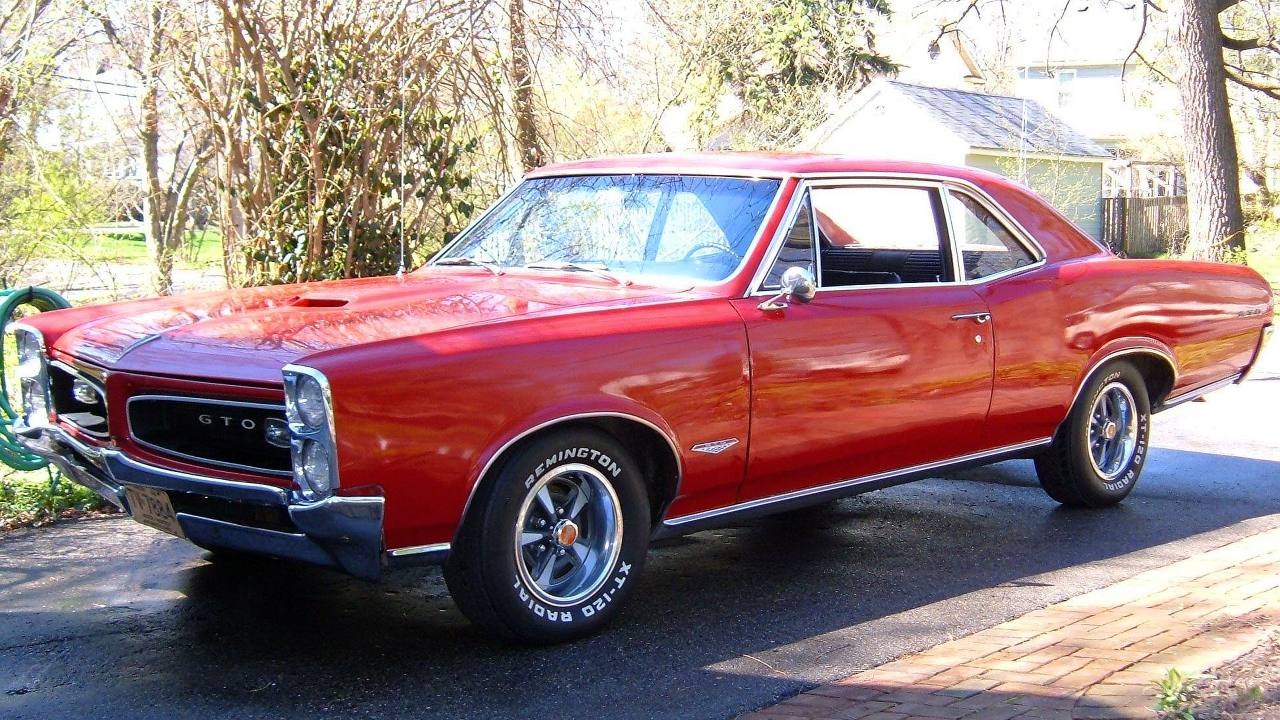
The visual shift from the early GTOs to the 1966 model is subtle in photos but dramatic in person. The car’s coke bottle profile, recessed grille, and more sculpted rear quarters gave it a sense of motion even at a standstill, and the details felt more intentional than the earlier, more utilitarian shapes. Instead of looking like a Le Mans with a big engine, the 1966 GTO finally looked like its own car, which mattered for buyers who wanted their performance purchase to stand apart in the driveway.
That sense of presence is part of why collectors still single out the 1966 model when they walk through large private collections, including one enthusiast’s lineup of more than 170 cars that spans the muscle era. When a design can hold its own in a room full of icons, it tells me Pontiac’s refinements were not just about horsepower or options lists, they were about creating a halo car that visually embodied the brand’s performance ambitions.
Tri Power and the art of usable performance
Under the hood, the 1966 GTO stayed faithful to the big V8 formula, but the way it delivered that power showed a more mature understanding of real world driving. In Pontiac engineering language, the famous In Pontiac setup known as Tri Power meant three two barrel carburetors, each a Rochester unit, with a vacuum operated linkage that kept the outer carbs closed until the driver really leaned on the throttle. That layout let the GTO cruise on the center carb for decent manners and then open all three for full power, which is a very deliberate attempt to make big performance livable day to day.
I read that choice as a refinement of the original muscle car idea, not just an escalation. Instead of simply chasing bigger displacement, Pontiac focused on how the engine behaved across different driving situations, from stop and go traffic to wide open highway runs. The fact that the Tri Power setup was phased out after the 1966 model year only adds to its mystique, but in the moment it was a clever way to give drivers both flexibility and drama in a single package.
From corporate experiment to performance benchmark
The GTO story is often told as a tale of rule breaking engineers, but by 1966 it was also a story about corporate strategy. The car was Produced by General Motors and championed internally by John DeLorean, and by the mid sixties the Pontiac GTO had become a standard bearer for American performance. The 1966 lineup, offered as a sports coupe, hardtop coupe, and convertible, reflected that shift from one off option package to fully fledged model range, with body styles tailored to different buyers but a shared performance core.
Performance testing from the era shows how seriously Pontiac took that role. With two testers and equipment aboard, one evaluation recorded the GTO sprinting from zero to 60 miles per hour, or 97 km per hour, in 5.8 seconds, running the engine right up to its 6,000 rpm redline. Those numbers put the GTO squarely in the conversation with contemporary sports cars, and they underline how the 1966 refinements were not just cosmetic or marketing driven, they were backed by real speed.
How the GTO shaped the wider muscle car landscape
When I compare the 1966 GTO to other American cars of the same era, what stands out is how clearly it defined the template others would follow. Full size models from rival brands often relied on dealer tricks and a maze of options to approximate the same blend of performance and drivability. One fact sheet for a competing 1966 full size line notes that NOTE that Optional dealer installed gear ratios ranged from 2.89 to 4.56, and that buyers should See the Full Siz specifications for more detail. That kind of complexity put the burden on the dealer and the buyer to piece together a performance package, whereas Pontiac had already bundled the right engine, gearing, and image into a single, coherent model.
In that sense, the 1966 GTO did more than refine its own formula, it nudged the entire industry toward clearer, more focused performance offerings. The car showed that you could sell serious speed in high volumes if you wrapped it in the right styling, tuned it for everyday use, and made the options understandable. When I think about later muscle and pony cars that followed, from other GM divisions to rival brands, I see the fingerprints of the 1966 GTO all over their approach to power, packaging, and personality.
More from Fast Lane Only: