The second-generation Camaro arrived just as the classic muscle era was starting to unravel, yet it managed to keep big performance and attitude on the road while rivals retreated into compromise. Through a mix of engineering stubbornness, clever repositioning and sheer showroom appeal, the 1970s Camaro kept the muscle-car idea alive even as regulations and fuel crises tried to shut it down. I want to trace how that happened, from the peak of the 1970 Z28 to the survival-focused cars that carried the badge through the decade.
The 1970 Z28 as a last great muscle benchmark
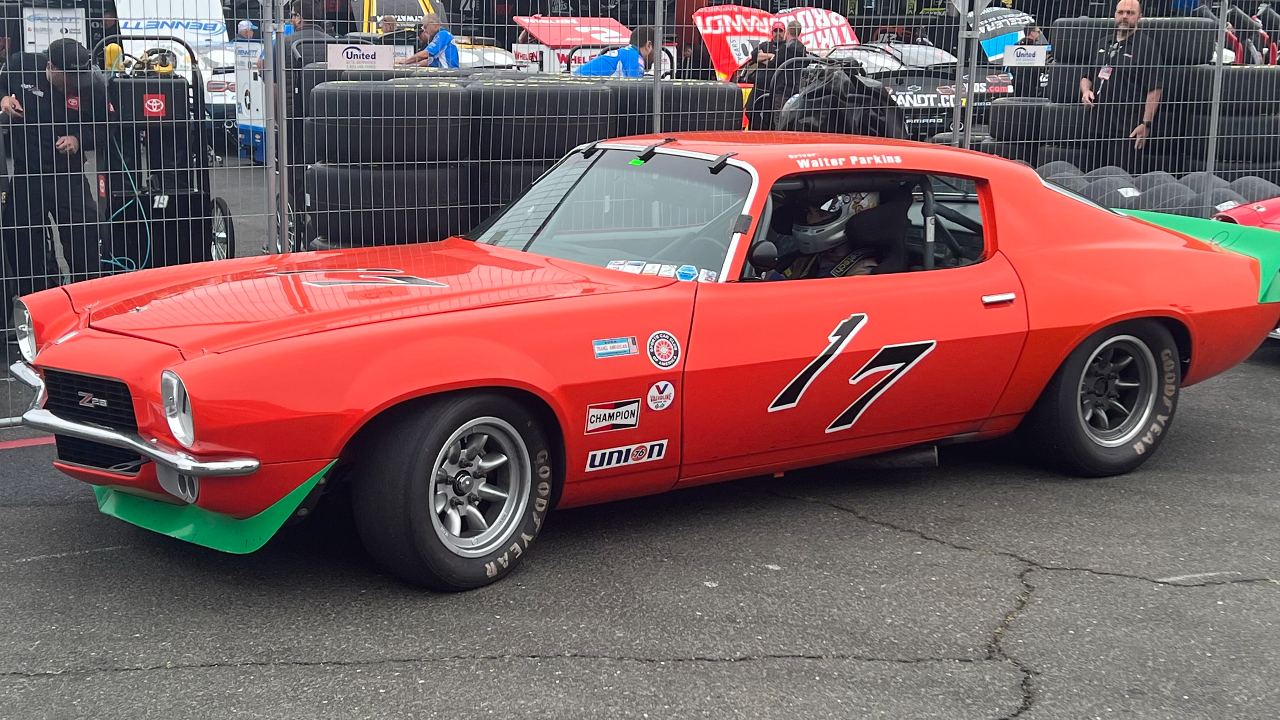
Any argument that the Camaro kept muscle alive in the 1970s has to start with the 1970 Z28, because it set a performance benchmark that enthusiasts still use as a reference point. The car’s LT-1 small-block was not just another V8 option, it was a high-compression, solid-lifter engine that represented the last of the hard-edged factory performance mills before emissions rules started cutting power. Reporting on the 1970 Z28 notes that its LT-1 powerplant was the last of the high-compression small-blocks before stricter standards arrived, which is why so many historians treat it as a turning point for the Camaro and for muscle cars more broadly.
That mechanical package was wrapped in a chassis and body that were engineered with serious driving in mind, not just straight-line theatrics. Contemporary analysis describes the 1970 Chevrolet Camaro Z28 as the best all-around Z28 ever built, with a balance of handling, braking and acceleration that made it an instant classic rather than a one-dimensional drag-strip special. Video deep dives still debate whether this is the greatest Z28 ever, underscoring how the 1970 car combined the LT-1’s raw output with a more sophisticated second-generation platform to create a muscle car that could corner as well as it could launch. By starting the decade with such a complete performance package, the Camaro established a high bar that later, detuned versions would still be judged against.
Regulation, fuel and the collapse of the classic muscle formula
What makes the Camaro’s survival story compelling is that it unfolded against a backdrop that was actively hostile to traditional muscle. In the early 1970s, the United States government enforced new regulations aimed at improving safety, fuel efficiency and emissions, a response to rising fatalities and environmental concerns tied directly to powerful cars. At almost the same time, Congress unanimously passed the Clean Air Act of 1970, which empowered regulators to clamp down on pollutants and eventually phase out the widespread use of lead in gasoline. Those moves forced automakers to lower compression ratios, add emissions equipment and rethink how they built performance engines.
By the middle of the decade, the classic formula of big displacement, high compression and cheap high-octane fuel was no longer viable. Analyses of the muscle-car collapse point out that, just before the era faded, the industry was already pivoting toward fuel efficiency, improved safety and comfort-focused models as buyers and regulators lost patience with thirsty, marginally controlled power. The Camaro was not immune to those pressures, and its own engines lost output as compression dropped and emissions hardware piled on. Yet the car’s basic layout, rear-drive chassis and performance image stayed intact, which gave Chevrolet room to keep selling the idea of a sporty, V8-powered coupe even as the numbers on the spec sheet shrank.
How the Camaro adapted when rivals retreated
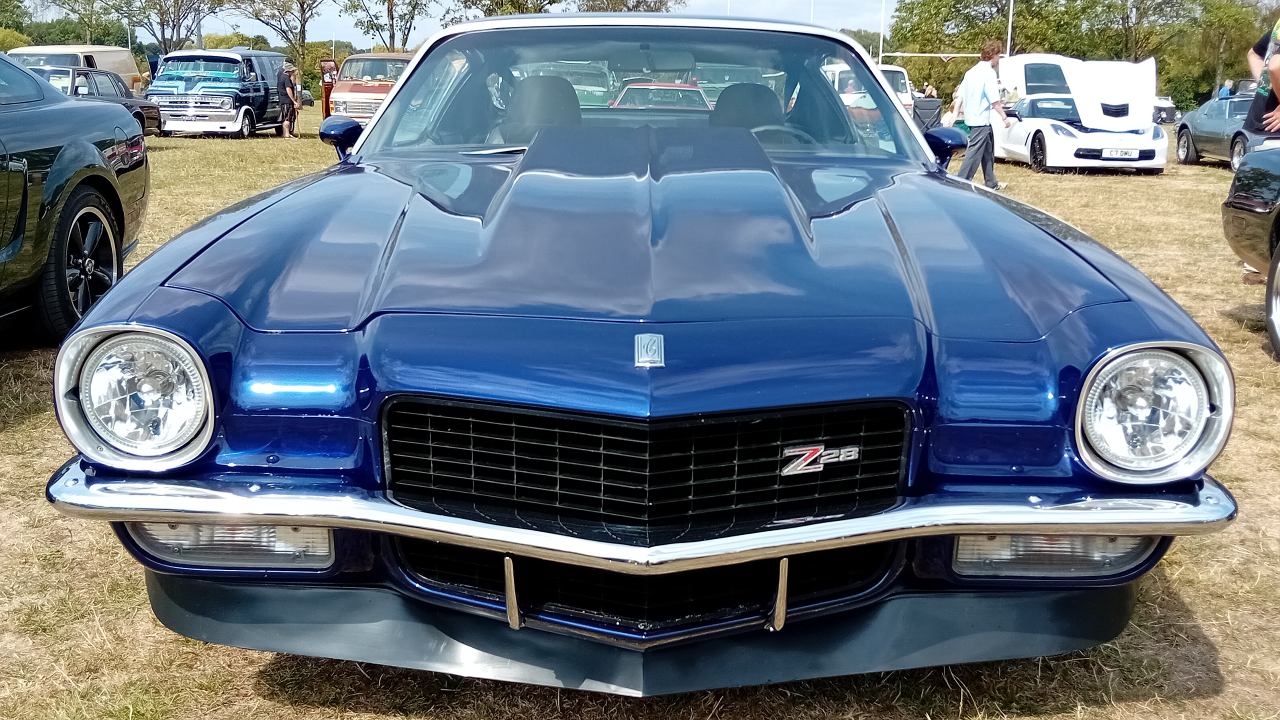
The real test of the Camaro’s role in keeping muscle alive came when competitors changed course more radically. Over the 1970s, Chevrolet sold 1,658,545 Camaros while Ford moved 2,081,007 Mustangs, a raw sales comparison that can mislead if it is not paired with what those cars actually became. The Mustang II, which arrived in the middle of the decade, prioritized compact size, economy and comfort over traditional muscle traits, and reporting notes that it did not carry the same performance credibility as earlier Mustangs. The Camaro, by contrast, never abandoned its long-hood, rear-drive, V8-available layout, so even in detuned form it still looked and felt like a muscle car to buyers walking into a showroom.
That continuity mattered because it kept the performance-car flame visible at a time when many nameplates either disappeared or morphed into something unrecognizable. Historical reviews of 1970s muscle consistently include the Chevy Camaro in any serious discussion of the era, pointing out that by 1970 the car had matured into a more refined but still aggressive package. Even as later models lost some of the 1970 Z28’s sharpness, the Camaro’s stance, proportions and available V8 power kept it in the conversation as a legitimate performance choice. In other words, while some rivals pivoted to pure economy or luxury themes, the Camaro stayed close enough to its roots that enthusiasts still saw it as a muscle car, not just a sporty-looking commuter.
The low points that still carried the torch
None of this means every 1970s Camaro was a performance hero. Some model years are now held up as cautionary tales about what emissions rules and fuel crises did to muscle cars. Commentators who rank the decade’s worst performers often single out the 1975 Chevrolet Camaro, describing it as a low point in output and responsiveness compared with the early second-generation cars. Power figures dropped, curb weight crept up and the once ferocious Z28 badge even disappeared for a stretch, leaving buyers with styling that promised more than the engines could deliver.
Yet even those compromised cars played a role in keeping the segment alive. The 1975 Chevrolet Camaro still offered a V8, rear-wheel drive and a chassis that could be upgraded by enthusiasts, which meant the basic ingredients of muscle were present even if the factory recipe had been watered down. Owners could and did modify these cars with freer-flowing exhausts, better ignition and suspension tweaks, taking advantage of the underlying platform that had been engineered in the 1970 Z28 era. By continuing to sell a car that looked like a muscle coupe and could be turned into one with aftermarket help, Chevrolet kept the culture and the market infrastructure around performance cars from disappearing entirely.
Why the 1970s Camaro still anchors muscle-car memory
Looking back, I see the 1970s Camaro as a bridge between two very different performance worlds. At the start of the decade, the 1970 Z28’s LT-1 engine and carefully tuned chassis represented the last flourish of unfiltered factory muscle, a car that enthusiasts still argue might be the greatest Z28 ever built. As regulations tightened and fuel quality changed, the same basic platform was forced to evolve, absorbing catalytic converters, lower compression and new safety requirements while trying to preserve some sense of speed and style. The Clean Air Act of 1970 and the broader regulatory push did not spare the Camaro, but they also did not erase its identity, which is why the badge could carry on into the 1980s and beyond.
The key is that the Camaro never stopped offering a performance narrative, even when the numbers dipped and critics panned specific years. Sales figures in the 1970s show that Camaros remained popular despite the headwinds, and historical rankings of the decade’s best muscle cars still treat the Chevy Camaro as essential to the story. That continuity helped keep muscle-car expectations alive for a new generation of drivers who grew up seeing Camaros on the street, in showrooms and in enthusiast media, even if they were not as wild as the 1970 Z28. By holding its line while others changed course, the 1970s Camaro did more than survive a difficult decade, it preserved the template that later performance revivals would follow.
More from Fast Lane Only: