The second-generation Chevrolet Camaro arrived as a clean break from the original pony car formula, yet for years it sat in the shadow of both its predecessor and the later retro-styled models. With time and distance, however, its proportions, engineering choices, and cultural imprint have started to look far more deliberate than dated. What once read as a product of the 1970s now comes across as a cohesive design that anticipated modern performance coupes more than it copied the past.
Viewed today, the long-hood, short-deck shape, the driver-focused chassis, and even the controversial “disco” styling updates feel less like compromises and more like the DNA of the contemporary Camaro. Rather than aging out of relevance, the second generation has grown into its lines and its legend, helped by enthusiasts who keep driving, restoring, and reinterpreting these cars on the road and on screen.
The radical break that set the template
When the second-generation Camaro arrived for 1970, it was not a mild refresh of the original but a ground-up rethink that kept only the basic layout. The car retained the familiar front-engine, rear-drive configuration, yet the body was all new, lower and wider, with a more European-influenced stance that earned it the nickname “Super Hugger” in period marketing. That combination of familiar mechanical bones and a dramatically different shell is a big reason the shape still reads as modern, because it prioritized proportions and handling over short-term styling trends, as reflected in period descriptions that explicitly dubbed the new Camaro a Super Hugger and emphasized its all-new character.
Contemporary observers immediately recognized how far the design had moved from the first car. One enthusiast account recalls seeing the new Camaro as a “fantastic, futuristic, masterpiece” with a “beautiful shape, lean and taut,” language that underlines how the long, flowing roofline and tight body sides were perceived as forward-looking rather than derivative. That same reflection notes that the second generation ran into the early 2000s in various forms, a reminder that the basic silhouette proved flexible enough to survive changing regulations and tastes, which is a key marker of a design that ages well rather than being locked to a single moment in time, as seen in detailed recollections of early Camaros.
Design that outgrew its era
What makes the second-generation Camaro feel surprisingly current is how its styling balances drama with restraint. The front end, especially in early Rally Sport form, used a split bumper and recessed grille that gave the car a purposeful, almost understated aggression, while the side profile stayed clean and unadorned. One close look at a 1970 Camaro RS notes that even the modern Camaro looks back to this car’s predecessor, which itself had been criticized as a rushed Mustang copy, and then argues that the 1970 redesign was unexpectedly elegant and remains “just as fresh today.” That assessment captures how the second generation stepped out of the Mustang’s shadow and into its own visual language, something that becomes clear when comparing the 1970 Camaro RS to the earlier pony car–inspired shape and to the contemporary Mustang.
Later styling updates, especially the so-called “disco nose” of the mid to late 1970s, were long dismissed as the moment the Camaro went soft. Yet enthusiasts revisiting those cars now describe that front end as exactly the look to “show up in” during the disco era, and they point out that the underlying body remained the same lean, low coupe introduced in 1970. In other words, the controversial fascia was a layer of fashion on top of a fundamentally sound design, which is why owners today can either embrace the period-correct “Disco” personality or backdate the nose without losing the car’s identity, a flexibility reflected in current discussions that nickname the later front end the Disco nose while still praising the generation overall.
Engineering that still feels honest
Under the sheetmetal, the second-generation Camaro did not chase exotic technology, and that restraint has helped it age gracefully in the garage and on the road. The chassis layout remained straightforward, with a front subframe, rear leaf springs, and a range of V-8 engines that were familiar to any Chevrolet mechanic. At the top of the range, Chevrolet continued to offer a big-block V-8 on certain Camaros, still calling the big Turbojet V-8 a “396” even as displacement and emissions equipment evolved. That continuity of hardware, including the specific “396” branding and the Turbojet name, means that modern owners can still access parts, knowledge, and tuning expertise without fighting obscure or one-year-only solutions, as detailed in historical breakdowns of how Chevrolet positioned big-block Camaros and the Turbojet “396.”
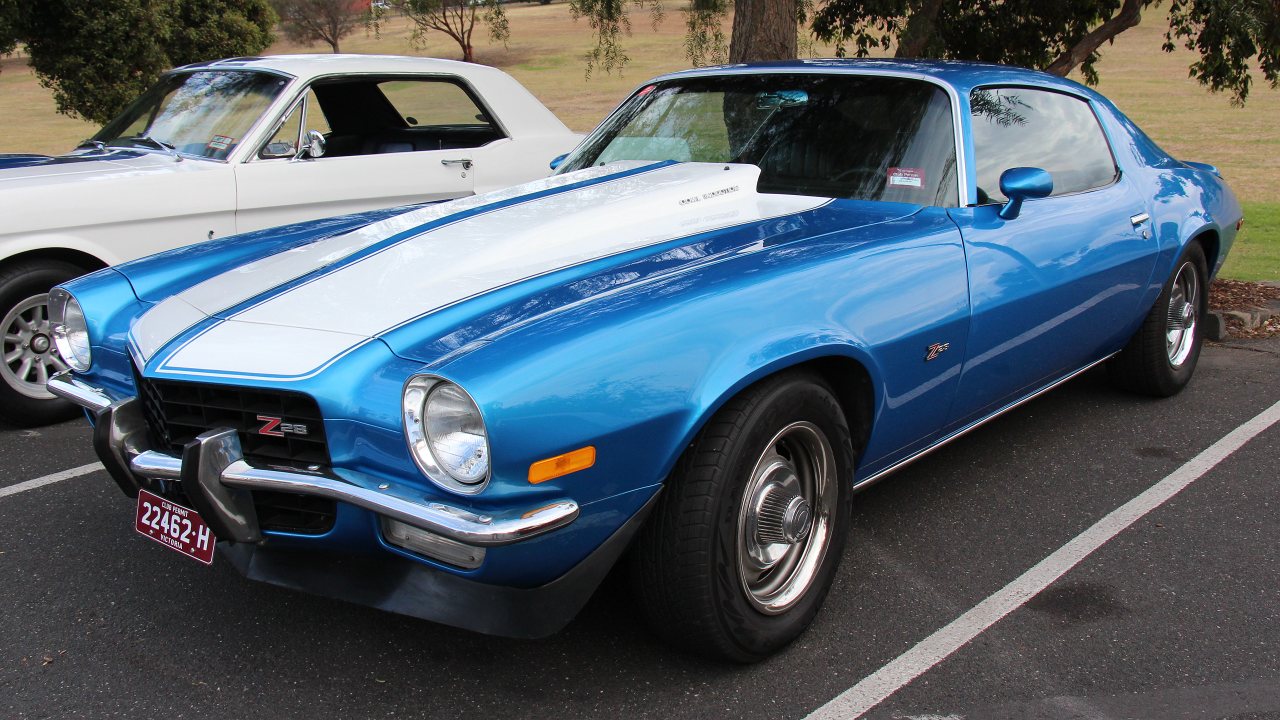
Even the high-performance variants, such as the Z28, leaned on robust, well-understood components rather than fragile technology. A close look at a 1970 Camaro Z28 highlights how the car combined a muscular small-block V-8 with a chassis tuned for real-world driving, resulting in a package that enthusiasts still describe as a “second generation beast” that can be enjoyed on modern roads. That blend of power and usability, captured in detailed walkarounds of specific 1970 Camaro Z28 examples, helps explain why these cars have not been relegated to static museum pieces but instead continue to rack up miles in the hands of owners who value both performance and mechanical simplicity, as seen in enthusiast videos that showcase the 1970 Camaro Z28 as a standout Camaro.
From period punchline to enthusiast favorite
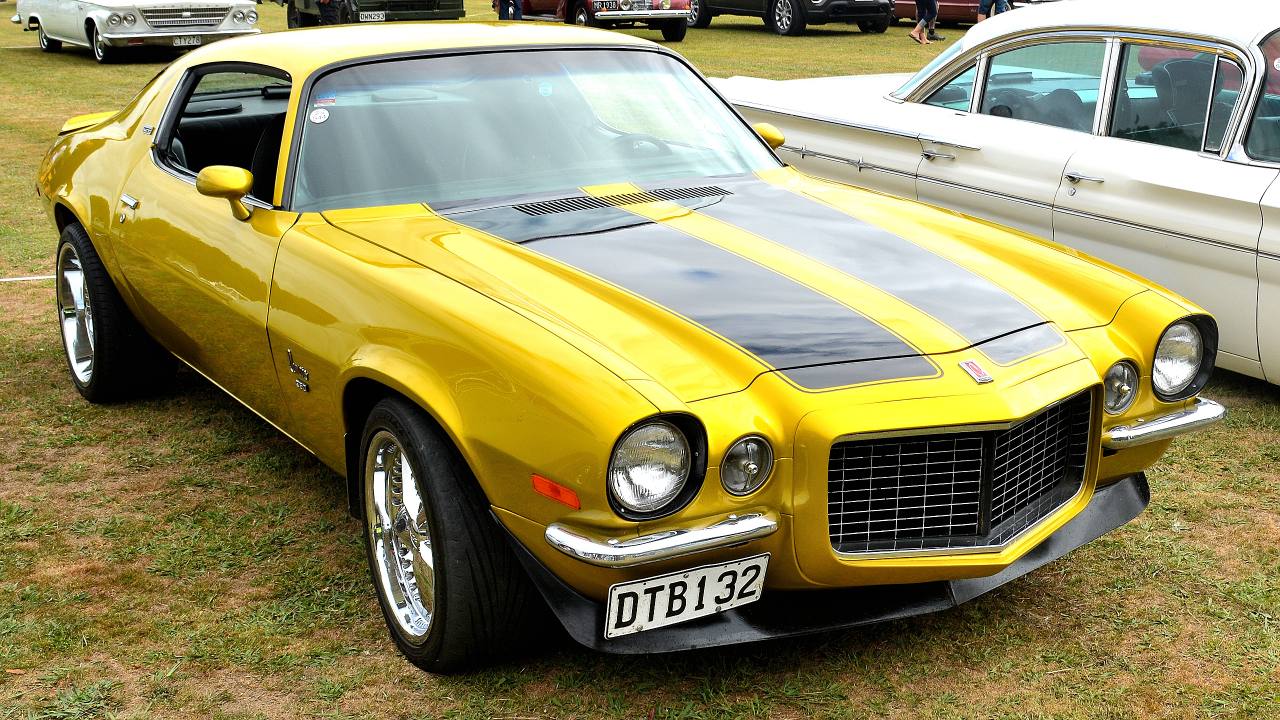
For a long stretch, the second-generation Camaro carried the baggage of its era, from tightening emissions rules to the cultural shorthand of “malaise” performance. Yet as the earliest cars crossed into true classic territory, a reassessment began. Enthusiasts who grew up seeing these coupes on the street now seek them out, and some argue outright that the second generation was the best Camaro design, pointing to the way early models combined clean lines with serious performance potential. In those discussions, owners talk about extracting “crazy horses” from the engines and celebrate the car as the definitive ride of the disco period, a shift in tone that shows how nostalgia and hindsight have reframed what once seemed like compromises into authentic period character, as reflected in recent debates over why the second generation might be the best Camaro.
That reevaluation is not just theoretical. Owners are driving these cars hard and far, treating them as real machines rather than fragile collectibles. One driver recounts taking a Camaro from the mountains to the sea, using it as a genuine long-distance companion rather than a trailer queen. Another enthusiast video frames the second generation as a “game changer for Chevy,” starting with a 1970 Chevrolet Camaro and using it to illustrate how the car’s balance of comfort, power, and style still works in modern traffic. Those lived experiences, captured in footage of a Chevrolet Camaro covering serious ground and in commentary that labels the second generation a turning point for the brand, show how the car’s usability has helped it outlast the stereotypes that once clung to 1970s Chevrolet Camaro models.
How modern Camaros keep validating the original vision
One of the clearest signs that the second-generation Camaro has aged better than expected is how much of its DNA shows up in later cars. When Chevrolet revived and updated the Camaro in the twenty-first century, designers did not simply photocopy the first-generation pony car. Instead, they blended cues from multiple eras, and close observers have noted that the modern car looks back to the 1970 redesign as much as to the original. A detailed examination of a 1970 Camaro RS points out that the modern Camaro acknowledges its predecessor, which itself had been a rushed Mustang copy, and then argues that the 1970 car’s fresh look remains relevant today, effectively positioning the second generation as the true stylistic anchor for the nameplate rather than a detour, as seen in analyses that compare the 1970 Camaro RS to both the earlier Camaro and the contemporary Camaro.
That continuity is also visible in how enthusiasts talk about the car’s stance and driving feel. Early reactions to the second-generation model praised its “lean and taut” shape and futuristic presence, language that could easily apply to the way fans describe the latest iterations. The nickname “Super Hugger,” originally attached to the second generation, reads today like a mission statement for every performance Camaro that followed, emphasizing grip, poise, and a planted footprint. Historical overviews that introduce the second generation under the “Super Hugger” banner and recount how the Camaro’s basic mechanical layout stayed familiar while the body and tuning evolved help connect the dots between the 1970 car and its descendants, reinforcing the idea that what looked radical at launch has become the brand’s core identity, as documented in model histories that detail how the second-generation Camaro was dubbed Super Hugger and treated as an all-new car.
Why the second generation’s moment is now
As collector attention and prices climb for first-generation muscle cars, the second-generation Camaro occupies a sweet spot where design credibility, mechanical robustness, and cultural cachet intersect. The earliest 1970 models, including the Z28 and RS variants, showcase the purest expression of the new shape and the most performance-focused hardware, which is why they feature so prominently in enthusiast videos and deep-dive articles. A 1970 Camaro Z28, for example, is often presented as the archetype of the era, with its aggressive stance and track-ready tuning, while a 1970 Camaro RS is held up as proof that the styling has not lost its edge. Those specific cars, highlighted in walkarounds and retrospectives, give the broader generation a set of heroes that anchor its reputation, as seen in coverage of the 1970 Camaro Z28 and the 1970 Chevrolet Camaro RS.
At the same time, later “disco nose” cars are finally being appreciated on their own terms, not just as cheaper stand-ins for earlier models. Owners who once might have shaved off the period details now lean into them, celebrating the way these cars capture the look and feel of the late 1970s while still delivering the driving experience of a true Super Hugger. Online discussions that defend the second generation as the best Camaro design, even while acknowledging the polarizing front end, show how the community has moved from apology to pride. Combined with the car’s straightforward engineering, accessible parts, and deep well of shared knowledge around engines like the Turbojet “396,” that cultural shift helps explain why the second-generation Camaro has not faded into obscurity but instead stands taller with each passing year, supported by historical accounts of Chevrolet’s big-block Chevrolet strategy and by present-day enthusiasts who keep driving these cars from the mountains to the sea.
More from Fast Lane Only: