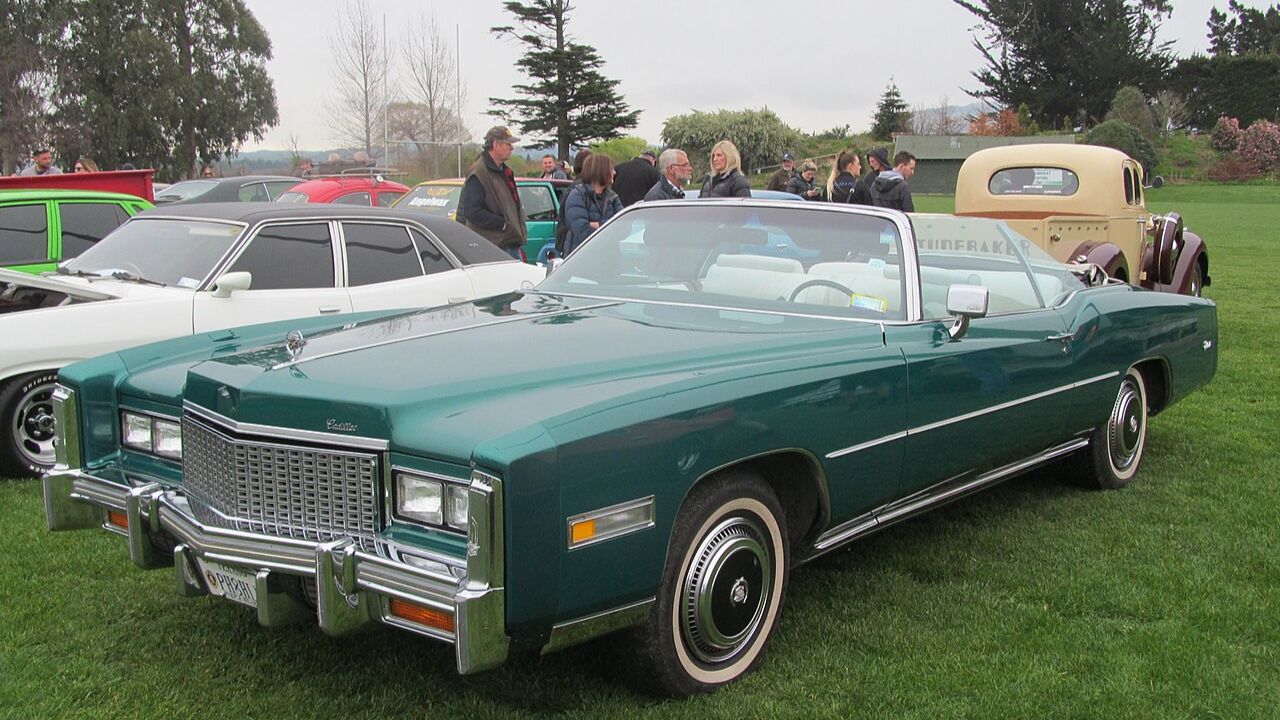
The 1976 Cadillac Eldorado, often hailed as the pinnacle of American automotive luxury, symbolizes the culmination of an era defined by excess, grandeur, and unmatched craftsmanship. As the final model of the classic Eldorado line, it represents the end of an age where American automobiles were synonymous with opulence and power.
The Legacy of Cadillac
Cadillac has long been synonymous with luxury, representing the pinnacle of American automotive engineering and design. Founded in 1902, Cadillac quickly established itself as a leader in the luxury car market, introducing innovations that would set the standard for the industry. The introduction of the Eldorado in 1953 marked a significant milestone for the brand, showcasing a blend of cutting-edge technology and luxurious features that would become hallmarks of Cadillac vehicles. Over the years, the Eldorado evolved, with each new generation reflecting changing tastes and advancements in automotive design.
The Eldorado became more than just a car; it became a cultural icon. It was associated with the American Dream, representing success and prosperity. Cadillac’s presence in American culture was cemented by its appearances in films, music, and advertisements, where the vehicle was often portrayed as a symbol of status and achievement. The brand catered to a clientele that valued prestige, and the Eldorado was its crown jewel, embodying the lavish lifestyle that many aspired to achieve.
Design and Features of the 1976 Eldorado
The 1976 Cadillac Eldorado is notable for its distinctive styling, which has become a defining characteristic of the model. The iconic front grille, complete with the Cadillac crest, commands attention, while the elongated body and prominent tailfins evoke a sense of grandeur. The Eldorado’s design reflects an era when automotive aesthetics prioritized boldness and flair, making it a standout in a world increasingly focused on practicality.
Inside, the 1976 Eldorado offered a luxurious sanctuary for its passengers. Leather upholstery enveloped the seats, while wood accents added a touch of warmth and sophistication. Advanced technology for its time, including an AM/FM stereo radio and power-adjustable seats, catered to the needs of discerning drivers and passengers alike. The convertible model of the Eldorado, with its retractable roof, provided an exhilarating open-air driving experience, making it particularly appealing to those who enjoyed the freedom of the road. As noted in this detailed overview of the Cadillac Eldorado, the 1976 model encapsulated the luxury and innovation that Cadillac was known for.
Performance Specs
Under the hood, the 1976 Eldorado boasted a powerful 500 cubic inch (8.2 liters) V8 engine, delivering impressive horsepower and torque that made driving a truly exhilarating experience. The engine produced 190 horsepower, providing ample power for a vehicle of its size. The Eldorado’s front-wheel-drive layout was particularly noteworthy, as it allowed for better handling and a more spacious interior. The combination of power and handling made the Eldorado a joy to drive, whether cruising down the highway or navigating city streets.
When compared to contemporaneous vehicles, the Eldorado held its own in terms of performance. While smaller cars were beginning to dominate the market due to rising fuel prices and changing consumer preferences, the Eldorado remained a symbol of power and prestige. The ride quality was smooth, and the car’s weight contributed to a feeling of stability on the road. This blend of performance and comfort positioned the Eldorado as a standout in the luxury segment, even as the automotive landscape began to shift dramatically.
Cultural Impact and Symbolism
The 1976 Cadillac Eldorado transcended its role as merely a vehicle; it became a symbol of luxury and American success. In the mid-1970s, as the country faced economic challenges and shifting cultural dynamics, the Eldorado was often viewed as a beacon of hope and aspiration. It represented the height of American automotive achievement at a time when many were questioning the future of the industry. Its presence in popular media, including films and music, further solidified its iconic status. The Eldorado was featured in movies like “The Godfather” and “The Great Gatsby,” where it epitomized wealth and sophistication.
The public perception of the Eldorado during the mid-1970s was complex. On one hand, it was celebrated for its luxury and performance; on the other, it faced scrutiny as society began to embrace more fuel-efficient vehicles in response to the oil crisis. Yet, the allure of the Eldorado remained strong, as it continued to resonate with those who dreamt of the American Dream. Its role in the zeitgeist of the 1970s serves as a reminder of a time when American automakers ruled the roads and the Eldorado stood tall as a testament to their craftsmanship.
The Context of the 1970s Automotive Industry
The 1970s were a turbulent decade for the automotive industry, characterized by significant challenges and transformations. The oil crises of 1973 and 1979 prompted a dramatic shift in consumer preferences, with buyers increasingly gravitating towards smaller, more fuel-efficient vehicles. As the demand for gas-guzzlers like the Eldorado waned, Cadillac faced mounting pressure to adapt to the changing market dynamics.
In response to these challenges, Cadillac began to rethink its approach to vehicle design and marketing. The company recognized the need to balance luxury with efficiency, leading to a gradual evolution of its product lineup. While the 1976 Eldorado represented the last of the classic era, it also marked the beginning of a new phase for Cadillac. The company would later introduce models that better aligned with the shifting consumer expectations, ultimately paving the way for the resurgence of the brand in the 1980s and beyond. As explored in this in-depth analysis, the transformations of this era were crucial in shaping the future of Cadillac and the luxury automobile segment.
The End of the Classic Eldorado Line
The discontinuation of the Eldorado after the 1976 model year marked a significant turning point in automotive history. The decision was driven by a combination of factors, including changing consumer preferences, rising fuel prices, and stricter regulations. The Eldorado, once the epitome of luxury, was no longer aligned with the market’s direction, leading Cadillac to pivot towards new designs and concepts.
The significance of the 1976 model year cannot be overstated; it represents the last of its kind, a final nod to the opulent tradition that Cadillac had established. Following its discontinuation, Cadillac introduced a series of models that reflected a shift towards more compact and fuel-efficient designs. This transition would ultimately redefine the brand’s identity, blending luxury with a newfound emphasis on practicality. The legacy of the Eldorado, however, continues to resonate with enthusiasts and collectors, serving as a reminder of an era defined by grandeur and American automotive prowess.
Collectibility and Nostalgia
Today, the 1976 Cadillac Eldorado enjoys a special place in the hearts of car collectors and enthusiasts. As the last model of its generation, it possesses a unique charm that captivates those who appreciate classic American automobiles. Current market values for the Eldorado can vary significantly based on condition, mileage, and originality, but well-maintained examples often command impressive prices at auctions and private sales.
The nostalgia surrounding the Eldorado is fueled by memories of a bygone era characterized by luxury and excess. Many collectors are drawn to the vehicle not only for its aesthetic appeal but also for what it represents: a time when American cars were built with a focus on comfort, style, and performance. The Eldorado stands in stark contrast to the more practical vehicles that dominate the market today. For those interested in classic cars, the Eldorado remains a sought-after piece of automotive history, often compared to other iconic models from the same period. The collectibility of the Eldorado is a testament to its enduring legacy and the nostalgia it evokes for a time when luxury was paramount.
Restoration and Maintenance
Owning a classic 1976 Eldorado comes with its own set of challenges, particularly when it comes to restoration and maintenance. Many enthusiasts find the process rewarding but also recognize the potential pitfalls. Common challenges include sourcing original parts, which can be difficult due to the vehicle’s age. Additionally, maintaining the car’s performance and aesthetics requires careful attention to detail and a commitment to preserving its legacy.
For those looking to restore their Eldorado, there are numerous resources available, including online forums and communities dedicated to classic Cadillac enthusiasts. These platforms provide valuable information on restoration techniques, parts sourcing, and maintenance tips. Engaging with fellow collectors can also enhance the ownership experience, fostering a sense of camaraderie among those who share a passion for classic cars. The journey of restoring a 1976 Eldorado can be both fulfilling and educational, allowing owners to connect with the history of the vehicle while keeping its legacy alive for future generations.
The 1976 Eldorado’s Place in Automotive History
The discontinuation of the 1976 Cadillac Eldorado carries broader implications for American automotive culture. It serves as a poignant reminder of a time when luxury and excess reigned supreme, as well as a reflection of the industry’s evolution in response to economic and social changes. The Eldorado embodies both the height of American automotive achievement and the beginning of a new era, where practicality began to outweigh opulence.
As future generations look back on the 1976 Eldorado, they will likely view it as a significant marker in the history of American automobiles. It stands as a testament to the craftsmanship and innovation that defined its era, while also highlighting the challenges that led to a transformation in the automotive landscape. The Eldorado’s legacy endures, reminding us of the complexity of American automotive history and the ever-changing nature of consumer preferences.
More from Fast Lane Only