The 1983 Chrysler LeBaron arrived at a moment when its parent company desperately needed more than a competent car. Chrysler needed a symbol, something that could project confidence and style even while the balance sheet still looked shaky. The LeBaron, especially in convertible form, leaned hard into image, selling a feeling of personal luxury and sun‑belt glamour that went well beyond its humble K‑car bones.
When I look back at that car now, I see less a spec sheet and more a carefully staged performance. From its heritage‑laden name to its landau‑top styling cues and “personal car” positioning, the 1983 LeBaron was engineered to reassure buyers that Chrysler still knew how to do classy, even if the underlying hardware was ruthlessly practical.
From coachbuilt surname to K‑car savior
The LeBaron name carried a long shadow by the time it landed on a compact front‑drive Chrysler. Earlier in the century, the Leber name had been tied to high‑end coachwork, and Chrysler eventually absorbed that legacy when it bought Briggs, quietly inheriting a badge that sounded expensive even when the cars wearing it were not. A later look back at how the Chrysler Learon story unfolded traces how Chrysler revived the label in the late 1970s, turning it from a coachbuilder’s signature into a mainstream model line that could be stretched and reshaped as corporate needs changed, which set the stage for the 1983 version to trade on history while riding on a very modern platform.
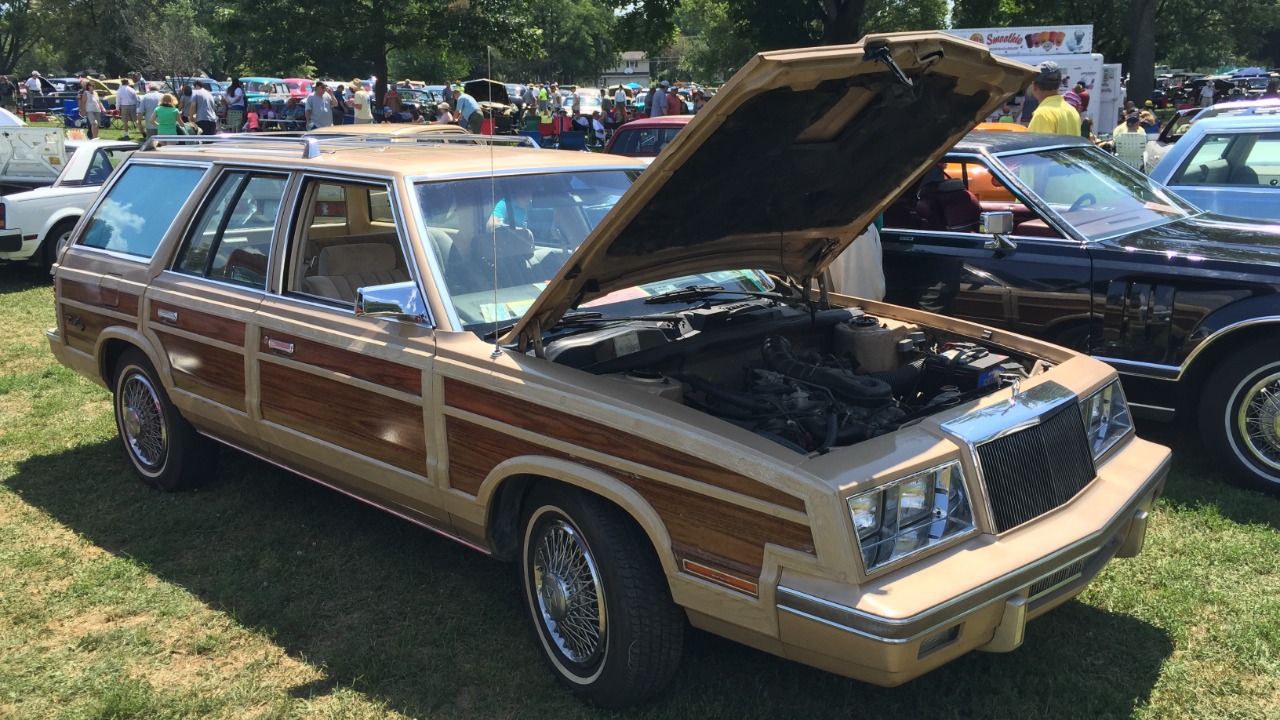
By the early 1980s, those needs were stark. Some Mopar enthusiasts still bristle at the idea, but even they acknowledge that the K‑Car platform helped pull Chrysler out of a free‑fall toward oblivion, giving the company a compact, efficient base that could be spun into sedans, wagons, and more image‑driven variants. A 1982 LeBaron finished in what one owner called “vanilla cream pie” shows how a simple K‑Car could be dressed up with a wing and trim to become something aspirational, and that same formula underpinned the 1983 models that leaned even harder into style and perceived prestige.
Brougham cues and “personal car” promises
Chrysler did not stumble into the LeBaron’s look, it curated it. The company had been refining a particular flavor of American plush since at least the late 1970s, when the LeBaron coupe could be ordered with every luxury styling cliché in the book. Period descriptions of that 1979 two‑door note that, Yes, it could be had with a landau top, opera lamps, opera windows, pinstriping, and all the trimmings, a checklist of visual signals that told neighbors this was not just basic transportation. Those cues migrated forward, so by 1983 the LeBaron still wore formal rooflines, bright trim, and padded vinyl in ways that made a compact car read as a downsized Brougham rather than a cost‑cutting special.
The marketing language followed suit. Chrysler pitched the LeBaron as “a personal car. A road car. A new size Chrysler,” a line that framed the downsizing not as retreat but as sophistication, connecting the modern K‑based LeBaron to a lineage that stretched back to 1931. That positioning mattered, because it invited buyers to see the 1983 LeBaron as a continuation of Chrysler’s traditional luxury values in a more manageable package, rather than a desperate response to fuel crises and corporate losses. In that sense, the car’s chrome, vinyl, and opera glass were not just decoration, they were armor against the perception that Chrysler had been forced into smallness.
The convertible: Fun in the Sun on a budget
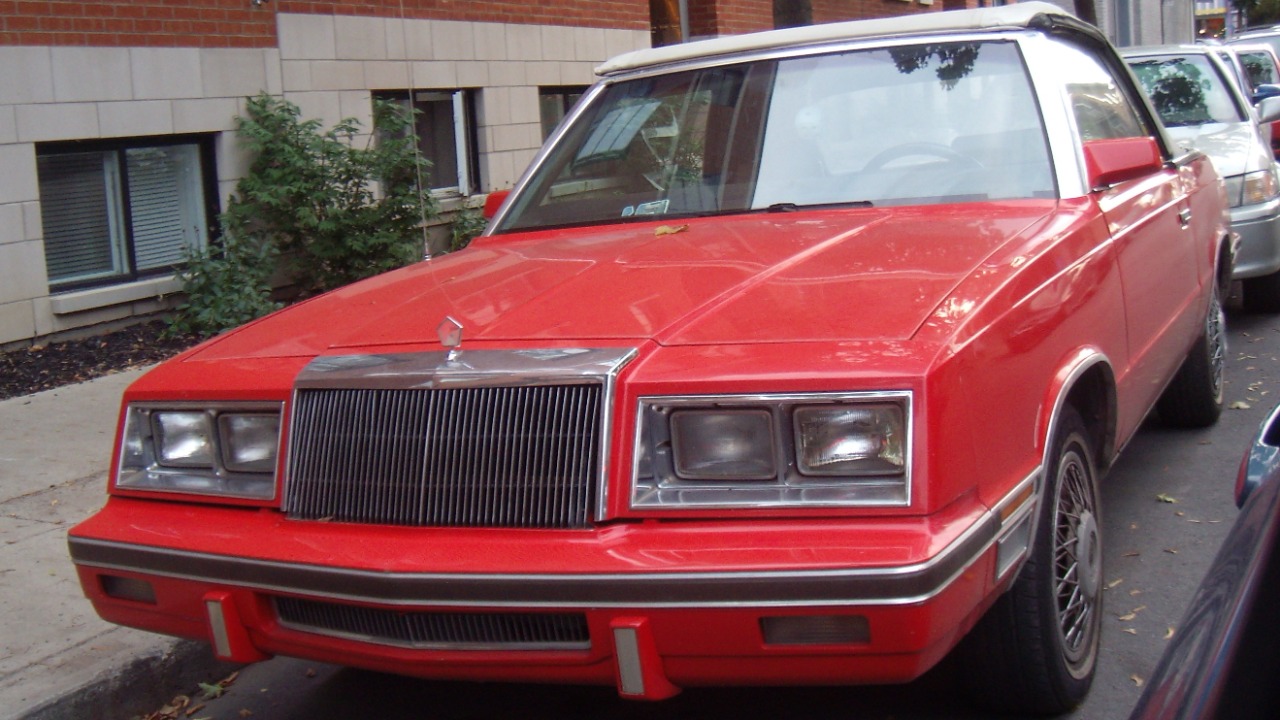
Nothing captured the LeBaron’s image play better than the convertible. At a time when domestic ragtops were rare, the 1983 Chrysler LeBaron Convertible promised Fun in the Sun, K‑Car style, turning a practical front‑driver into a beach‑town status symbol. One enthusiast’s account of buying a COAL: 1983 Chrysler LeBaron Convertible describes how a simple Saturday appointment turned into a long‑term relationship with a car that delivered open‑air pleasure without European prices, proof that the formula resonated with real buyers who wanted the look and feel of a classic American convertible in a more efficient wrapper.
The very existence of that convertible owed something to the broader industry’s stop‑start relationship with open cars. When Cadillac wound down its own traditional convertibles after a final run of 200 cars, it helped create a sense that the era of big American ragtops was over, leaving a gap for someone willing to repackage the idea. Chrysler stepped into that space with the LeBaron, using the K‑Car’s structural simplicity and low cost to bring the format back, then layering on bright colors, padded tops, and chrome to make the car feel like a small slice of resort life. The 1983 model rode that wave, selling the fantasy of coastal cruising even if most of them spent their days in suburban traffic.
Sharing the spotlight with Imperial and minivans
The LeBaron did not carry Chrysler’s image burden alone. At the top of the range, the 1981 to 1983 Imperial coupe tried to revive a storied nameplate with high technology and jewelry‑like details, including Cartier crystals embedded in its opera windows, a flourish that underlined how seriously Chrysler still took visual theater. A detailed history of that Imperial notes that the car’s fuel injection and electronics were ambitious but finicky, and that the project was limited to 36 months of production, which made the LeBaron’s more modest, K‑based glamour look pragmatic by comparison.
At the other end of the spectrum, Chrysler was quietly preparing something even more transformative. The company’s first front‑drive minivans rolled off the line in November of the mid‑1980s, and they have since been described as the vehicle that arguably saved a car company and became a cultural icon, reshaping family transport in the process. Those vans shared K‑Car DNA with the LeBaron, and when I line them up in my mind, I see a strategy emerging: the minivan carried the practical load, while the LeBaron, especially in convertible and Brougham‑trimmed forms, carried the emotional one, reassuring buyers that efficiency did not have to mean giving up on style.
Why the joke car still matters
For all that careful positioning, the LeBaron has also been the butt of jokes. A later video essay on how the Chrysler LeBaron became the car everyone laughed at traces how the name went from coachbuilt prestige to sitcom punchline, and how the gap between the K‑Car reality and the luxury image made it an easy target. Another retrospective on the Chrysler Learon story points out that the badge survived multiple reinventions, from rear‑drive Brougham to front‑drive compact, which sometimes left the car feeling like a costume party where the outfit no longer matched the occasion.
Yet when I sift through those critiques, I keep coming back to how deliberately Chrysler used image as a survival tool. Some Mopar loyalists may wince at the memory of padded vinyl and fake wire wheels, but the same K‑Car architecture that underpinned the LeBaron also supported the minivans that helped stabilize the company, and the LeBaron’s styling flourishes gave that hardware a friendlier, more aspirational face. Even the enthusiast who chronicled a COAL: 1983 Chrysler LeBaron Convertible Fun in the Sun experience ultimately treated the car with affection, not irony, which tells me that the image Chrysler sold in 1983 still lands for people who lived with the car.
When I think about the 1983 Chrysler LeBaron now, I see a compact front‑driver that punched above its weight in the showroom by leaning into every visual and emotional trick Chrysler had learned over decades of building Broughams, Imperials, and coachbuilt specials. It borrowed the Leber name from Briggs, echoed the opera lamps and landau tops that had once framed big‑block coupes, and wrapped it all around a K‑Car that, along with those early minivans, helped keep the company alive. The jokes may linger, but so does the lesson: in hard times, image is not a luxury, it is part of the engineering.
More from Fast Lane Only: