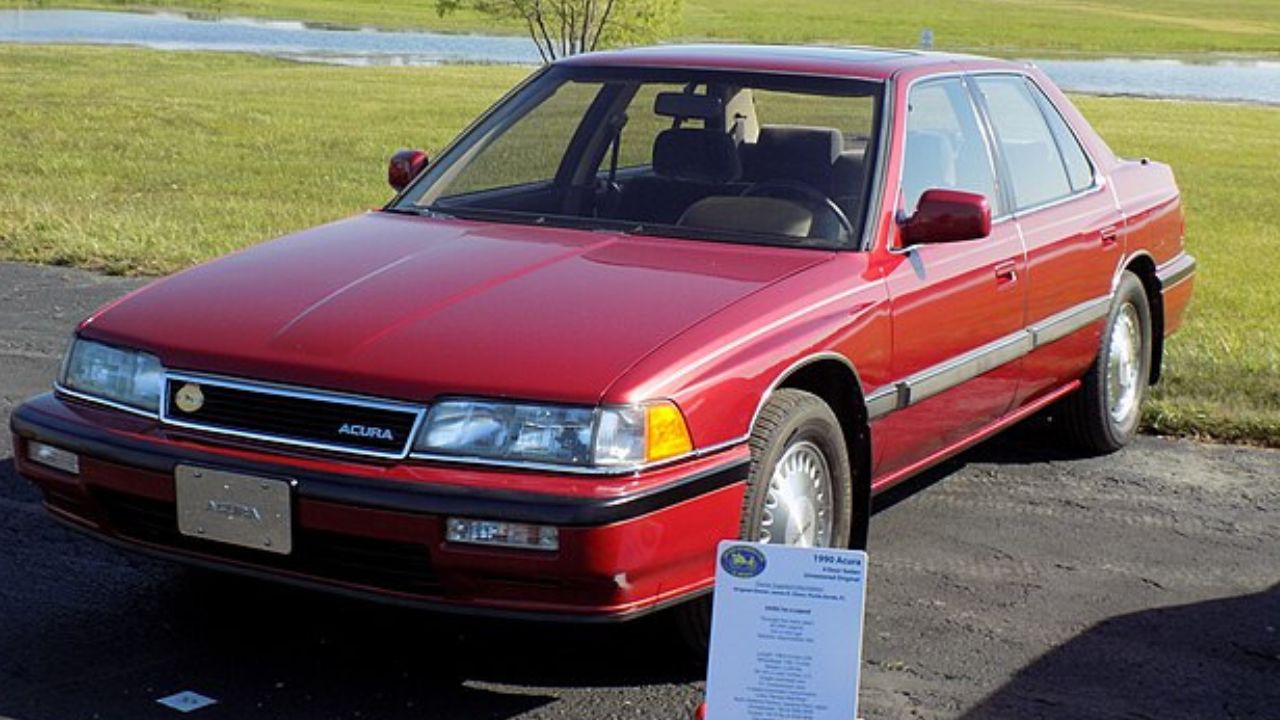
The 1989 Acura Legend arrived at a moment when luxury usually meant chrome, bulk, and a badge that had been around for generations. Instead of copying that script, it quietly suggested something different: a car that felt premium because of how thoughtfully it was engineered, not because it shouted about status. In doing so, it helped define a new kind of upscale car that prized precision, subtlety, and everyday usability as much as leather and wood.
That shift did not happen overnight, and it did not rest on styling alone. The 1989 model crystallized ideas Acura had been refining since the Legend’s debut, from its V6 powertrain to its clean interior and disciplined build quality. Put together, those choices made the Legend feel like a new answer to an old question: what should luxury actually do for the person behind the wheel?
The foundation of a different luxury playbook
When Honda created Acura, it was stepping into a space already dominated by European and American nameplates, yet it chose to build its new division around a car that blended size, comfort, and technology in a way that felt almost modest. The Legend’s combination of dimensions, refinement, and engineering helped form what one account calls The Foundation of Acura, giving the brand credibility in a market where Today, Japanese luxury names like Acura, Infiniti, and Lexus are now taken for granted. Instead of chasing ostentatious styling, the Legend leaned on quiet competence, which turned out to be a powerful way to win over buyers who cared more about how a car felt to drive than how it looked parked at a restaurant.
That approach mattered because it arrived as other companies were still figuring out how to translate comfort and prestige into something more accessible. In Australia, for instance, The LTD was designed to be an Australian-built affordable luxury car, positioned as a flagship above a locally assembled Galaxie, a reminder that carmakers everywhere were wrestling with how to democratize high-end features without losing cachet. The Legend answered that challenge in a different way, using front-wheel drive, efficient packaging, and a focus on reliability to make premium feel attainable, a contrast that highlights how The LTD and the Acura took parallel but distinct paths to the same goal.
Honda’s first V6 and the power of quiet engineering
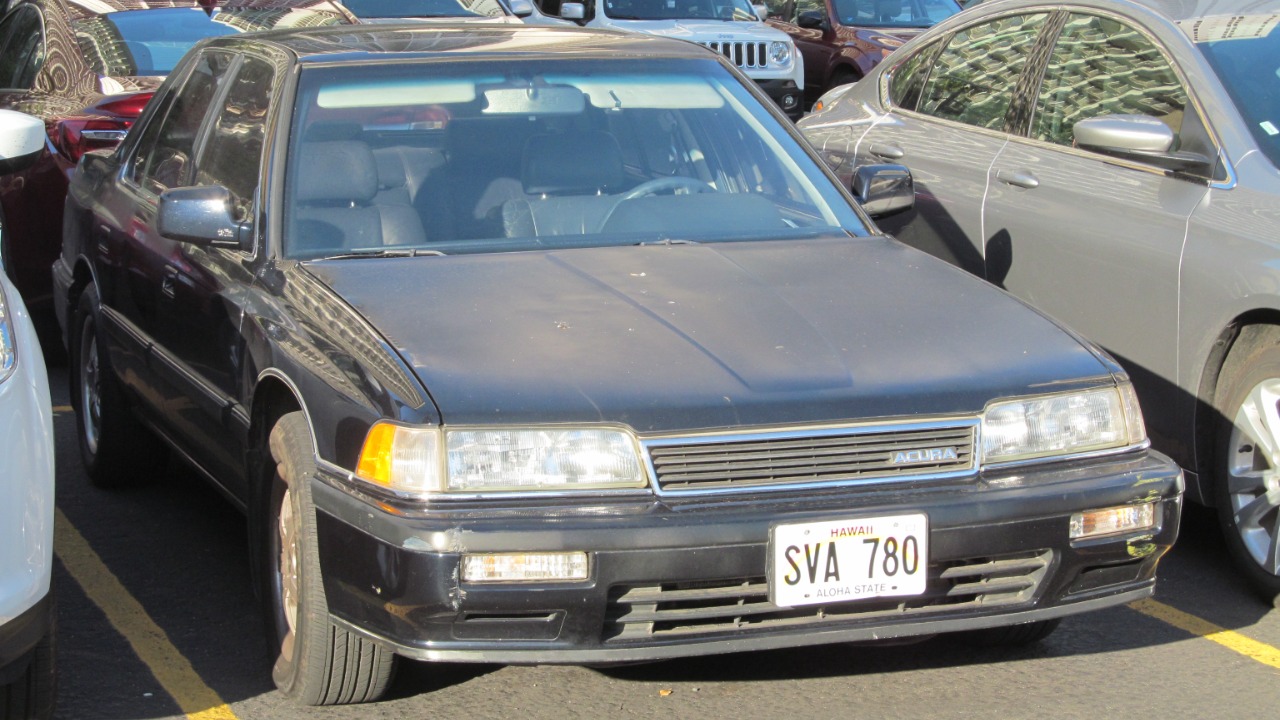
Under the hood, the Legend did something that signaled Honda was serious about playing in the luxury space. The car introduced a V6 that marked a turning point for the company, with one detailed history noting that the Acura Legend Gets Honda its first series-production V-6 Engine and that Under the hood American buyers saw a configuration they had never before associated with Honda. That move, documented in a technical overview of Acura Legend Gets Honda, gave the car the smoothness and torque expected of a luxury sedan while preserving the brand’s reputation for efficiency and mechanical polish.
By the time the 1989 model year arrived, the Legend’s powertrain story had matured. Coupes were already using a 2.7 liter SOHC 24 valve V6 rated at 161 horsepower and 162 pound feet of torque, an engine that sedans would not receive until 1988, and that same unit carried into the 1989 Acura Legend LS Coup. A period description of the Acura Legend LS Coup highlights how this Precision Crafted Personal Luxury package combined that larger V6 with a dedicated front wheel drive chassis, double wishbone suspensions, a widened rear track, and thicker stabilizer bars, all tuned to deliver a composed, almost European ride without sacrificing the everyday ease that had made Honda popular in the first place. The car, Sold for the 1986 to 1990 model years in its first generation, showed how a carefully chosen engine and chassis could make luxury feel engineered rather than simply styled.
Design that whispered instead of shouted
From the curb, the 1989 Legend did not rely on flamboyant flourishes, and that restraint was part of its appeal. Earlier in its run, the sedan had already evolved, with late 1988 updates for the 1989 model year bringing one piece front headlamps and other minor tweaks that subtly modernized the face without changing the underlying proportions. That kind of incremental refinement, captured in the model’s chronology on Acura Legend, reflected a confidence that the basic shape was right, a low hood and high deck wedge profile that echoed the Accord but carried more presence.
The coupe took that template and turned up the elegance. Its exterior used unique bodywork, a hardtop style greenhouse, and more steeply sloped front and rear windshields to create a sleeker silhouette, while the cabin followed the same philosophy of understatement. An enthusiast description notes that interiors were clean and functional, emphasizing good ergonomics and downplaying complex gadgets to minimize driver stress and fatigue, a far cry from the button-heavy dashboards that would define some later luxury cars. That focus on clarity and comfort is captured in a detailed look at how, Similarly, interiors were designed to be intuitive, a point illustrated in a period photo essay of Similarly ergonomic details.
Luxury as durability, not just décor
What really set the 1989 Acura Legend apart, in my view, was how it treated longevity as a core luxury feature. Owners who lived with these cars for years often talk less about gadgets and more about how solid they still feel, a sentiment echoed in period and modern feedback that describes the 1989 Acura Legends as very well built, with outstanding quality and a sense that Acura did not cut corners in design or assembly. Those impressions are backed up by consumer reviews that call the car a great car to buy even decades later, a theme that runs through owner commentary compiled on 1989 Acura Legends and that helps explain why so many examples are still on the road.
The company’s own policies reinforced that message. One contemporary report notes that Acura’s policy is to replace faulty seat belt parts for the life of the car, with An Acura dealer inspecting the system and performing work with proper tools and to factory specifications, a level of after-sale support that framed safety and durability as non negotiable. That commitment, detailed in a service focused piece on how Acura proved the Legend a durable, dependable choice, helped turn reliability into part of the luxury proposition, not just a side benefit.
The 1989 sweet spot and the legacy it left
By 1989, the Legend had reached a kind of sweet spot where its engineering, design, and market positioning all lined up. The LS sedan benefited from the upgraded 2.7 liter V6 that arrived in 1988, which added a variable length intake manifold and a useful bump in power, while the marketing leaned into the idea of an “Executive Sedan” that could stand toe to toe with established European rivals. A retrospective on the 1989 Acura Legend LS Sedan notes how that Nov era update sharpened the car’s performance without sacrificing refinement, capturing the moment when the Nov specification LS embodied Acura’s maturing identity.
The coupe, meanwhile, carried the brand’s “Precision Crafted Performance” ethos into a more personal package. A detailed profile of the 1989 Acura Legend LS Coupé describes it as Precision Crafted Personal Luxury, highlighting how it was Sold for the 1986 to 1990 model years as part of the first generation and how its standard equipment, from four wheel disc brakes to a sunroof and available leather, made it feel upscale without resorting to gimmicks. That same account of the Acura Legend LS Coup notes that the model helped define what a Japanese personal luxury coupe could be, marrying comfort and driver engagement in a way that still resonates with enthusiasts.
How the Legend reshaped expectations
Looking back now, it is clear that the Legend did more than simply give Acura a respectable first act. Its success showed that a Japanese luxury brand could thrive by focusing on engineering integrity and user friendly design, a template that would influence not only Acura but also rivals like Infiniti and Lexus. One analysis points out that the Legend’s mix of refinement and value helped solidify Acura’s reputation for innovation and that the car’s impact was significant enough that Acura may be different if not for the Legend, a point underscored in a reflection on How The Legend Got Itself About and how Honda used the car to anchor its new division.
The Legend’s story has also become part of enthusiast culture, kept alive in videos and retrospectives that celebrate its role in shaping modern expectations of Japanese luxury. One popular feature titled ACURA LEGEND, Everything You Need to Know, Speed, produced in Feb, walks through how the car captured the imagination of automotive and motorsports fans, tracing its influence from period road tests to its status as a cult classic. That narrative, preserved in a widely shared ACURA video, underlines how a car that once introduced a new luxury idea has become a touchstone for drivers who still believe that true premium value starts with how a car is built and how it makes you feel every day.
More from Fast Lane Only: