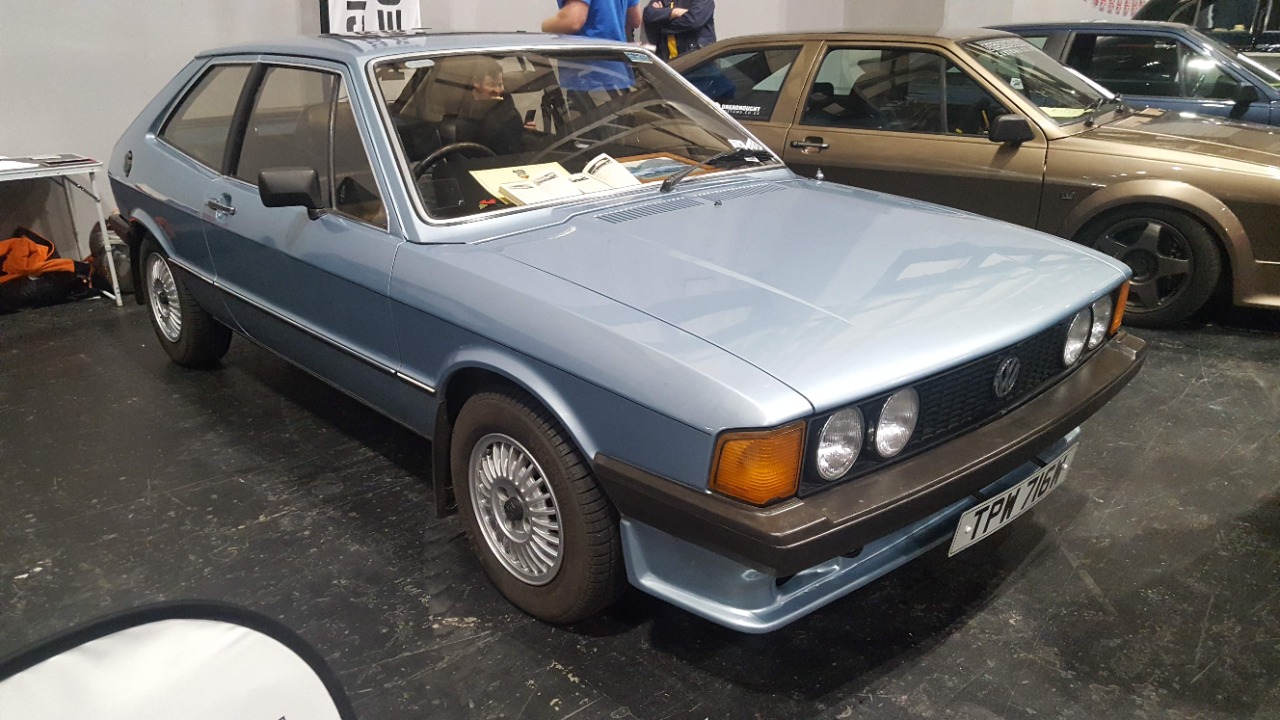
The 1981 Volkswagen Scirocco sits at a sweet spot where classic design, everyday usability, and genuine driving fun intersect. It is a car that still looks sharp in a modern parking lot, not because it shouts for attention, but because its proportions and details were so carefully judged. When I look at a clean example today, I see a shape that has slipped free of its era without losing the personality that made it stand out in the first place.
That lasting appeal is not an accident. It comes from a mix of Giorgio Giugiaro’s design discipline, Volkswagen’s shift toward efficient front wheel drive platforms, and the way later enthusiasts have kept the Scirocco’s story alive. To understand why the 1981 model in particular still feels stylish, I find it useful to trace how its lines were drawn, how its character was tuned, and how it continues to resonate with drivers who were not even born when it left the showroom.
The clean-sheet coupé that set the tone
Long before the 1981 Volkswagen Scirocco S became a poster car for thrifty performance, the first Mark I version had already laid down the visual template. The original car, introduced in the mid 1970s, was defined by clean lines and a lack of wasted swoops or decorative creases, a clarity that gave the compact coupé a purposeful stance even in basic trim, as period owners like Jun have recalled when describing The Mark I cars. That restraint meant the design could absorb small updates over the years without losing its identity, so by the time the 1981 model year arrived, the Scirocco still looked crisp rather than dated.
Underneath, the formula was equally forward looking. The Scirocco shared its basic front wheel drive layout with the Golf, but wrapped that practical hardware in a lower, sleeker body that made efficiency feel aspirational instead of frugal. Contemporary reviewers described the 1975 to 1981 range of the Volkswagen Scirocco as moving from a warm to a genuinely Hot Hatch, with the 1981 Volkswagen Scirocco S singled out as One of the most desirable combinations of light weight and usable power, a balance that helped the shape feel athletic rather than fragile and is still celebrated in The Warm hatch retrospectives.
Giugiaro’s timeless wedge, from Afric wind to Cybertruck echoes
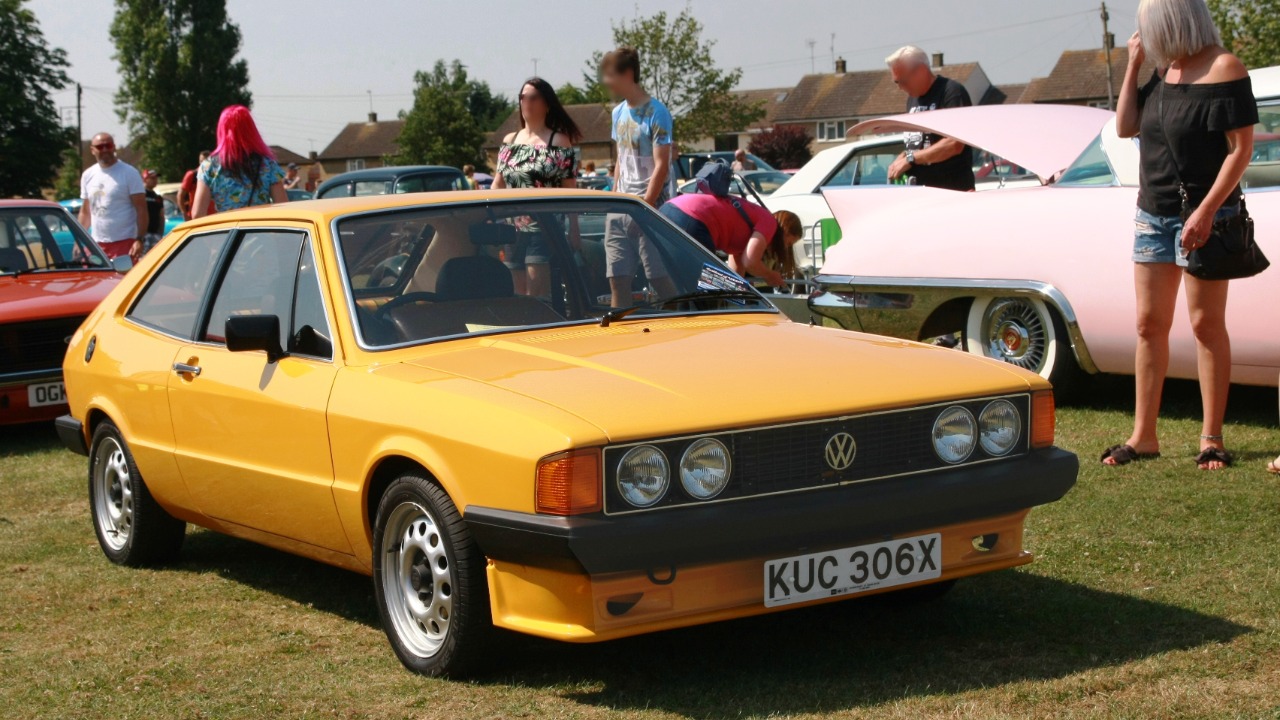
The Scirocco’s lasting style starts with its author. With its timelessly elegant body designed by Giorgio Giugiaro, who was also responsible for the first Golf, the coupé arrived in the compact segment like a gust of the hot Afric wind it was named after. The long, gently sloping hood, the upright glassy cabin, and the tight tail gave the car a wedge profile without resorting to extreme angles, a balance that the official Scirocco history still highlights as a defining trait.
What fascinates me is how that wedge language continues to ripple through car design. In a conversation about modern shapes, Maserati design chief Klaus Busse pointed out that Giugiaro’s wedge ideas are visible even in something as polarizing as the Cybertruck, a reminder that those crisp, geometric themes never really left the stage. When I look at an early Scirocco parked next to a contemporary electric crossover, the older car’s proportions feel more human and less aggressive, yet the lineage of sharp edges and clean surfaces that Giugiaro pioneered still reads as modern, a connection that designers themselves acknowledge when they discuss how Giugiaro influenced both Maserati and the broader move from voluptuous to angular forms in interviews about Giugiaro and the wedge era.
From Mk1 to Mk2, a design that evolved without losing its soul
By 1981, the Scirocco story was already at an inflection point. Enthusiast histories of the Volkswagen Scirocco (Mk1, 1974 to 1981) describe how the company’s transformation gathered pace as it shifted from air cooled rear engines to water cooled front wheel drive, and the coupé was one of the clearest expressions of that new direction. Commentators looking back from Jan have noted that the first generation’s proportions were so right that even as mechanical updates arrived, the basic stance hardly needed to change, which is why a late Mk1 from 1981 still looks of a piece with the earliest cars documented in Jan era reviews.
When the Mk2 Scirocco debuted later in 1981, it sharpened the wedge while keeping the essential silhouette. Owners of later cars, like Katie Bushell with her RADwood winning example, often point out that While the car she drives is a 1990 model, the Mk2 Scirocco is packed with 1980s archetypes, from its more pronounced wedge shape to its tartan like seat patterns. That continuity shows how strong the original idea was: the second generation could lean harder into the decade’s styling cues without abandoning the airy cabin and compact footprint that made the 1981 cars so livable, a link that comes through clearly in modern celebrations of the While the Mk2.
Driving character: peak sporty efficiency, not brute force
Style only lasts if the driving experience backs it up, and the 1981 Scirocco did not try to impress with brute force. Instead, it delivered what some owners have called peak sporty efficiency, combining modest displacement engines with light weight and tidy gearing so that the car felt eager at real world speeds. Period reflections on the 1981 VW Scirocco S describe how the car’s clean lines matched its straightforward dynamics, with no wasted swoops in the suspension tuning either, a philosophy that enthusiasts like Jun celebrate when they remember how their own cars, including one finished in Cirrus Gray Metallic, made every commute feel like a small event in Scirocco ownership.
That balance between usable performance and efficiency is part of why the shape still feels honest today. In an era when many sporty cars have swollen into heavy, overpowered machines, the idea of a compact coupé that makes the most of every horsepower feels refreshing. Later derivatives like the Volkswagen Shurco 16 valve, introduced for the 1988 model year, built on that template with more power while keeping the same basic footprint, and owners still describe these cars as super fun sporty compacts that the general public often forgets, a sentiment captured in modern video tours of the Volkswagen Shurco lineage.
How survivors and “new old stock” cars keep the look alive
One reason the 1981 Scirocco still feels stylish is that a surprising number of cars have survived in remarkably original condition. Enthusiasts occasionally unearth time capsule examples, including a brand new Volkswagen Shurocco from 1981 that had never been registered, a car that looked less like a survivor and more like a factory fresh snapshot of the era. Watching someone drive such a preserved Volkswagen Shurocco on modern roads, with its slim pillars and compact footprint, underlines how contemporary the design still appears in footage that documents this Shurocco anomaly.
At the same time, the car’s image has been burnished by the way it circulates in enthusiast culture. Social media posts invite people to Check out this vintage VW Scirocco GT Mk1 and Own a piece of automotive history today, framing the car as both aspirational and attainable. That mix of nostalgia and accessibility keeps the 1981 shape in front of new audiences, who may first encounter it as a pinned image of a Scirocco GT before recognizing one on the street.
For me, that is the final piece of why the 1981 Volkswagen Scirocco has stayed stylish. The car began with a disciplined design from Giorgio Giugiaro, evolved carefully through the Mk1 and Mk2 generations, and delivered a driving experience that matched its lean looks. Decades later, preserved survivors, enthusiast storytelling, and the ongoing influence of Giugiaro’s wedge language all work together to keep those tidy lines feeling current, proof that genuine style does not need to shout to be heard across time.
More from Fast Lane Only: