A Jeep driver’s attempt to free a stuck Wrangler in a Florida forest turned into a fast-moving wildfire that burned about 20 acres and triggered a multi-agency response. What began as a backcountry mishap quickly escalated into a costly lesson in how off-road improvising can collide with bone-dry conditions and strict fire rules.
The incident has become a case study in what can go wrong when drivers ignore basic recovery safety and treat public land like a private playground. It also comes at a time when wildfire seasons are lengthening and authorities are increasingly blunt about the risks posed by vehicles in parched forests.
What happened
According to state investigators, the chain of events began when a Jeep Wrangler became stuck on a sandy trail inside a Florida forest area that was already under high fire danger. Rather than wait for professional help, the driver and companions tried to extract the vehicle with improvised methods that involved spinning the tires and using recovery gear in an area carpeted with dry vegetation.
Officials say the Wrangler’s attempts to claw for traction generated intense heat at the wheels and undercarriage. In the loose, tinder-dry sand and brush, that heat was enough to ignite nearby grasses, which quickly caught and spread beyond the trail. Investigators later traced the ignition point to the Jeep’s recovery effort and ruled out lightning or other natural causes, tying the start of the blaze directly to the stuck vehicle.
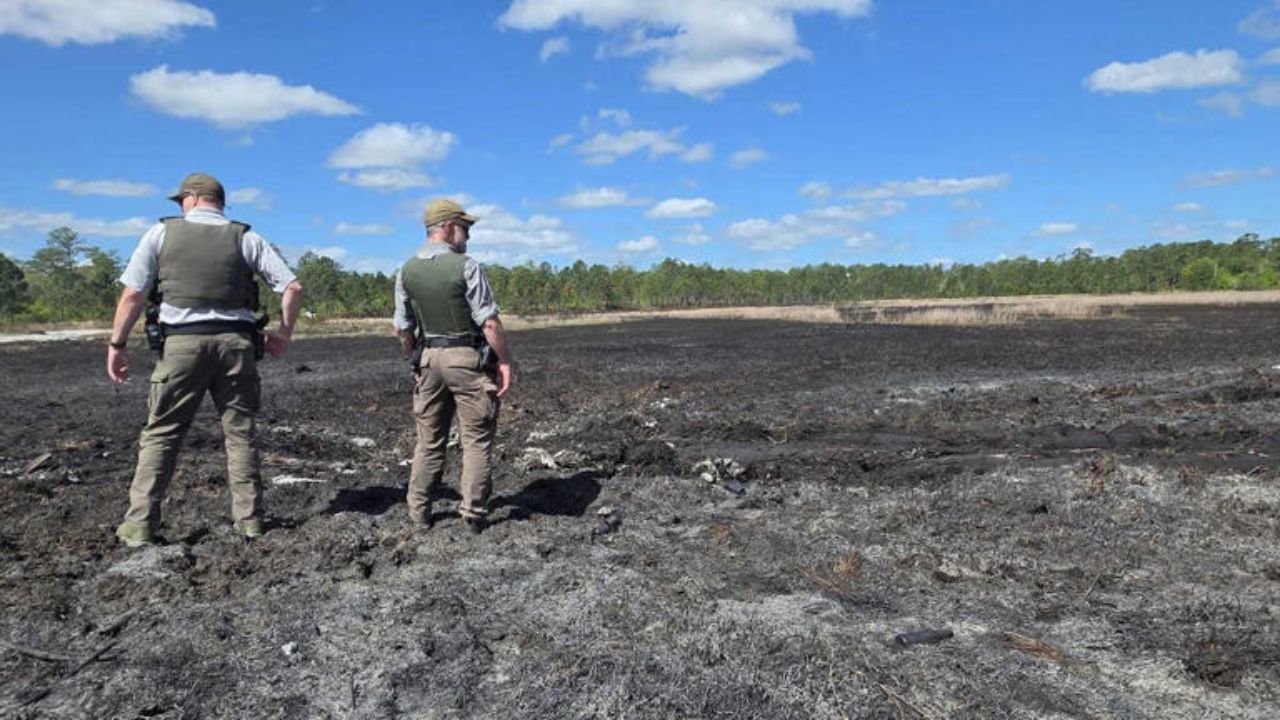
The resulting wildfire raced through roughly 20 acres of forest before crews could contain it. Firefighters from multiple agencies moved in with brush trucks, bulldozers, and aircraft to box in the flames and protect nearby recreation areas and habitat. The burn scar, while modest compared with massive Western fires, carved a visible brown swath through what had been green understory and palmetto scrub.
State forestry officers cited the Jeep driver for violations related to causing a wildfire and operating a vehicle in a way that created an unreasonable fire risk. The incident report describes a textbook example of how a single off-road mistake can escalate into a serious public-safety and environmental problem, especially when conditions are primed for ignition. Coverage of the stuck Jeep Wrangler details how quickly the fire grew once the dry fuel caught.
Authorities have not publicly identified the driver, but they have confirmed that the Wrangler was on an approved trail rather than in a closed area. The problem was not the destination, they argue, but the decisions made once the vehicle became immobilized. Instead of calling for a tow, the group kept working the throttle and recovery tools, prolonging the heat and friction that ultimately lit the brush.
Why it matters
On paper, a 20-acre fire might sound small. In practice, it is large enough to require a full wildfire response, threaten wildlife, and put firefighters at risk. Every acre burned in a preventable blaze pulls crews, engines, and aircraft away from other calls and stretches already thin budgets. In this case, the response included specialized wildland teams that had to cut fire lines through the forest to keep the flames from jumping into thicker timber.
Florida’s forests are especially vulnerable when prolonged dry spells line up with high temperatures and gusty winds. Even a modest ignition can run quickly through pine needles, saw palmetto, and wiregrass. Land managers have long warned that vehicles can be a major spark source, whether from hot exhaust systems, dragging metal, or spinning tires that superheat sand and vegetation. The Wrangler incident illustrates that risk in vivid detail, with a single stuck SUV triggering a blaze that scorched a sizeable patch of public land.
The fire also underscores a growing tension between the booming popularity of off-road recreation and the limits of fragile ecosystems. Modern 4x4s like the Jeep Wrangler, Ford Bronco, and Toyota 4Runner invite drivers to push deeper into forests and sand tracks. Social media feeds are filled with recovery videos that glamorize winch pulls, high-rev throttle bursts, and “send it” culture. Very little of that content dwells on the fire danger that comes with aggressive driving in dry brush.
For land agencies, each incident like this one provides political ammunition for stricter rules. When a single driver’s poor judgment forces a costly suppression effort, it strengthens the case for seasonal trail closures, higher fines, and tighter limits on where vehicles can travel. Local officials have already pointed to the Jeep fire as an example of why they post fire-danger signs and ask visitors to stay off certain routes during peak risk periods.
Insurance and liability questions also loom in the background. If a private vehicle starts a wildfire, the driver can face civil claims for suppression costs that easily reach into six or seven figures, even for relatively small burns. In some states, prosecutors can pursue criminal charges when negligence leads to a fire that threatens homes or injures firefighters. While this Florida blaze did not destroy structures or cause reported injuries, it fits the pattern of behavior that regulators are increasingly unwilling to tolerate.
The environmental toll, though less dramatic than a megafire, still matters. A 20-acre burn can destroy nesting sites, displace animals, and open the door for invasive plants to colonize the scar. Repeated small fires in popular recreation corridors gradually erode habitat quality and force wildlife to retreat. Land managers then face the dual task of restoring vegetation and repairing trails and signage damaged during the suppression push.
What to watch next
In the near term, attention will focus on whether the state seeks to recover firefighting costs from the Jeep driver or pursues any additional penalties. Agencies often weigh the severity of the damage, the driver’s cooperation, and the deterrent message they want to send to other off-roaders. A stiff bill or a high-profile case can signal that preventable vehicle-caused fires will carry real financial consequences.
Trail access policies are also likely to come under review. Officials may use this fire to justify temporary closures during extreme fire danger, mandatory fire-safety briefings at popular trailheads, or new signage that spells out the risks of spinning tires and parking over tall grass. Some forests have experimented with seasonal restrictions on motorized access when fuel moisture drops, a trend that could expand if incidents like this continue.
Off-road groups and clubs will be key players in what happens next. Many organized Jeep and 4×4 communities already promote “tread lightly” principles that emphasize staying on designated routes, avoiding sensitive areas, and minimizing environmental impact. The Florida fire gives those groups a fresh, concrete story to use in safety briefings and social media campaigns, especially around recovery techniques and when to call for professional help instead of improvising.
Manufacturers and aftermarket companies may also feel pressure to lean harder into safety messaging. Recovery gear makers already print warnings about proper use, but few consumers read the fine print. There is room for clearer guidance on how recovery attempts can create ignition risks in dry conditions, from wheel-spinning to using metal tools that can strike sparks on rocks.
On the enforcement side, more patrols are likely in high-risk seasons and more direct contact between rangers and drivers at trailheads. Officers can use those interactions to check for basic safety practices, such as carrying a fire extinguisher, a shovel, and recovery boards that reduce the need for high-rev digging. Some forests have begun treating vehicle fire risk the same way they treat campfire rules, with clear bans on certain behaviors when fire danger climbs.
The broader backdrop is a warming climate that is drying out vegetation for longer stretches of the year. As shoulder seasons shrink and “fire weather” becomes more common, activities that once seemed low risk start to look different. A stuck Jeep in damp spring soil might have been an inconvenience. The same scenario in a parched forest can become the spark for a wildfire that consumes acres in minutes.
More from Fast Lane Only