The C8-generation Chevrolet Corvette forced supercar makers to rethink how they define performance, value, and everyday usability. By moving its engine behind the driver and pairing exotic-car hardware with attainable pricing, the mid-engine Corvette reshaped expectations for what a modern American performance car should deliver.
From front-engine icon to mid-engine disruptor
Chevrolet treated the switch to a mid-engine layout as a fundamental reset of the Corvette’s mission rather than a styling exercise. Engineers moved the V8 behind the cabin to improve weight distribution, traction, and visibility, which transformed how the car attacked corners and launched from a standstill. Designers shortened the hood, stretched the rear deck, and carved out large side intakes, so the silhouette suddenly resembled European exotics more than traditional American muscle. Development teams benchmarked established supercars on track and highway, then tuned the chassis and aerodynamics until the Corvette matched or exceeded those performance targets at a fraction of the price. Interior packaging also changed dramatically, because the new layout allowed a more forward seating position and a cockpit that wrapped tightly around the driver.
Pricing strategy turned that engineering leap into a genuine market disruption rather than a niche experiment. Chevrolet positioned the base C8 Corvette close to the outgoing front-engine model, so buyers effectively received mid-engine dynamics without supercar-level sticker shock. Performance figures placed the car in direct conversation with far more expensive rivals, because the naturally aspirated V8 delivered rapid acceleration and strong track capability. Standard equipment included advanced driver aids, configurable digital displays, and dual-clutch transmission technology that previously appeared mainly in high-end European models. That combination of layout, performance, and attainable pricing pushed enthusiasts and reviewers to compare the Corvette directly with established supercars instead of treating it as a separate category.
Performance benchmarks that embarrassed pricier exotics
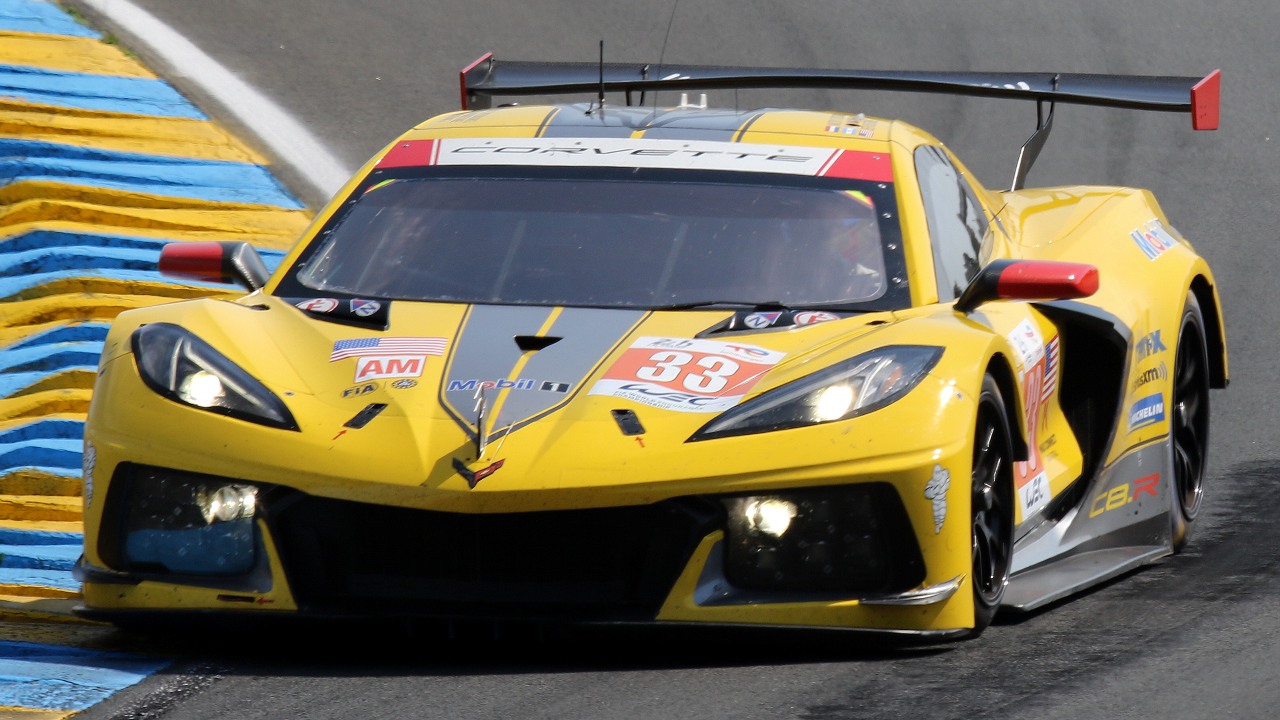
Track testing quickly showed that the C8 Corvette did not only look like a supercar, it performed like one under pressure. Independent instrumented runs recorded launch control sprints that rivaled or beat significantly more expensive mid-engine competitors. Lateral grip numbers and braking distances placed the car firmly in modern supercar territory, especially when equipped with performance-oriented tires and suspension packages. The dual-clutch gearbox shifted with a speed and consistency that manual transmissions could not match, which helped the Corvette post repeatable lap times during extended sessions. Cooling systems and brake hardware handled sustained abuse, so owners could drive to a circuit, run hard all day, and then cruise home comfortably.
Higher-performance variants pushed those benchmarks even further and widened the gap between price and capability. The Z51 package added upgraded brakes, stickier tires, and revised aerodynamics that sharpened responses on both road and track. Later, the Z06 introduced a high-revving V8 with a flat-plane crankshaft, which delivered power characteristics similar to European track specials. That engine paired with aggressive aero elements and wider rubber, so the car generated serious downforce and cornering grip. Lap times from reputable testing organizations placed the Z06 alongside or ahead of supercars costing substantially more, which reinforced the idea that the Corvette now competed directly with the segment’s elite.
Everyday usability that redefined supercar practicality
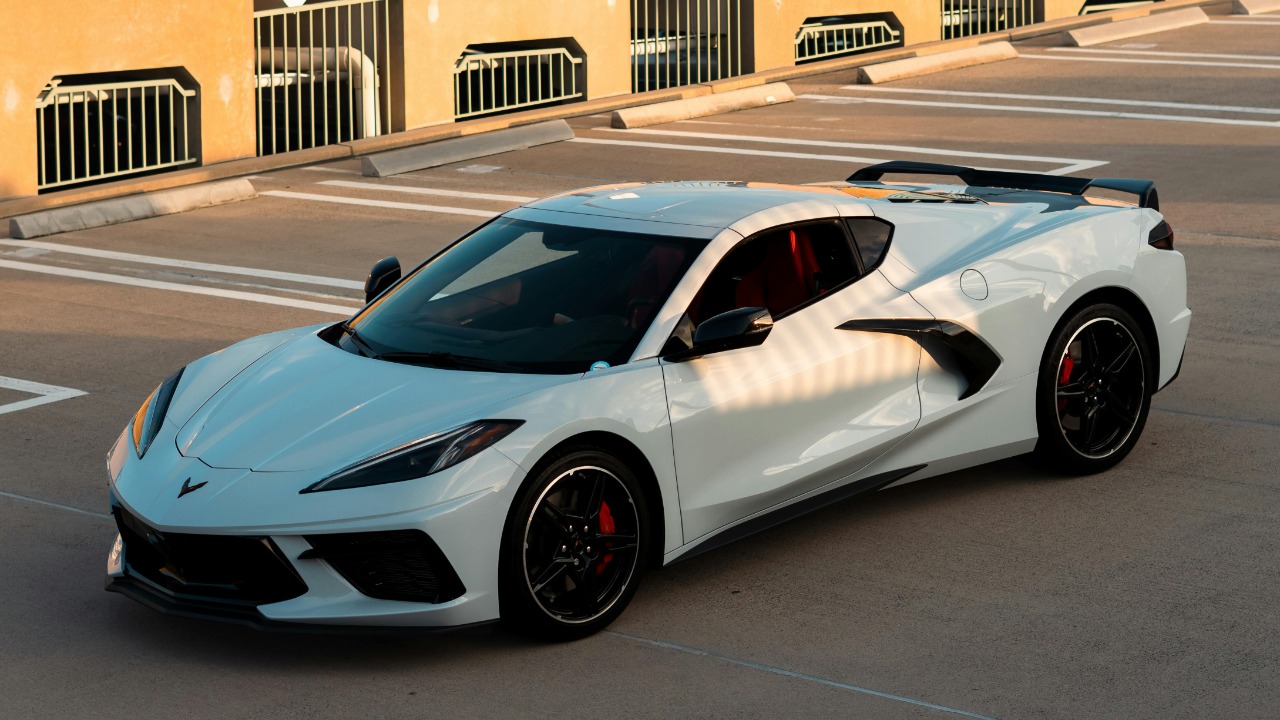
Engineers treated daily usability as a core design requirement, so the C8 Corvette challenged the stereotype that mid-engine cars must feel compromised. The cabin offered comfortable seats, intuitive controls, and a modern infotainment system that integrated smartphone connectivity and clear navigation graphics. Ride quality remained livable even on rough pavement, especially with adaptive dampers set to softer modes. Visibility improved compared with many mid-engine exotics because designers shaped the cabin glass and mirror placement to reduce blind spots. Owners could commute, run errands, or take long highway trips without feeling punished by harsh suspension tuning or cramped ergonomics.
Practical packaging details also helped the Corvette stand apart from traditional supercars that often sacrifice convenience for drama. The car featured both a front trunk and a rear cargo area, which together provided enough space for luggage or golf bags. Removable roof panels allowed open-air driving without the complexity of a full convertible mechanism, while still preserving structural rigidity. Ground clearance and a front lift system helped drivers navigate steep driveways and speed bumps without scraping expensive bodywork. Reliability expectations followed Chevrolet’s broader lineup rather than boutique exotic brands, so buyers anticipated manageable maintenance schedules and dealer support networks. Those factors made the C8 feel like a car owners could actually use frequently instead of reserving it for occasional weekend outings.
Design language that blurred the line with European supercars
Styling changes signaled that the Corvette no longer occupied a separate visual category from European mid-engine machines. The shorter hood, cab-forward stance, and pronounced rear haunches created proportions that echoed established supercar formulas. Large side intakes and sculpted bodywork communicated the need to feed air to a centrally mounted engine, which visually reinforced the mechanical transformation. Designers layered sharp creases and angular lighting signatures over those proportions, giving the car a modern, technical appearance rather than retro nostalgia. The result looked purposeful and aggressive, which encouraged direct comparisons with Italian and German exotics in showrooms and on social media.
Interior design followed the same philosophy by prioritizing a driver-centric layout that felt more like a cockpit than a traditional sports car cabin. A tall center console separated the driver from the passenger and housed a row of climate controls angled toward the driver’s seat. Digital instrumentation allowed multiple performance-focused display modes, including track-oriented layouts that highlighted revs, gear selection, and g-force data. Material choices improved compared with earlier Corvettes, with available leather, carbon fiber, and high-quality switchgear that aligned more closely with premium competitors. That visual and tactile upgrade helped shift perceptions, because shoppers who previously dismissed the Corvette as less refined now encountered a cabin that matched its performance ambitions.
Market impact and the new definition of attainable supercar
Sales performance and waiting lists demonstrated that the C8 formula resonated strongly with both loyal Corvette fans and new buyers. Order books filled quickly after launch, and production struggled to keep pace with demand during early years. Some customers paid above sticker price to secure early build slots, which mirrored behavior typically associated with limited-production exotics. The car attracted younger buyers and owners who previously considered European brands exclusively, because it delivered comparable performance with lower acquisition and running costs. That broadened customer base signaled that the Corvette had successfully crossed from traditional American sports car into the wider supercar conversation.
Competitive responses underscored how thoroughly the C8 disrupted expectations around price and performance. Rival manufacturers faced pressure to justify significantly higher prices when a mid-engine Corvette delivered similar acceleration, handling, and technology. Some brands leaned harder into exclusivity and bespoke options, while others expanded their own performance offerings to close the gap. The Corvette’s success also encouraged discussions about what qualifies as a supercar in an era when performance metrics keep improving. Many enthusiasts and analysts now treat the C8, especially in higher-performance trims, as a benchmark for attainable supercar capability. That shift in perception shows how a single generational change can reset an entire segment’s standards and force established players to rethink their strategies.