Collectors keep circling back to specific Camaro production years because those cars capture turning points in American performance culture. Enthusiasts chase these models not only for horsepower and styling, but also for the stories they tell about changing technology and shifting factory priorities.
First-generation icons that defined the Camaro legend
Early production years from the late 1960s still command intense attention because they established the Camaro as a serious performance rival. Collectors focus on 1967 through 1969 examples, since these cars introduced the nameplate, delivered muscular proportions, and framed Chevrolet’s response to the pony car surge.
Buyers especially prize high-performance variants from this period, since they combine small-block or big-block power with relatively low curb weights. Many enthusiasts highlight 1969 models with aggressive styling updates, stronger engine options, and limited-production performance packages that still influence modern collector values.
Second-generation survivors that balance style and scarcity
Later production years from the early 1970s attract collectors who want dramatic styling with more refined road manners. Enthusiasts often single out 1970 through 1973 models, since these cars kept strong performance credentials while regulations started tightening around emissions and safety.
Collectors track specific trims from this era because they blend distinctive split-bumper looks with engines that still deliver serious power. Surviving examples with original drivetrains and documented histories often command premiums, since production numbers dropped as the decade progressed.
Third-generation breakthroughs that modernized the platform
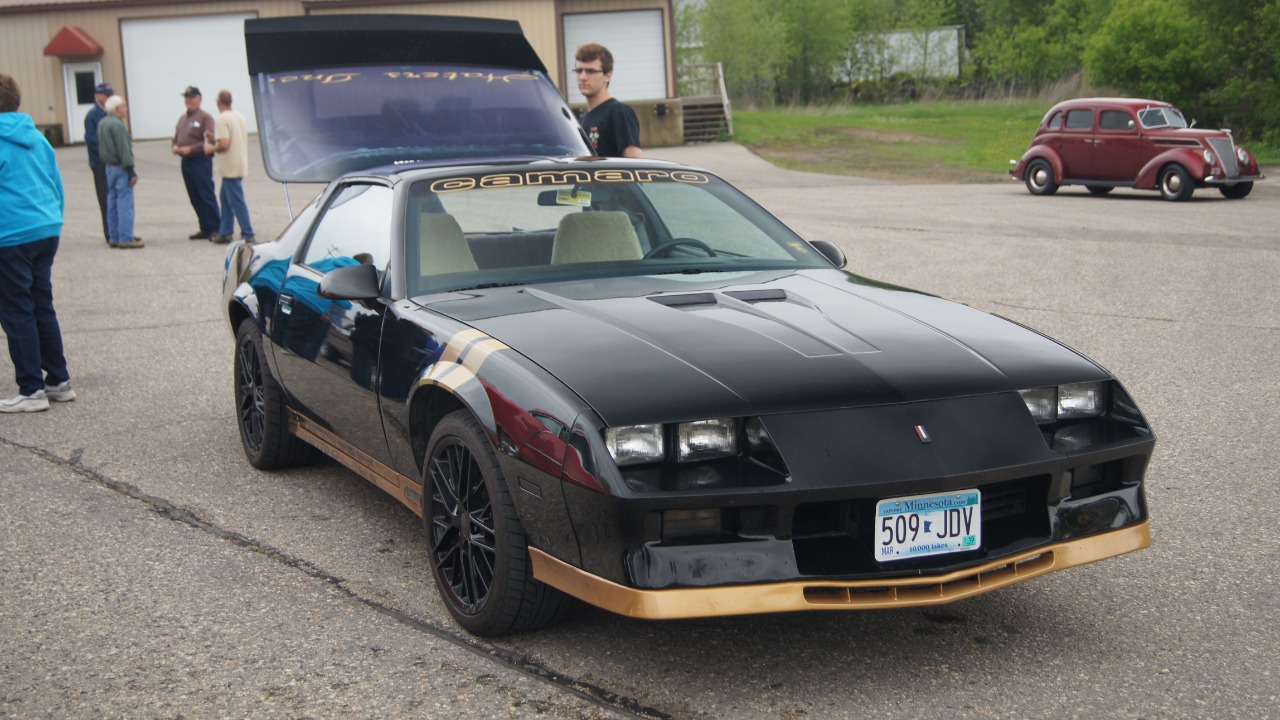
Production years from the 1980s keep gaining attention because they introduced a lighter, more aerodynamic Camaro that embraced new technology. Collectors increasingly chase 1982 through 1992 models, since these cars brought fuel injection, improved handling, and sharper wedge-shaped styling.
Enthusiasts often highlight performance packages from this generation that paired tuned-port injection with upgraded suspensions and distinctive graphics. Clean, low-mileage examples from the late 1980s and early 1990s now attract buyers who grew up seeing these cars dominate period magazines.
Fourth-generation performance peaks before the long hiatus
Production years from the mid to late 1990s stand out because they delivered serious performance just before the Camaro left showrooms. Collectors frequently target 1996 through 2002 models, since these cars introduced more advanced V8 engines and sharper chassis tuning.
Enthusiasts particularly value later fourth-generation cars that received LS-series engines, which dramatically improved power and aftermarket support. Final-year production examples often draw extra interest, because they represent the last factory-built Camaros before the extended production break.
Fifth and sixth generations that turned nostalgia into modern muscle
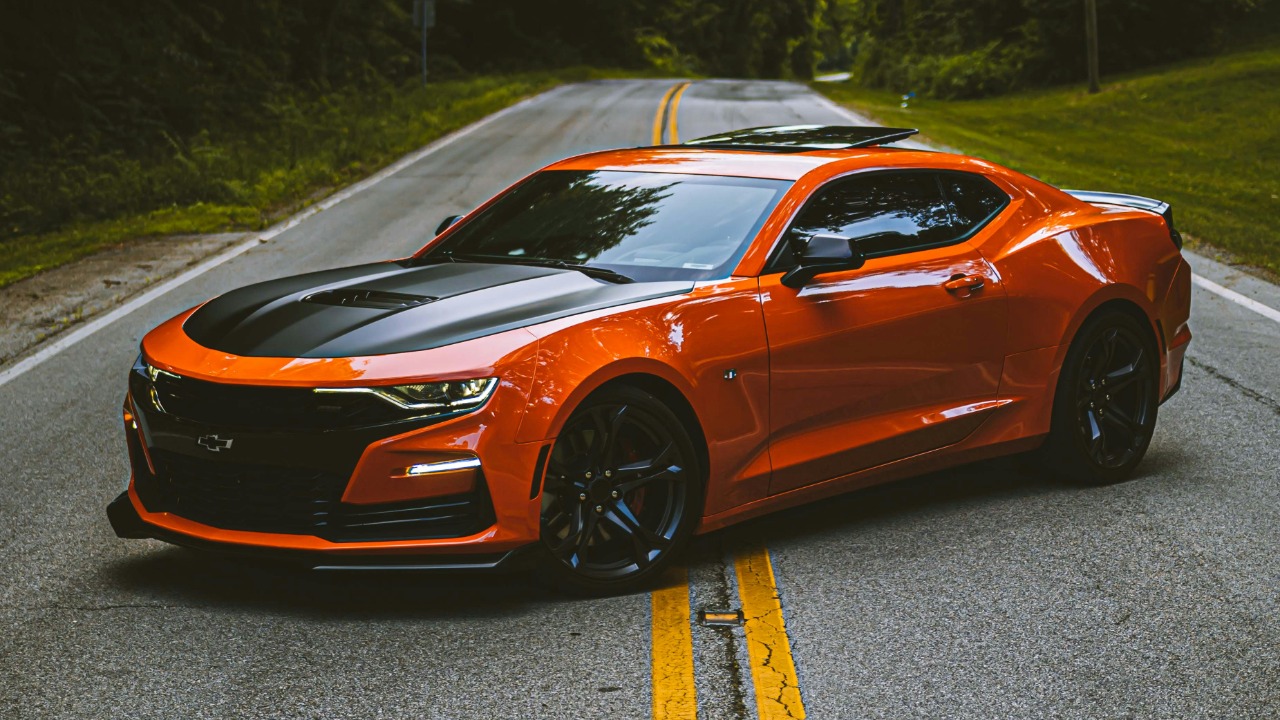
Recent production years fascinate collectors because they blend retro-inspired styling with contemporary performance and safety technology. Buyers often focus on 2010 through 2015 models, since these cars revived the Camaro nameplate with bold design and strong V6 and V8 options.
Later sixth-generation years attract enthusiasts who want sharper handling, lighter construction, and track-focused variants. Collectors increasingly watch limited-production trims and special editions, anticipating that low build numbers and high performance will drive long-term desirability.