When the modern Ford GT debuted in the mid-2000s, it looked like an inevitable celebration of one of racing’s greatest legends. In reality, the project survived years of hesitation, shifting priorities, and internal resistance. Bringing back an icon required passionate advocates who believed the company’s history could inspire an extraordinary future.
Many Leaders Questioned the Need for a Halo Car
By the late 1990s, Ford was focused on expanding profitable trucks, SUVs, and mainstream passenger vehicles. Developing a limited-production supercar seemed difficult to justify, especially when the investment could instead support high-volume models. Some executives questioned whether revisiting the legendary GT40 heritage would generate enough financial return to warrant the expense.
The company also faced increasing competition and evolving consumer preferences. While performance enthusiasts welcomed the idea of an exotic Ford, business leaders had to consider production costs, engineering resources, and long-term profitability. A niche supercar appeared to carry significant financial risk compared with projects aimed at the broader market.
Several decision-makers worried that nostalgia alone would not guarantee success. Building a worthy successor to the GT40 meant creating a world-class performance machine rather than simply producing an attractive retro-inspired concept. Expectations were extraordinarily high, making failure a real possibility.
Despite these concerns, supporters believed the project could become much more than another sports car. They argued it would showcase Ford’s engineering talent, strengthen the brand’s image, and reconnect the company with one of the greatest victories in motorsport history.
The GT40 Legacy Inspired Determined Supporters
The original GT40’s dominance at the 24 Hours of Le Mans remained one of Ford’s proudest achievements. Engineers, designers, and executives who favored the new project believed that celebrating this legacy would inspire both loyal enthusiasts and a new generation of performance fans.
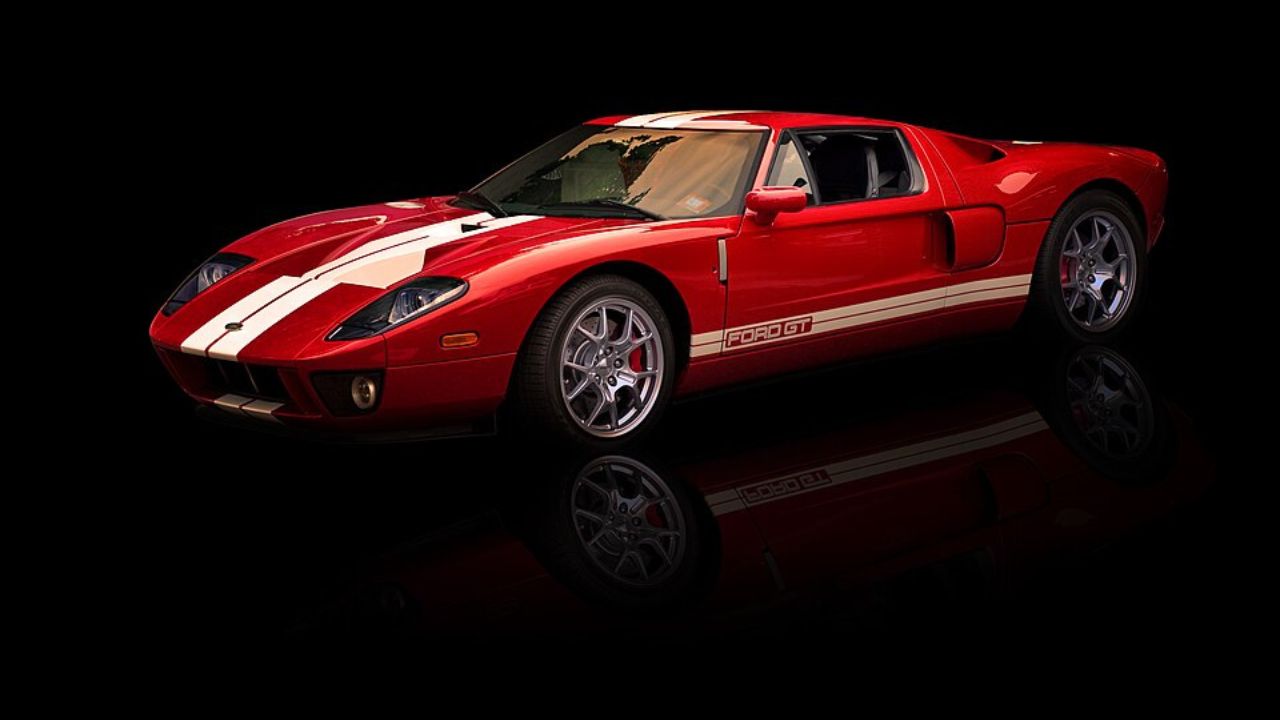
Development teams focused on creating a car that respected the original without becoming a simple replica. The proportions, roofline, side air intakes, and round taillights all paid tribute to the GT40, while modern engineering delivered contemporary levels of performance and reliability.
Supporters also emphasized the value of a halo vehicle. Even customers who never intended to purchase a Ford GT would associate the entire brand with innovation, excitement, and technical excellence. That emotional impact extended well beyond the car’s limited production numbers.
As enthusiasm spread throughout the company, resistance gradually softened. The project increasingly came to represent Ford’s confidence in its own history rather than an unnecessary indulgence.
The Centennial Celebration Helped Secure Approval
Ford’s approaching 100th anniversary provided the perfect opportunity to revisit one of its greatest accomplishments. Executives recognized that unveiling a modern interpretation of the GT40 would generate worldwide attention while honoring a defining chapter in the company’s past.
The concept car made an immediate impression with both the public and automotive media. Its combination of classic styling and modern engineering convinced many skeptics that the project had genuine commercial and promotional value. Positive public reaction demonstrated that demand for a modern Ford supercar extended far beyond longtime collectors.
Media coverage amplified excitement, turning the GT into one of the most anticipated American performance cars in years. Instead of being viewed as a risky specialty vehicle, it became a symbol of Ford’s ambition and engineering confidence.
The overwhelmingly favorable response made it increasingly difficult to dismiss the project. What had once faced considerable internal skepticism now appeared capable of strengthening the company’s global reputation.
The Production Ford GT Proved the Risk Was Worth Taking
When production began for the 2005 model year, the Ford GT delivered performance that matched its dramatic appearance. Its supercharged V8, lightweight construction, and unmistakable styling earned praise from journalists and enthusiasts alike. More importantly, it demonstrated that Ford could successfully build a world-class supercar while remaining true to its heritage.
Demand remained strong despite the GT’s premium price and limited availability. Collectors quickly recognized its significance, while performance enthusiasts appreciated that it captured the spirit of the original GT40 without merely copying it. The car became both a technological showcase and a celebration of Ford’s racing history.
The success of the project also reinforced the importance of halo vehicles within the automotive industry. Although it was never intended to become a high-volume seller, the GT elevated Ford’s image across its entire lineup and reminded buyers of the company’s engineering capabilities.
Looking back, the Ford GT’s return stands as proof that bold ideas sometimes require determined champions. Early resistance nearly prevented one of the most celebrated American supercars of the modern era, but persistence ultimately transformed an uncertain proposal into an enduring automotive icon.
More from Fast Lane Only
- Unboxing the WWII Jeep in a Crate
- 15 rare Chevys collectors are quietly buying
- 10 underrated V8s still worth hunting down
- Police notice this before you even roll window down
*Research for this article included AI assistance, with all final content reviewed by human editors