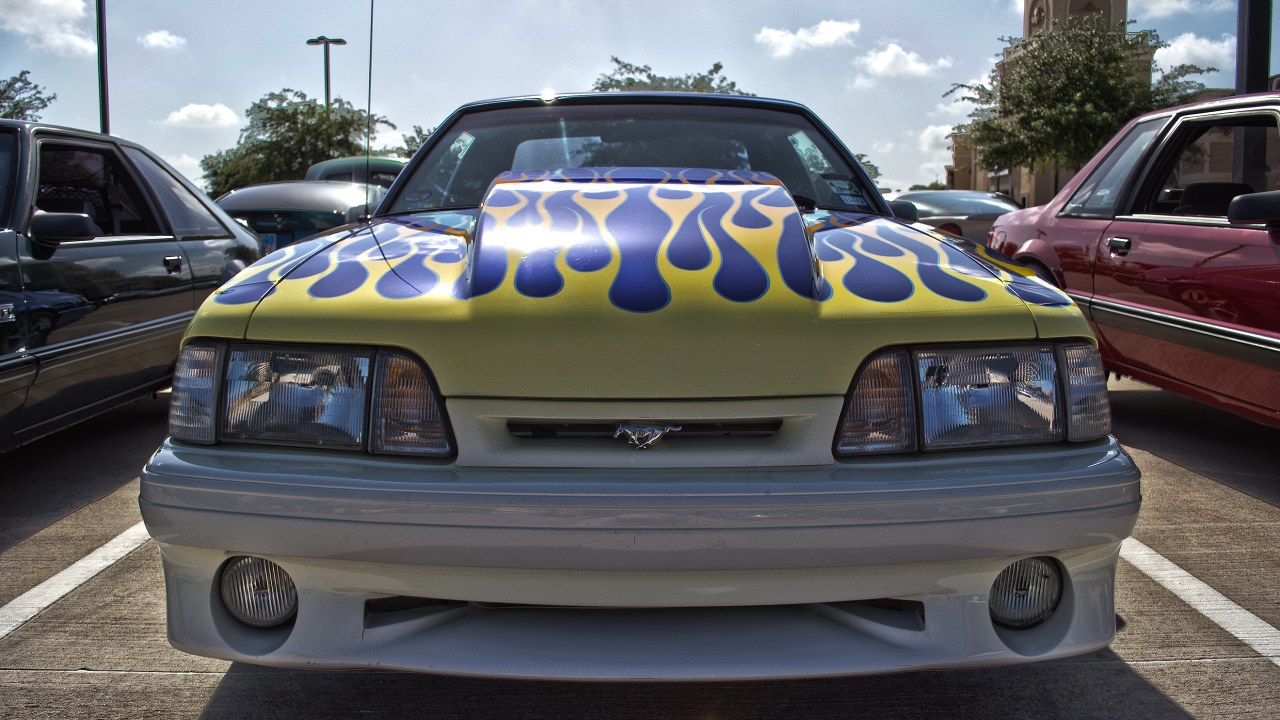
Collectors, builders, and younger drivers increasingly treat the Fox-body Mustang as the most compelling performance bargain of the moment. The once-overlooked third-generation Mustang now anchors auctions, social feeds, and track days, turning 1980s nostalgia into a very current phenomenon.
The unlikely rise of a once-affordable workhorse
Market watchers describe a sharp shift as Fox-body prices climb from budget beater territory into serious collector conversation. Enthusiasts who once ignored four-eyed 1979 to 1986 cars now chase clean survivors, while later aero-nose models attract bidders who grew up seeing them in period music videos. Auction data shows strong demand for original 5.0-liter cars, especially low-mileage notchbacks and well-documented special editions, which increasingly command premiums that rival earlier muscle icons at major collector venues.
Analysts link this surge to broader interest in analog performance, as drivers seek cars that deliver sound, vibration, and mechanical feedback. The Fox platform offers rear-wheel drive, a manual gearbox, and a rumbling small-block V8, yet still fits modern traffic and parking realities. Buyers who feel priced out of 1960s fastbacks instead target 1987 to 1993 GTs and LX 5.0s, which combine recognizable styling with parts support that rivals contemporary performance models.
Design, engineering, and the appeal of usable performance
Engineers originally created the Fox platform as a flexible, lightweight architecture, and that versatility now underpins its modern appeal. The chassis accepts a wide range of engines, from the factory 2.3-liter four-cylinder to the 5.0-liter V8, and builders routinely swap in later modular and Coyote V8s. Suspension geometry responds well to simple upgrades like subframe connectors, better dampers, and modern tires, which transform a stock car into a capable track or autocross contender.
Designers gave the Fox-body a clean, almost understated shape that now reads as retro without feeling cartoonish. The long hood, short deck, and upright greenhouse create excellent visibility, while hatchback and notchback options serve different tastes and uses. Owners appreciate that the interior feels simple and analog, with clear gauges and straightforward controls, which contrasts sharply with touch-heavy modern cockpits.
Nostalgia, media, and the 1980s cultural feedback loop
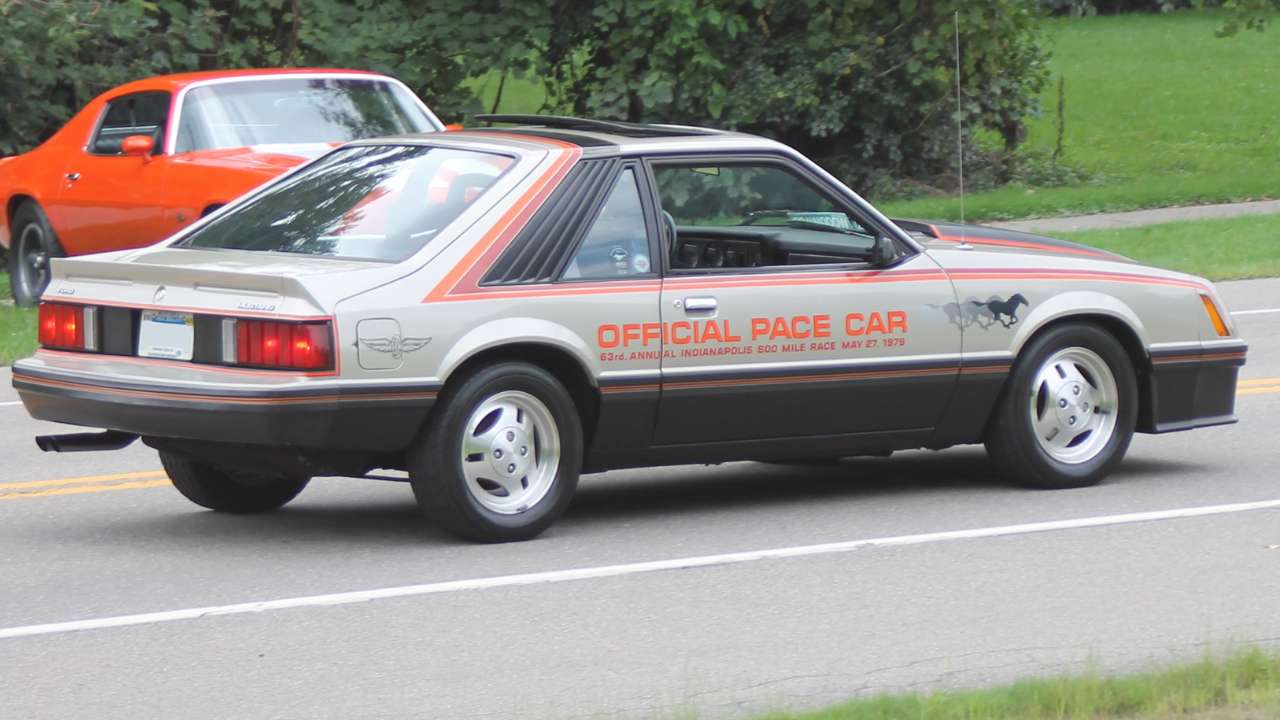
Cultural nostalgia plays a central role as streaming platforms, social media, and retro fashion revive interest in 1980s aesthetics. Viewers who binge period shows and movies encounter boxy coupes and hatchbacks in chase scenes, then recognize similar silhouettes at local meets. The Fox-body Mustang benefits from that visibility, since its squared-off lines, turbine wheels, and bold factory graphics match the era’s visual language.
Content creators amplify the effect by featuring Fox builds in drag racing clips, dyno sessions, and budget project series. Younger audiences watch these videos, learn that parts remain affordable, then start hunting Craigslist and marketplace listings for their first V8 car. Influencers highlight how a modestly modified 5.0 can run competitive quarter-mile times, which reinforces the car’s reputation as a legitimate performance platform rather than a purely nostalgic curiosity.
From street machine to track-day and drift favorite
Track-day organizers report growing Fox-body participation as drivers seek rear-wheel-drive cars that tolerate mistakes and accept upgrades. The chassis allows easy brake and cooling improvements, so owners can run repeated sessions without overheating or fade, even with older hardware. Many drivers install roll bars, fixed-back seats, and modern harnesses, turning streetable coupes into dual-purpose track tools.
Drift communities also embrace the Fox platform because it combines a torquey V8 with a long wheelbase and simple suspension. Builders weld differentials, add angle kits, and fit hydraulic handbrakes, then slide these cars at grassroots events where replacement panels remain cheap. The availability of junkyard spares and reproduction bodywork keeps repair costs manageable, which encourages drivers to push harder without fearing catastrophic damage.
Restomods, aftermarket support, and the economics of a breakout star
Aftermarket companies now treat the Fox-body as a core product line, not a niche sideline, which dramatically changes ownership economics. Suppliers offer complete suspension packages, fuel-injection conversions, and bolt-in disc brake kits that modernize driving manners without erasing period character. Restomod builders increasingly showcase Fox projects with crate engines, six-speed transmissions, and updated interiors, positioning them alongside high-dollar 1960s builds.
Rising values influence insurance, financing, and restoration decisions, since owners now justify deeper investments in paint, bodywork, and drivetrain. Appraisers track auction results where clean SSP police coupes and limited-run models like the 1993 SVT Cobra achieve record figures. Those sales signal to the market that the Fox-body has moved from disposable tuner to recognized classic, which encourages more professional shops to specialize in these cars.