Pontiac disappeared from new car showrooms more than a decade ago, yet its most storied models keep gaining momentum. Collectors now chase clean Firebirds, GTOs, and Trans Ams with an urgency that reflects both nostalgia and shifting tastes in the broader classic car market.
Firebird and Trans Am values set the tone
Market watchers often point to the Pontiac Firebird and Trans Am as bellwethers for the entire badge. Early first generation Firebirds from the late 1960s attract muscle car purists who want clean lines, strong V8s, and factory documentation. Later second generation Trans Ams, especially those with the iconic hood bird and four speed gearboxes, draw buyers who associate them with film and television stardom.
Prices for these models climbed steadily as supply tightened and restoration costs rose faster than many owners expected. Shoppers now pay significant premiums for unrestored survivor cars that still carry original paint, interior trim, and matching drivetrains. Restomod builds with modern fuel injection, upgraded brakes, and subtle suspension work also command attention, because they deliver classic style with contemporary drivability.
GTOs and big body cruisers find new audiences
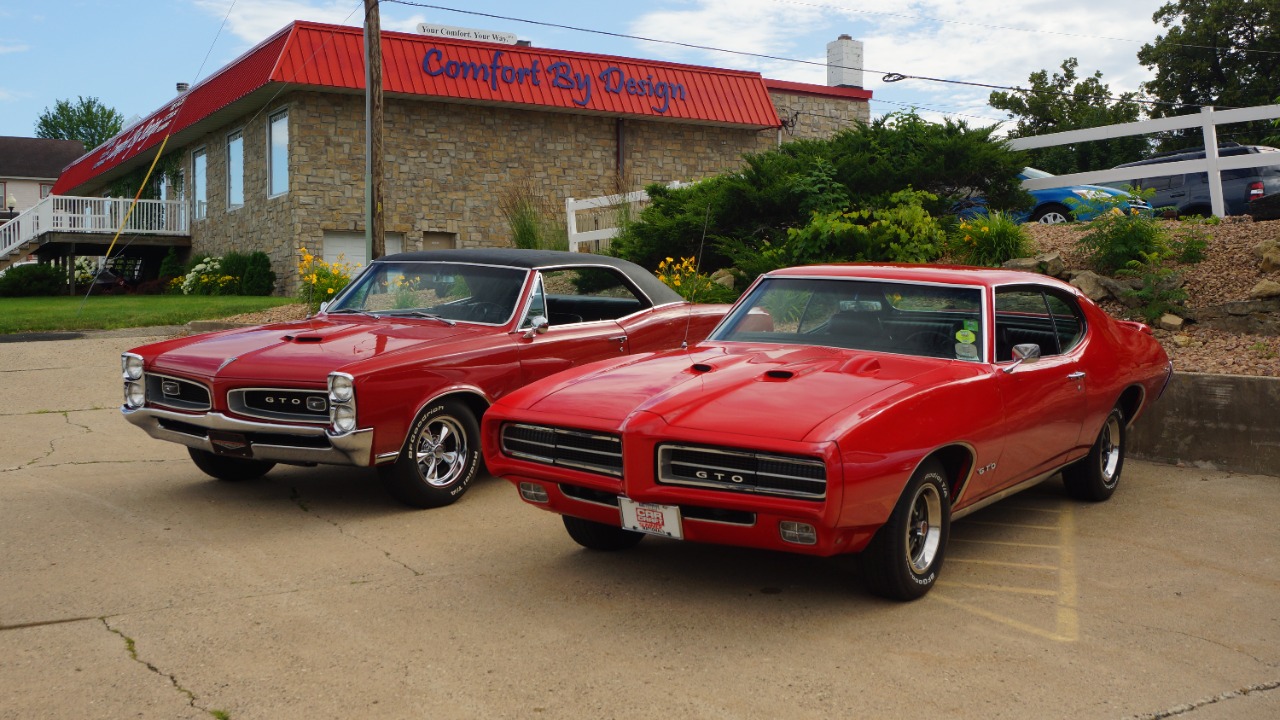
The Pontiac GTO helped define the muscle car era, and its renewed popularity anchors much of the brand’s current heat. Early examples with tri power carburetion and four speed manuals remain blue chip collectibles, while later Judge variants bring strong money when they retain correct colors and options. Younger buyers increasingly gravitate toward slightly less perfect cars they can drive regularly, which broadens demand beyond concours circles.
Full size Pontiacs such as the Bonneville and Catalina also benefit from this renewed attention, especially in wagon and convertible form. These big body cruisers offer generous proportions, dramatic chrome, and comfortable highway manners that suit family road trips and weekend events. As prices for headline muscle models climb, shoppers often pivot toward these more affordable alternatives, which lifts the entire Pontiac ecosystem.
Shift in collector demographics and driving expectations
Demographic change plays a crucial role in Pontiac’s resurgence, because buyers entering the market grew up with different automotive touchstones. Many remember third and fourth generation Firebirds as aspirational high school cars, complete with T tops, loud stereos, and bold graphics. Those memories now translate into concrete bids, particularly for low mileage examples that survived the tuner era without heavy modifications.
Expectations around how a classic should drive also evolved, which benefits Pontiac’s more refined later models. Radial tires, disc brakes, and improved suspensions make 1970s and 1980s Pontiacs easier to live with than earlier muscle machines. Collectors who want to cover real miles on modern highways often choose these cars over harsher contemporaries, which supports rising prices for clean drivers.
Limited supply, rising restoration standards, and future outlook
Supply constraints now shape nearly every conversation about Pontiac values, because no new cars will ever wear the badge again. Rust, accidents, and decades of neglect already thinned the herd, especially in regions that used heavy road salt. Surviving cars with solid bodies and intact interiors therefore command attention even before any restoration work begins.
Restoration standards climbed sharply, which further separates top tier Pontiacs from the rest of the field. Professional shops document every step, from media blasting to final paint, and buyers reward that transparency with higher offers. As more collectors treat these cars as long term assets rather than disposable toys, Pontiac’s legacy models look positioned to stay hot rather than fade quietly.