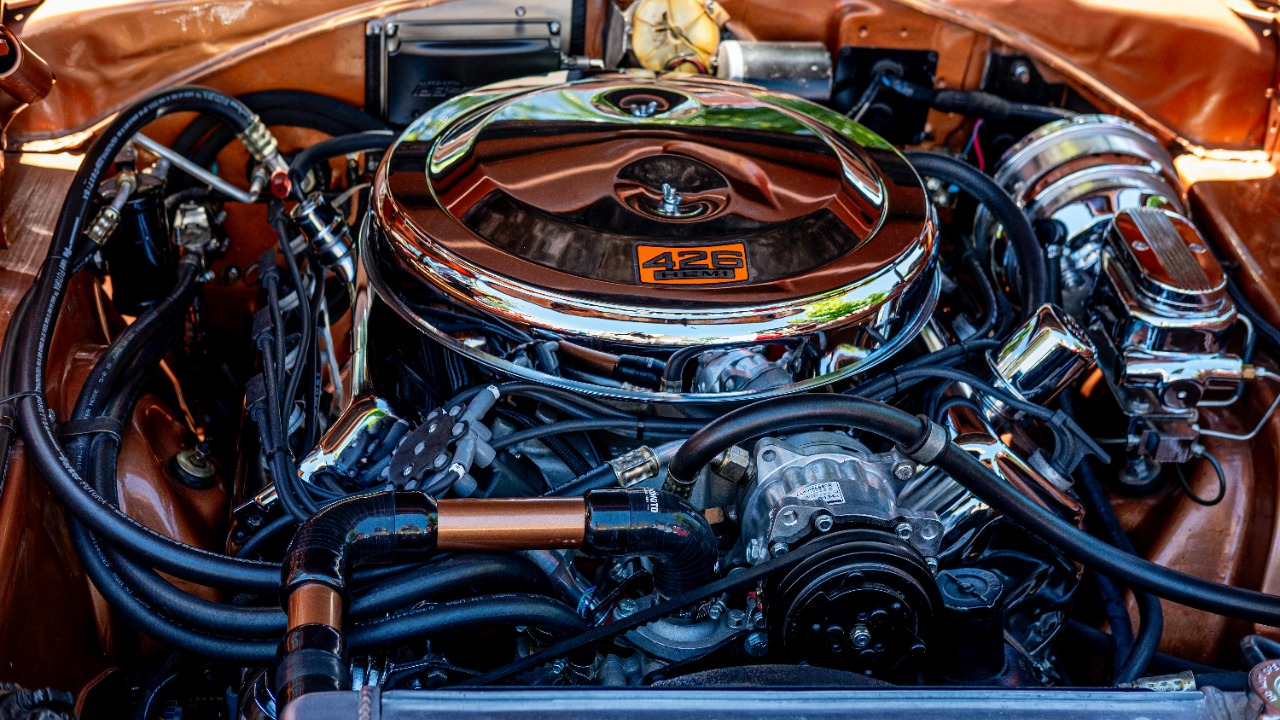
Few engines have achieved the legendary status of Chrysler’s Hemi. Known for its unique design, incredible power, and racing success, the Hemi became a symbol of American performance engineering. From dominating competition tracks to powering some of the most famous muscle cars ever built, the Hemi transformed Chrysler’s reputation and became one of the company’s greatest achievements.
A Revolutionary Design Changed Engine Performance
The story of the Hemi began with Chrysler’s focus on improving combustion efficiency and power output. Unlike traditional wedge-shaped combustion chambers, the Hemi engine used hemispherical combustion chambers that allowed larger valves and better airflow through the cylinders.
This design helped the engine breathe more efficiently, creating the potential for increased horsepower and stronger performance. Chrysler first developed Hemi engines for aircraft during World War II before adapting the technology for automotive use.
When the first-generation Hemi V8 appeared in passenger cars during the 1950s, it quickly gained attention for its impressive power. The engineering approach was more complex and expensive than conventional engines, but the performance benefits made the investment worthwhile.
The Hemi proved that innovative design could create advantages that traditional engine layouts could not match.
Racing Success Built Its Reputation
Chrysler’s commitment to motorsports helped turn the Hemi into a performance legend. Engineers used competition as a testing ground to refine the engine, and the results quickly became impossible to ignore.
The Hemi dominated drag racing and NASCAR competition during the 1960s, earning a reputation for exceptional strength and power. Its ability to handle high-performance applications made it a favorite among racers and enthusiasts.
The racing versions of the Hemi featured advanced components, including improved cylinder heads, stronger internal parts, and specialized tuning designed for maximum performance.
Success on the track created valuable publicity for Chrysler and demonstrated that the company’s engineering could compete against the biggest names in American performance.
The Hemi was no longer just an engine—it became a symbol of Chrysler’s performance ambition.
The Muscle Car Era Made It Legendary
During the late 1960s and early 1970s, the Hemi became one of the most desirable engines in the muscle car world. Chrysler installed the legendary 426 Hemi into iconic models such as the Dodge Charger, Plymouth Road Runner, and Plymouth Barracuda.
With massive power potential and a reputation for dominating the competition, Hemi-powered cars quickly became legends among performance enthusiasts. They delivered breathtaking acceleration and represented the peak of Chrysler’s muscle car engineering.
However, the engine’s high cost and specialized nature meant relatively few vehicles received the option. Its rarity added to its reputation and helped make Hemi-equipped models highly collectible decades later.
The 426 Hemi became one of the defining engines of the golden age of American muscle.
A Legacy That Continues Today
The Hemi name has remained one of Chrysler’s most valuable performance symbols. Modern Hemi engines introduced new technology while preserving the core idea that made the original famous: combining strong power with advanced engineering.
Today’s Hemi-powered vehicles continue the tradition of delivering impressive performance in both cars and trucks. Although engine technology has evolved, the Hemi remains closely associated with Chrysler’s commitment to high-performance engineering.
Collectors and enthusiasts continue celebrating classic Hemi models because they represent a time when innovation, competition, and horsepower defined American automotive culture.
The Hemi became Chrysler’s greatest performance achievement because it was more than a powerful engine. It represented decades of engineering creativity, racing success, and a commitment to building some of the most memorable performance vehicles in history.
More from Fast Lane Only
- Unboxing the WWII Jeep in a Crate
- 15 rare Chevys collectors are quietly buying
- 10 underrated V8s still worth hunting down
- Police notice this before you even roll window down
*Research for this article included AI assistance, with all final content reviewed by human editors