As the automotive industry evolved throughout the mid-20th century, horsepower emerged as the defining characteristic of performance vehicles. The rise of muscle cars marked a significant shift in consumer preferences, where raw power and speed became paramount. Here’s a look at 10 classic vehicles that exemplified this transition and solidified horsepower’s reign in American car culture.
Ford Mustang (1964)

When the Ford Mustang was launched in 1964, it was a game-changer. With its sporty design and powerful engine options, it quickly became a symbol of American muscle. The base model featured a 170-cubic inch six-cylinder engine, but enthusiasts were drawn to the V8 options that offered up to 271 horsepower. The Mustang’s affordability combined with its performance made it an instant classic and a top contender in the horsepower race. It also laid the groundwork for a legacy that continues to this day, showcasing that power and style could coexist.
Chevrolet Camaro (1966)
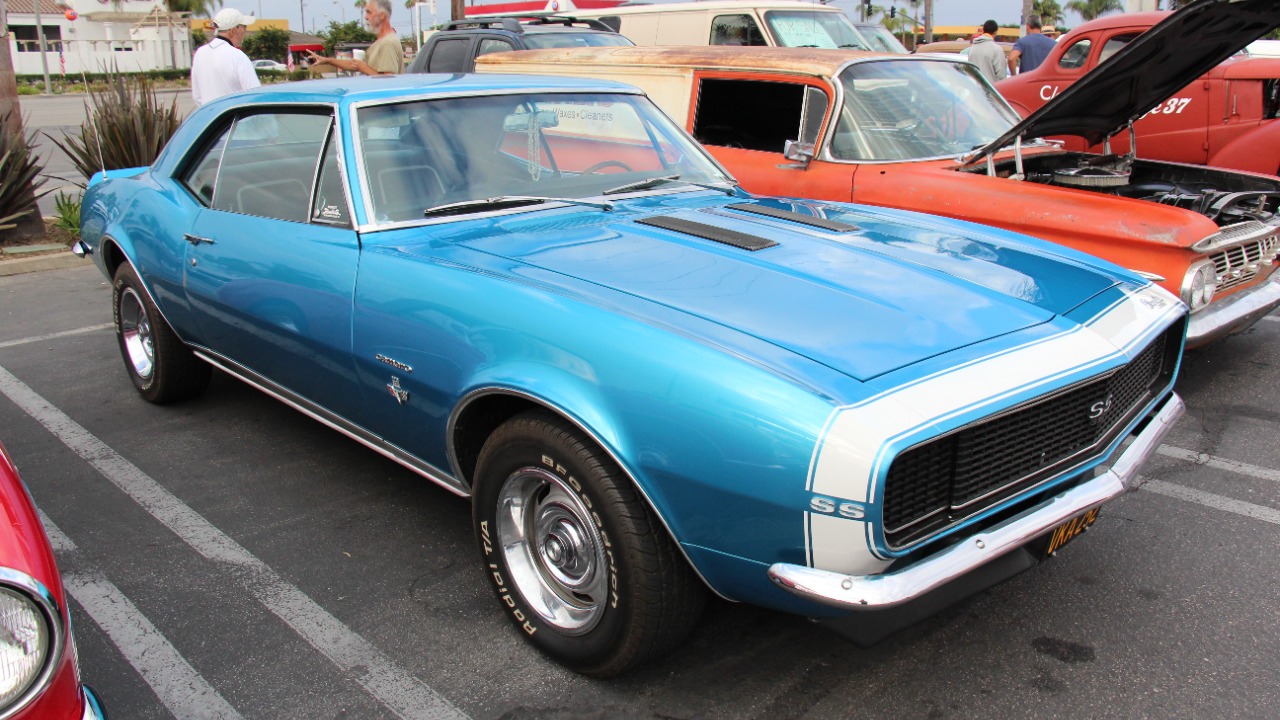
Introduced as a direct rival to the Mustang, the Chevrolet Camaro arrived in 1966 and made a bold statement in the muscle car arena. The early models offered a variety of engine choices, including the potent 396 V8 that produced 375 horsepower. With its aggressive styling and performance capabilities, the Camaro quickly garnered a loyal following. It captured the essence of American automotive passion, proving that Chevrolet was serious about competing in the horsepower wars. The Camaro’s enduring popularity is a testament to its powerful performance and iconic status.
Dodge Charger (1966)
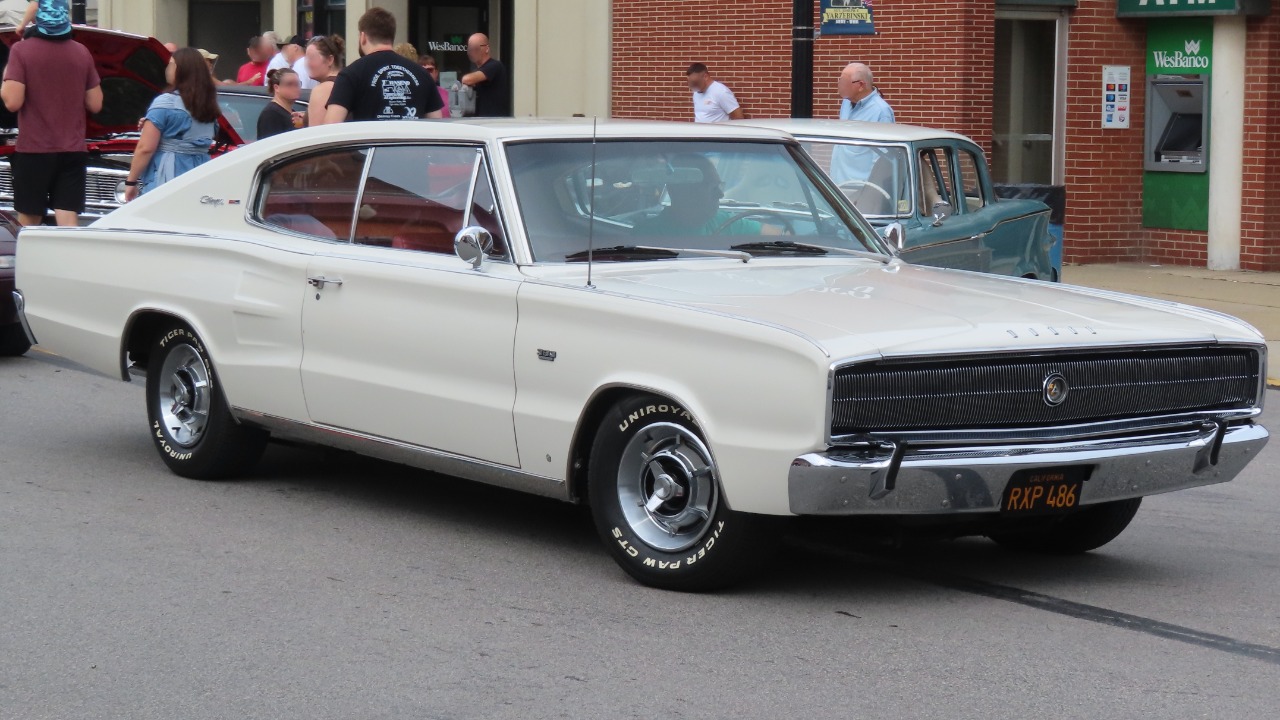
The Dodge Charger debuted in 1966 as a fastback coupe that combined style with muscle. Initially equipped with a V8 engine producing 325 horsepower, the Charger quickly became a favorite among performance enthusiasts. Its larger engines, like the legendary 426 HEMI, pushed the horsepower boundaries even further. The Charger became a staple in popular culture, appearing in movies and television shows, which helped cement its status as a classic American muscle car. Its blend of power, luxury, and aggressive design made it a standout in the horsepower race.
Plymouth Barracuda (1964)
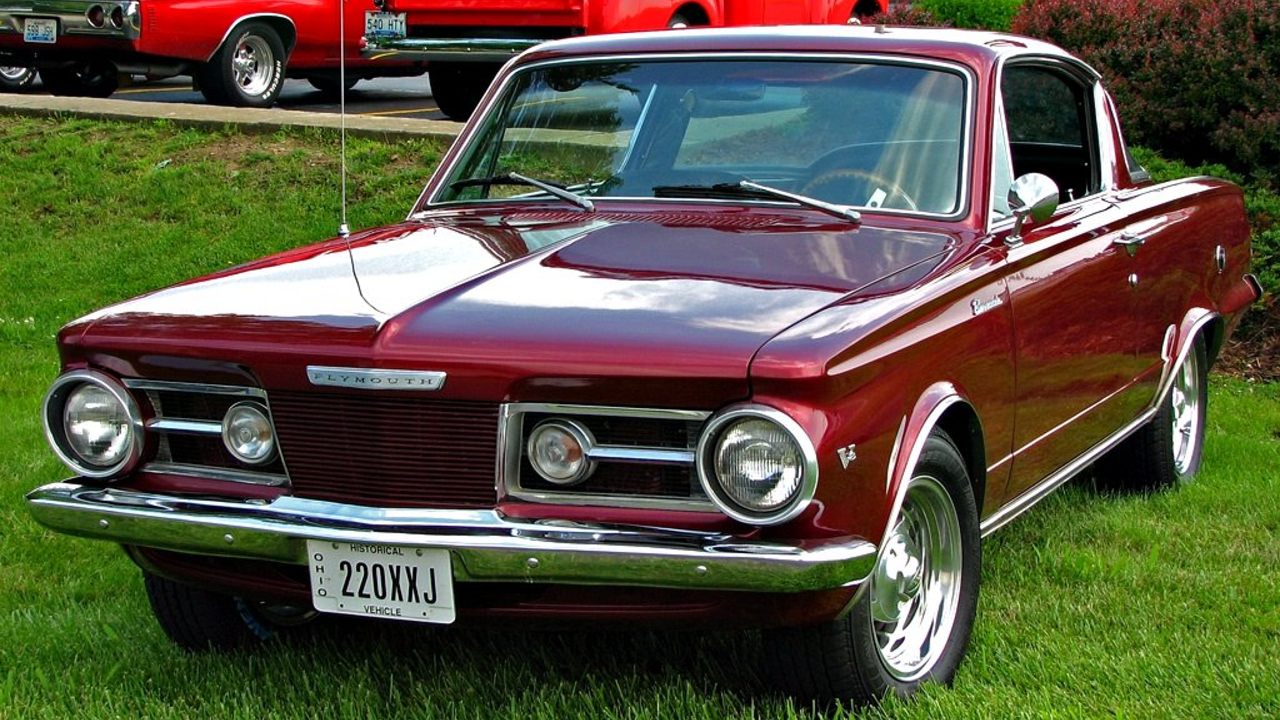
The Plymouth Barracuda was one of the first pony cars, hitting the market in 1964. With its unique styling and a range of engine options, including the formidable 426 HEMI, the Barracuda quickly attracted attention. The early models could be equipped with a 273-cubic inch V8 that produced 235 horsepower, but enthusiasts knew the real thrill came from the larger engines. The Barracuda’s performance combined with its distinctive design made it a significant player in the horsepower battle, setting the stage for future muscle cars.
Pontiac GTO (1964)
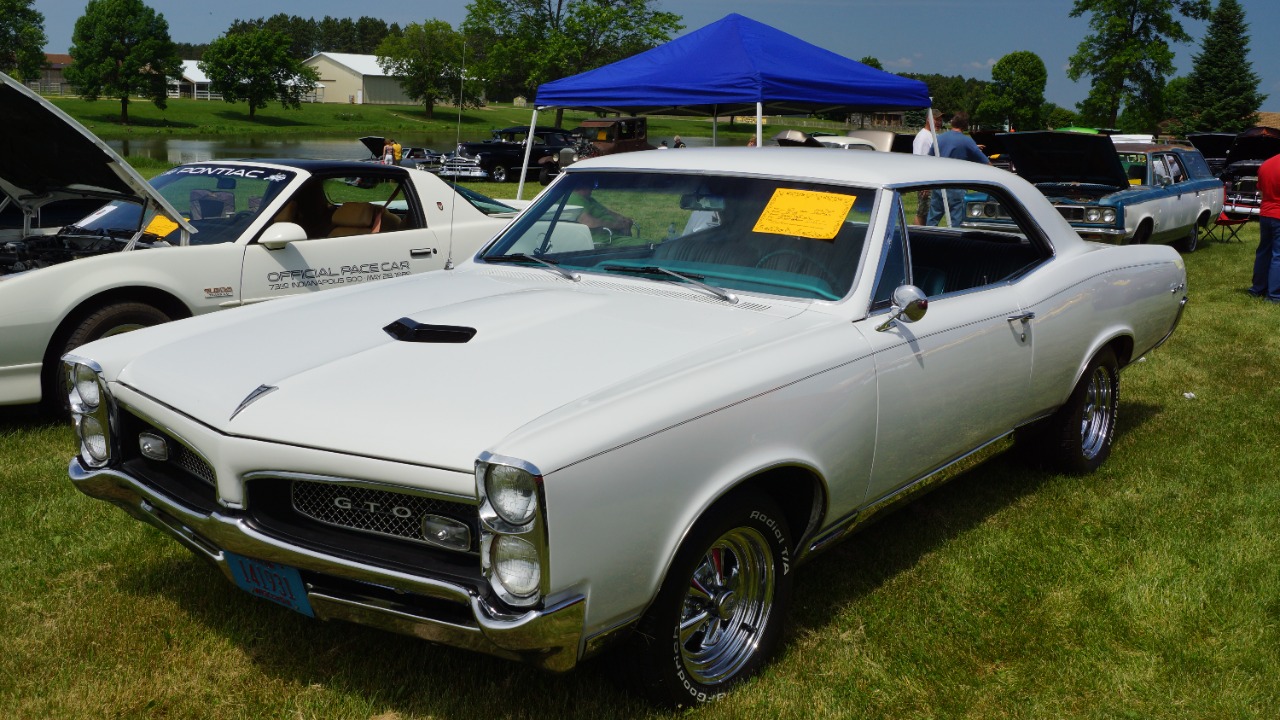
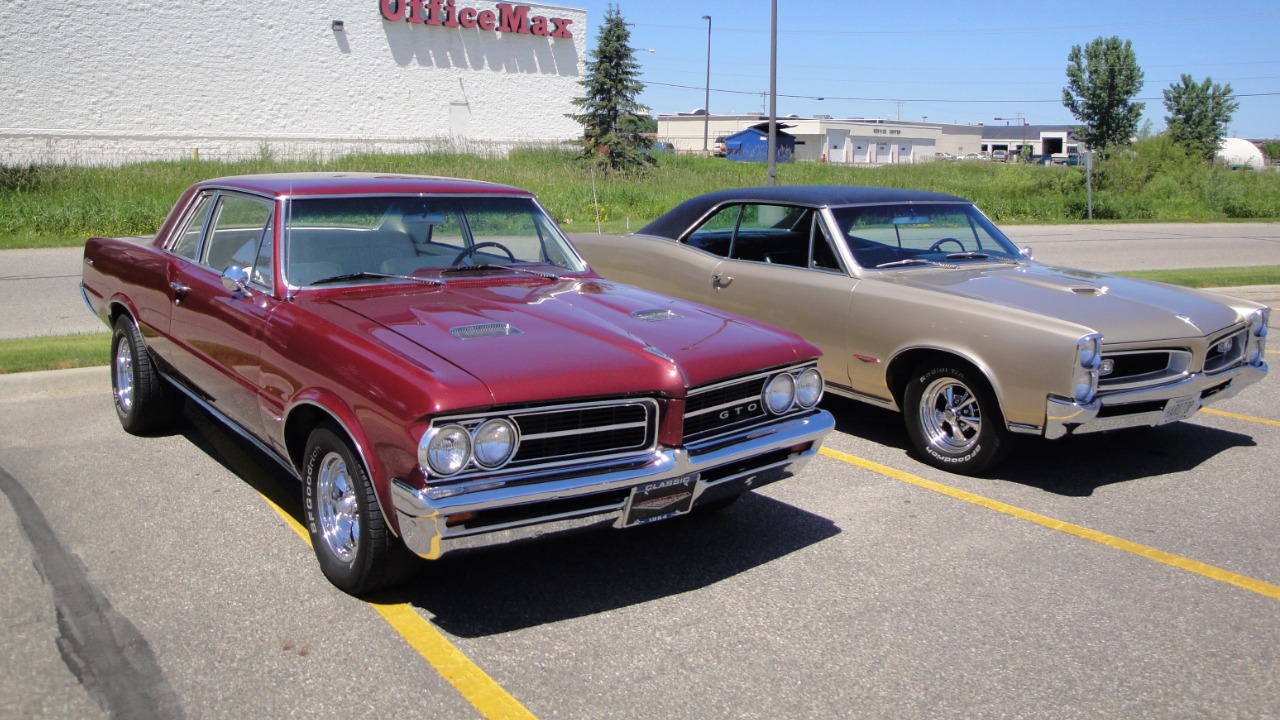
Often credited as the original muscle car, the Pontiac GTO made its debut in 1964 and changed the landscape of American performance vehicles. With a standard 389-cubic inch V8 engine producing 325 horsepower, the GTO offered incredible acceleration and a thrilling driving experience. Its success inspired other manufacturers to follow suit, leading to the muscle car craze of the 1960s. The GTO’s combination of performance, style, and affordability quickly earned it a dedicated fan base, making it a defining vehicle in the horsepower revolution.
Chevrolet Corvette (1953)

The Chevrolet Corvette has long been synonymous with American sports cars, and its debut in 1953 marked the beginning of an iconic legacy. With a 150-horsepower six-cylinder engine, the early models set the stage for future advancements. However, it was the introduction of V8 engines in 1955 that truly elevated the Corvette’s performance. The Corvette’s sleek design and powerful engines made it a symbol of speed and style, establishing a benchmark for performance vehicles in the years to come. Its evolution over the decades showcases the continued importance of horsepower in automotive engineering.
Shelby Cobra (1962)
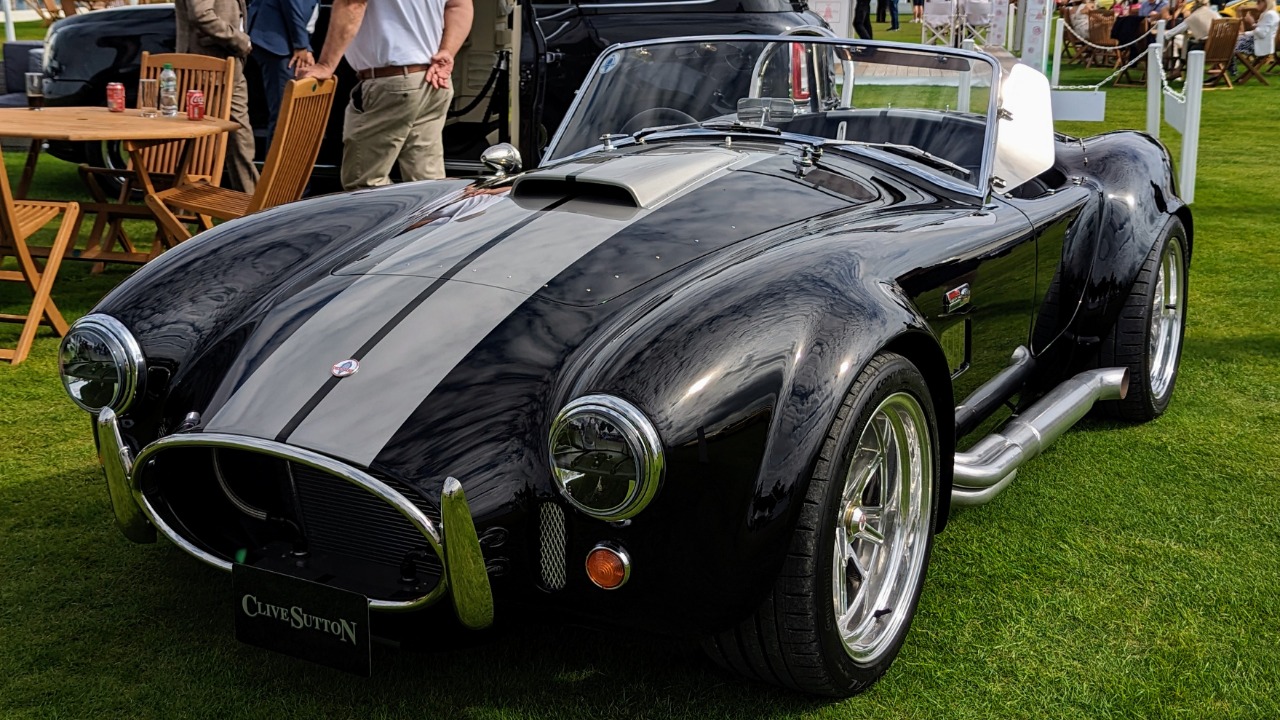
The Shelby Cobra, introduced in 1962, is a prime example of how horsepower can redefine performance. With a lightweight chassis and a powerful Ford V8 engine, the Cobra quickly became known for its incredible speed and agility. Producing up to 500 horsepower in some variants, it dominated both the street and the racetrack. The Cobra’s raw power and iconic design have made it a highly sought-after classic car, representing the pinnacle of performance in its era. It remains a benchmark for enthusiasts and collectors alike.
Mercury Cougar (1967)
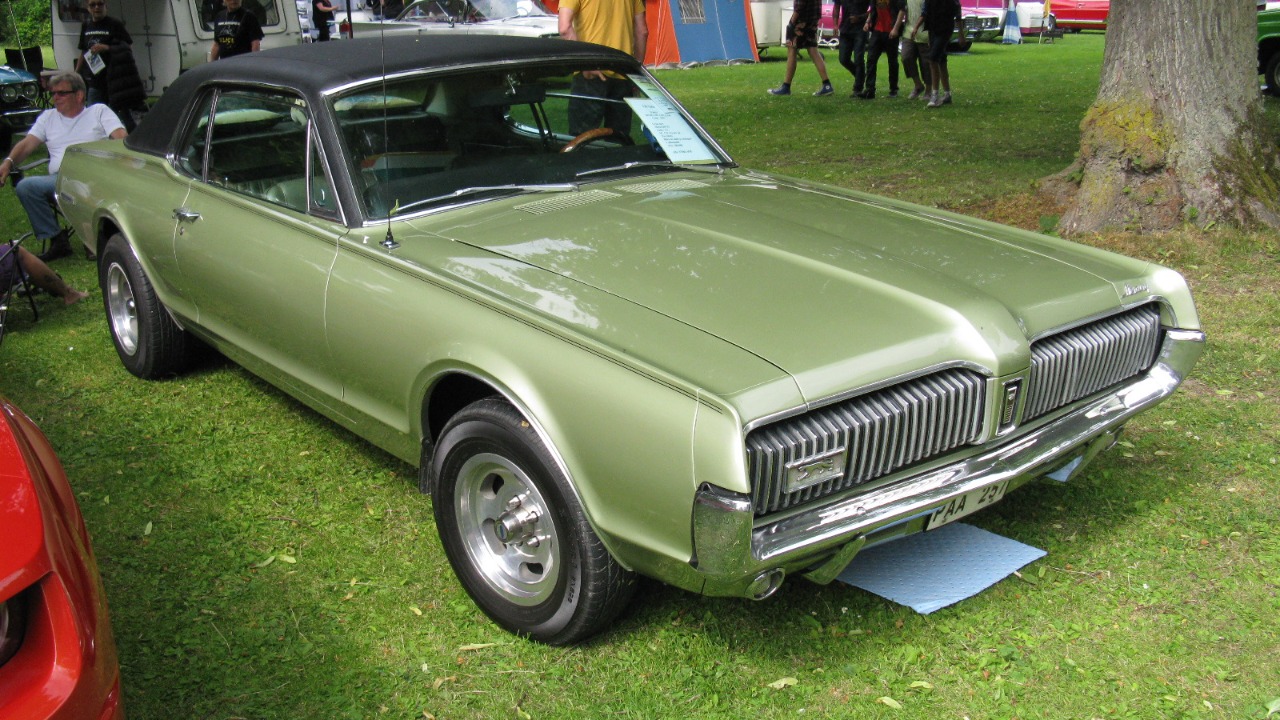
Introduced in 1967, the Mercury Cougar was positioned as a more upscale alternative to the Mustang, blending performance with luxury. The Cougar offered a range of engine options, including a potent 390-cubic inch V8 that produced 320 horsepower. Its stylish design and comfortable interior appealed to a broader audience while still delivering strong performance. The Cougar carved out its niche in the muscle car market, proving that horsepower could be paired with refinement, making it a classic example of this era in automotive history.
Oldsmobile 442 (1964)
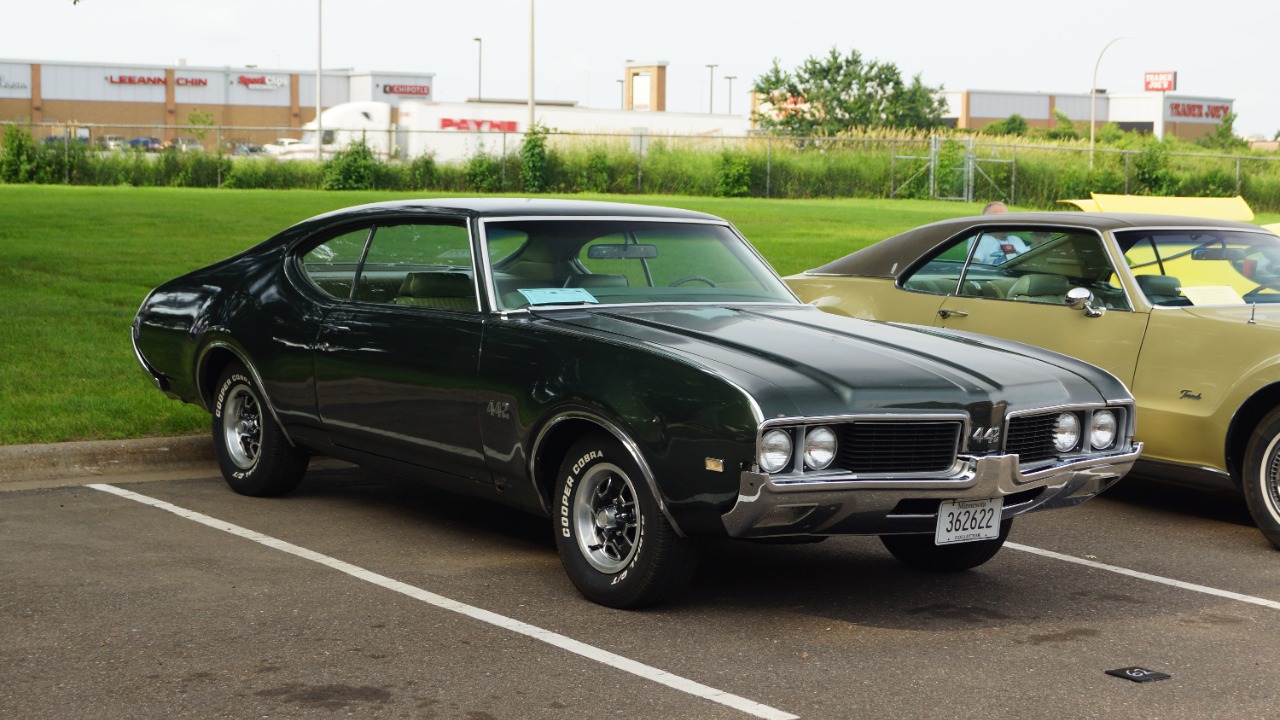
The Oldsmobile 442 debuted in 1964 and quickly established itself as a formidable contender in the muscle car segment. Originally named for its four-barrel carburetor, four-speed transmission, and two-door coupe body style, the 442 featured a 400-cubic inch V8 engine producing 350 horsepower. Its blend of performance and comfort made it a favorite among enthusiasts. The 442’s success helped solidify Oldsmobile’s reputation as a manufacturer of powerful vehicles, contributing to the growing horsepower obsession of the time.
Chrysler Hemi ‘Cuda (1970)
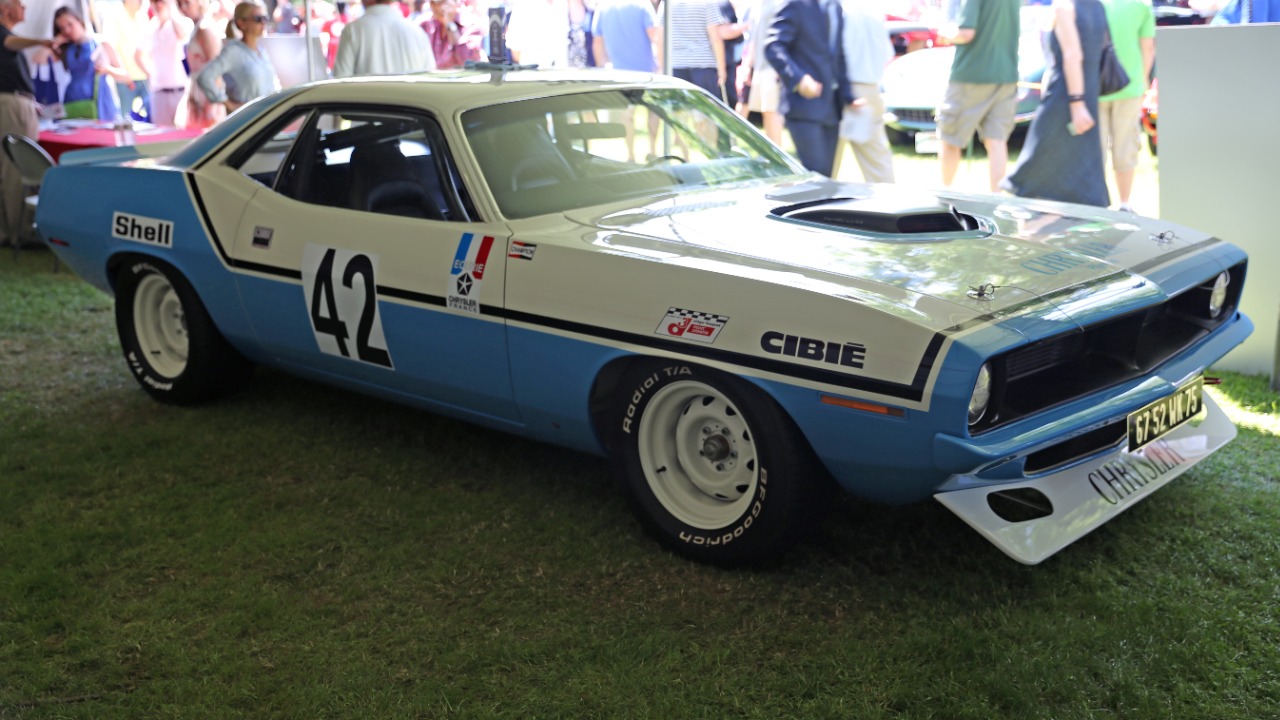
The Chrysler Hemi ‘Cuda, introduced in 1970, became an iconic symbol of horsepower and performance. With its aggressive styling and the legendary 426 HEMI engine producing up to 425 horsepower, it was a true powerhouse on the road. This muscle car was known for its impressive acceleration and distinctive design, making it a standout in the muscle car era. The ‘Cuda’s combination of raw power and aesthetic appeal has made it a sought-after classic, representing the peak of the horsepower trend that defined an era.
More from Fast Lane Only
- Unboxing the WWII Jeep in a Crate
- 15 rare Chevys collectors are quietly buying
- 10 underrated V8s still worth hunting down
- Police notice this before you even roll window down
*Research for this article included AI assistance, with all final content reviewed by human editors.