The RUF CTR Yellowbird did not just join the supercar conversation, it hijacked it on film. In an era when factory flagships were defined by wind tunnel numbers and corporate polish, a small German tuner turned a humble 911 into a camera-ready assassin that humiliated the establishment in full view of the world.
Its legend was forged not in a brochure but in a grainy, hypnotic lap of the Nürburgring, where a bare‑bones coupe on skinny tires looked quicker, wilder and more alive than the exotic machinery it was measured against. I want to trace how that unlikely combination of engineering, driver talent and VHS‑era filmmaking turned the Yellowbird into the car that made supercars look slow.
From obscure tuner to CTR YELLOWBIRD THE LEGEND
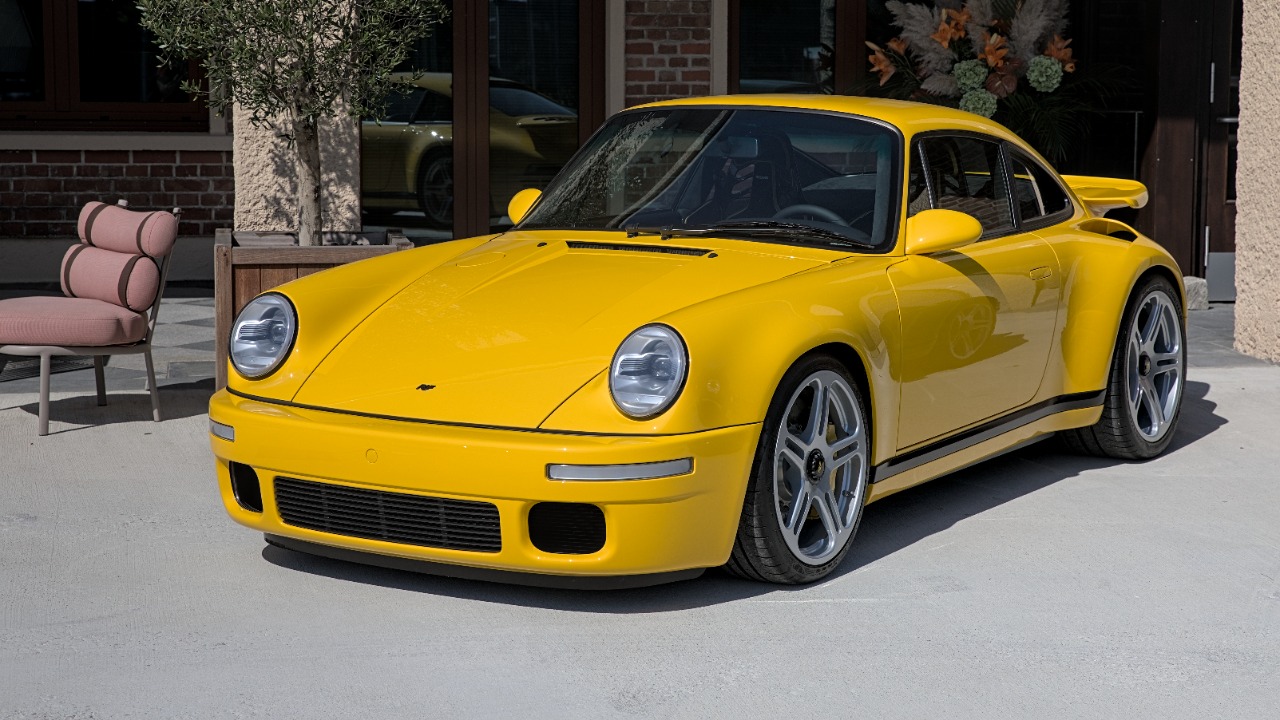
Before the cameras rolled, RUF was a niche name known mainly to hardcore Porsche fans, a workshop that modified 911s rather than a brand that could scare the world’s halo cars. That changed when the company created the CTR, a car that RUF itself now describes as CTR YELLOWBIRD THE LEGEND, and sent it to the Nürburgring with a single goal: prove that a small German outfit could out‑run the giants. The CTR was based on the Porsche 911 Carrera, but RUF reworked the chassis, aerodynamics and powertrain so thoroughly that it became a standalone model in its own right.
That transformation delivered RUF’s global breakthrough, with the CTR, famously known as the Yellowbird, emerging as the car that finally put the company on the map. A detailed auction listing for a 1989 RUF CTR1 “Yellowbird” Lightweight notes that RUF’s global breakthrough came in 1987 with the release of the CTR, famously known as the “Yellowbird,” based on the Porsche 911 Carrera and fitted with a race‑derived fuel‑injection system. That combination of humble origins and radical engineering set the stage for the on‑camera humiliation of far more expensive supercars.
How the Yellowbird out‑gunned the era’s supercar royalty
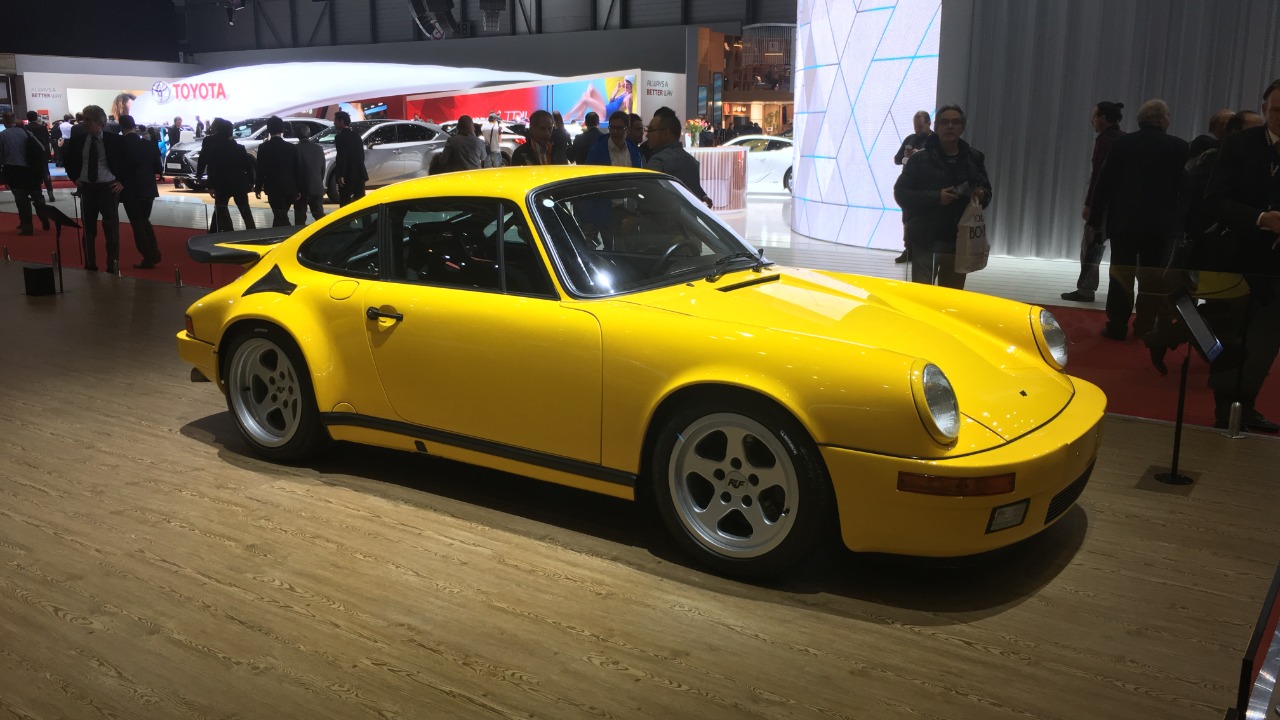
On paper, the Yellowbird’s performance already read like a challenge to the establishment. Contemporary tests and retrospectives point out that although the Porsche 959 was faster in terms of acceleration to 60 m, the Yellowbird could outperform all competition when it came to top speed at the time of its introduction. In other words, the car built by a tuner could run past the factory’s own technological showcase, a machine that had been developed as a rolling laboratory for all‑wheel drive, active suspension and cutting‑edge electronics.
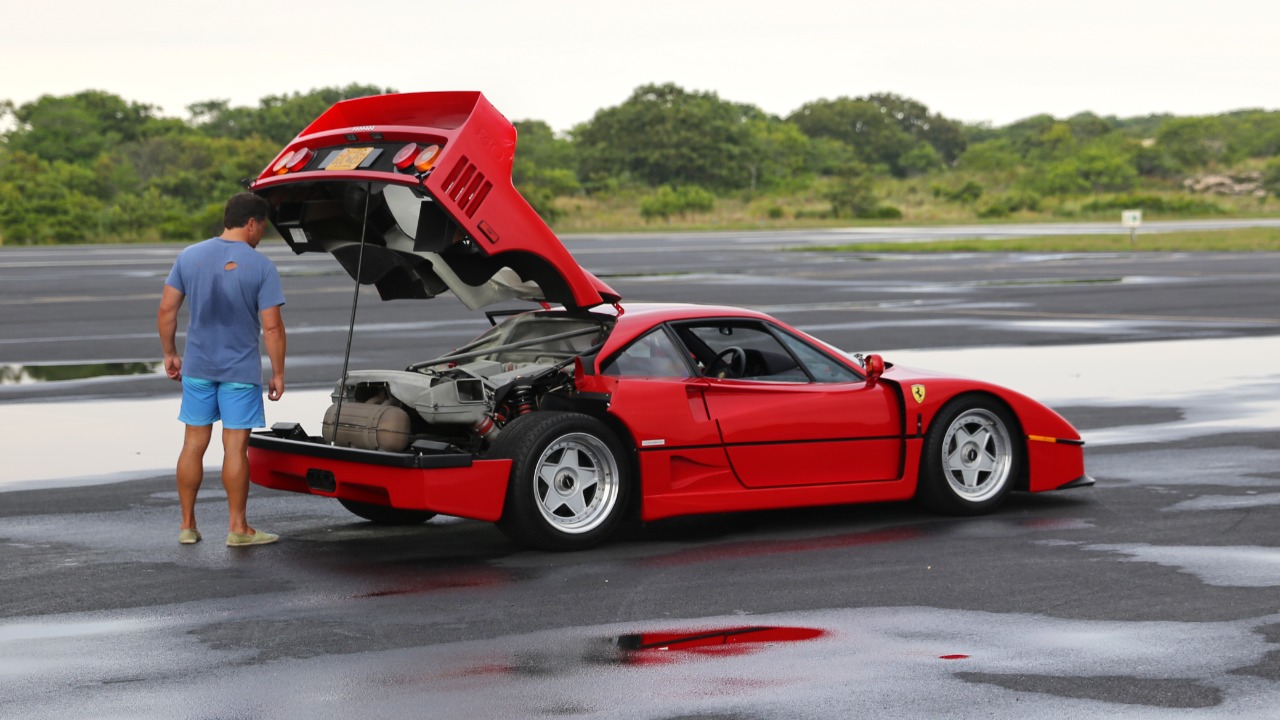
That context matters, because the 959 itself was no slouch. A long‑view assessment of supercars describes a more spectacular technical tour de force in its time than the contemporary Ferrari 288 GTO, noting that the 288 G and the 959 still fascinate enthusiasts decades later. Yet the Yellowbird, with its relatively simple rear‑drive layout and analog character, managed to eclipse these icons in the one metric that mattered most to bragging rights: outright speed.
“Faszination” and the lap that rewrote what a 911 could do
The numbers alone would have secured the Yellowbird a footnote in history, but it was the Nürburgring footage that turned it into a cult hero. In 1989, RUF test driver Stefan Roser took the CTR around the Nordschleife for a film that captured the car in full opposite‑lock flight, a sequence that has since been shared and reshared as the legendary video of Stefan Roser driving the RUF Yellowbird around the Nürburgring in a 911. The camera work is simple, the sound raw, yet the pace and commitment are so obvious that even non‑enthusiasts can sense they are watching something unfiltered and extreme.
That film, titled “Faszination on the Nürburgring,” has become a rite of passage for car fans. One widely shared social post puts it bluntly, saying that if you have not seen Faszination, you are failing at life, and calling it the video that shows what a no‑nonsense performance car can do when it is driven without electronic safety nets. I see that reaction as proof that the Yellowbird’s on‑camera heroics did more than document a fast lap, they reset expectations for what a 911‑shaped car could achieve in the hands of a fearless driver.
Why the footage still feels scarier than modern onboard videos
Part of the Yellowbird’s enduring power on screen comes from how exposed everything looks. There are no traction aids smoothing out Stefan Roser’s inputs, no stability control trimming the slides, just a driver in a light jacket sawing at the wheel while the car dances inches from the guardrail. A long‑time viewer on a car forum captures that sensation by admitting, But again, I am not feeling the car slide from under my seat. I couldn’t imagine what a handful that car was. Exactly the kind of machine where you are barely holding on for grip. That visceral disconnect between what viewers see and what they can physically feel only amplifies the drama.
Modern onboard clips, even from far quicker machinery, rarely deliver the same sense of jeopardy, because the cars look planted and the drivers cocooned. In contrast, the Yellowbird’s skinny tires, visible body roll and constant corrections make every corner look like a near miss, which is why the footage still circulates as a benchmark for bravery. I find that this rawness is what allows the CTR to embarrass newer supercars on camera: even if they are faster, they seldom look as alive or as close to the edge as Roser’s lap in that bright yellow coupe.
The small German shop that beat Porsche at its own 911 game
Behind the spectacle is a deeper story about a small German company daring to out‑Porsche Porsche. One detailed video history notes that in 1987 a small German company called Rough (a mispronunciation of RUF) managed to do something most automakers would not attempt, it built a car that could challenge and even surpass the era’s official supercars. That narrative is echoed in another short feature that frames the CTR as the car that beat Stuttgart at its own game, pointing out that it is not easy to build a better 911 than Porsche, yet in the late 1980s a small German tuning shop did exactly that with the CTR.
For me, that is the heart of why the Yellowbird’s on‑camera exploits sting so much for the establishment. The footage does not just show a fast lap, it shows a tuner‑built 911 calmly walking away from the reputation of the factory’s own 959 and its peers, using nothing more than clever engineering, low weight and a fearless driver. Every time the video resurfaces, it quietly reinforces the idea that innovation and courage can come from outside the big brands, and that is a narrative any underdog can appreciate.
Rarity, risk and the modern value of a VHS legend
The Yellowbird’s myth has only grown as the cars themselves have become rarer and more valuable. A recent incident over the summer highlighted just how precious they are, when a social media post described a moment of horror, starting with the line sitting with a friend when he gets the call that his customer’s RUF yellow bird fell off a trailer. The same report notes that RUF built fewer than 30 examples and that the car was capable of 343 km/h, figures that underline how irreplaceable each surviving CTR has become.
That scarcity feeds back into the way we watch the old Nürburgring footage. Knowing that fewer than 30 cars exist, and that one misjudged slide could have destroyed the prototype that made RUF famous, adds a layer of retrospective tension to every frame of “Faszination.” I see that as the final piece of the puzzle: a car that was faster than the 959, more dramatic on film than the Ferrari 288 GTO, and rarer than most modern hypercars, all captured in a single lap that still makes today’s supercars look tame whenever the Yellowbird appears on screen.