Head gasket trouble rarely starts with drama, yet it can end with a four-figure repair bill or a ruined engine. I want to explain what this thin part actually does, how it fails, and why the costs climb so fast when it goes wrong.
How the head gasket holds the engine together
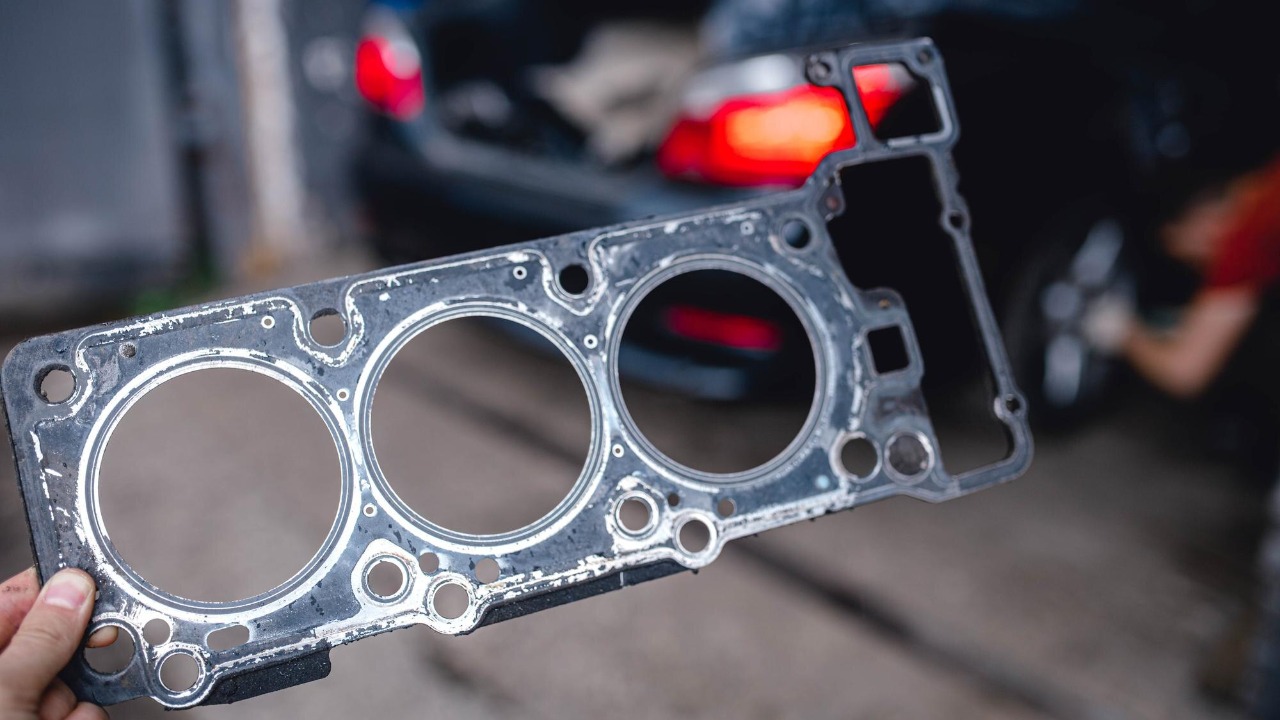
Every modern combustion engine relies on a tight seal between the engine block and the cylinder head. I see the head gasket as the referee that keeps three different systems from colliding: compression, coolant, and oil. It sits sandwiched between metal surfaces, sealing each cylinder so the air fuel mix can ignite without leaking, while also routing coolant and oil through separate passages. When that seal stays intact, the engine can build proper compression, maintain stable temperature, and keep lubrication where it belongs.
Designers build gaskets from layered steel, graphite, or composite materials so they can flex slightly as the engine heats and cools. That flexibility matters because the block and head expand at different rates, especially on engines that combine an aluminum head with a cast iron block. A modern multi layer steel gasket uses several thin sheets and coatings to maintain clamping force and resist erosion from hot gases. Automakers such as Subaru and Toyota have updated gasket designs over the years to handle higher cylinder pressures and hotter running temperatures in turbocharged engines, which shows how central this part is to long term reliability.
Why head gasket failures happen in the first place
Most blown gaskets do not fail out of nowhere. I usually see a chain of stressors that slowly weaken the seal until it gives up. Chronic overheating ranks at the top of that list, because extreme heat can warp the cylinder head and crush or burn the gasket material. A stuck thermostat, failed cooling fan, clogged radiator, or low coolant level can all push temperatures high enough to start that damage. Once the head no longer sits perfectly flat on the block, combustion pressure finds the weakest spot and begins to leak.
Age and mileage also play a quiet role. Repeated heat cycles harden gasket coatings and can reduce clamping force as head bolts stretch slightly over time. Engines that see frequent short trips may never fully warm up, which can leave condensation and fuel traces in the oil and promote corrosion around the gasket edges. Turbocharged or supercharged engines run higher cylinder pressures, so any small defect in the sealing surface can grow into a full breach. Poor maintenance, such as ignoring coolant changes or using the wrong coolant type, can accelerate internal corrosion and eat away at gasket layers near coolant passages.
Warning signs that a head gasket is failing
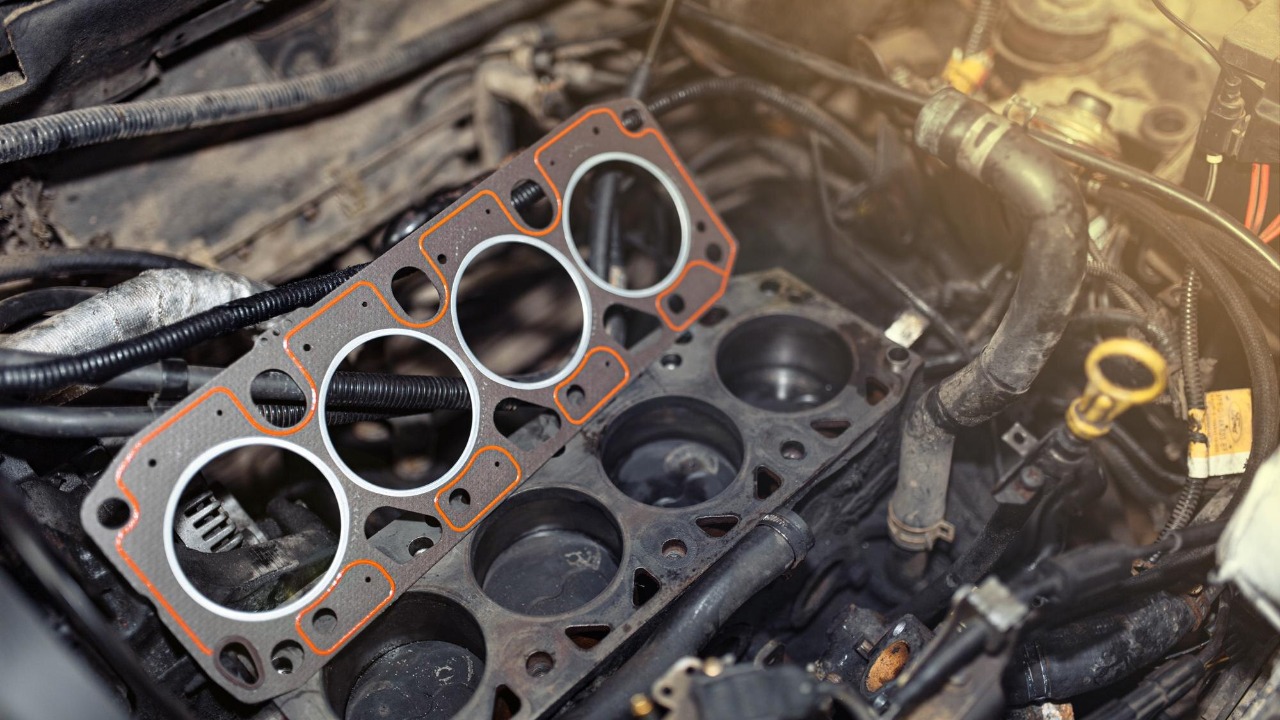
Early symptoms often look like generic cooling or misfire issues, which is why many drivers miss the first clues. I watch for unexplained coolant loss with no visible leaks, because that can mean coolant is slipping into a cylinder or the crankcase. White exhaust smoke that lingers after warm up, especially with a sweet smell, suggests coolant is burning in the combustion chamber. Rough running on startup, a shaky idle, or a misfire code on one or two adjacent cylinders can point to a gasket breach between those cylinders.
Other signs show up under the hood. Milky sludge on the oil dipstick or under the oil cap indicates coolant mixing with oil, which often happens when a gasket fails near an oil passage. Bubbles in the coolant reservoir while the engine runs can reveal combustion gases forcing their way into the cooling system. A compression test or leak down test can confirm low compression in one cylinder, while a chemical block test can detect exhaust gases in the coolant. I treat any combination of these symptoms as a reason to stop driving and get a proper diagnosis, because continued use can turn a repairable failure into a full engine replacement.
Why the repair bill climbs so quickly
Replacing a head gasket is not expensive because of the part itself. The gasket usually costs a fraction of the total bill. Labor dominates the estimate, since technicians must strip the top of the engine, remove the intake and exhaust manifolds, disconnect timing components, and lift the cylinder head. That process can take many hours on a transverse mounted engine in a compact car, and even longer on a V6 or V8 with tight packaging. Shops also replace a long list of related seals, bolts, and fluids, which adds parts cost but helps prevent repeat failures.
Machine work often pushes the price higher. If overheating warped the cylinder head, a machine shop must resurface it to restore a flat sealing surface. Cracks in the head or block can require welding, pressure testing, or complete replacement. On some engines, especially in older Subaru EJ series or certain BMW inline six models, the labor and machining can approach or exceed the value of a high mileage car. Many owners then face a choice between a head gasket job, a used or remanufactured engine, or retiring the vehicle entirely. That decision becomes even harder when the failure has already damaged bearings or pistons, since coolant in the oil can strip away lubrication and score internal parts.
How to reduce the odds of a costly failure
Preventive habits give the best protection against a blown gasket and the bills that follow. I always recommend watching the temperature gauge and never driving through an overheat event. Pulling over and shutting the engine off can save the head from warping and keep the gasket intact. Regular cooling system service, including coolant flushes at the intervals in the owner manual, helps prevent corrosion and keeps passages clear. Replacing a weak radiator cap, worn hoses, or a sticky thermostat early costs far less than tearing down an engine later.
Thoughtful driving also matters. Avoiding repeated full throttle runs on a cold engine reduces stress on the gasket and head bolts. Turbocharged engines benefit from gentle driving during warm up and a short cool down period before shutdown, which helps control heat soak around the head. When buying a used car, I look for service records that show cooling system maintenance and I pay close attention during a pre purchase inspection. A simple compression test, a check for combustion gases in the coolant, and a careful look at the oil and exhaust can reveal trouble before money changes hands. Those steps do not guarantee a gasket will never fail, but they tilt the odds in favor of a long, uneventful engine life.