Balancing performance modifications with daily drivability is essential for car enthusiasts who want to enjoy the best of both worlds. While enhancing a vehicle’s performance can significantly boost its speed and handling, maintaining comfort and reliability for everyday use is equally important. Car enthusiasts often face the challenge of upgrading their vehicles for better performance while ensuring they remain practical for daily commuting.
Understanding Your Goals
To strike the right balance between performance and drivability, it’s crucial to first assess your vehicle’s primary purpose. Ask yourself if your car is mainly for weekend track events or if it’s your daily commuter. For instance, a 2022 Ford Mustang GT might serve a dual purpose as a powerful sports car while being practical enough for daily use. Knowing your goals will guide your modification decisions.
Once you’ve established the primary use of your vehicle, prioritize modifications that align with your needs. If you’re leaning towards track performance, consider investing in high-performance tires and suspension upgrades. On the other hand, if daily comfort is a priority, focus on modifications that enhance handling without compromising ride quality. Budget considerations also play a critical role; setting a realistic budget ensures you can achieve your goals without overspending. Keep in mind potential maintenance costs, as performance enhancements often require more frequent upkeep.
Suspension and Handling
Suspension modifications are key to improving a vehicle’s handling, but they can also impact ride comfort. Choosing the right suspension system, such as coilovers or air suspension, can provide the adjustability needed for both performance and comfort. For example, a 2005 Subaru WRX STI could benefit from adjustable coilovers, allowing you to tune the ride height and stiffness according to your driving needs.
Tire and wheel choices significantly affect both performance and daily usability. Opting for low-profile tires may enhance cornering grip but can also lead to a harsher ride. Consider a balanced tire setup that suits your driving conditions and preferences. Proper alignment and balance are also crucial for optimal handling. Ensuring correct wheel alignment and weight distribution can help maintain stability and comfort. For instance, a 2019 BMW 3 Series could achieve improved handling with a performance-oriented alignment while still providing a comfortable ride for everyday use.
Power and Performance
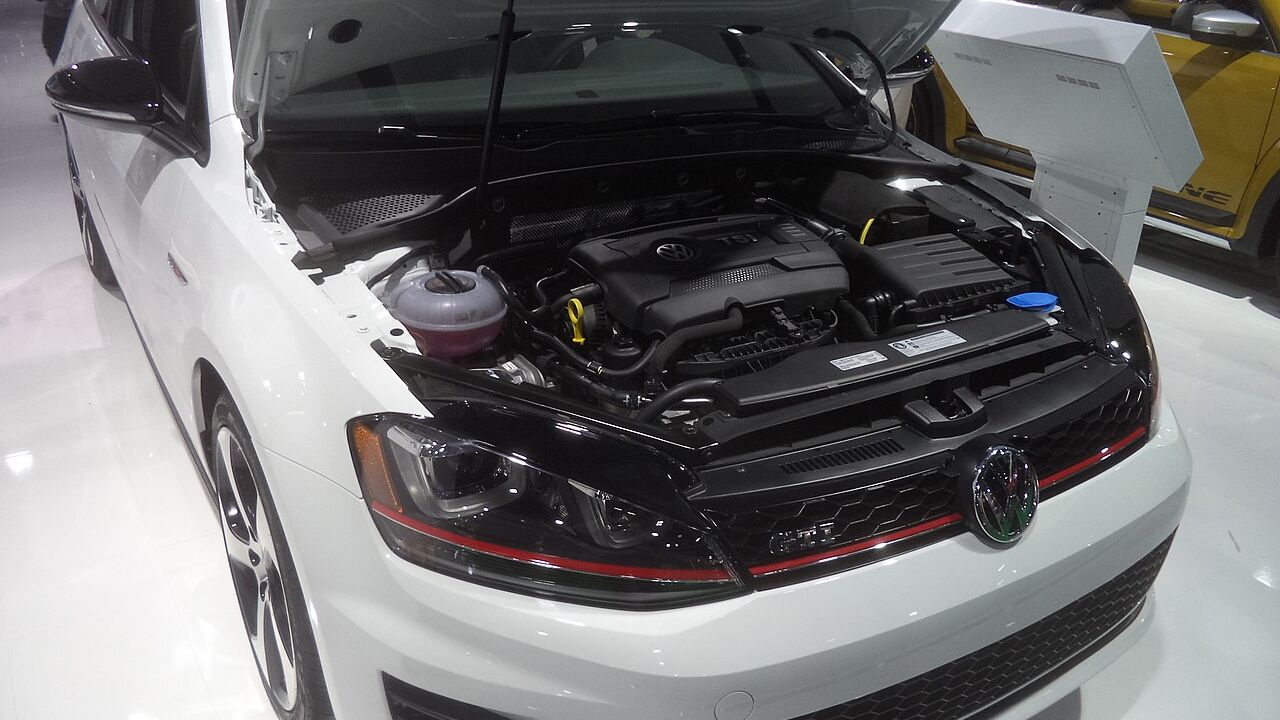
When considering engine tuning and upgrades, it’s important to weigh the benefits of increased power against potential reliability issues. Options like ECU remaps or turbo kits can significantly boost horsepower in vehicles like the 2017 Volkswagen Golf GTI. However, it’s essential to prioritize reliability to avoid frequent repairs or breakdowns. Consulting with a knowledgeable tuner can help you achieve the right balance.
Aftermarket exhaust systems are another popular modification for enhancing performance. While they can improve exhaust flow and increase horsepower, it’s important to consider sound levels and local noise regulations. For example, a Borla exhaust system on a 2016 Chevrolet Camaro can provide a deeper exhaust note without being excessively loud. Additionally, balancing power with control is crucial for safety. Upgrading brakes and other control systems ensures you can manage increased power effectively. A 2018 Audi S4, for instance, might benefit from upgraded brake pads and rotors to complement engine enhancements.
Interior and Comfort
Maintaining interior comfort is essential when making performance modifications. While some upgrades may compromise cabin amenities, there are strategies to retain comfort. For example, upgrading the seats in a 2020 Honda Civic Type R to provide better support can enhance both performance and comfort during spirited drives. Retaining features like air conditioning and infotainment systems ensures daily usability.
Noise and vibration are common concerns with performance modifications. Increased engine and road noise can detract from the driving experience. Implementing soundproofing measures, such as adding insulation to door panels and the floor, can help mitigate these issues. A 2015 Lexus IS 350, for instance, can benefit from such enhancements to maintain a quiet cabin environment. Integrating modern technology and convenience features, like smartphone connectivity and advanced driver-assistance systems, can also enhance the daily driving experience without adding unnecessary complexity.
Maintenance and Reliability
Regular maintenance is critical to ensuring the longevity and reliability of a modified vehicle. Sticking to a consistent service schedule helps identify potential issues early, preventing costly repairs. For example, a 2014 Porsche 911 Carrera with aftermarket performance parts will require more frequent oil changes and inspections to ensure optimal performance.
Investing in high-quality aftermarket parts is another key factor in maintaining reliability. While cheaper options may be tempting, they often lack the durability and performance of reputable brands. Choosing quality components for your 2021 Toyota Supra can enhance both performance and longevity. Additionally, it’s important to understand how modifications may affect your vehicle’s warranty and insurance policies. Some modifications can void warranties, so it’s crucial to consult with your dealer or insurance provider before making changes.
Like Fast Lane Only’s content? Be sure to follow us.
Here’s more from us:
*Created with AI assistance and editor review.