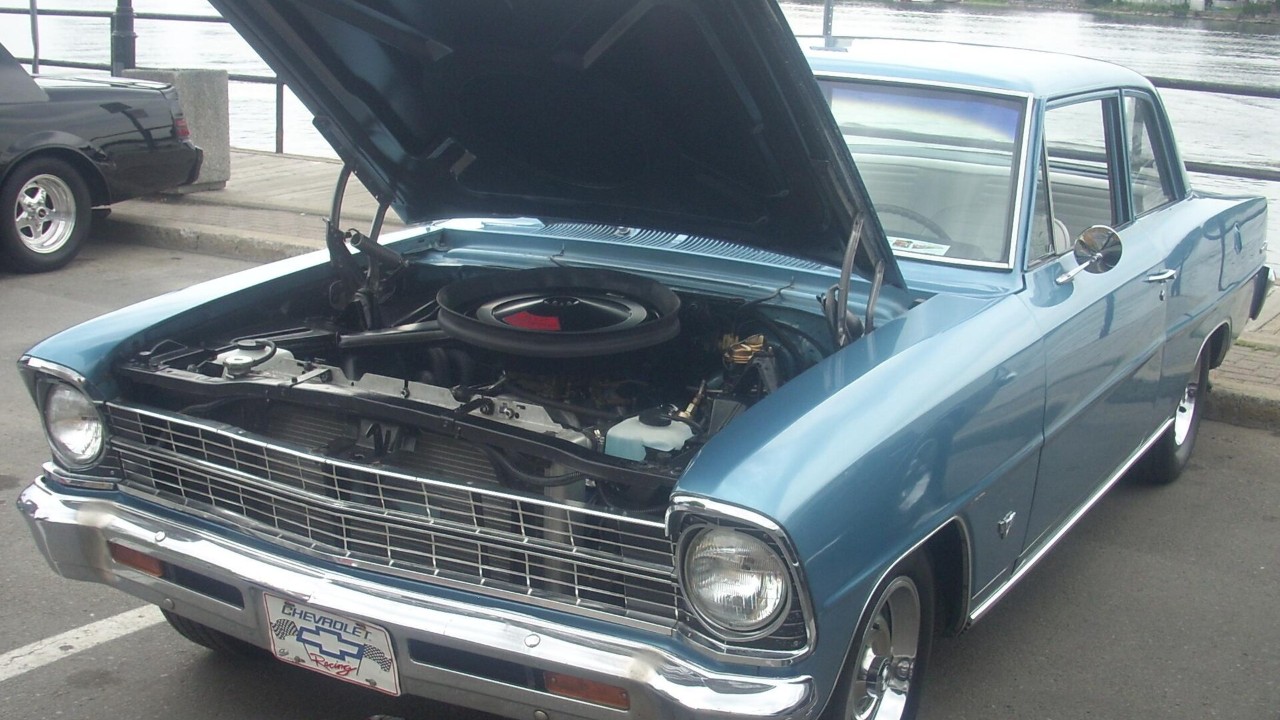
The Chevrolet Nova built its reputation on small-block V8s and the SS badge. For 1975, Chevrolet called the restyled Nova the most-changed car in its whole lineup that year, and the nameplate kept selling in big numbers for years after that.
However, a long-running name always has weak links. Over more than two decades, the Nova and the Chevy II wore stripped-out economy trims, pricey luxury packages and even a Toyota body. Some of those cars were fine to drive yet hard to love. Others asked buyers to pay more for less.
These four are our picks for the Novas we’d think twice about, and why. The prices, sales figures and engine ratings come from period histories and the cars’ published records. The verdicts are our opinion. Each car gets a fair hearing, plus advice if you want one anyway.
1. 1967 Chevrolet Chevy II 100
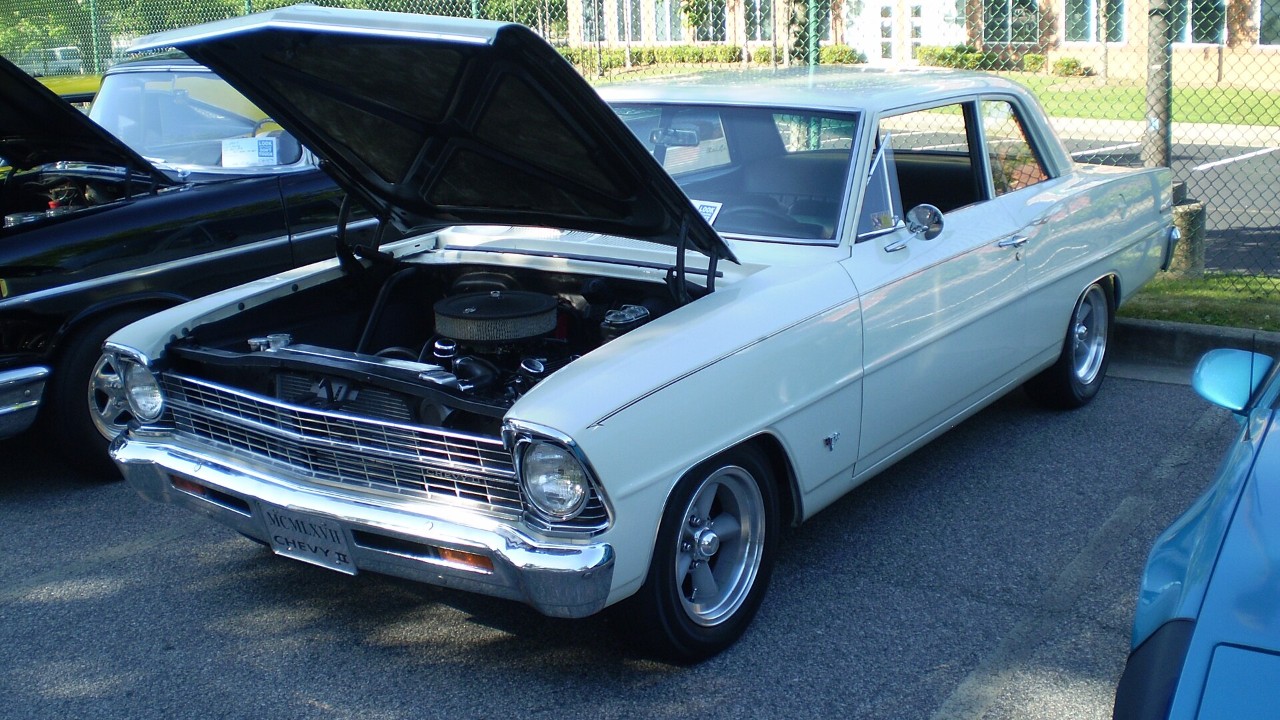
The Chevy II 100 was the bottom rung of Chevrolet’s compact ladder. It was also the only Chevy II you could buy with the 153-cubic-inch four-cylinder engine, rated at 90 horsepower. Trim was sparse, too. The 100 had little chrome or brightwork, while buyers who stepped up to the Nova got the nicer details.
The timing didn’t help. For 1967, the Chevy II received only a touch-up after a full restyle the year before. Sales then fell by more than a third, to about 106,500 cars. Curbside Classic’s look at a 1967 Chevy II 100 points out that the four-cylinder 100 cost exactly $38 less than a Corvair 500 coupe. Meanwhile, the Corvair offered a bigger, smoother six.
To be fair, the 1967 car did gain real safety equipment. That list included an energy-absorbing steering column and a dual master cylinder for the brakes. Even so, we’d pass on a four-cylinder 100. It is a lot of car for 90 horsepower, and it gives you none of the Nova trim that makes these cars fun to own today. If you want a budget Nova with more punch, our list of Novas that delivered big performance on a budget is a better place to start.
Buyer advice: if you love the 1967 shape, look for a six-cylinder or V8 car instead, and confirm the engine before you agree on a price.
2. 1976 Chevrolet Nova Concours
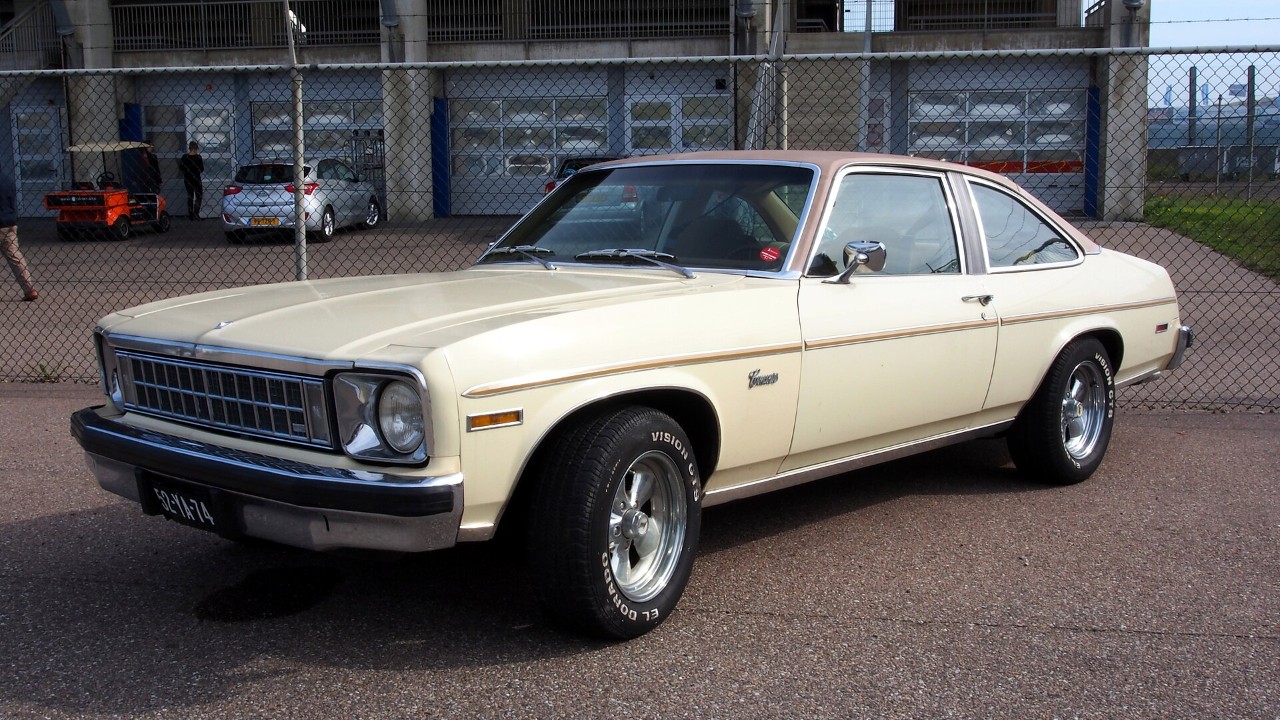
For 1976, Chevrolet renamed its luxury LN trim the Concours and tried to market it as a model of its own. The VIN even used a different second character. However, Mac’s Motor City Garage calls the rebranding “half-hearted at best.” In fact, Nova emblems stayed on the grille and the instrument panel in the first year.
The prices weren’t half-hearted, though. Base prices ran from $4,066 to $4,274, and a fully optioned car could edge toward $6,000. A V8 Concours coupe cost $547 more than a comparable base Nova. In return, you got the same X-body platform, the same 111-inch wheelbase and the same three body styles. Meanwhile, engine choices were weak by any standard. The 250 six made 105 horsepower, the 305 V8 made 140, and the best 350 V8 made 165.
Our take: the Concours was a dressed-up Nova with a heavier price tag and smog-era power. It was dropped after 1977, when the Nova Custom took over as the top trim. That short run makes it unusual, but unusual is not the same as desirable. We’d rather put the extra money into a well-sorted earlier Nova.
Buyer advice: if you must have a Concours, hold out for a 350 V8 car, skip the 105-horsepower six, and expect to pay a premium only for condition, never for the badge.
3. 1979 Chevrolet Nova sedan
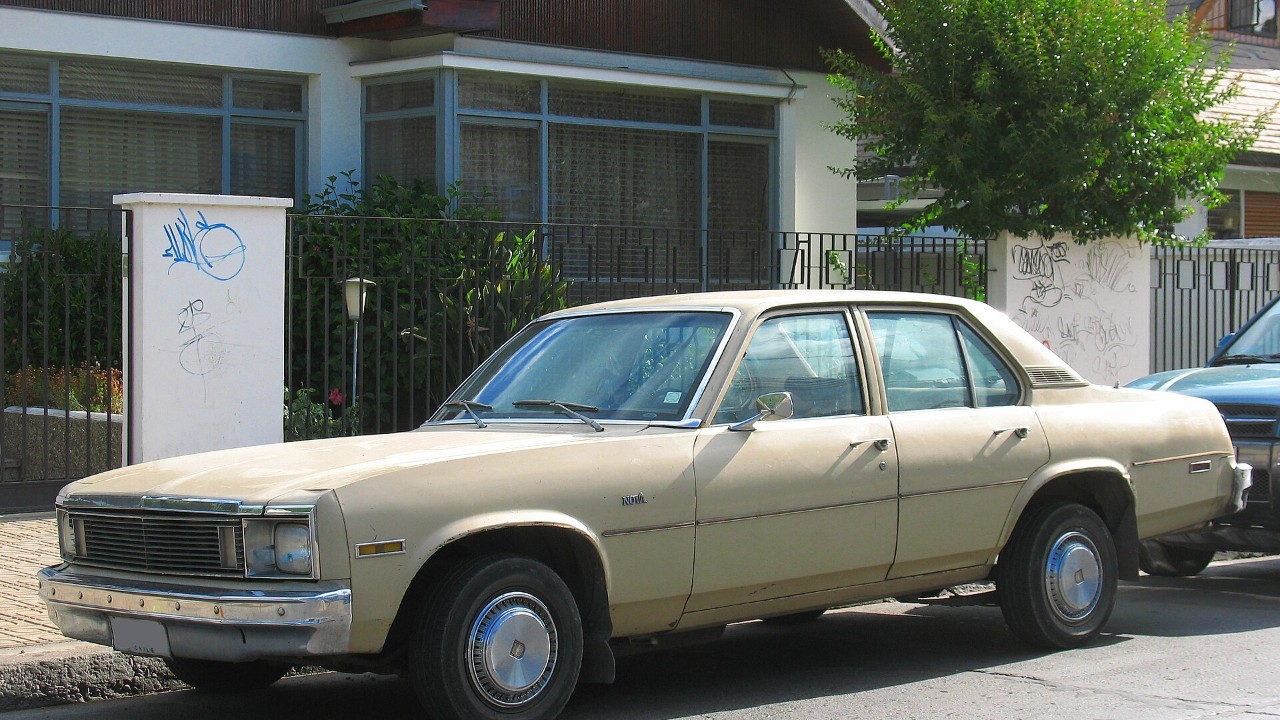
The 1979 model was the end of the line for the rear-wheel-drive Nova. Chevrolet ended regular production on December 22, 1978. Its replacement, the front-drive Citation, was already waiting in the wings. As a result, the final Nova got a new grille and one-year-only rectangular headlights, but little else.
According to Curbside Classic’s 1979 Nova profile, Chevrolet sold 97,721 cars that year, and more than 82,000 were standard Novas. Engine choices were the 250 inline six and a two-barrel 305 V8. Chevrolet offered a 350 V8 only in California and high-altitude states. The same profile also notes that the Nova’s back seat was pretty tight. By then, the SS package was long gone, too. Our story on why the Nova SS disappeared for decades explains that side of the story.
We’d pass on a 1979 sedan if you want a Nova to enjoy. It is the oldest design wearing the newest smog-era tune. In other words, you get the cramped cabin of an aging compact without the engines that made those cars worth chasing. The one-year headlights are a fun bit of trivia, and that’s about it.
Buyer advice: if you buy a 1979 sedan, treat it as a cruiser, check under any vinyl roof for bubbling rust, and choose a V8 car if you plan to drive on the highway.
4. 1986 Chevrolet Nova sedan
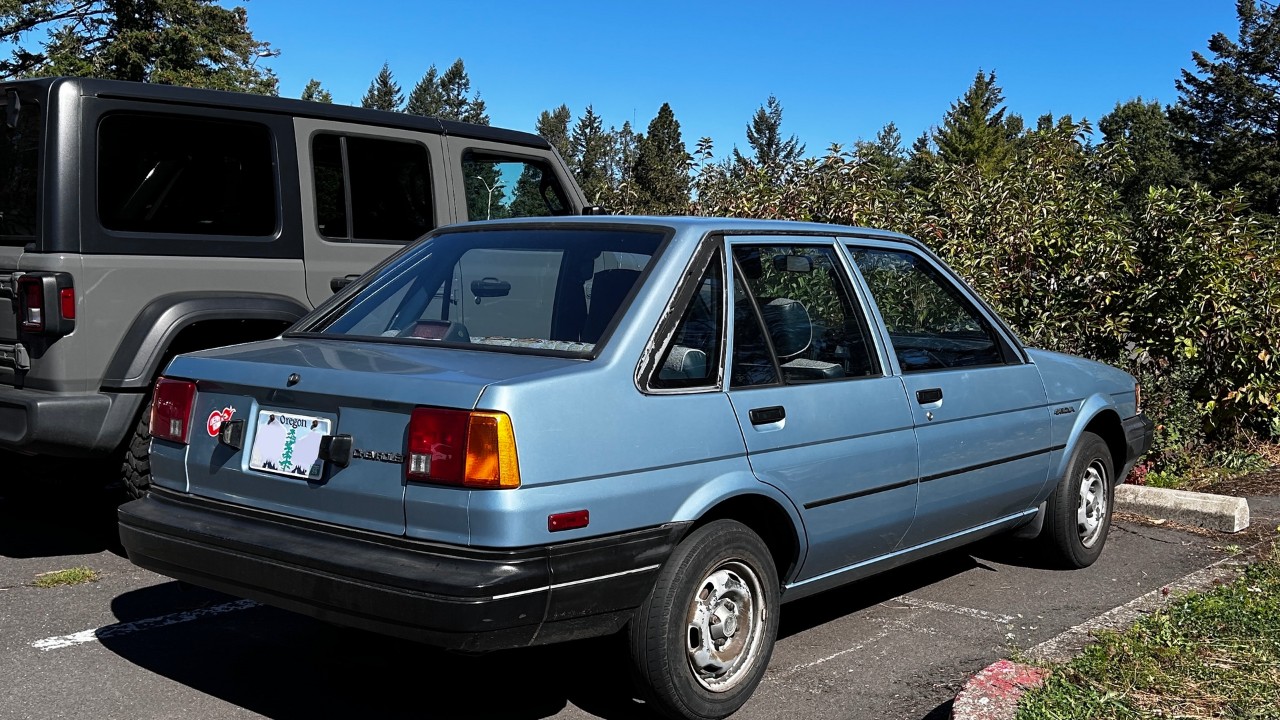
In 1985, the Nova name came back on a very different car. The NUMMI plant in Fremont, California, a joint venture between GM and Toyota, built it. In fact, NUMMI’s first car, a yellow Chevrolet Nova, rolled off the line by December 1984. Underneath, it shared its chassis with the fifth-generation Corolla and wore the body of the Toyota Sprinter.
Power came from a carbureted 1.6-liter four with 74 horsepower. According to Curbside Classic’s 1986 Nova profile, the 1986 notchback started at $7,435. That was about 8% more than a comparable four-cylinder Cavalier at $6,888. Chevrolet sold close to 168,000 Novas for the extended 1986 model year, while the Cavalier sold more than twice as many. The same piece notes that the car it found had rust nobody had bothered to patch.
To be fair, Curbside also calls the Nova probably one of the most reliable Chevrolet-branded small cars ever. Still, our verdict is about value and fun, not durability. It was slow, it cost more than the Chevy most buyers wanted, and rust is a real worry. For 1989, Chevrolet renamed it the Geo Prizm.
Buyer advice: if you want a NUMMI Nova, put rust at the top of your checklist and look for the 1988 Twin Cam, rated at 110 horsepower. As for the plant itself, NUMMI closed in April 2010, and the site reopened that October as the Tesla Fremont Factory.
More from Fast Lane Only