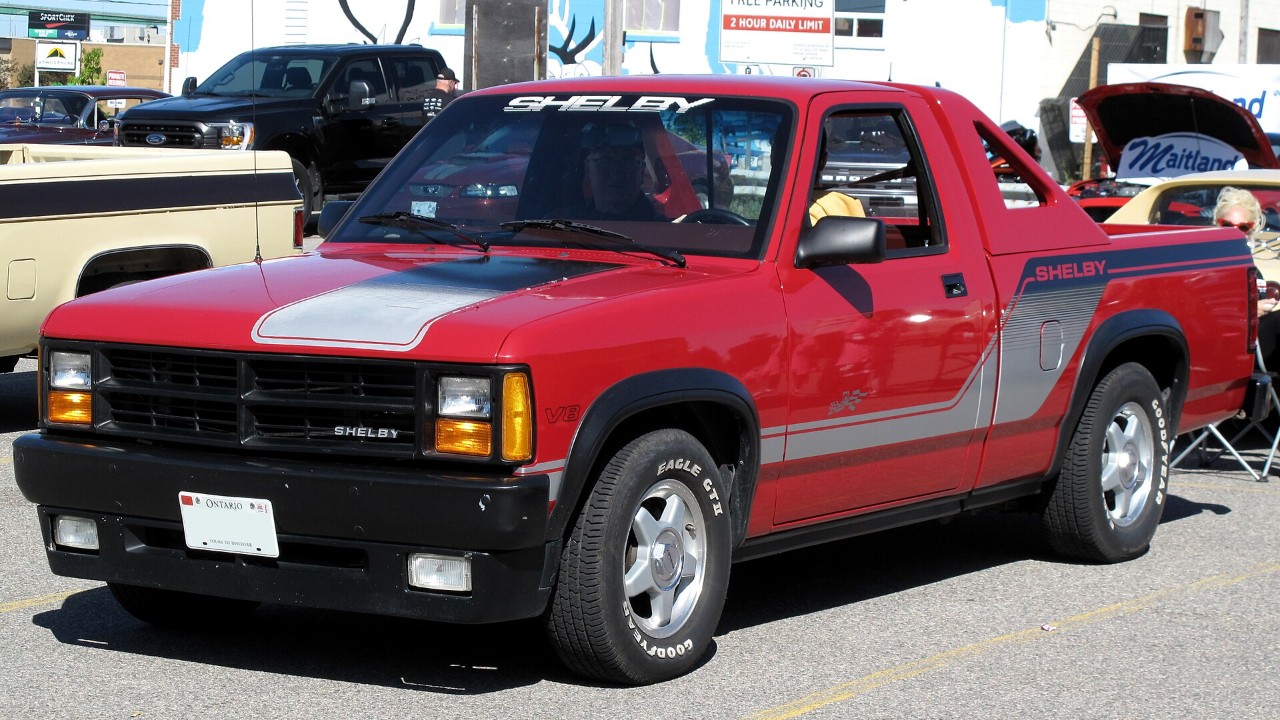
In 1989, the Dodge Dakota became Carroll Shelby’s first rear-wheel-drive vehicle in two decades. That small V8 pickup also sums up a whole side of Dodge history. For years, the brand built odd, fun and overlooked machines, and most buyers simply used them up.
Many of those cars never got respect when they were new, because they were too boxy, too cheap or too strange to make the posters. However, the people who grew up around them now want one back. Meanwhile, we think clean examples are getting harder to find.
These seven are our picks for Dodges that won’t stay cheap much longer. The engines, build totals and launch details come from registries, maker records and reference histories. We left out price guesses on purpose, so the verdicts here are our opinion rather than a market forecast.
1. 1976 Dodge Warlock
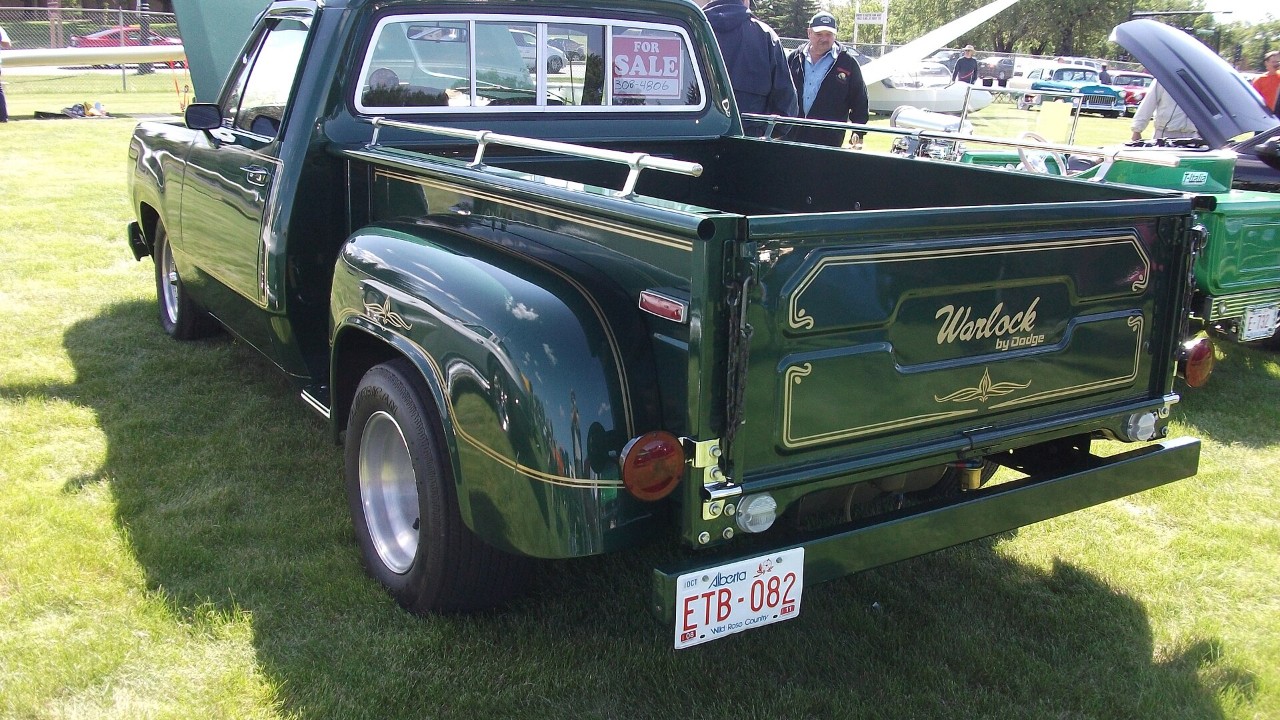
The Warlock started as a limited run in 1976. After that, Dodge built it as a regular model from 1977 to 1979. According to CJ Pony Parts’ guide to the Warlock, the first trucks came only in black, with chrome accents, a gold stripe and real oak sideboards on the bed.
Under the hood, buyers could pick almost anything in the D-Series catalog. The range ran from the Slant Six through 318, 360 and 400 V8s, then up to a 440. Dodge also offered both two-wheel drive and four-wheel drive, and the 4×4 trucks carried the Power Wagon name.
Dodge leaned into the fun, too. As The Autopian recounts, the Warlock became one of the company’s “Adult Toys.” That campaign appeared in ads from 1977 and in the 1978 pickup brochure. Inside, bucket seats and a black interior completed the look.
Our take: a truck sold as a toy usually lived a hard life. So, in our view, a straight, original Warlock is a short window. Because of that, we would buy the best one we could find now, rather than wait for a perfect truck to appear.
2. 1984 Dodge Rampage
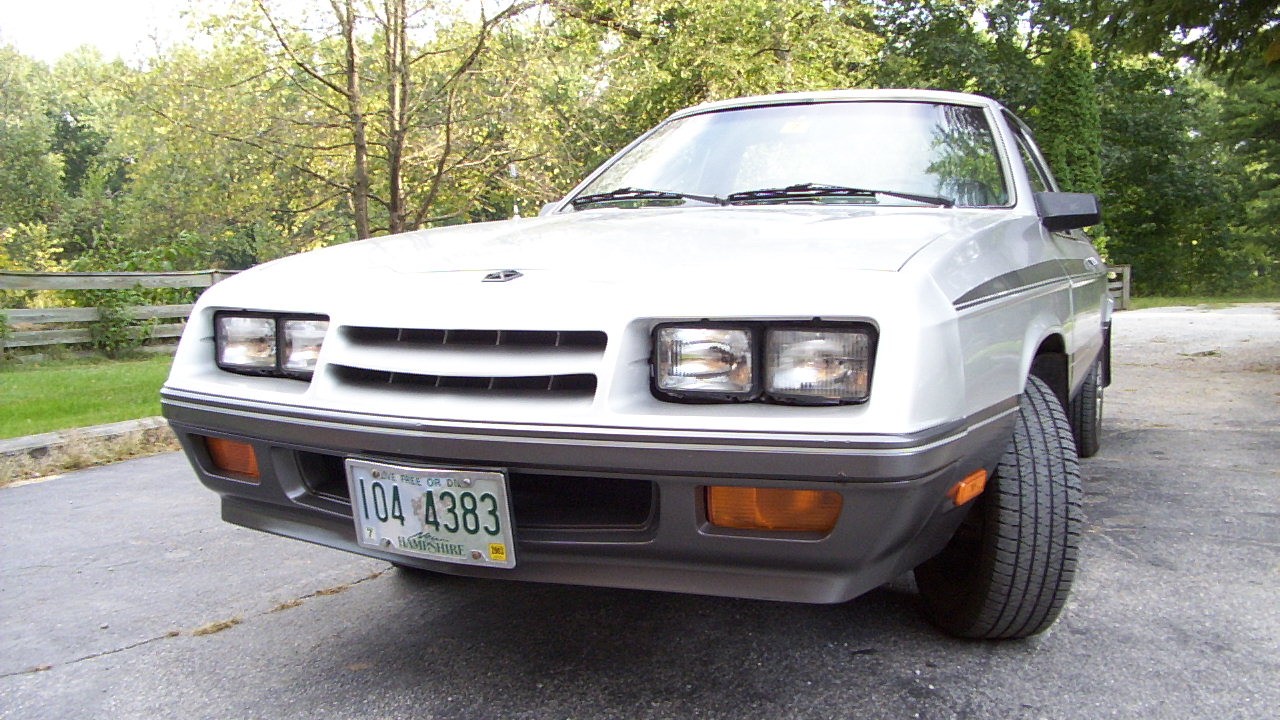
The Rampage was a front-wheel-drive pickup built from 1982 to 1984 on Chrysler’s L platform. In fact, it borrowed its unibody and front end from the Dodge Omni 024. Yet it carried a real half-ton rating of 1,145 pounds. That was about 90% of what a Chevrolet El Camino could carry.
The 1984 model is the one to know, because it got the most changes. That year, Dodge gave it the Charger’s front fascia and quad headlights instead of the old dual units. It also gained a vertically split grille. Meanwhile, power came from a carbureted 2.2-liter four with 84 to 99 horsepower, depending on the year.
Sales show a truck that arrived early. Dodge sold 17,636 in 1982, then 8,033 in 1983 and 11,732 in its final year. Now the idea is back in the news, as our report on how Ram weighs the Rampage name’s U.S. future explains. In our view, every headline about small trucks makes the original look smarter. That is also why we think the 1984 Rampage won’t stay a bargain for long.
3. 1986 Dodge Daytona Turbo Z

The Daytona arrived for 1984 on Chrysler’s front-wheel-drive G-body, which grew out of the K-car platform. By 1985, its 2.2-liter Turbo I engine made 146 horsepower. That was strong for a compact hatchback of the mid-1980s by the standards of the day.
However, the 1986 Turbo Z gets interesting with the C/S package. This Carroll Shelby handling option came only on the Turbo Z. It added thicker anti-sway bars, 32 mm at the front and 28 mm at the rear. It also brought performance struts and 225/50VR15 Goodyear Eagle Gatorback tires. Dodge built 44,366 Daytonas for 1986, while 7,704 buyers ticked the C/S box.
Then the car got quicker still. For 1987, the Shelby Z used an intercooled Turbo II rated at 174 horsepower and 200 pound-feet of torque. Our earlier piece on the Daytona Turbo Z that aimed at Porsche covers its ambitions. Here, the point is the handling package. Our take: a C/S car with its sway bars intact is the Daytona we would grab first, since those parts are what set it apart.
4. 1989 Dodge Dakota Shelby
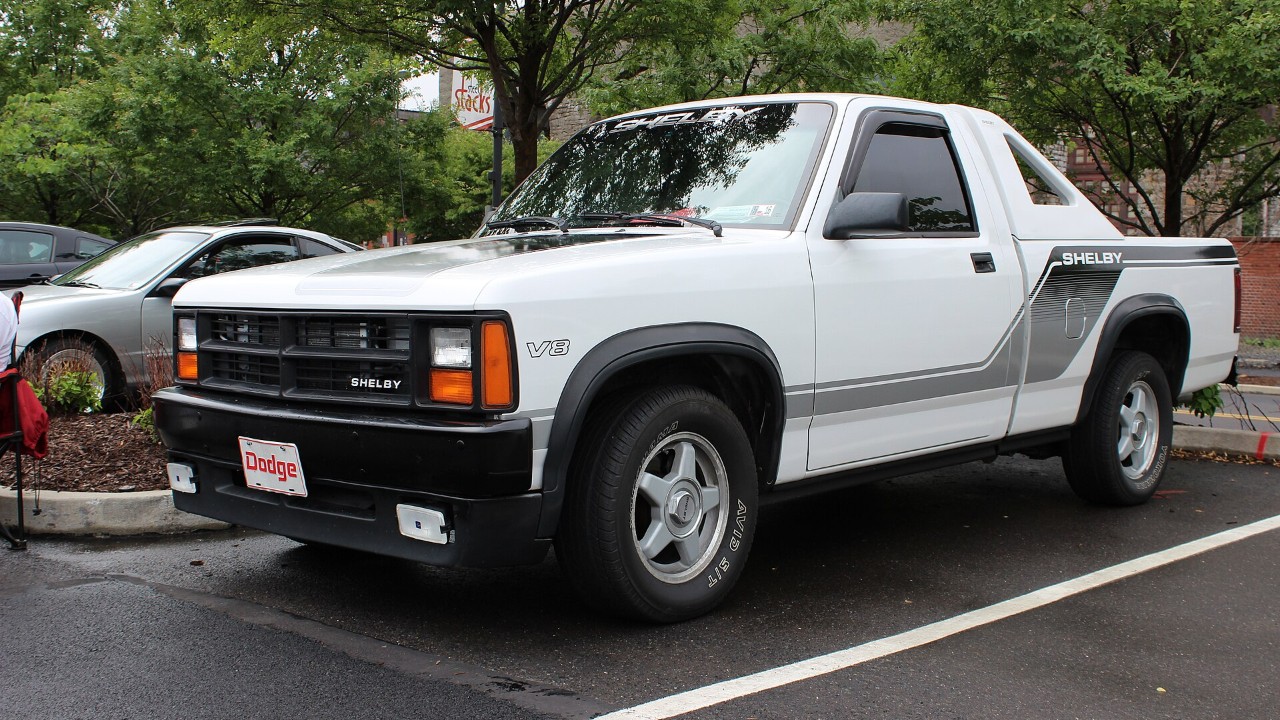
Carroll Shelby’s Dakota swapped the stock 3.9-liter V6 for a 5.2-liter V8 with throttle-body fuel injection. According to the Shelby registry’s page on the 1989 Dakota, it made 175 horsepower and 270 pound-feet of torque. Meanwhile, the list price was $15,813.
Production totaled 1,475 trucks in one model year. Of those, 995 were red, while 480 were white. Each truck also got Shelby five-spoke aluminum wheels on Goodyear Eagle GT+4 tires. Then came a 3.90 limited-slip differential and twin electric fans. Finally, a big air dam with driving lights and a fiberglass light bar behind the cab finished the job.
The Dodge Dakota name now has a future as well. For example, our story on the Ram CEO confirming a Dakota revival explains the plan. In our view, that makes the first V8 Dakota an easy truck to like all over again. Remember, too, that this was Shelby’s first rear-drive project in two decades, which gives it a firm place in his story. Our advice: check the registry before you buy, because decals and a light bar are easy to copy.
5. 1991 Dodge Shadow ES convertible
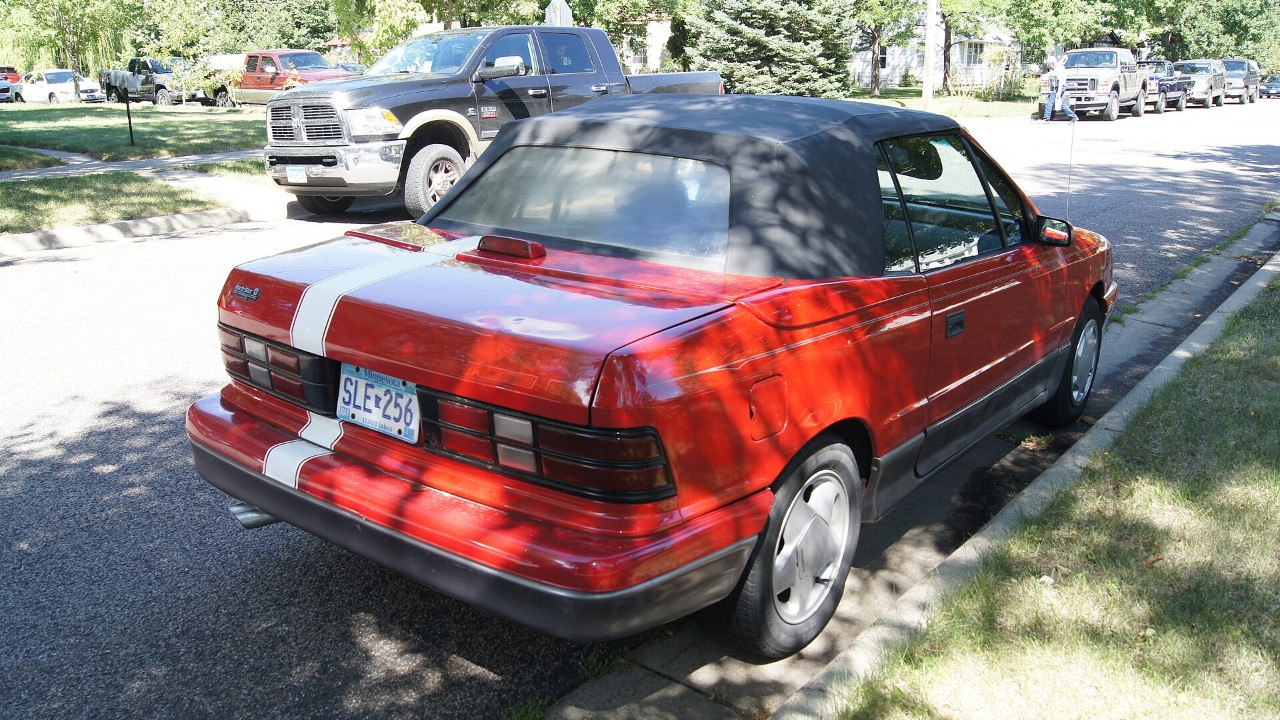
The Shadow was a compact built from 1987 to 1994 on Chrysler’s P platform. In effect, it paired the suspension of the Dodge Daytona with a shortened Dodge Lancer body. The ES was the sporty trim, and in the original lineup it came only with a turbocharged engine.
By 1991, the turbo choice was a 2.5-liter Turbo I four. It made 150 horsepower and 190 pound-feet of torque, so a light compact had plenty of punch. ES cars also wore wider wheels and tires than lesser Shadows. That same year, Dodge added a convertible to the range, and it built 20,043 of them for 1991 alone.
Today, the Shadow is one of the least remembered Dodges of its era. Most were sold as cheap, practical commuters, so few people thought to save one. The convertible lasted only three model years, offered in ES and Highline trim, and 1991 was by far its biggest year. Even so, a clean ES convertible with a healthy top is not an easy find today. Our take: when a car was this common and this cheap, the tidy survivors tend to rise first. So we would buy a well-kept 1991 Shadow ES convertible now, while sellers price it like an old commuter.
6. 2003 Dodge Dakota R/T
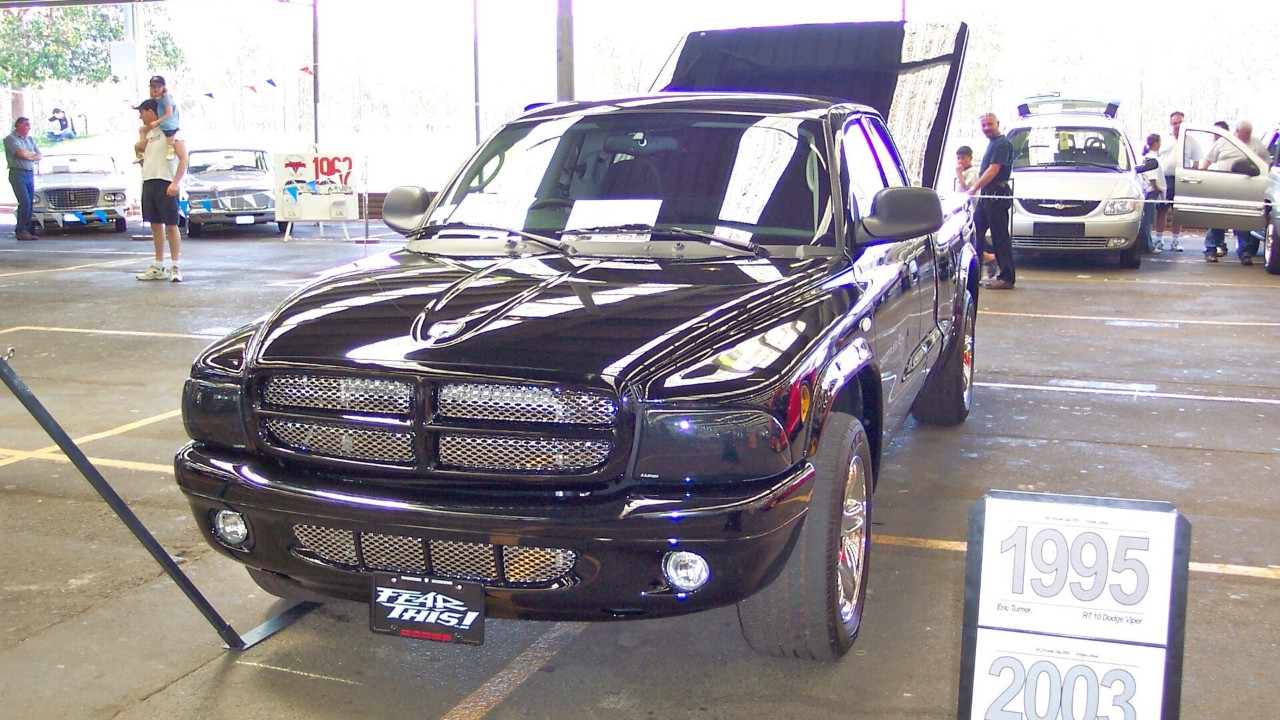
The Dakota R/T ran from 1998 to 2003, and it took the Shelby idea further. Its 5.9-liter Magnum V8 made 250 horsepower at 4,400 rpm. In addition, it delivered 345 pound-feet of torque at 3,200 rpm.
Dodge built it as a street truck rather than a work truck. For that reason, the R/T came only with two-wheel drive. It sat an inch lower than a standard Dakota. It also got a limited-slip rear axle, plus performance-tuned suspension, brakes and steering. Meanwhile, sport front seats, chrome-clad wheels and a six-speaker Infinity stereo filled out the package. In other words, Dodge aimed it at the road, not the job site.
The 2003 model year was the final one for the R/T. Since then, small V8 pickups have all but vanished from showrooms, at least in our view. That makes the late Dakota R/T a smart buy if you want a compact truck with a big engine. Our advice: look for a stock example with a clear history. Then confirm the drivetrain is original, because the truck’s appeal rests on that 5.9-liter V8.
7. 2008 Dodge Caliber SRT-4
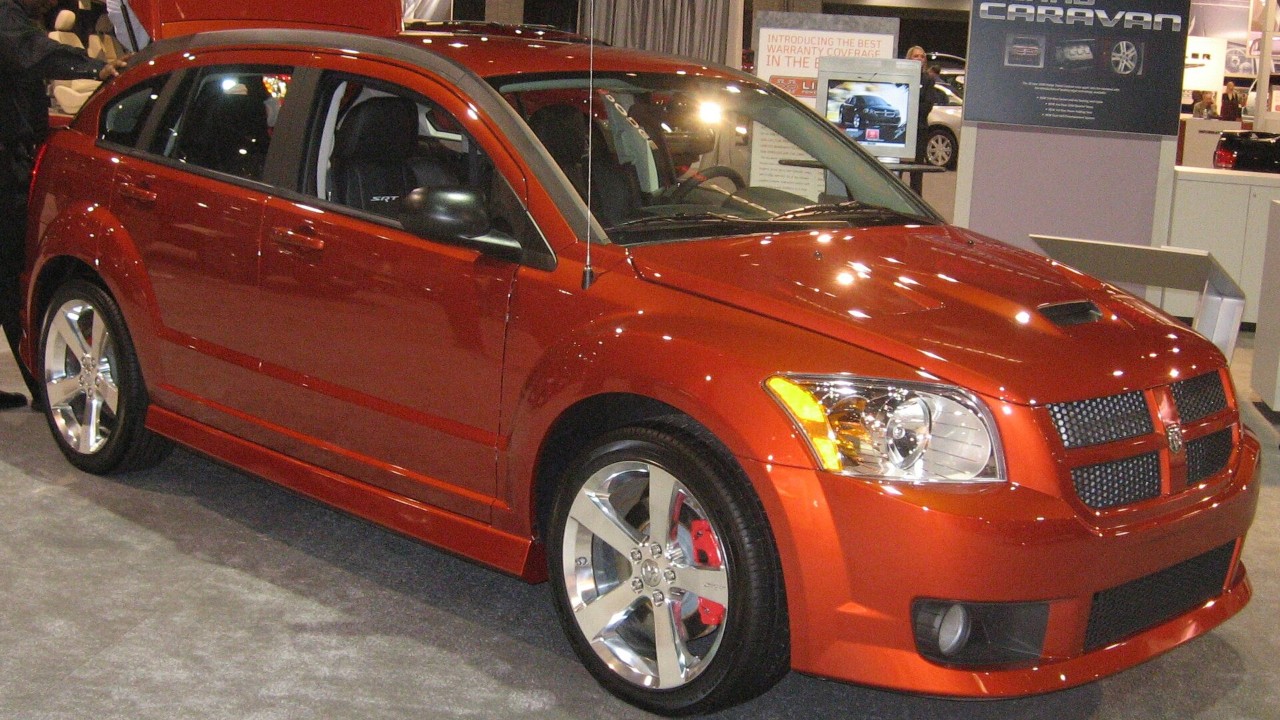
Dodge showed the Caliber SRT4 at the Chicago Auto Show in February 2006. However, it only reached buyers for the 2008 and 2009 model years. Under the hood sat a 2.4-liter turbocharged four with dual variable valve timing.
The numbers were serious for a front-drive hatchback. It made 285 horsepower at 6,400 rpm and 265 pound-feet of torque at 5,600 rpm. Also, a Getrag six-speed manual was the only gearbox, so it stayed a car for people who wanted to drive.
The regular Caliber sold in big numbers, with just over 400,000 built across its six-year run. By comparison, the SRT4 made up only a slice of that total. Because most people remember the Caliber as a plain rental-lot car, the hot version flies under the radar. In our view, that is exactly why it won’t stay cheap. Manual turbo hatchbacks seem rarer every year, and this one came with three pedals or not at all. Our advice: find one with service records and an unmodified engine. Dodge sold the SRT4 for just two model years, 2008 and 2009.
More from Fast Lane Only