Your air conditioning can feel fine one day and then blow warm air the next, with no warning. When that happens, the AC compressor often sits at the center of the failure, because it carries the heaviest workload in the system and depends on precise lubrication, clean refrigerant, and solid electrical support. Understanding why that component suddenly stops working helps you decide what to fix first and how to avoid a repeat breakdown.
Modern vehicles pack the compressor into a tight engine bay, surround it with electronics, and run it under high pressure. Small problems that seem harmless, like a slow refrigerant leak or a worn belt, can stack up until the compressor clutch never engages or the unit seizes. Once you know the common triggers, you can spot early warning signs and talk to a shop in clear, specific terms.
How your AC compressor actually works
You feel cold air at the vents, but the compressor’s real job happens under the hood. It pulls low pressure refrigerant gas from the evaporator, squeezes it to a high pressure, and sends that hot gas to the condenser so heat can leave the system. That pressure difference drives the entire cycle, so when the compressor stops, the rest of the hardware just sits there.
The unit relies on a belt driven pulley and an electromagnetic clutch that engages when you switch on the AC. Oil circulates with the refrigerant to lubricate the internal pistons or scrolls, and sensors watch pressure and temperature to keep the system within a safe range. If the control module sees a problem, it can cut power to the clutch to protect the compressor, which is why an electrical or sensor fault can look like a sudden mechanical failure at the vents.
Low refrigerant and hidden leaks
Many drivers assume a system just needs a “recharge” when the air turns warm, but low refrigerant usually signals a leak. The compressor depends on the correct charge to carry oil and maintain enough suction at the inlet. When the level drops, the unit can run starved of lubrication, which scuffs internal surfaces and can cause the compressor to lock up without much warning.
Shops often find leaks at rubber hoses, O ring joints, condenser seams, or the evaporator core buried behind the dash. Tiny leaks can take months to drop the charge enough to trigger a low pressure switch, which then prevents the clutch from engaging to avoid damage. If you top off refrigerant without fixing the leak, metal particles and moisture can build up in the system, and that contamination raises the risk of a sudden compressor failure once the protective cutoffs no longer keep up.
Electrical faults that mimic mechanical failure
Many “dead” compressors actually suffer from electrical problems that stop the clutch from engaging. The clutch coil needs a clean power feed from the relay and a solid ground, and any break in that path can leave the pulley freewheeling while the cabin bakes. Corroded connectors, damaged wiring near the radiator support, or a failed relay can interrupt power even when the dashboard AC light still comes on.
Modern climate control systems also rely on pressure sensors, temperature sensors, and the engine control module to decide when to run the compressor. If a sensor reports an impossible value, the module may shut the compressor off to protect the system, which feels like a sudden loss of cooling. Technicians often confirm this by checking for clutch engagement, scanning for fault codes, and verifying that the control side of the circuit works before condemning the compressor itself.
Overheating, seized parts, and belt problems
Heat is a quiet killer for compressors, especially in traffic or hot climates. When the condenser cannot shed heat because of clogged fins, a failing cooling fan, or debris, the compressor has to work harder to maintain pressure. That extra load raises internal temperatures and can break down the oil film, which leads to scoring and eventual seizure of the moving parts.
The drive belt and pulley system also plays a direct role in sudden failures. A slipping belt can glaze and squeal, then lose grip under load so the compressor never reaches full speed. If the compressor locks up, the pulley can stop turning and shred the belt, which may also take out the alternator or power steering on some layouts. Many late model vehicles use a serpentine belt that drives several accessories, so a seized compressor can quickly turn into a roadside breakdown rather than a simple comfort issue.
Contamination, moisture, and poor service work
Every time the AC system opens, it risks contamination from air and moisture. Water inside the lines can freeze at the expansion device and block refrigerant flow, which starves the compressor and can cause it to cycle rapidly or shut down. Moisture also reacts with refrigerant and oil to form acids that corrode internal surfaces and weaken seals, setting up future leaks and failures.
Improper service work can speed up that damage. If a system gets recharged without pulling a proper vacuum, air and moisture stay trapped inside. If the wrong type or amount of oil goes in, the compressor may not receive the lubrication it needs, especially in variable displacement designs that rely on precise oil flow. Shops often replace the receiver drier or accumulator when they install a new compressor because that component contains desiccant that absorbs moisture, and leaving an old, saturated drier in place can shorten the life of the replacement unit.
How to spot early warning signs and protect the compressor
You rarely get a dashboard warning light before the AC quits, so small changes in behavior matter. Short cycling, where the compressor clicks on and off every few seconds, often points to low charge or a control issue that needs attention before parts fail. Unusual noises from the compressor area, like rattling, grinding, or a sharp chirp when the clutch engages, can signal bearing wear or internal damage that will not fix itself.
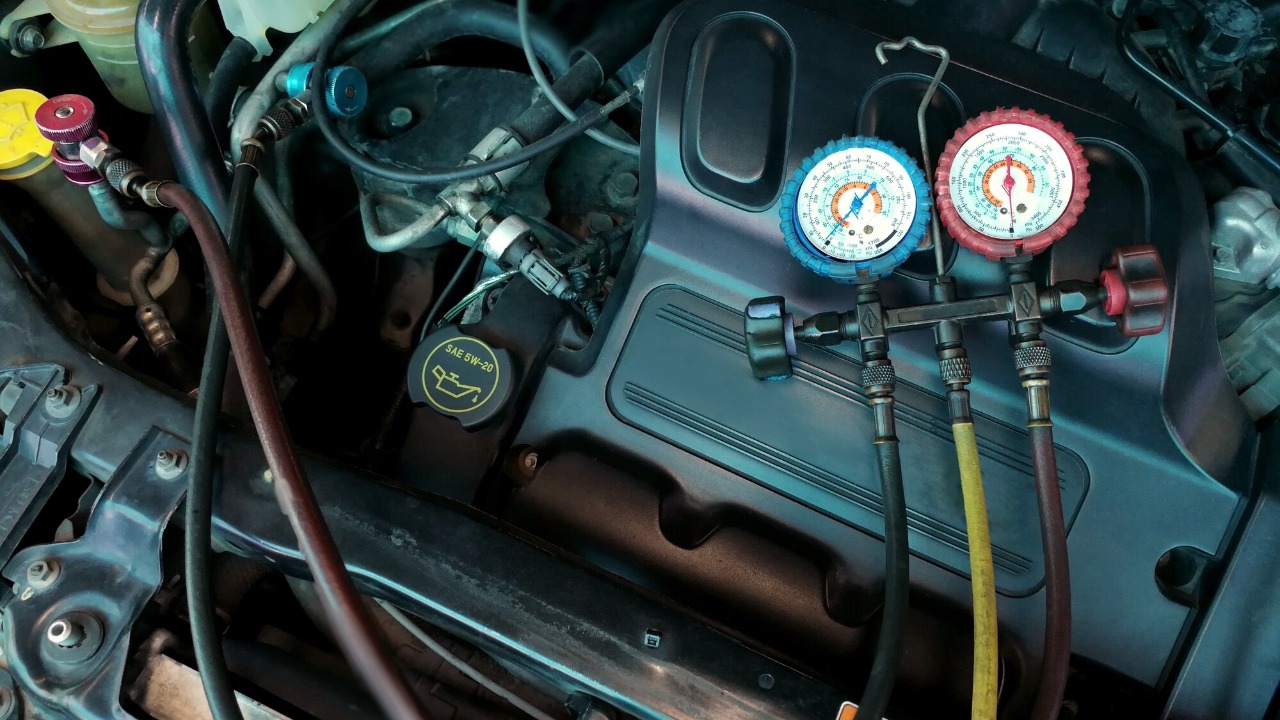
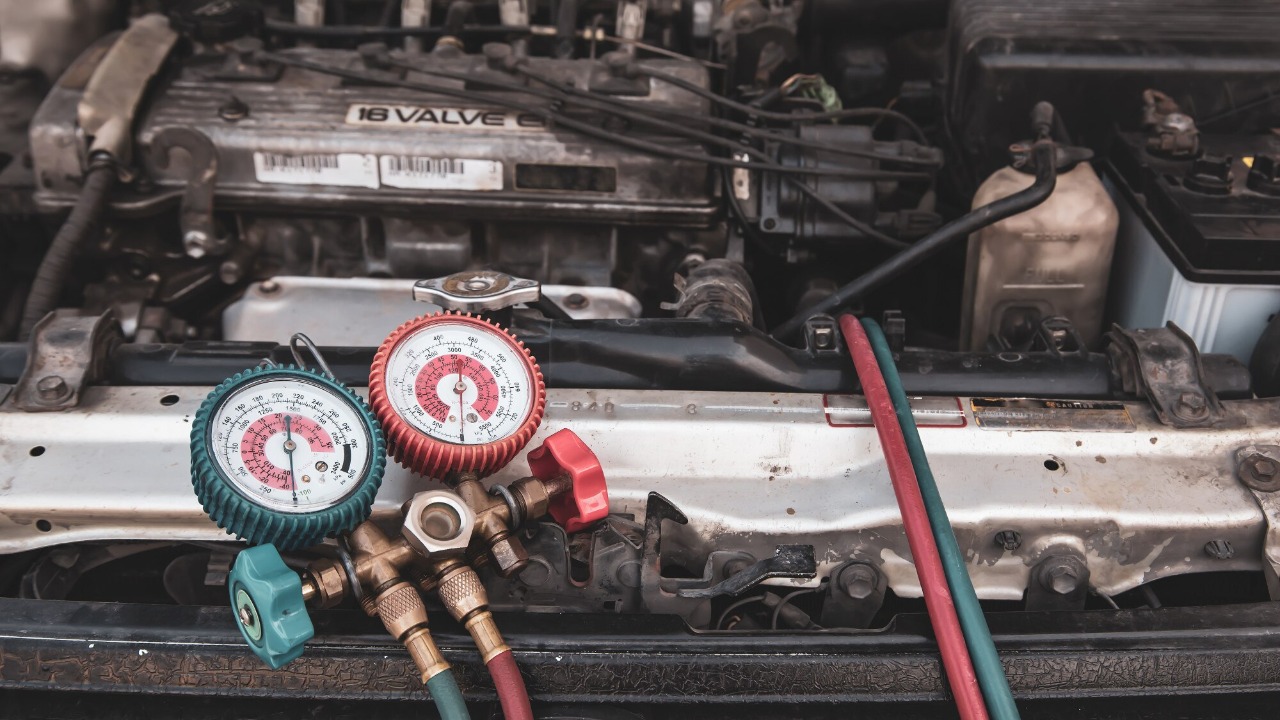
Preventive steps focus on keeping the system clean, sealed, and correctly charged. Regular inspections of the drive belt, condenser face, and visible lines can catch problems like cracks, oil stains, or bent fins. When cooling performance drops, a proper diagnosis with gauges and a vacuum pump protects the compressor better than a quick can of refrigerant from a parts store. If you do need a new compressor, replacing related components like the drier, expansion device, and any contaminated hoses helps the fresh unit last longer and reduces the chance that your cold air disappears again without warning.