Your engine lives or dies on a thin film of oil that the pump must deliver at the right pressure. When that pressure drops, metal parts start touching, heat builds fast, and damage can happen long before a warning light appears.
Understanding how the oil pump loses pressure helps you catch problems early, choose better maintenance habits, and avoid expensive engine failures.
How the oil pump builds pressure in the first place
Oil pressure starts with a simple idea: the pump pulls oil from the pan and forces it through tight clearances. Gear, rotor, or vane style pumps spin with the crankshaft and create suction at the inlet, then squeeze oil into the galleries that feed bearings, camshafts, and hydraulic lifters. Pressure rises because the pump moves more oil than can easily pass through those narrow passages at a given moment.
Designers size the pump and passages so pressure stays within a safe window at idle and at high rpm. A relief valve opens when pressure climbs too high, sending extra oil back to the pan so seals and filters do not burst. Clearances inside the pump and the engine act like controlled leaks, so any change in those gaps, or in oil thickness, will change the pressure you see on the gauge.
Wear inside the pump that bleeds off pressure
Internal wear in the pump itself is one of the most direct ways pressure drops. Gears or rotors that once fit tightly inside the housing can score the surfaces and open up clearances as they grind against contaminants. Each extra micron of space lets oil slip backward instead of moving forward into the galleries, so the pump must spin faster just to hold the same pressure.
Housing wear, end plate scoring, and a weak relief valve spring all add up to internal leakage. A relief valve that sticks slightly open can dump oil back into the pan even when pressure is low, so the pump never reaches its target. Once those parts wear, no additive can restore the lost metal, and the only real fix is a new pump or a full rebuild.
Thin, hot, or wrong oil that cannot hold pressure
Oil viscosity changes with temperature, and that shift has a direct effect on pressure. Cold oil flows slowly and resists movement, so pressure readings climb higher at startup. As the engine warms, the same oil thins out and flows more easily through clearances, which lowers pressure at the same pump speed.
Using oil that is too thin for your engine’s clearances can exaggerate that drop. High mileage engines often need the viscosity grade specified for warmer conditions, because worn bearings leak more oil. If you pour in a low viscosity oil that was meant for tight, modern clearances, the pump may never build enough resistance to keep the gauge in the safe range once the engine reaches full temperature.
Leaking clearances in bearings and engine internals
Oil pressure is not only about the pump, it is also about the resistance created by every bearing and passage. Main and rod bearings rely on a precise clearance so oil can form a wedge between the journal and the shell. When those clearances grow from wear, more oil escapes around the sides, which lowers the pressure in the entire system.
Camshaft bearings, balance shaft bearings, and even worn rocker arms can act as additional leaks. Each worn surface lets oil escape faster than the pump can compensate at low rpm. You may see a normal reading at highway speeds, then watch the gauge sag at idle because the pump is turning slower while the leaks stay the same size.
Pickup, screen, and pan problems that starve the pump
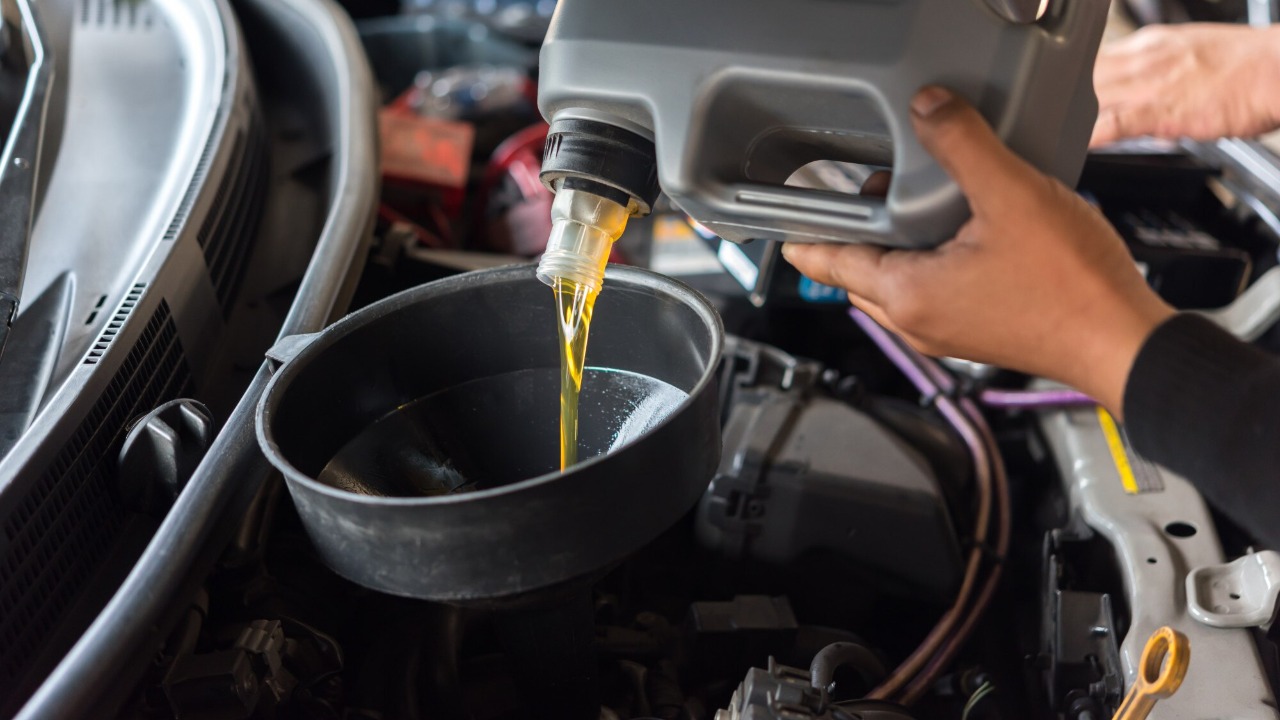
The pump can only build pressure if it has a steady supply of oil at the inlet. A cracked pickup tube, loose O-ring, or clogged screen lets air enter the system or blocks flow before the pump even starts to work. Air bubbles compress instead of transmitting force, so the pump spins but the gauge shows a delayed or weak pressure rise.
Sludge in the oil pan can also bury the pickup screen and choke the inlet. Hard cornering or braking with low oil level may uncover the pickup and let it suck air, which causes brief drops in pressure that can still damage bearings. Repeated starvation events leave telltale scoring on pump gears and bearings, which then create permanent pressure loss even after the pickup problem is fixed.
Relief valve faults and pressure control failures
Pressure control depends heavily on the relief valve that sits in or near the pump. That valve uses a spring to stay closed until pressure reaches a set point, then opens to bypass extra oil. If debris jams the valve slightly open, oil will bypass at all times, and the system may never reach the intended pressure.
Springs that weaken with age or heat can lower the opening point, so the valve bleeds off oil too early. In some engines, the relief valve lives in the filter housing or block instead of the pump, which adds another place for sticking or wear. Any fault in that control path turns a healthy pump into a weak one, because the oil simply takes the easiest route back to the pan.
Sensor, gauge, and filter issues that mimic low pressure
Not every low reading means the pump has failed. Faulty pressure sensors, damaged wiring, or a sticking mechanical gauge can report low numbers even when the pump is working correctly. A sensor that leaks internally may send erratic signals that trigger warning lights at random, which can look like intermittent pressure loss.
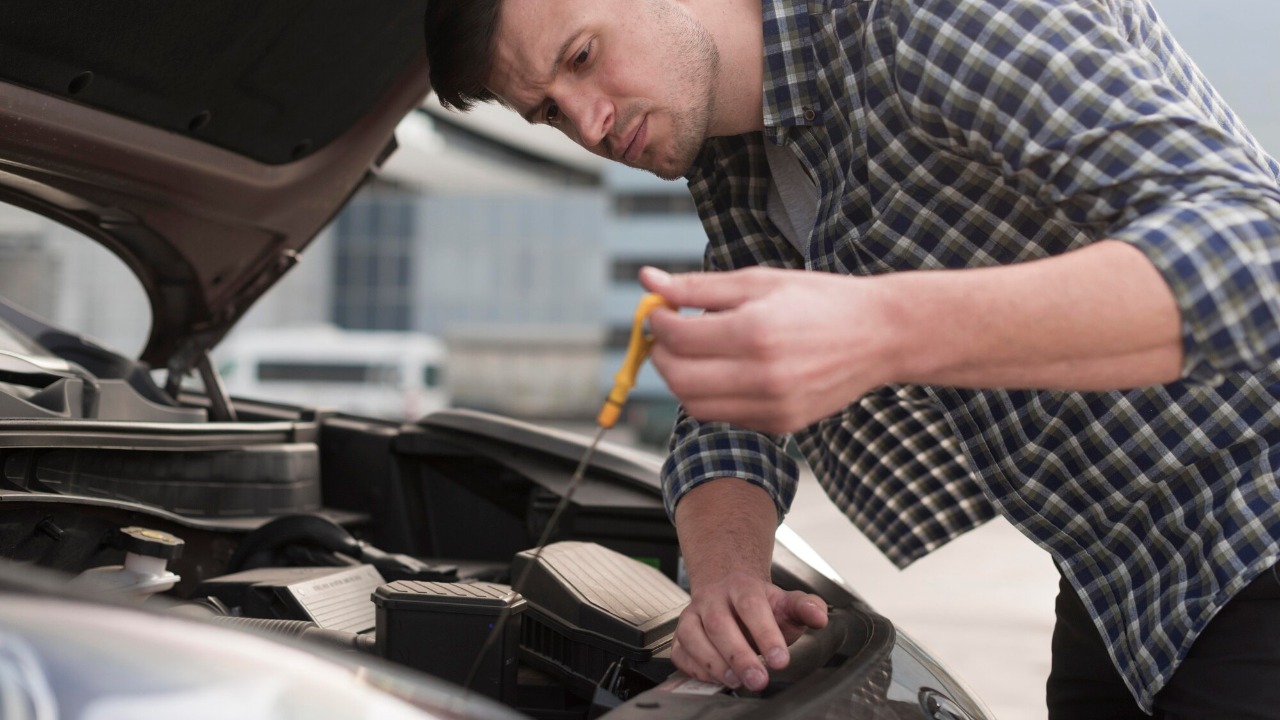
Oil filters can also play a role. A collapsed filter element or a stuck bypass valve inside the filter can change how oil flows through the system. In some cases, a severely restricted filter forces the bypass to open, which lets unfiltered oil reach the engine but may also alter the pressure seen at the sensor. Verifying actual pressure with a mechanical gauge helps separate real pump problems from bad data.
Driving habits and maintenance choices that speed up pressure loss
How you drive and maintain your car has a direct impact on how long the pump can hold healthy pressure. Extended oil change intervals let contaminants and fuel dilution thin the oil and carry abrasive particles through the pump. Those particles scratch pump gears and housings, which slowly increases internal leakage and reduces pressure.
Frequent short trips that never warm the oil fully can leave moisture and fuel in the crankcase. That mix promotes sludge, which can clog pickup screens and narrow passages. Hard driving on low oil level or steep grades can uncover the pickup and cause repeated starvation events, each one shaving a little more life off the pump and the bearings it feeds.
Warning signs you should not ignore
Subtle changes often appear before a full loss of oil pressure. A gauge that reads lower than usual at hot idle, a flickering warning light during long corners, or a brief rattle on cold start can all point to marginal pressure. Those symptoms suggest the pump and clearances are close to the edge, even if the engine still runs smoothly.
Unusual mechanical noise, especially a deep knock under load, signals that bearings may already be damaged. Metallic glitter in the oil or filter points to active wear that will only accelerate if pressure continues to drop. Addressing those signs early, with proper diagnosis and repair, can save the engine before the pump’s declining output turns into a complete failure.