With the rise of environmental awareness and fluctuating fuel prices, hybrid vehicles have emerged as a popular alternative to traditional gasoline-powered cars. Hybrid vehicles promise not only a greener driving option but also potential cost savings in the long run. This article delves into the various aspects of hybrid vehicles, including their costs, potential savings, and inevitable trade-offs, to help consumers make informed decisions when considering a hybrid car purchase.
Understanding Hybrid Technology

Types of Hybrid Vehicles
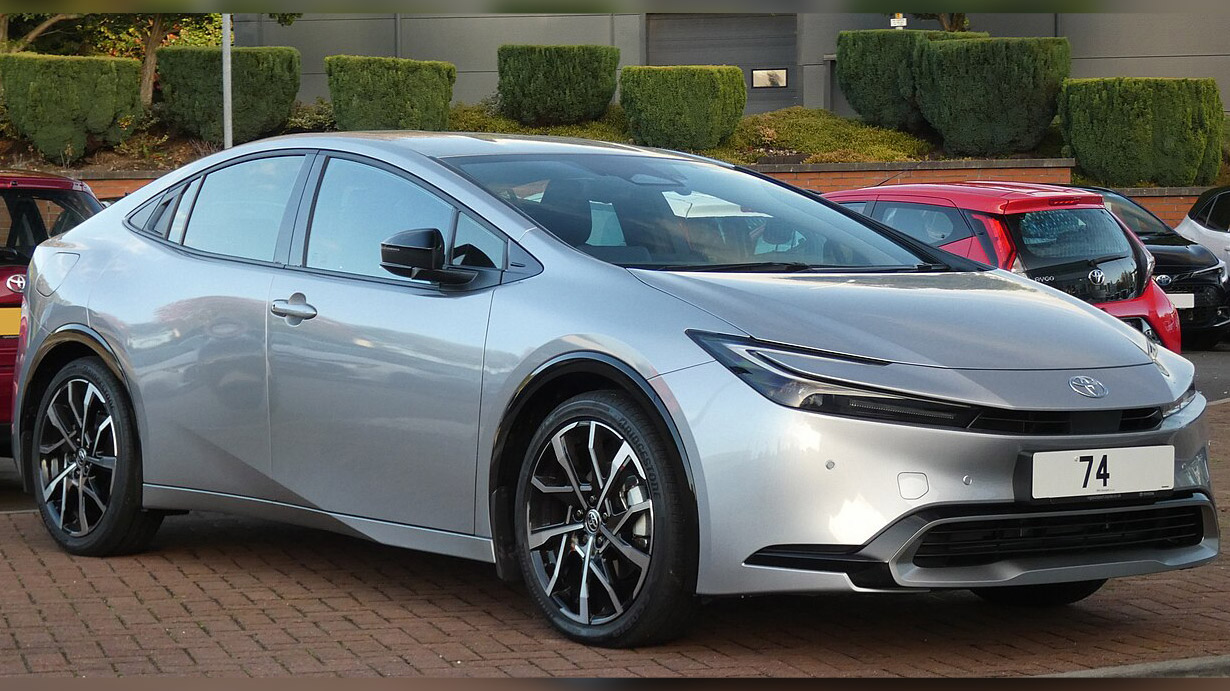
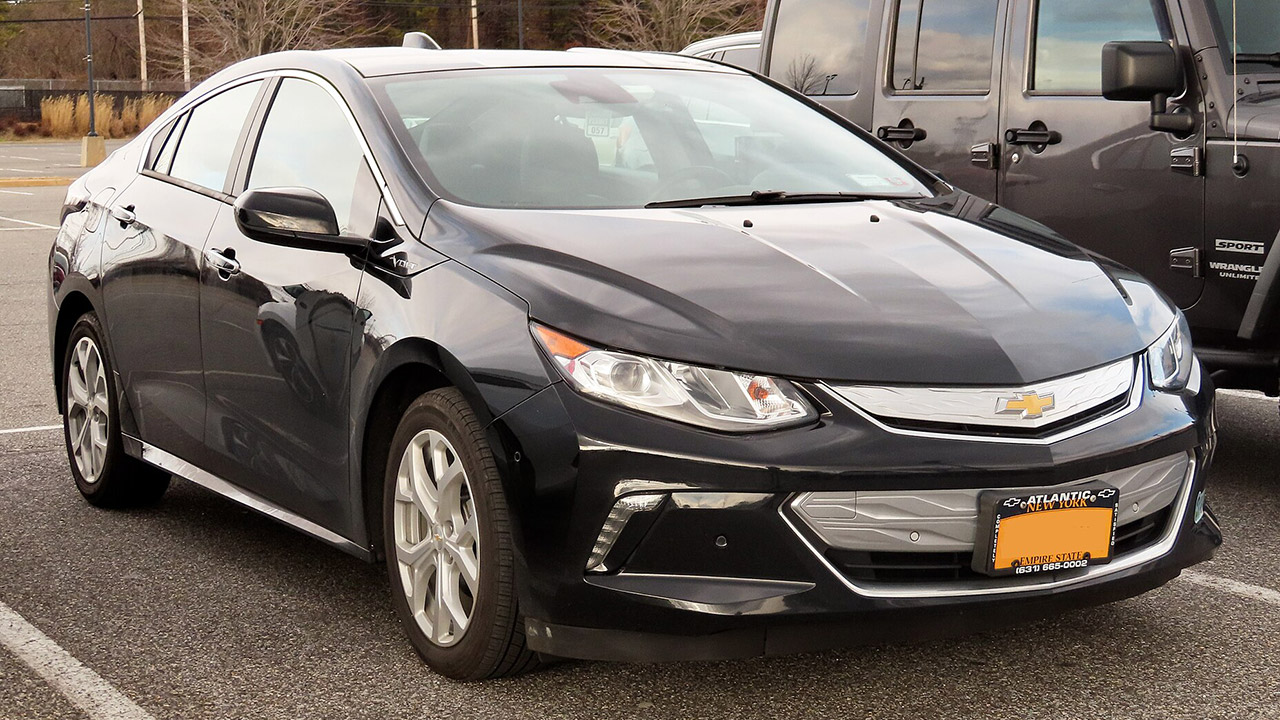
Hybrid vehicles come in various types, each offering a unique technological framework. Full hybrids, such as the Toyota Prius, can run on just the electric motor, the internal combustion engine, or a combination of both. Mild hybrids, like the Honda Insight, use an electric motor to assist the gas engine but can’t run solely on electricity. Plug-in hybrids, such as the Chevrolet Volt, offer the flexibility of charging the battery from an external source, providing an extended electric-only range.
How Hybrids Work
At the core of hybrid vehicles is the interplay between the internal combustion engine and the electric motor. This synergy allows hybrids to optimize fuel consumption and reduce emissions. During low-speed driving, the electric motor often takes the lead, while the gas engine kicks in for higher speeds or when more power is needed. Regenerative braking is another feature, capturing energy usually lost during braking to recharge the battery.
Technological Advances
Recent innovations in hybrid technology are further enhancing vehicle efficiency and performance. Advances in battery technology, such as lithium-ion and solid-state batteries, are providing longer ranges and faster charging times. Research into more efficient powertrains is also underway, promising even greater fuel savings and reduced emissions.
Cost Analysis of Hybrids
Initial Purchase Price
Hybrid vehicles typically come with a higher upfront price compared to traditional gas-powered cars. However, many governments offer incentives like tax credits or rebates to offset these costs. For instance, in the United States, buyers may qualify for a federal tax credit of up to $7,500 for certain plug-in hybrid models. These incentives, combined with potential fuel savings, can make hybrids a financially attractive option.
Long-term Financial Commitment
Owning a hybrid vehicle involves considering long-term financial commitments, such as maintenance and repair costs. While hybrids generally have fewer mechanical issues than traditional cars, the complexity of their systems can lead to costly repairs if problems arise. Moreover, the lifespan of hybrid components, especially the battery, plays a significant role in ownership costs. Despite these concerns, many hybrids are known for their reliability and longevity.
Resale Value
When it comes to resale value, hybrids often hold their worth well. The growing demand for eco-friendly vehicles means that used hybrids can fetch good prices in the second-hand market. According to a report from Green Car Journal, the hybrid payoff is real, with many models retaining value better than their gas counterparts.
Potential Savings with Hybrids
Fuel Efficiency and Savings
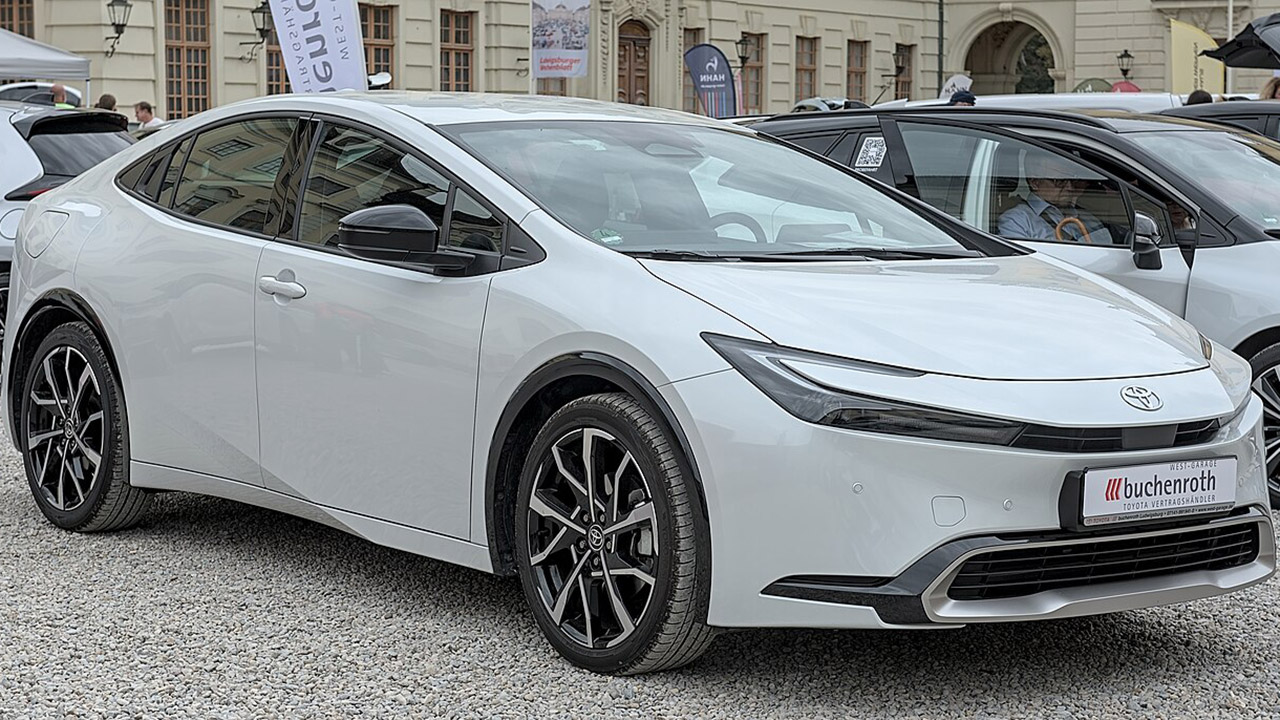
Fuel efficiency is one of the primary benefits of hybrid vehicles. Many hybrids offer exceptional miles per gallon (MPG), significantly reducing fuel expenses over time. For example, the Toyota Prius boasts an impressive 50 MPG, which can lead to substantial savings at the pump, especially during times of high fuel prices.
Tax Credits and Incentives
In addition to federal tax credits, numerous state and local incentives exist to encourage hybrid vehicle purchases. These can include reduced registration fees, access to carpool lanes, and other perks. These incentives not only lower the initial cost but also enhance the long-term savings associated with hybrid ownership.
Environmental Impact and Savings
The environmental benefits of hybrids extend beyond reduced fuel consumption. Hybrids produce fewer tailpipe emissions, contributing to cleaner air and lessening the overall carbon footprint.
Trade-offs and Considerations
Performance and Driving Experience
While hybrids are known for their fuel efficiency, they may not always match the performance of traditional vehicles. Acceleration can be slower in some models, and the driving experience may vary depending on the hybrid type. However, many newer hybrids offer improved handling and acceleration, narrowing the gap between them and conventional cars.
Battery Life and Replacement Costs
The lifespan of a hybrid battery is a critical factor in the overall cost equation. Most hybrid batteries are designed to last between 100,000 to 150,000 miles, but replacement costs can be significant, ranging from $2,000 to $8,000. Fortunately, advancements in battery technology are helping to extend lifespan and reduce replacement expenses.
Infrastructure and Availability
For plug-in hybrids, the availability of charging infrastructure can impact convenience. While urban areas are increasingly equipped with charging stations, rural regions may still lack sufficient facilities. This aspect is crucial for potential owners to consider, as it can affect the practicality of owning a plug-in hybrid.
Future of Hybrid Vehicles
Market Trends and Predictions
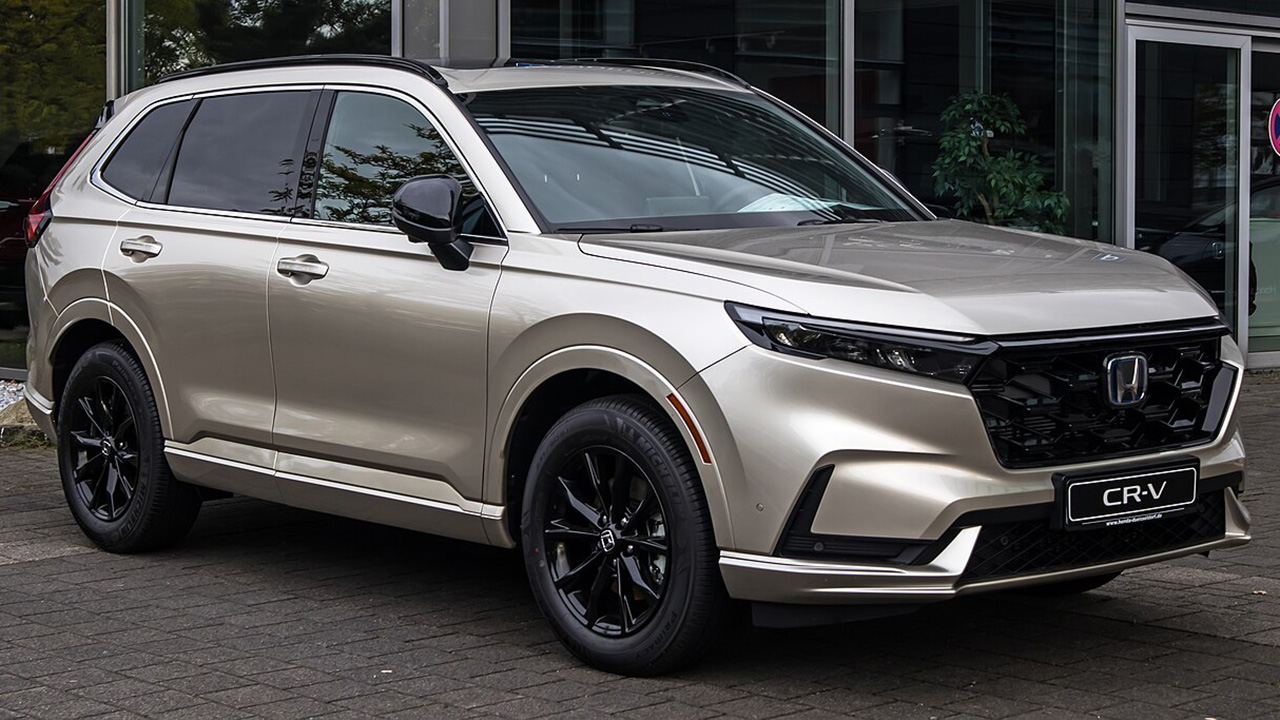
The future of hybrid vehicles looks promising, with growing consumer interest and technological advancements driving the market forward. Analysts predict continued growth in hybrid sales, particularly as more manufacturers expand their hybrid lineups.
Advancements in Battery Technology
Ongoing research into battery technology is expected to yield significant improvements in energy density, charging speeds, and overall cost. These advancements could further solidify hybrids as a practical and sustainable transportation option. The focus on solid-state batteries, in particular, holds promise for the future of hybrid vehicles.
Policy and Regulatory Changes
Government policies and regulations will play a crucial role in shaping the hybrid vehicle market. Stricter emissions standards and fuel economy requirements are likely to incentivize both manufacturers and consumers to adopt hybrid technologies. Potential policy changes could further boost hybrid adoption and influence market dynamics.
Like Fast Lane Only’s content? Be sure to follow us.
Here’s more from us:
*Created with AI assistance and editor review.