Hyundai is turning its connected cars into software-driven products that drivers can tailor long after leaving the dealership. Through expanded over-the-air updates, a growing Bluelink Store catalog, and new visual themes, the company is treating customization as a core feature rather than a premium extra baked in at purchase.
The strategy signals a shift in how Hyundai wants customers to think about ownership: less like buying a fixed-spec vehicle and more like subscribing to a digital platform that can gain capabilities and personality over time.
What happened
Hyundai Motor Company has widened access to its Bluelink Store and digital feature set across more models in the United States, pairing that expansion with new personalization options for in-car displays and services. According to recent connected car coverage, Hyundai is promoting an ecosystem in which owners can purchase software-based upgrades and aesthetic add-ons directly from the vehicle or companion app, supported by regular over-the-air updates that keep systems current and add new functions over time. This approach is highlighted in connected car news that groups Hyundai alongside other automakers investing heavily in software-defined vehicles.
The Bluelink Store now serves as the central marketplace for these offerings. Reporting focused on Hyundai’s U.S. operations explains that more customers can access digital services and personalization tools through this store, which is integrated into the infotainment system and the Bluelink mobile app. Hyundai positions the store as a way to unlock or extend features such as enhanced navigation, safety functions, and convenience services without a dealer visit. A detailed overview of the rollout notes that Hyundai is expanding both over-the-air capabilities and Bluelink Store availability for U.S. vehicles, framing it as a long-term strategy for software monetization and customer retention, as described in coverage of OTA.
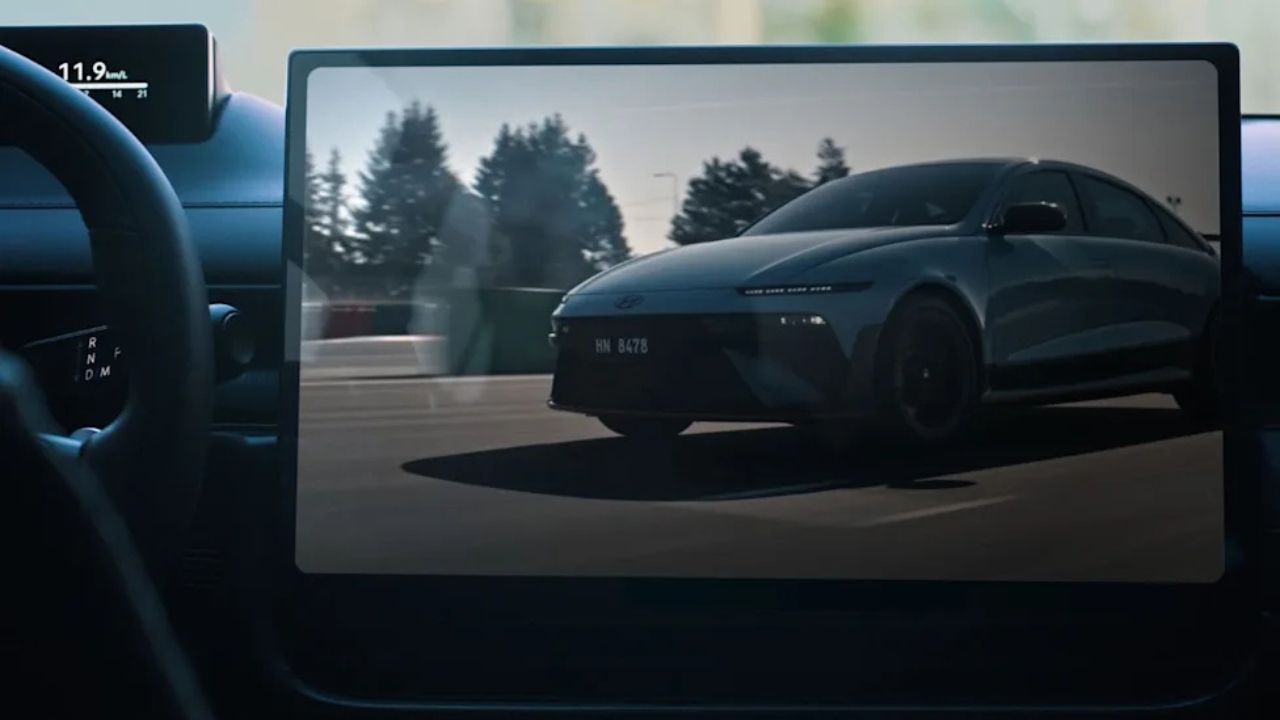
Hyundai has also started to lean into visual customization. Recent product previews describe how drivers can choose display themes that change the look of the instrument cluster and central screen, including color palettes, background art, and animation styles. These themes are designed to be downloadable items within the Bluelink Store, giving owners a way to refresh the cabin experience without changing hardware. A feature on Hyundai’s interface plans outlines how these display themes will be surfaced through the store and tied into the company’s broader software strategy, as seen in a detailed look at display themes.
The personalization push is not limited to tech press previews. Hyundai has also distributed information through mainstream channels emphasizing that more customers will be able to tailor their vehicles via digital features and services. One such briefing explains that Hyundai is giving additional model lines access to software-based options, including comfort and safety functions, which can be activated on demand. That messaging frames personalization as a way to keep vehicles feeling fresh over several years of ownership, as highlighted in a release that focuses on more personalization options through the Bluelink Store.
At the same time, Hyundai is investing in the underlying computing power that will support more advanced in-car software. The company and Kia have aligned with Nvidia on platforms for automated and autonomous driving, a partnership that also strengthens their ability to run complex infotainment and connected services. The collaboration centers on Nvidia’s DRIVE technology and is intended to underpin future driver assistance and self-driving features, as outlined in an announcement on Hyundai Motor and.
Why it matters
For Hyundai, expanding customization in connected cars is as much a business decision as a design choice. Software-based features create recurring revenue opportunities, whether through subscriptions or one-time unlocks, and they also keep customers engaged with the brand’s digital ecosystem. By making the Bluelink Store a central hub for upgrades, Hyundai can maintain a direct relationship with drivers long after the initial sale, which is increasingly valuable in a market where margins on hardware are under pressure.
The move also responds to changing expectations shaped by smartphones and streaming services. Drivers are growing used to the idea that software can be updated, re-skinned, or upgraded on the fly. Hyundai’s display themes and downloadable functions mirror that pattern, letting owners refresh the look and behavior of their vehicles without trading them in. Coverage of Hyundai’s interface plans shows the company treating the cabin as a digital canvas that can evolve through software, aligning with the broader shift toward software-defined vehicles described in industry reporting.
Customer experience is another key factor. The expanded Bluelink Store access in the United States means features that once required a specific trim or dealer-installed package can now be activated later, often with a trial period. That flexibility can help buyers manage upfront costs while still leaving room to add capabilities as needs change, for example when a family wants to enable enhanced navigation or additional driver assistance for a new teen driver. The detailed explanation of how Hyundai is broadening over-the-air updates and store access for U.S. vehicles suggests that the company views this flexibility as a selling point for shoppers comparing connected car ecosystems, as outlined in U.S. market coverage.
Hyundai’s personalization strategy also feeds into brand differentiation. Visual themes, unique content partnerships, and software-exclusive features can help the company stand out in a crowded segment where many vehicles share similar hardware specifications. Optional sources describe how Hyundai has experimented with playful in-car content, such as themed graphics tied to entertainment brands, to give its infotainment systems a distinct personality. One report details how Hyundai introduced a Pikachu-themed interface in select models, highlighting how pop culture tie-ins can make the cabin feel more like a personal device than a generic dashboard, as seen in coverage that Hyundai put Pikachu into its cars.
The Nvidia partnership adds another layer of significance. By building on a high-performance computing platform designed for automated driving, Hyundai and Kia are positioning their vehicles for more advanced driver assistance and autonomous capabilities. Those systems will depend on continuous software refinement, data collection, and feature updates, which dovetails with the company’s investment in over-the-air infrastructure. The announcement that Hyundai Motor and Kia are working with Nvidia on autonomous driving platforms underscores how personalization, safety, and automation are converging into a single software stack, as described in the joint technology collaboration.
There are also implications for resale value and lifecycle management. If features can be turned on or off digitally, Hyundai and its dealers gain more flexibility in how they prepare used vehicles for sale. A pre-owned car might be upgraded with a fresh set of themes or activated safety features to appeal to a new buyer, which could help support pricing and make certified used programs more attractive. Promotional material that highlights expanded personalization through the Bluelink Store hints at this longer-term view, presenting software as a way to keep vehicles feeling current even as hardware ages, as described in the briefing on digital features and.
What to watch next
The next phase for Hyundai’s customization strategy will hinge on how quickly it can scale over-the-air capabilities across its lineup and regions. The expansion of Bluelink Store access in the United States is a key step, but the company will need to ensure that older and entry-level models can support the same level of software flexibility as its flagship vehicles. Reporting that details how Hyundai is broadening OTA support for U.S. cars suggests that the company is working to standardize connected hardware across platforms, which will be essential if it wants to deliver consistent experiences, as noted in the analysis of OTA and store.
Content breadth will be another test. Display themes and a handful of feature unlocks can attract early adopters, but sustained engagement will require a steady pipeline of new services, visual packages, and functional upgrades. Optional reporting on Hyundai’s partnership with entertainment brands, such as the collaboration that brought Pokémon-themed customization into in-vehicle interfaces, points to a strategy that mixes playful content with practical tools. One detailed account of that partnership explains how Hyundai worked with Pokémon to create in-car graphics and experiences tailored to fans, indicating that similar collaborations could follow, as described in coverage of in-vehicle customization options.
More from Fast Lane Only