It’s the kind of thing that makes you stare at your receipt like it’s going to confess. You buy factory bulbs, install them carefully, and then an inspection station hits you with: “These are aftermarket spec.” Not “they’re aimed wrong,” not “they’re dim,” but the mysterious, slightly accusatory “spec” wording.
This isn’t a rare story, either. Drivers across the country run into headlight-related inspection failures even when they swear they did everything by the book. And the annoying part? The station might not be totally wrong—just not explaining it in a way that makes sense to a normal human.
What “aftermarket spec” usually means (and why it’s confusing)
Inspection stations often use “aftermarket” as a catch-all for “not matching what we expect to see on this car.” Sometimes they mean the bulb itself isn’t the original manufacturer part number. Other times they mean the light output, color, or beam pattern doesn’t match what the vehicle is supposed to produce.
“Spec” can refer to a few different standards depending on where you live: DOT compliance, SAE markings, state rules on color temperature, or even the headlamp assembly’s certification. So you might have a factory-type bulb, but something in the system is presenting like it’s modified. It’s like showing up to a dress code event in the right color shirt… but in a fabric the bouncer hates.
The big gotcha: “factory bulb” doesn’t always mean “OEM bulb”
Here’s where most people get tripped up. A lot of parts stores sell “OE-style,” “OEM fit,” or “factory replacement” bulbs. Those phrases can be totally legit, but they don’t always mean it’s the exact OEM part made by the automaker’s supplier, with the exact same certifications and markings.
Even if the bulb is technically equivalent, the inspection tech may be looking for specific markings on the bulb or headlamp housing. Or they may be judging by output and color rather than brand. If the bulb box said “factory replacement,” that’s not the same as “OEM part number from the dealer,” and inspectors tend to be picky when lighting is involved.
It might not be the bulb at all—it could be the housing
In many states, what’s legally “approved” is the headlamp assembly (the whole housing), not just the bulb. That assembly should have DOT/SAE markings molded into the lens. If your headlight housings were replaced at some point—maybe by a previous owner, maybe after a minor fender bender—they could be non-certified reproductions even if they look identical.
This is especially common with older vehicles and popular models. Aftermarket housings can be cheap, clear, and shiny, and they bolt right in. But if the lens lacks the required markings, an inspector might call the entire setup “aftermarket spec,” even if you installed the most authentic bulb on Earth.
LED and HID conversions: where inspections get spicy fast
If your car originally came with halogen bulbs and you installed LED “factory-style” bulbs, that can trigger a fail even when the packaging says they’re road-legal. Many jurisdictions don’t allow LED retrofit bulbs in halogen housings because the beam pattern changes. You can end up with glare for oncoming traffic, even if the lights look bright and modern from the driver’s seat.
HID kits are similar, and inspectors often flag them immediately. Even when the bulb base fits, the optical design of the reflector/projector matters. To an inspection station, a non-original light source in a housing not designed for it can equal “aftermarket spec,” no matter how carefully you installed it.
Color and brightness can fail you, even with “correct” bulbs
Headlights aren’t just about turning on. Inspectors may check color, intensity, and beam cutoff. If your “factory replacement” bulbs are the extra-white, extra-bright variety, they might be outside what the station considers acceptable, especially if they look blue-ish or purple-ish.
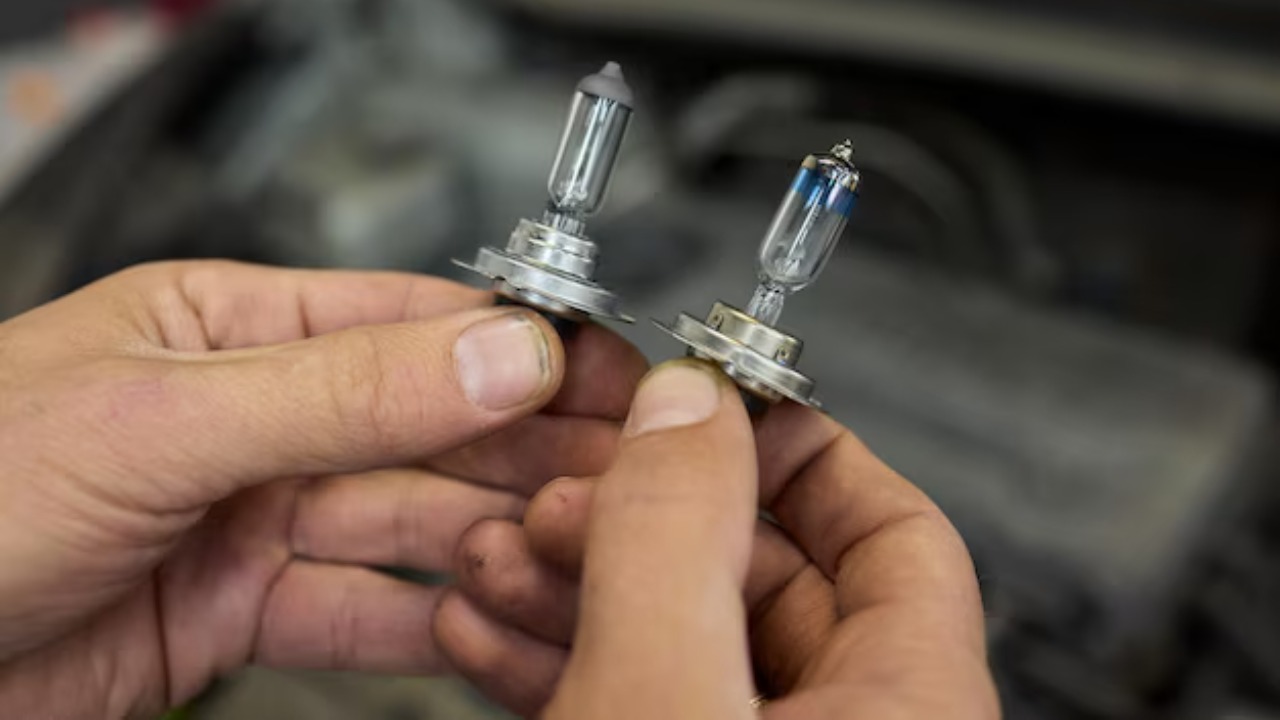
Here’s the sneaky part: some halogen bulbs are tinted to appear whiter. That tint can reduce usable light while changing the perceived color, and it can make a beam pattern look odd on the wall. So you can buy a mainstream brand bulb that fits perfectly and still get flagged because it doesn’t look like the standard output they expect for your vehicle.
Aim and alignment: the unglamorous culprit
If a tech says “aftermarket spec,” they might be using shorthand for “the beam pattern doesn’t match.” Mis-aimed headlights are incredibly common after bulb changes, suspension work, or any front-end repairs. Even a slightly loose bulb seated crooked in the socket can throw the beam off enough to look wrong on the aiming machine.
And if your vehicle has automatic leveling or adaptive headlights, any sensor or calibration issue can make the lights point higher than they should. From the driver’s perspective, it still feels fine—until the inspection station puts it on the tester and the numbers look ugly.
So what should you do if this happens to you?
First, ask the station what exactly failed: bulb type, bulb markings, housing markings, beam pattern, aim, or color. If they can’t point to a specific regulation or give you a printout of the failure reason, politely ask them to show you what they’re seeing. Most places will, and the extra clarity saves you from replacing parts blindly.
Next, check the headlamp lens for DOT/SAE markings. They’re usually molded into the plastic and can be faint, especially on older lenses. If there’s no marking, or it looks suspiciously generic, your “factory bulbs” may be innocent and your housings may be the real issue.
Then confirm the bulb part number against your VIN or owner’s manual. Not just “it fits,” but the correct type (H11 vs. 9005 vs. D2S, and so on). It’s surprisingly easy for a car to have different bulbs depending on trim, headlamp style, or whether it has projector housings.
How to avoid the problem next time
If you want the safest path through inspections, stick with standard output bulbs from a reputable brand, and avoid tinted “super white” options. If you’re buying online, be cautious of listings that say “OEM” but don’t include a real part number or manufacturer details. Counterfeit bulbs are a whole thing now, and they can look convincing right up until they melt a connector or throw a weird beam.
If your car originally came with LED or HID from the factory, then yes—use the correct factory type and verify you’re not mixing components. Factory HID systems often require specific bulb models and ballasts, and “close enough” can still be wrong. And if you’re running a halogen housing, resist the temptation to retrofit LEDs unless you’re installing a complete, approved headlamp assembly designed for them.
When it’s worth getting a second opinion
If you’re confident you did everything right and the station’s explanation feels fuzzy, a second inspection station can help—especially one that’s known to be fair and communicative. Different shops have different equipment and different levels of experience with modern lighting systems. Sometimes you’re not “wrong,” you just landed at the one place that describes everything as “aftermarket spec” like it’s a magic spell.
Still, take it as a prompt to double-check the basics: correct bulb, proper seating, proper aim, and a compliant housing. Headlights are one of those boring car parts that only become interesting when they fail you at the exact worst time—like when your registration deadline is looming and the sun sets at 4:45 p.m.
More from Fast Lane Only