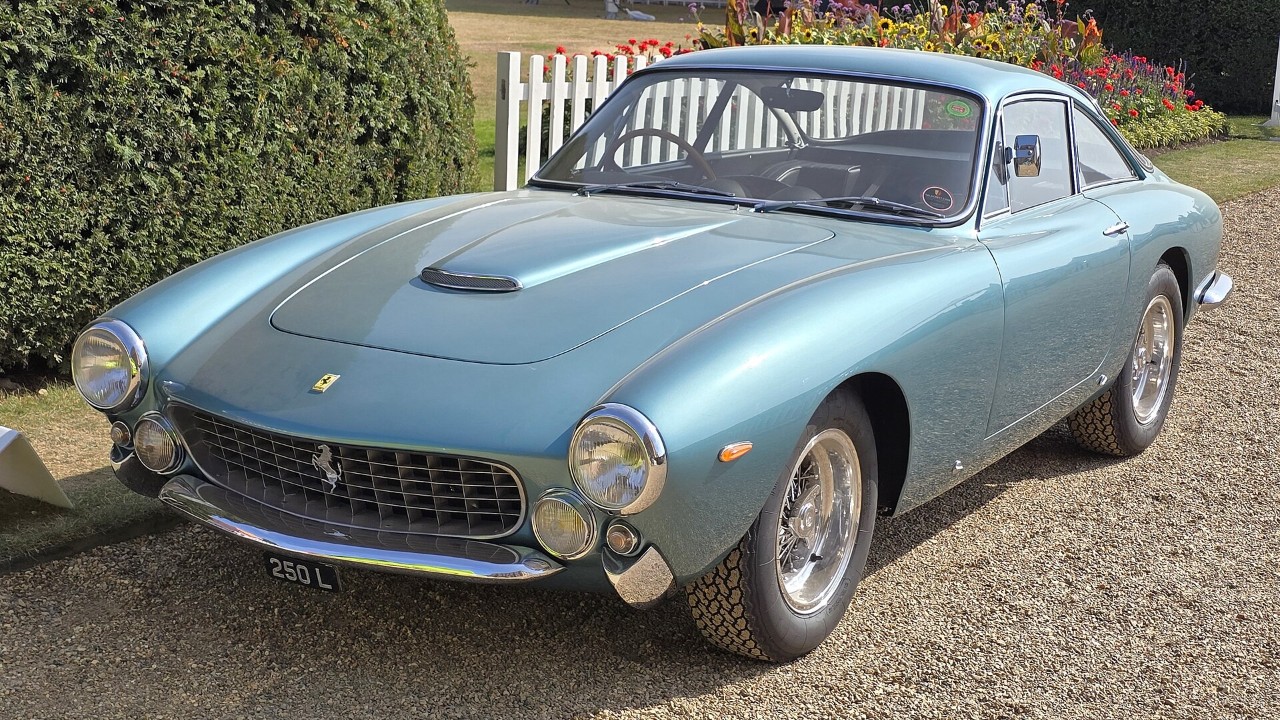
Trucks today come loaded with tech, but back in the ’50s, they were built to take abuse without complaint. These weren’t weekend cruisers—they were work tools with big frames, simple engines, and serious hauling power. Here are ten trucks from the 1950s that didn’t just look tough—they proved it every day on the job.
1953 Chevrolet 3100
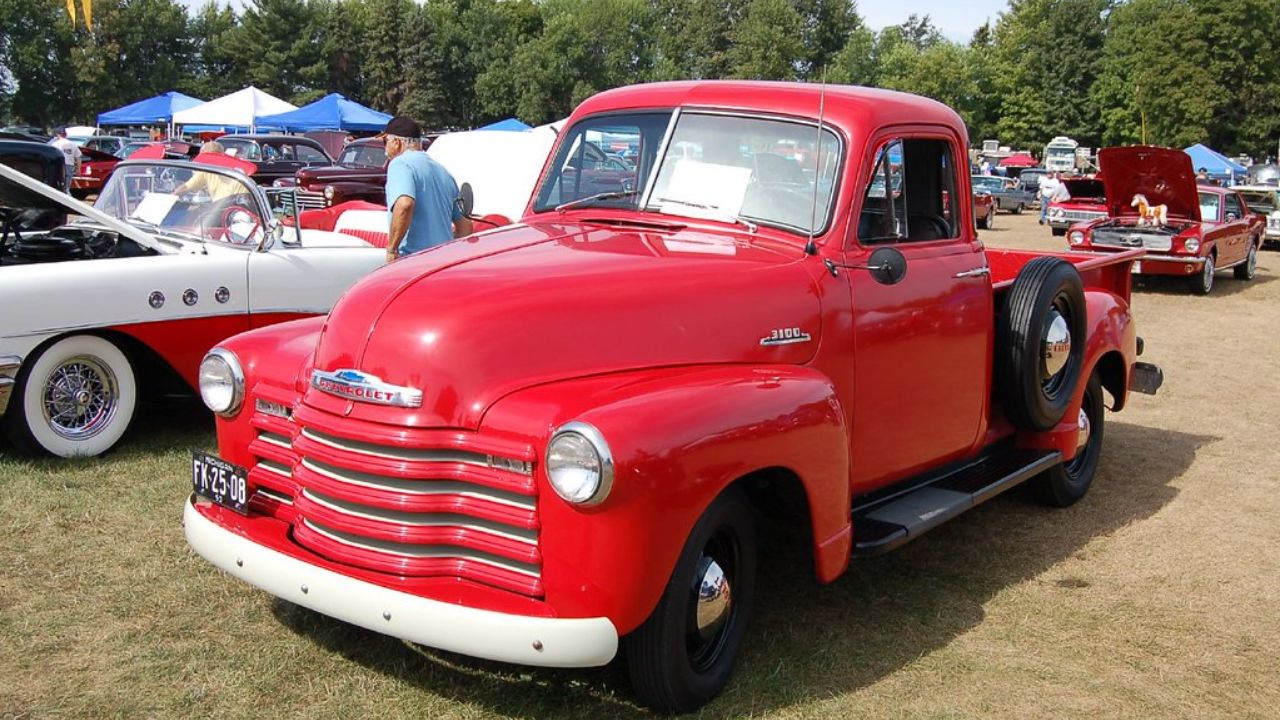
The ’53 3100 marked the final year of Chevy’s Advance Design trucks before the Task Force series. It came standard with a 216.5 ci inline-six making 92 hp and a solid 3-speed manual.
Built on a stout ladder frame with leaf springs front and rear, it wasn’t made for comfort—it was made to haul. The bed had real wood planks and steel strips, not spray-in liner. It could handle over half a ton of payload without flinching, all day, every day.
1955 Ford F-100
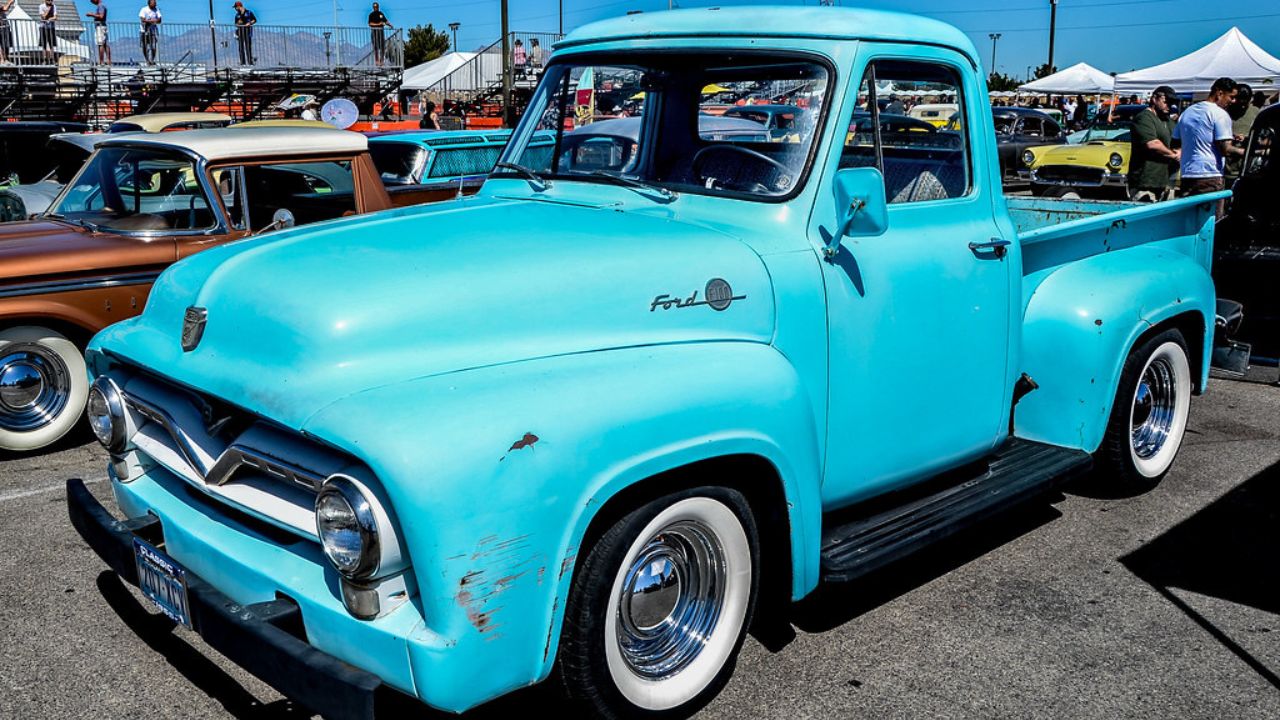
The second-gen F-100 brought modern styling, but the hardware stayed honest. The base engine was a 223 ci inline-six, but you could step up to a 272 ci Y-block V8 making 167 hp.
It rode on straight axles and leaf springs, and the optional heavy-duty package let it pull serious weight. Interiors were sparse—metal dash, basic gauges, and vinyl bench. What it lacked in tech, it made up for in durability. It earned its keep on farms and job sites nationwide.
1957 GMC Blue Chip 100
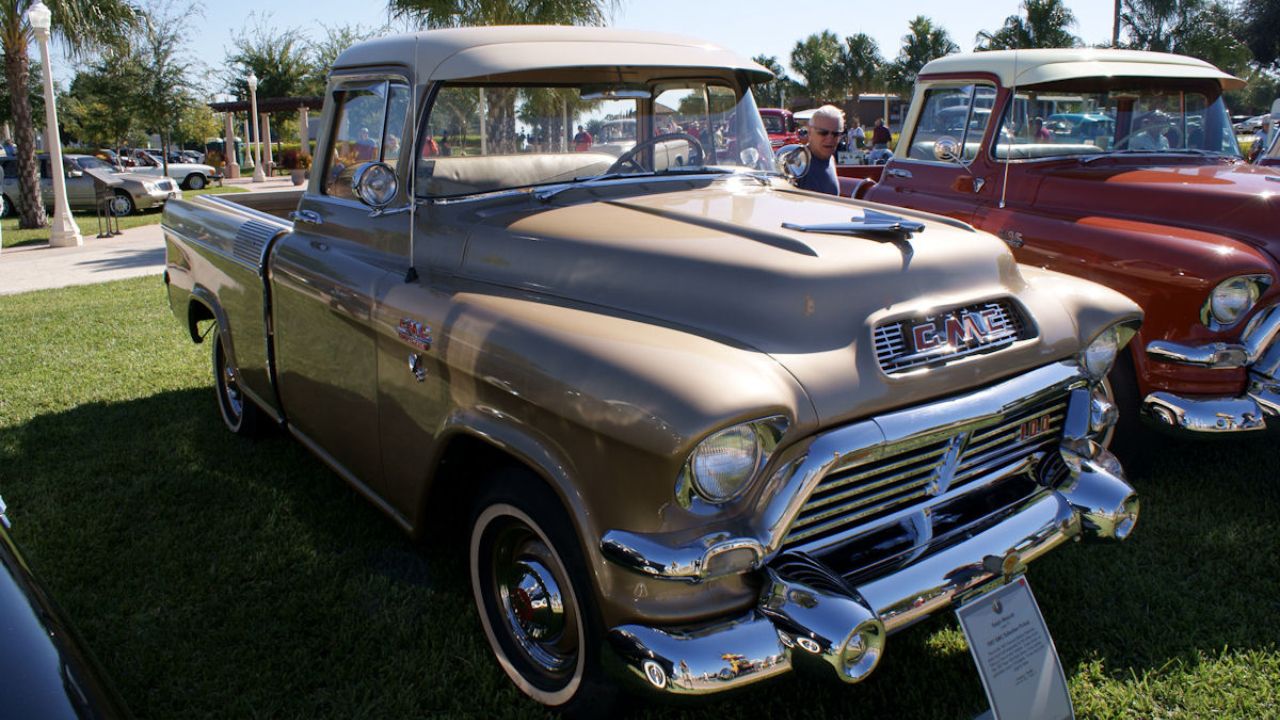
The Blue Chip series gave GMC a solid, no-nonsense platform with optional Pontiac-derived V8s. The 347 ci version made 227 hp and could tow more than most modern midsize trucks.
You got heavier-duty axles than Chevy offered, and thicker gauge steel in some panels. Interiors were all business, with gloveboxes, vent windows, and metal everything. These trucks were built for ranches, not Instagram, and they held up to years of serious abuse without complaint.
1952 Dodge B-Series Pickup
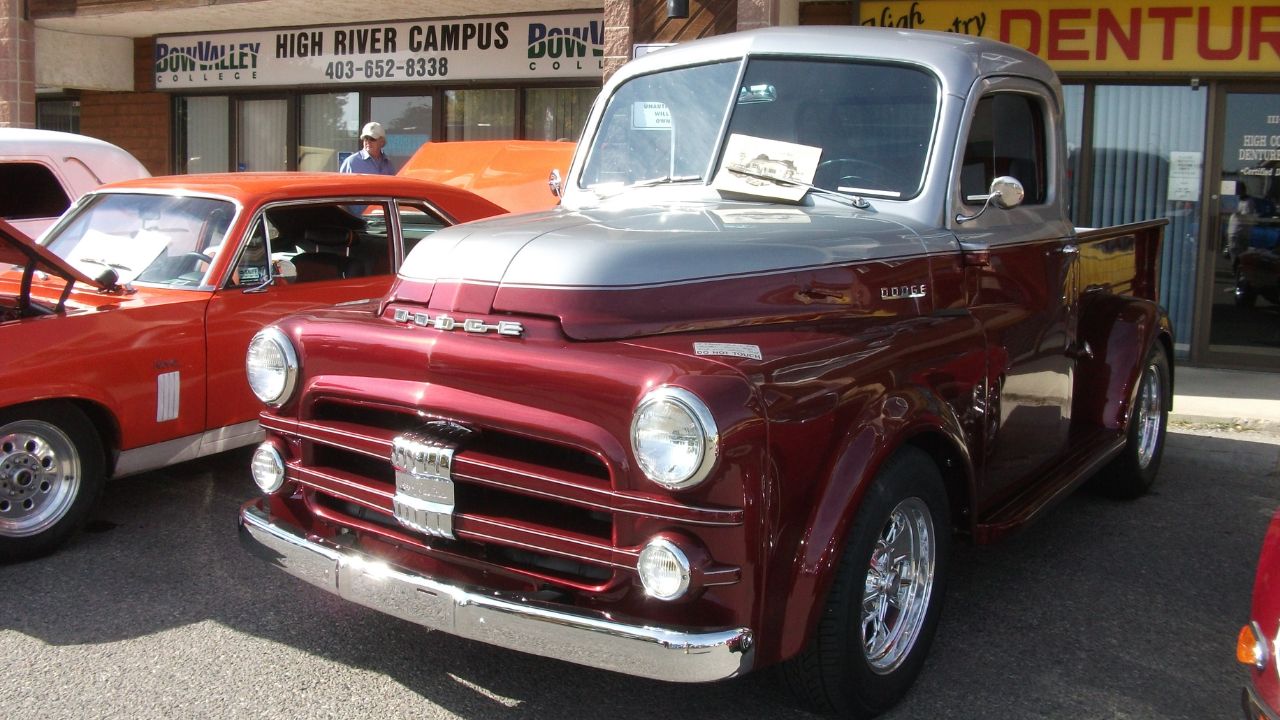
Dodge’s B-Series used a low cab forward design that improved visibility and allowed for better maneuvering. The flathead six ranged from 95 to 120 hp depending on trim, but the torque was always there.
It featured a beefy frame and semi-elliptic leaf springs. The “pilot house” cab was one of the roomiest of its time. With options like dual rear wheels and heavy-duty brakes, it was designed with real work in mind—not daily commuting or casual cruising.
1955 Chevrolet Task Force 3600

The Task Force series replaced the Advance Design trucks, bringing in optional V8 power. The 3600 ¾-ton version came with the 235 ci inline-six or the 265 ci V8, which made about 145 hp.
Unlike the half-ton 3100, the 3600 had a longer wheelbase, upgraded suspension, and could haul close to a full ton in the bed. Interiors were still barebones, with rubber floors and steel dashboards. These trucks did hard labor until the doors fell off—and some still do.
1958 Studebaker Transtar 3E
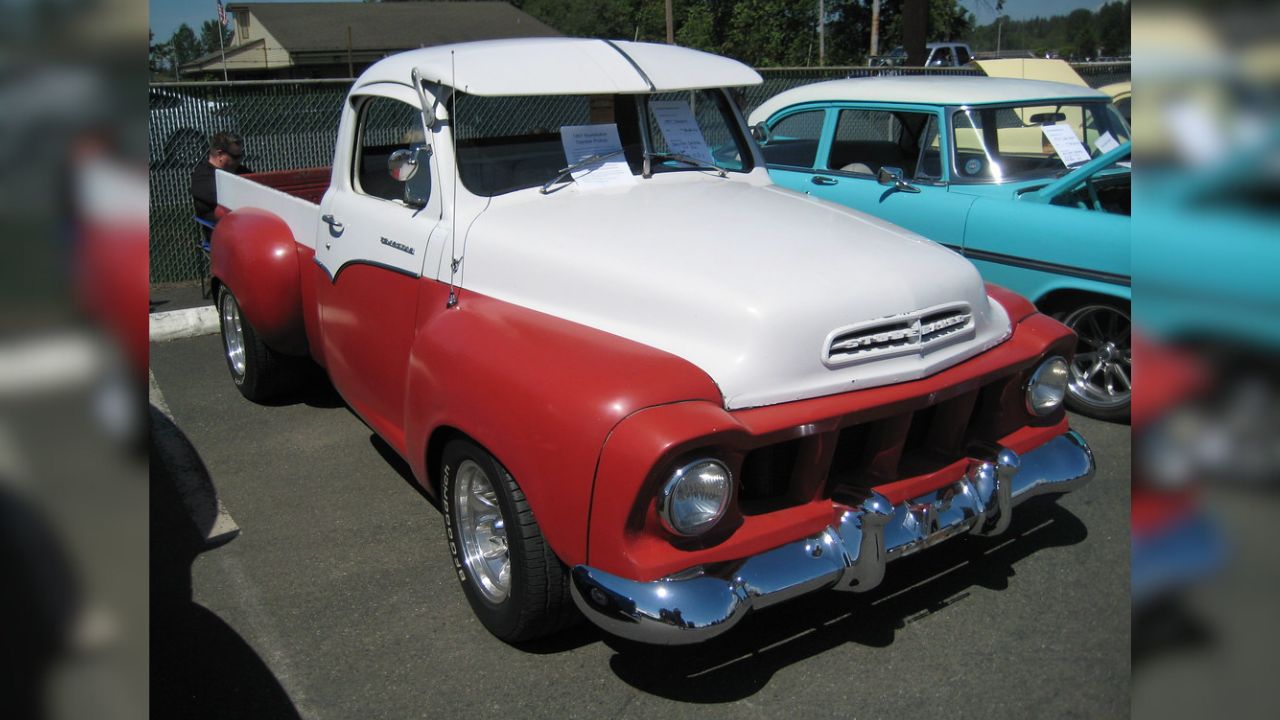
Studebaker wasn’t the biggest name in trucks, but the Transtar series was tough. The 3E models could be optioned with a 259 ci V8 making 180 hp, paired to a floor-shift 4-speed or heavy-duty automatic.
These trucks were built with high ground clearance, reinforced beds, and simple mechanicals. Many were sold with snowplows or utility bodies. Inside, you got a wide bench and maybe a radio. It didn’t try to be stylish—it just focused on getting things done.
1950 International L-110
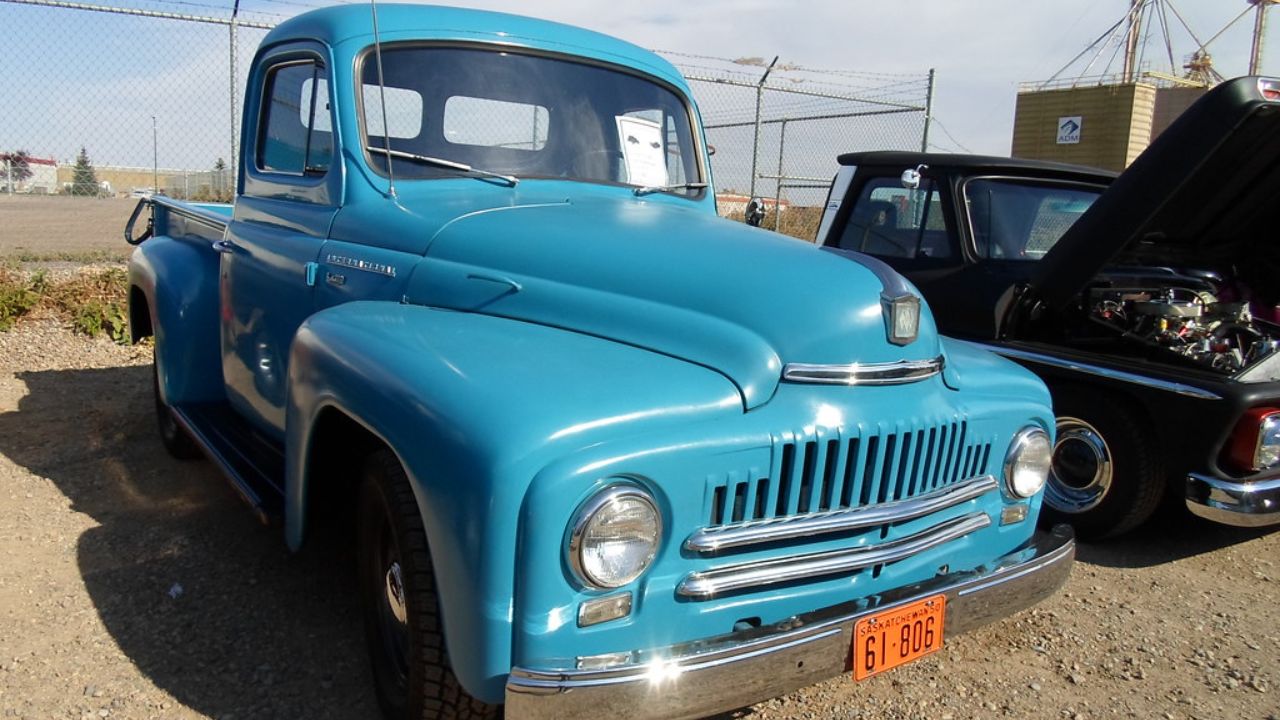
International Harvester’s L-Series trucks were spartan but overbuilt. The L-110 half-ton used a 220 ci inline-six making around 100 hp, backed by a synchronized 3-speed or 4-speed manual.
Frames were extra thick, and axles came from commercial-grade stock. Interiors were industrial, with painted dash panels and minimal padding. These trucks were common on farms, oil fields, and backwoods roads. If you needed something to take a beating, this was it.
1956 Ford F-250
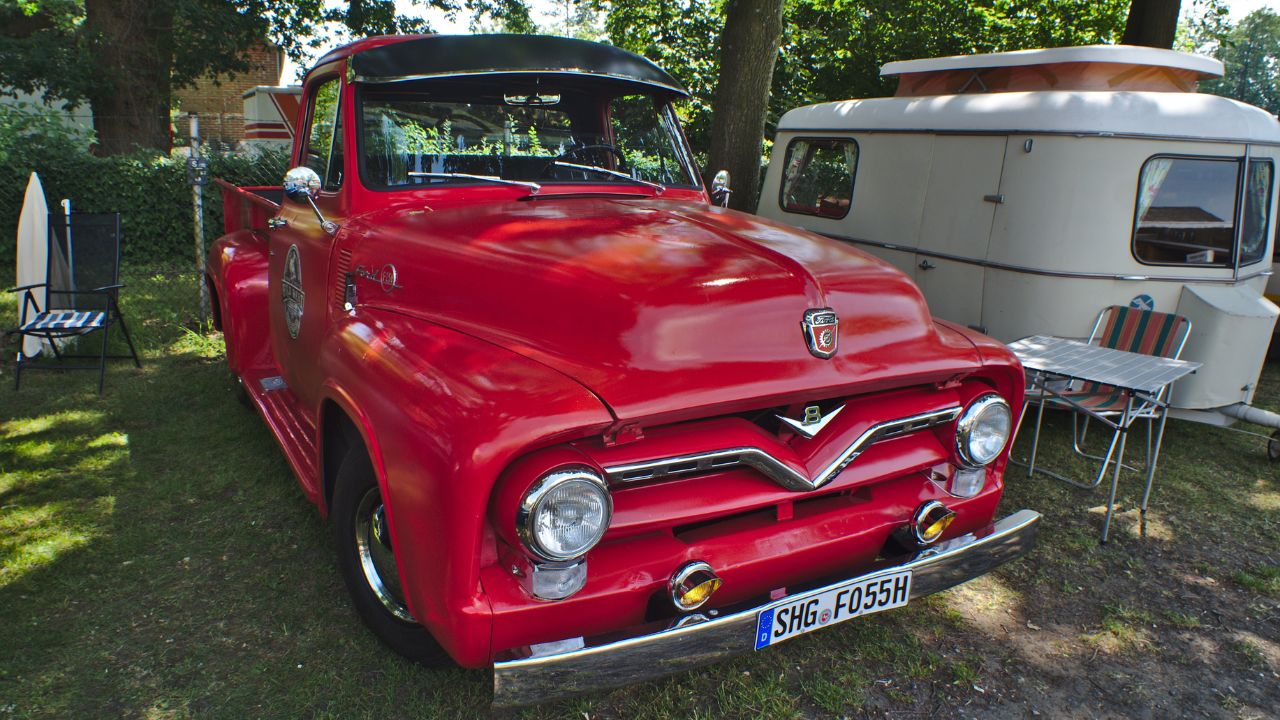
The F-250 slotted above the F-100 with heavier-duty axles and frame rails. With the 272 ci V8 or 223 ci straight-six, it made between 137 and 167 hp—plenty for towing trailers or carrying serious bed weight.
The bed was 8 feet long and reinforced for payloads nearing 3,000 lbs. Interiors stayed minimal: metal floors, bench seats, and knobs you could use with gloves. This truck wasn’t a grocery getter—it was a job site regular that rarely got a day off.
1959 Chevrolet Apache 3600
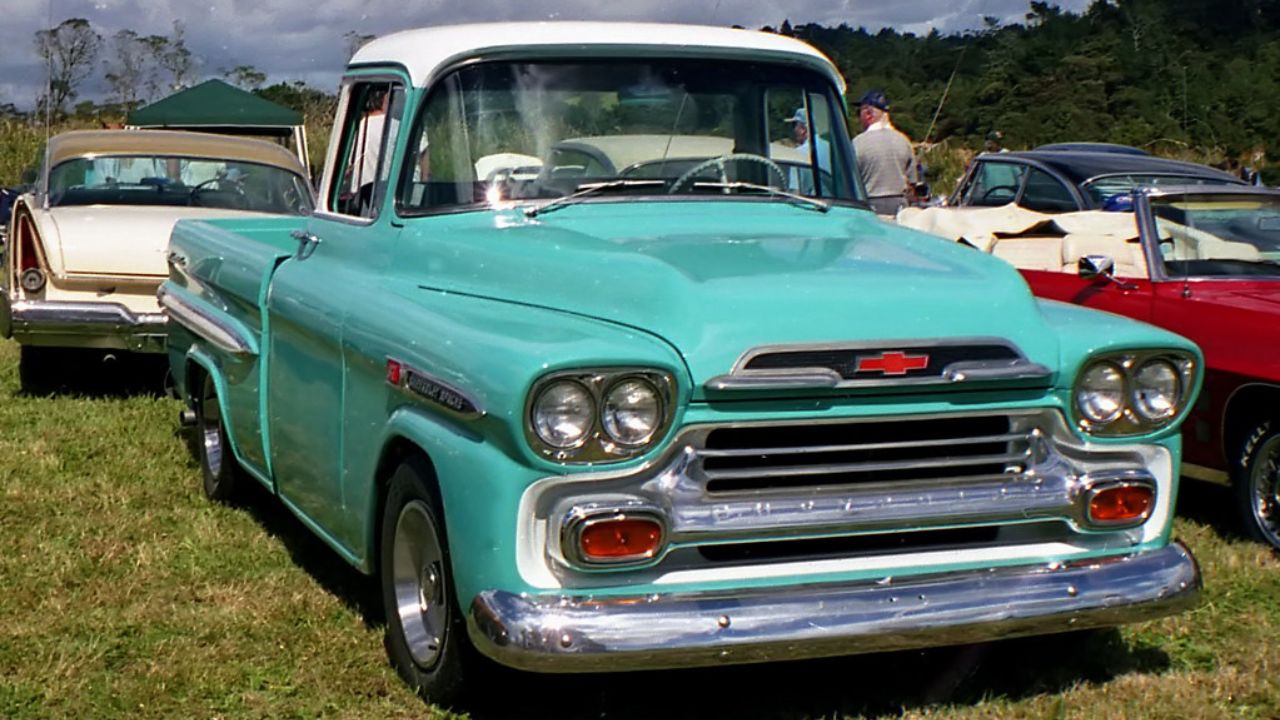
The Apache name gave the Task Force series a visual refresh, but under the skin, it was the same hard-working platform. The 3600 ¾-ton still used a straight axle up front and a 4.57 rear gear for torque-heavy loads.
You could spec a 261 ci inline-six making 148 hp, or the 283 ci V8 if you needed more pull. With proper tires and gearing, these trucks hauled everything from hay bales to engine blocks. They didn’t need traction control—they had gearing and patience.
1951 REO Speed Wagon
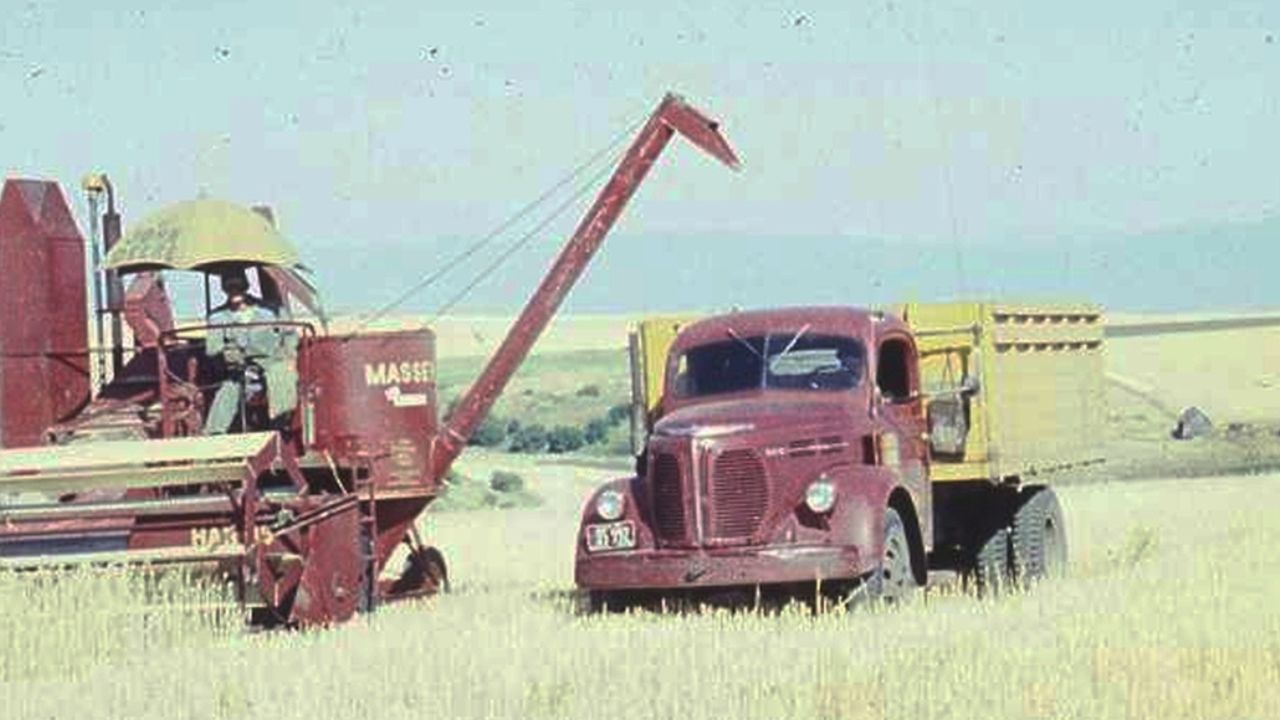
REO’s Speed Wagon wasn’t just a clever name. These were workhorses built for utility companies and tradesmen. The 245 ci Gold Comet six made about 110 hp, but the torque curve and gearing were ideal for loads and city driving.
You could spec them with enclosed service bodies or flatbeds. Cab layout was pure function—no fluff, just steel and simplicity. They weren’t flashy, but they lasted decades and got the job done without drama. Many ended up in fleets because they simply wouldn’t quit.
Here’s more from us:
*Created with AI assistance and editor review.