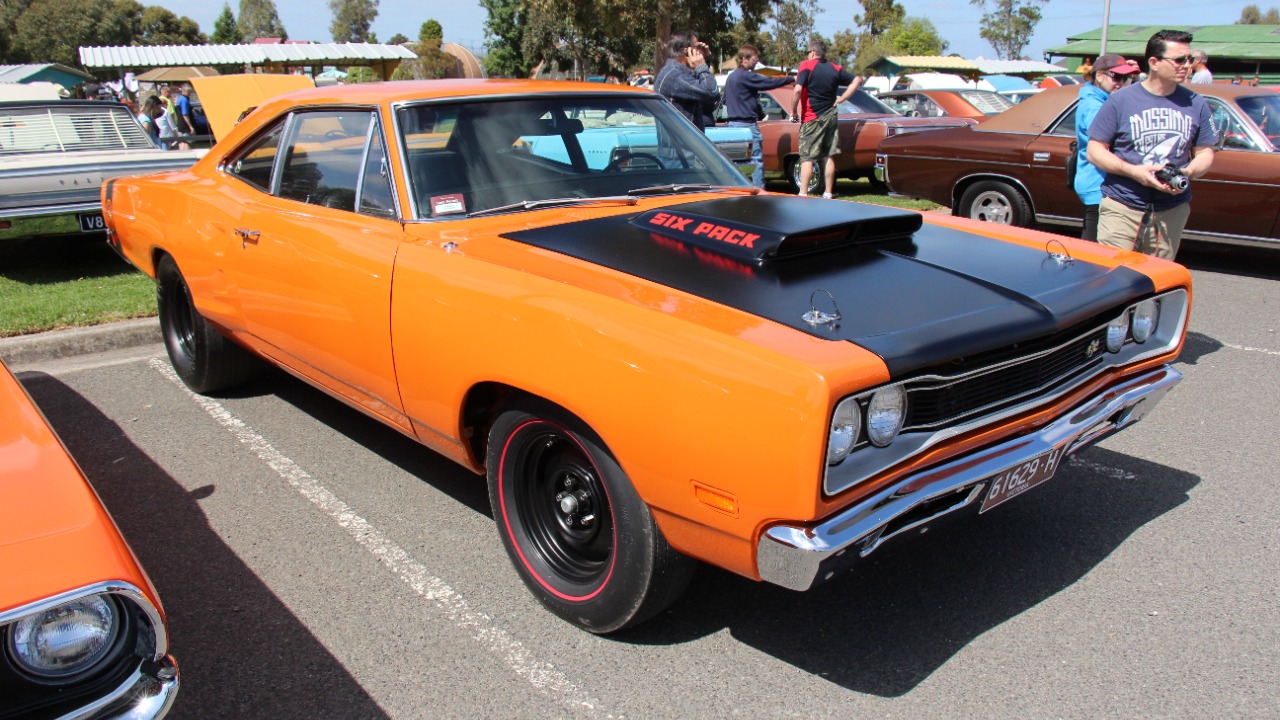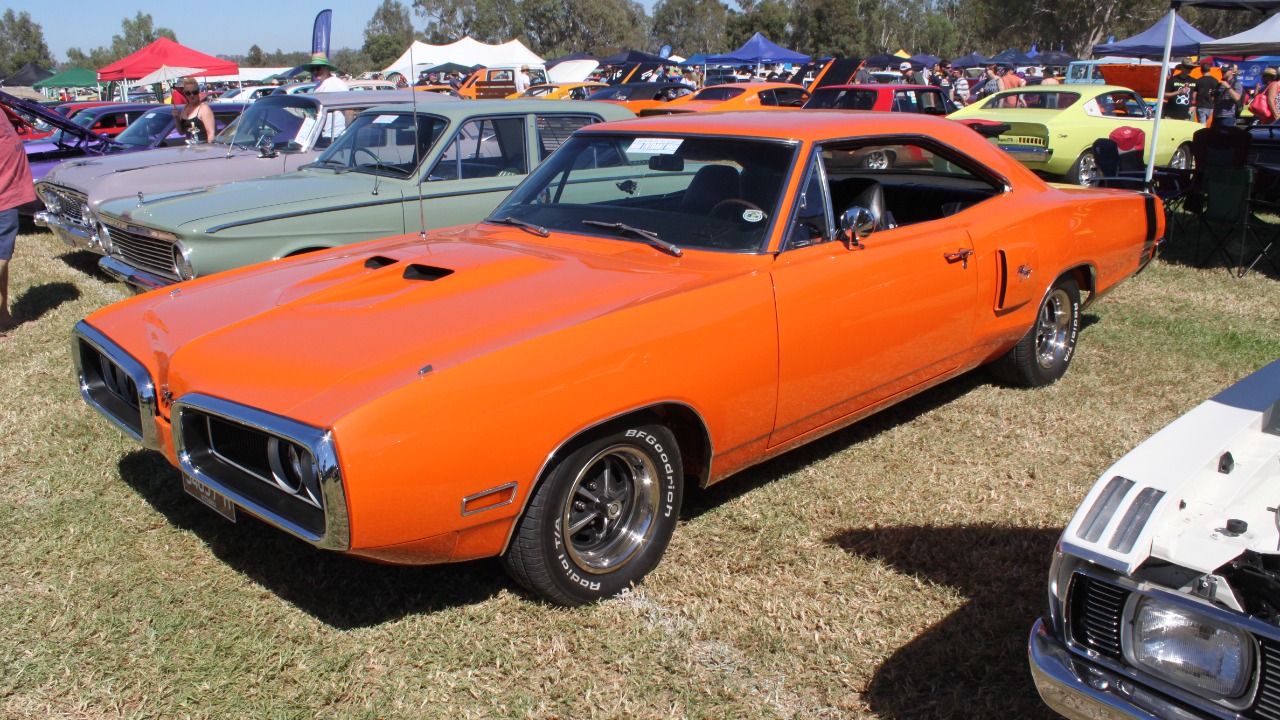
The Dodge Coronet, a classic American muscle car, boasts a rich history, but one of its production runs stands out as particularly rare and coveted among collectors. Built in just 112 units, this limited edition of the Coronet is a testament to the brand’s engineering prowess and a symbol of automotive nostalgia.
Historical Context of the Dodge Coronet
The Dodge Coronet has undergone significant evolution since its inception in the 1940s, transitioning from a modest family car to an iconic muscle car by the late 1960s. Initially introduced as a lower-priced vehicle, the Coronet quickly gained traction among buyers, thanks to its combination of style and performance. In the 1960s, Dodge capitalized on the muscle car craze, positioning the Coronet as a rival to other powerhouses like the Ford Mustang and Chevrolet Camaro.
The significance of the Coronet in the muscle car era cannot be overstated. With the introduction of the Coronet R/T in 1967, Dodge made a bold statement in the muscle car market. This model featured a powerful 440 cubic inch V8 engine, which solidified its place among the most sought-after muscle cars of the time. The competition was fierce, with brands like Pontiac and Oldsmobile also releasing high-performance models, but the Coronet carved a niche for itself through innovative design and engineering.
As the 1970s approached, the Coronet saw key changes in both design and engineering. The introduction of the 1970 model year marked a high point for performance, but it also set the stage for a rare production run that would capture the hearts of collectors. The limited edition produced in 1970 was distinguished by its unique features and exceptional performance metrics, making it a standout in the Coronet lineup.
The Rarest Production Run: Specifications and Features
The rarest production run of the Dodge Coronet consisted of only 112 units, each featuring specifications that set them apart from the standard models. At the heart of this limited edition was a powerful 426 cubic inch HEMI V8 engine, renowned for its performance capabilities. With a horsepower rating that exceeded 425, these vehicles were designed for speed and acceleration, making them a formidable presence on the road and the racetrack.
What truly distinguishes this production run is not just the engine but also the unique features incorporated into these vehicles. For instance, the cars were equipped with heavy-duty suspension systems and special performance packages that enhanced handling and ride quality. Additionally, unique aesthetic touches, such as distinctive striping and upgraded interior options, made these models stand out visually. The combination of performance and style made the rare Coronet a collector’s dream.
The design choices that led to this limited production were influenced by a mix of market demand and the desire to create a flagship model for the Dodge brand. The engineering team focused on making a car that not only appealed to muscle car enthusiasts but also showcased the technological advancements of the time. These decisions ultimately contributed to the Coronet’s legacy as one of the most revered muscle cars in history.
The Production Process: Challenges and Innovations
The manufacturing of the rare Dodge Coronet was not without its challenges. Producing only 112 units required a level of precision and coordination that was unprecedented at the time. The team encountered various hurdles, such as sourcing high-performance components that met stringent quality and performance standards. These challenges also presented opportunities for innovation, leading to advancements in assembly line techniques and quality control measures.
One notable innovation that emerged from this production run was the development of new engineering solutions that improved the overall performance of the vehicle. For instance, the integration of lightweight materials in specific components helped reduce weight without compromising strength. This approach not only enhanced speed and handling but also set a precedent for future muscle car designs.
The role of market factors was crucial in limiting production to just 112 units. The early 1970s were marked by economic uncertainty and a shift in consumer preferences. Rising fuel prices and changing emissions regulations led to a decline in demand for high-performance vehicles. Dodge recognized the shifting landscape and made the strategic decision to produce a limited number of these high-performance units, ensuring that they would stand out in the marketplace.
Collector’s Appeal and Market Value
The rarity of the Dodge Coronet has significantly influenced its market value, making it one of the most sought-after muscle cars among collectors. Current market estimates place the value of these rare units anywhere from $100,000 to over $300,000, depending on condition and provenance. Factors such as original paint, mileage, and documentation play crucial roles in determining the final price at auction.
Collectors and enthusiasts often cite the unique engineering and historical significance of the rare Coronet as key reasons for its desirability. The performance capabilities of these vehicles, coupled with their limited production, create a sense of exclusivity that appeals to serious collectors. Enthusiast forums and classic car shows frequently feature discussions and showcases dedicated to this model, highlighting its importance in automotive history.
Notable sales and auctions have further solidified the Coronet’s status in the collector’s market. For instance, a pristine example of the 1970 Dodge Coronet sold at a Mecum auction for over $250,000, drawing attention from collectors worldwide. Such transactions not only reflect the car’s value but also its place in the pantheon of American muscle cars.
Preservation and Restoration Efforts
Preserving the rare Dodge Coronet is an ongoing effort for many collectors, as these vehicles hold significant historical value. Owners often face challenges in sourcing original parts that are crucial for maintaining the car’s authenticity. As the years go by, finding specific components becomes increasingly difficult, requiring creativity and resourcefulness from restoration experts.
Restoring these rare vehicles to their original condition can be a labor-intensive process. Many owners opt to work with specialized restoration shops that have experience with classic muscle cars. These shops not only focus on mechanical restoration but also on preserving the aesthetic integrity of the vehicle. The challenge lies in balancing authenticity with the need for modern reliability, leading to some interesting debates among enthusiasts regarding the use of aftermarket modifications.
Profiles of notable restorations highlight the dedication and passion that collectors have for the Dodge Coronet. One such example is the restoration of a 1970 Coronet R/T, which underwent a comprehensive rebuild that included sourcing original parts and meticulous attention to detail. The owner documented the entire process, showcasing the challenges faced and the triumphs achieved, ultimately resulting in a vehicle that not only looks stunning but also performs at a high level.
Legacy and Cultural Impact
The Dodge Coronet has left a lasting legacy on automotive culture, with its impact resonating through various forms of media. The model has made appearances in films and television series, often symbolizing the quintessential American muscle car. From classic films like “The Fast and the Furious” to modern car shows, the Coronet continues to capture the imagination of car enthusiasts and casual viewers alike.
This rare production run has been celebrated in car shows and enthusiast gatherings, where it often takes center stage. Events like the Muscle Car and Corvette Nationals showcase these vehicles, allowing fans to appreciate their unique features and rich history. The camaraderie among enthusiasts fosters a community dedicated to preserving the legacy of the Dodge Coronet, ensuring that its story continues to be told.
The ongoing interest in the Dodge Coronet and its legacy in the muscle car scene is evident through the numerous clubs and online forums dedicated to this model. These communities provide a platform for enthusiasts to share knowledge, restoration tips, and stories about their own experiences with the Coronet. As new generations discover the allure of classic muscle cars, the Dodge Coronet remains a symbol of American automotive ingenuity and nostalgia.
More from Fast Lane Only
- Unboxing the WWII Jeep in a Crate
- 15 rare Chevys collectors are quietly buying
- 10 underrated V8s still worth hunting down
- Police notice this before you even roll window down
*Research for this article included AI assistance, with all final content reviewed by human editors.