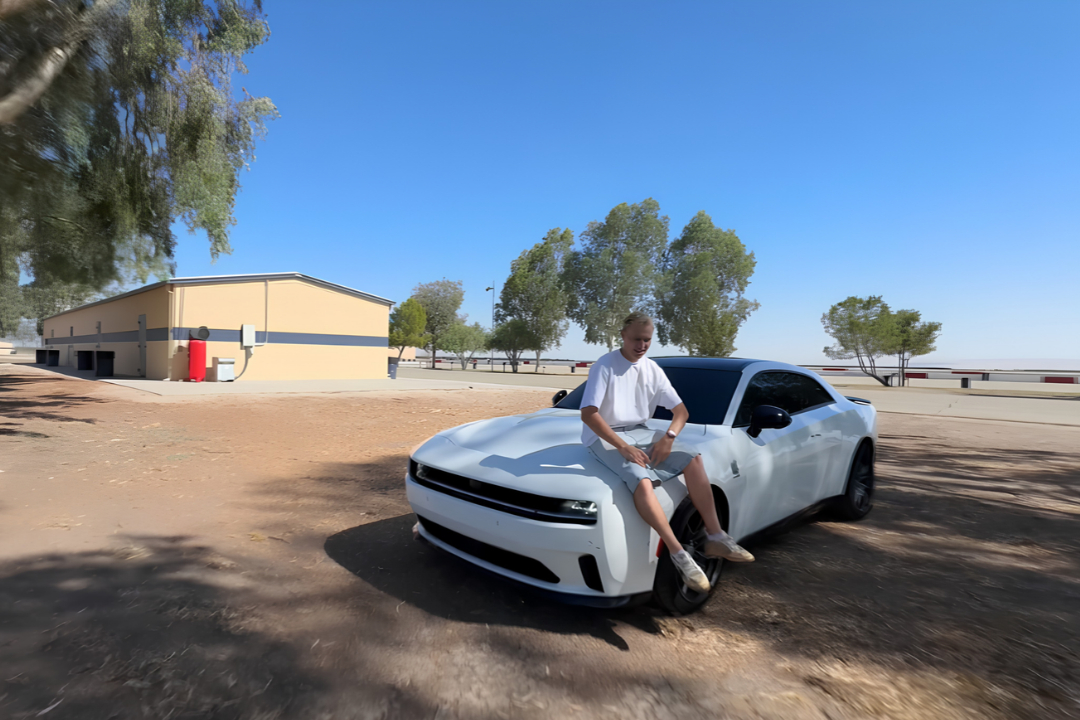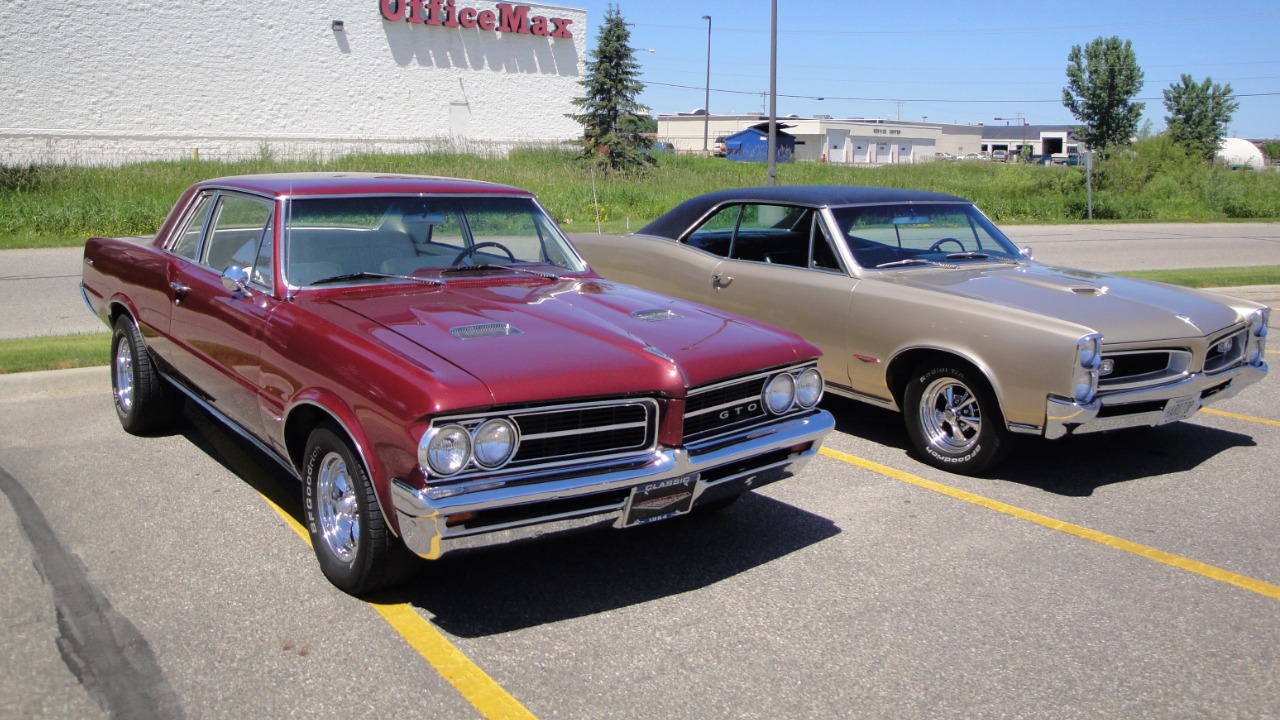
The 1960s marked a revolutionary decade for American automobiles, characterized by an unprecedented surge in performance and design. As car manufacturers raced to capture the hearts and minds of performance enthusiasts, iconic models emerged that would shape the future of the automotive landscape. From muscle cars to sporty coupes, these vehicles not only defined a generation but also set new standards for speed and style.
Ford Mustang (1964)
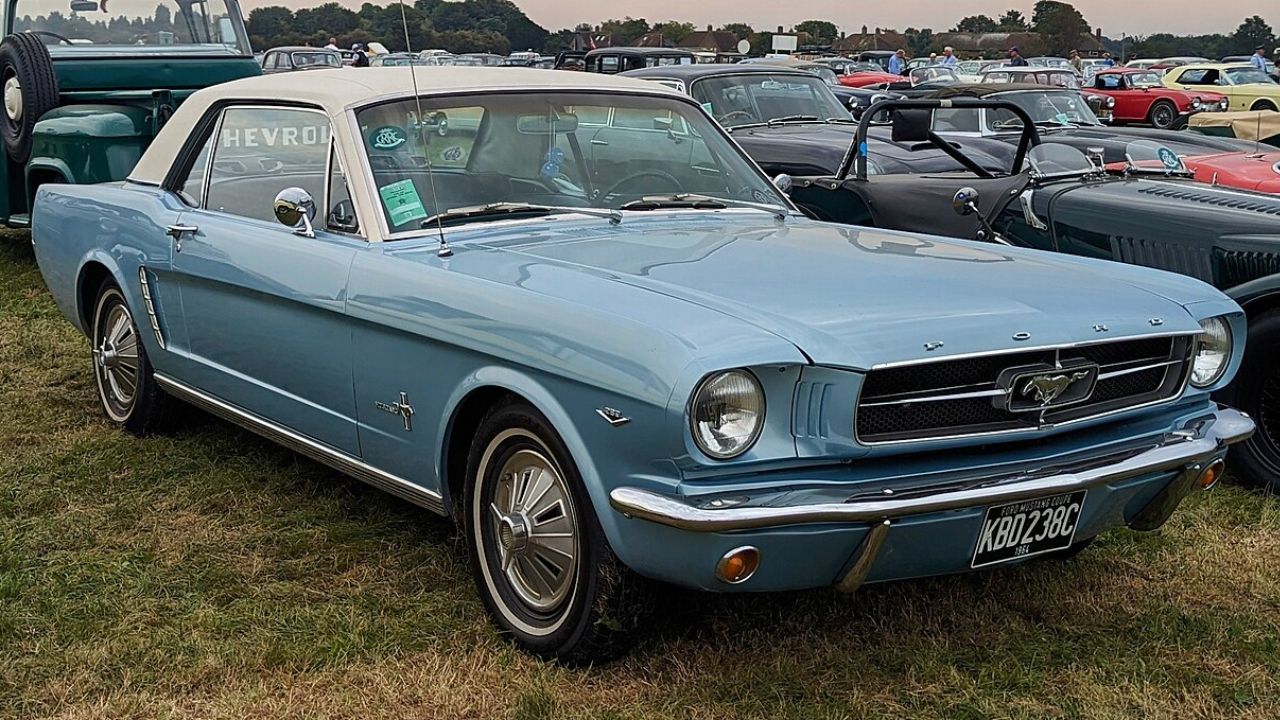
Launched in 1964, the Ford Mustang ignited the pony car craze and became an emblem of American automotive culture. With a lightweight body, a variety of engine options, and an affordable price, the Mustang appealed to a broad audience. Its sleek design and powerful performance options, including the iconic 289 V8, allowed it to dominate both the streets and the racetrack. The Mustang’s introduction marked a significant departure from traditional sedans, establishing a new segment that would inspire countless competitors. Its enduring popularity continues to make it a staple in car culture today.
The Mustang’s success also led to the rise of aftermarket modifications and a vibrant customization scene. Enthusiasts began personalizing their vehicles, elevating the Mustang’s reputation as a canvas for performance upgrades. This trend not only transformed the car itself but also fostered a community passionate about speed and style. The Mustang’s influence on the automotive industry is still felt, as it paved the way for future performance vehicles that prioritize both aesthetics and power.
Chevrolet Camaro (1967)
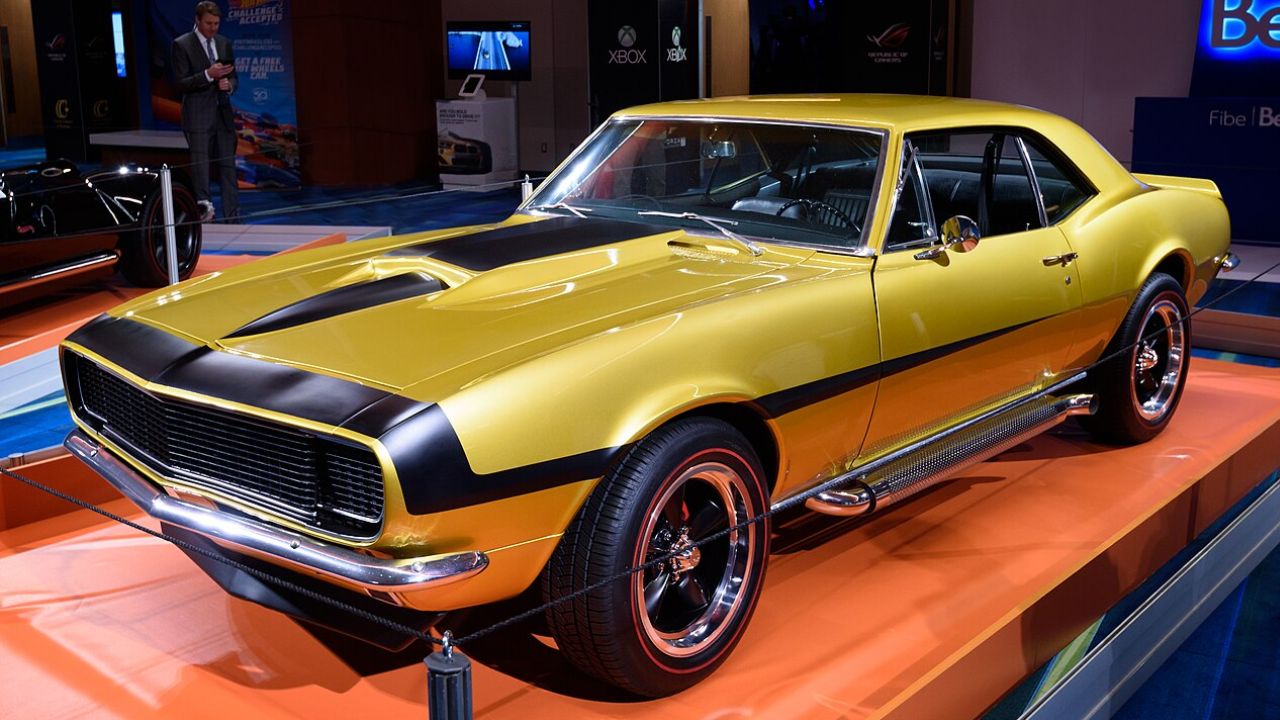
In response to the Mustang’s success, Chevrolet introduced the Camaro in 1967 as a direct competitor. This muscle car quickly gained traction among enthusiasts, thanks to its aggressive styling and robust engine options, including the powerful 396 V8. The Camaro embodied the spirit of the era, providing drivers with a thrilling experience that combined performance and style. Its balanced handling and robust powertrain made it a favorite for both drag racing and road courses.
The Camaro not only became a staple in American car culture but also set the stage for future generations of performance vehicles. As it evolved through the years, it remained a symbol of American muscle, adapting to changing tastes and technologies. The first-generation Camaro established a legacy that continues to resonate with car enthusiasts and collectors. Its enduring appeal reflects the excitement and innovation that characterized the automotive landscape during the 1960s.
Dodge Charger (1966)
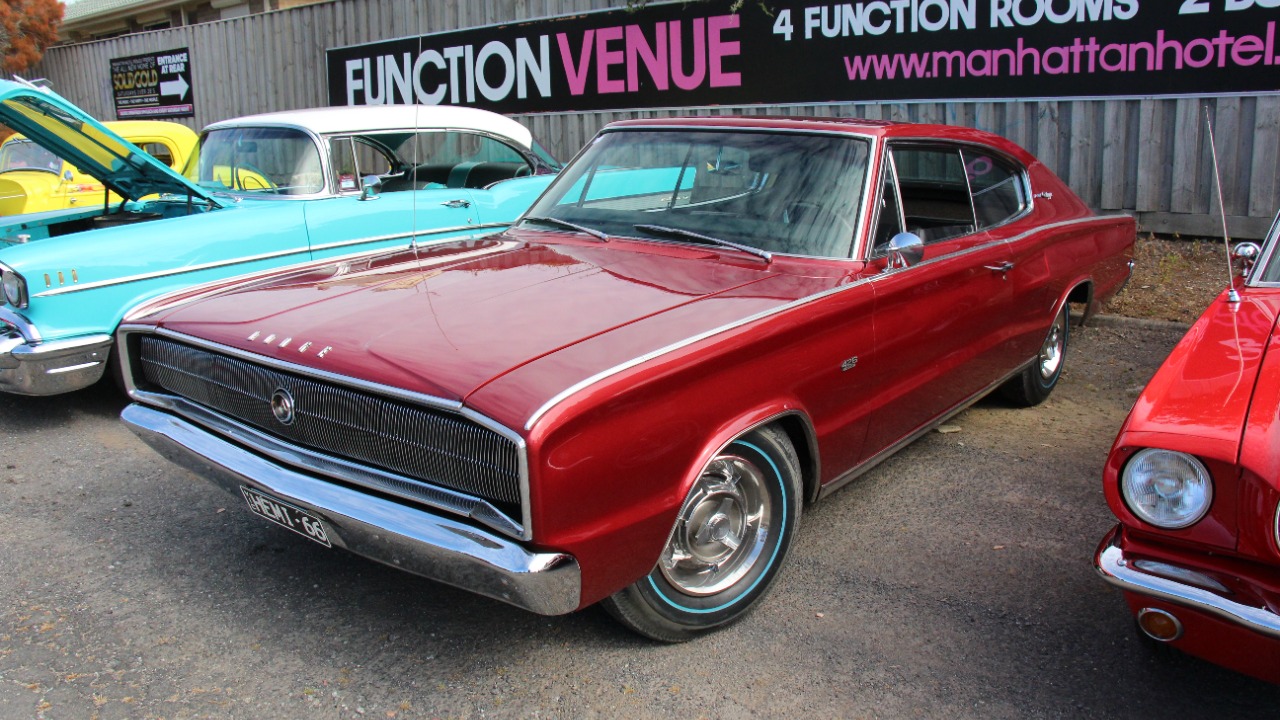
The introduction of the Dodge Charger in 1966 marked a major shift in the American performance scene. With its bold styling and powerful engine options, including the iconic 426 Hemi, the Charger quickly became synonymous with muscle and speed. Its fastback design was not only aesthetically pleasing but also functional, improving aerodynamics and performance. The Charger was a favorite among drag racers and street enthusiasts, showcasing the raw power that defined the era.
As the 1960s progressed, the Charger evolved, becoming a fixture in popular culture, particularly through its appearances in films and television. Its status as a performance icon was solidified in movies like “Bullitt,” where it showcased its speed and agility. The Charger’s blend of style, power, and cultural significance made it an enduring symbol of American automotive prowess, influencing generations of car enthusiasts and manufacturers alike.
Plymouth Barracuda (1964)
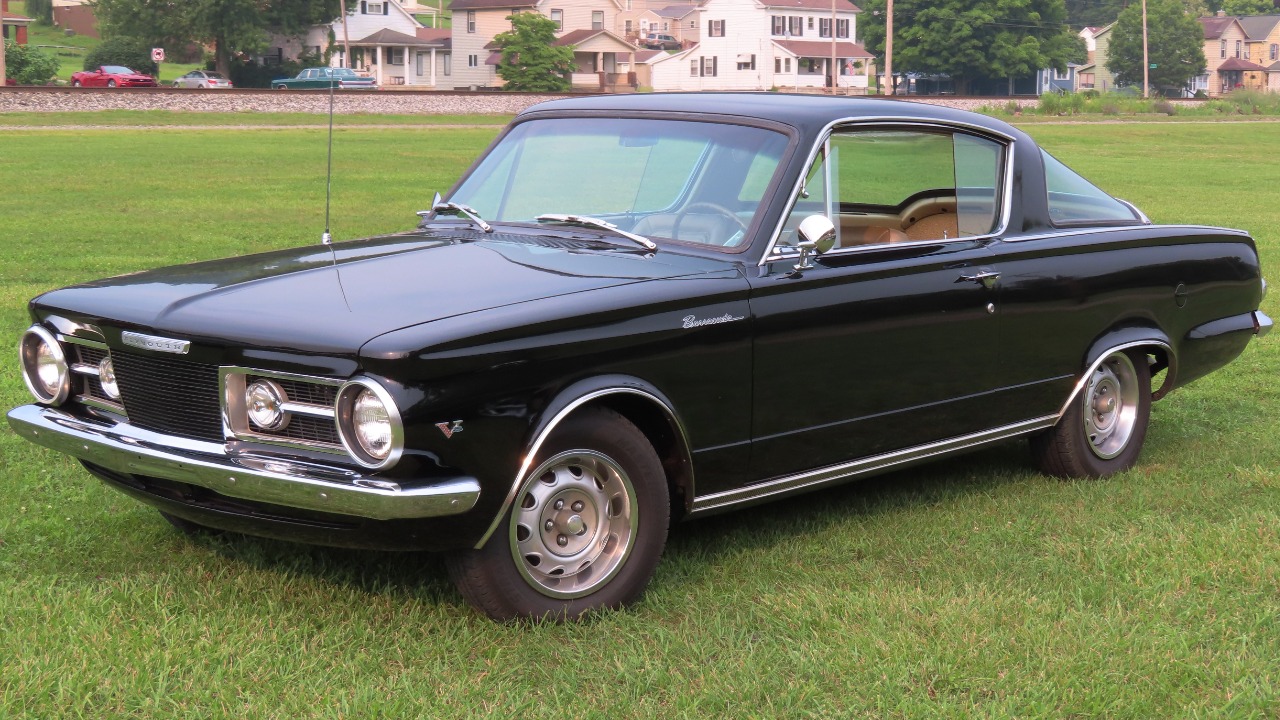
Making its debut in 1964, the Plymouth Barracuda was one of the first pony cars to hit the market. Its unique design, featuring a fastback profile and expansive rear window, set it apart from competitors. The Barracuda was available with a range of engine options, from a modest 273 V8 to the powerful 426 Hemi, making it appealing to a diverse group of drivers. This versatility allowed it to perform well on both the street and the track.
The Barracuda’s introduction played a crucial role in shaping the muscle car segment, paving the way for other manufacturers to enter the market. Its racing pedigree and innovative design features helped to establish Plymouth as a serious contender in the performance car arena. As a result, the Barracuda left an indelible mark on American car culture, inspiring future generations of performance vehicles.
Chevrolet Corvette (1963)
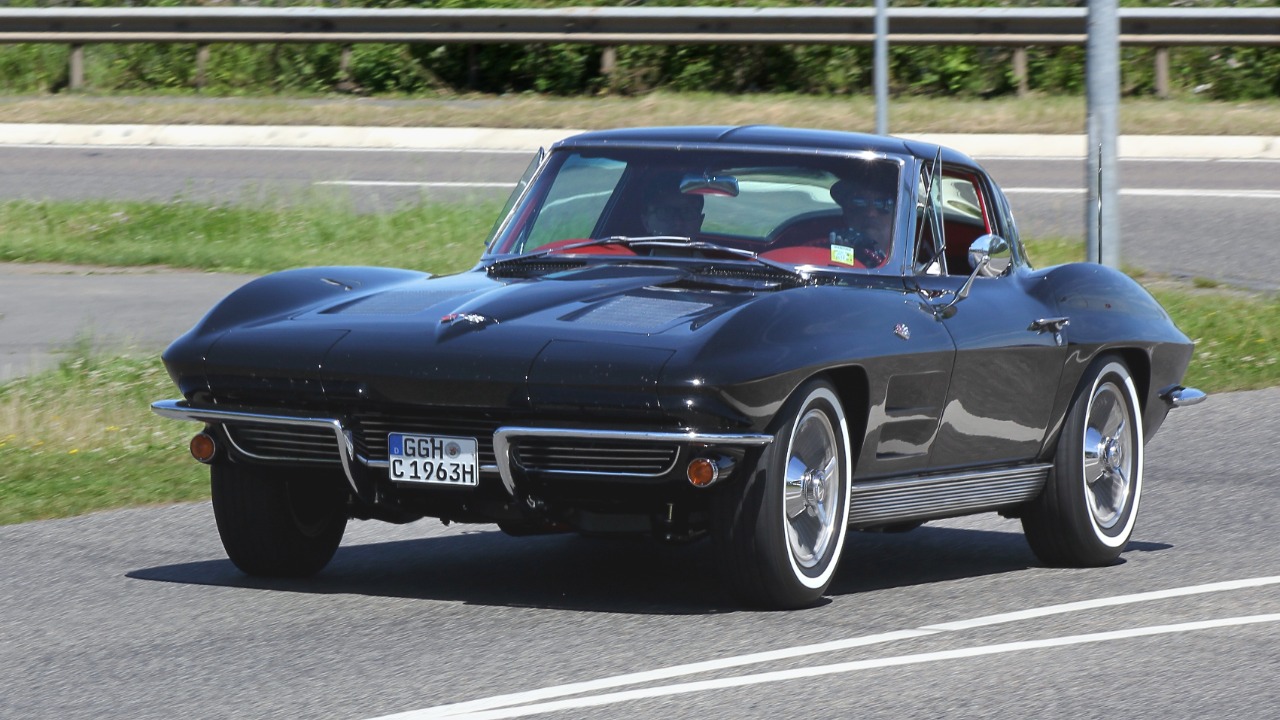
The Chevrolet Corvette, particularly the 1963 model, was a groundbreaking vehicle that redefined American sports cars. Its sleek, aerodynamic design and advanced engineering set new standards for performance and style. With a powerful 327 cubic inch V8 engine, the Corvette offered an exhilarating driving experience, making it a favorite among enthusiasts and racers alike. The split-window coupe design became an iconic symbol of the car’s legacy, showcasing Chevrolet’s commitment to innovation.
The Corvette’s influence extended beyond just performance; it also played a significant role in establishing the United States as a formidable player in the global sports car market. With its combination of power, handling, and sophistication, the Corvette became a benchmark for other manufacturers. Its legacy continues today, as modern Corvettes still draw inspiration from this classic era, maintaining the spirit of performance that made the original so memorable.
Pontiac GTO (1964)
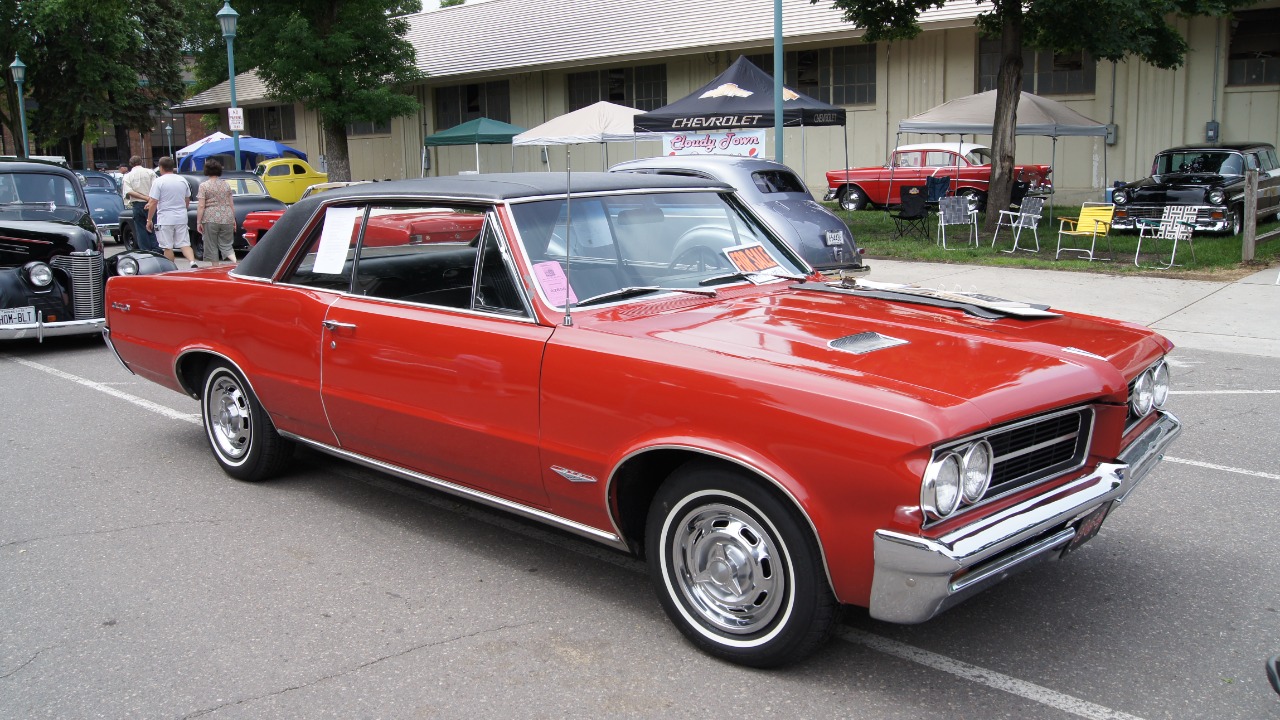
The Pontiac GTO, introduced in 1964, is often credited with starting the muscle car phenomenon. By combining a powerful V8 engine with a lightweight frame, Pontiac created a vehicle that delivered thrilling acceleration and a unique driving experience. The GTO’s performance capabilities were complemented by its aggressive styling and customizable options, making it a favorite among car enthusiasts. Its early success laid the foundation for a new genre of high-performance vehicles that would dominate the industry for years.
The GTO’s impact on American car culture was profound, influencing not just consumers but also manufacturers. Its success encouraged other brands to enter the muscle car market, leading to a competitive landscape that spurred innovation and performance advancements. The GTO’s legacy lives on as a symbol of American automotive freedom and power, inspiring future generations of performance vehicles.
Mercury Cougar (1967)
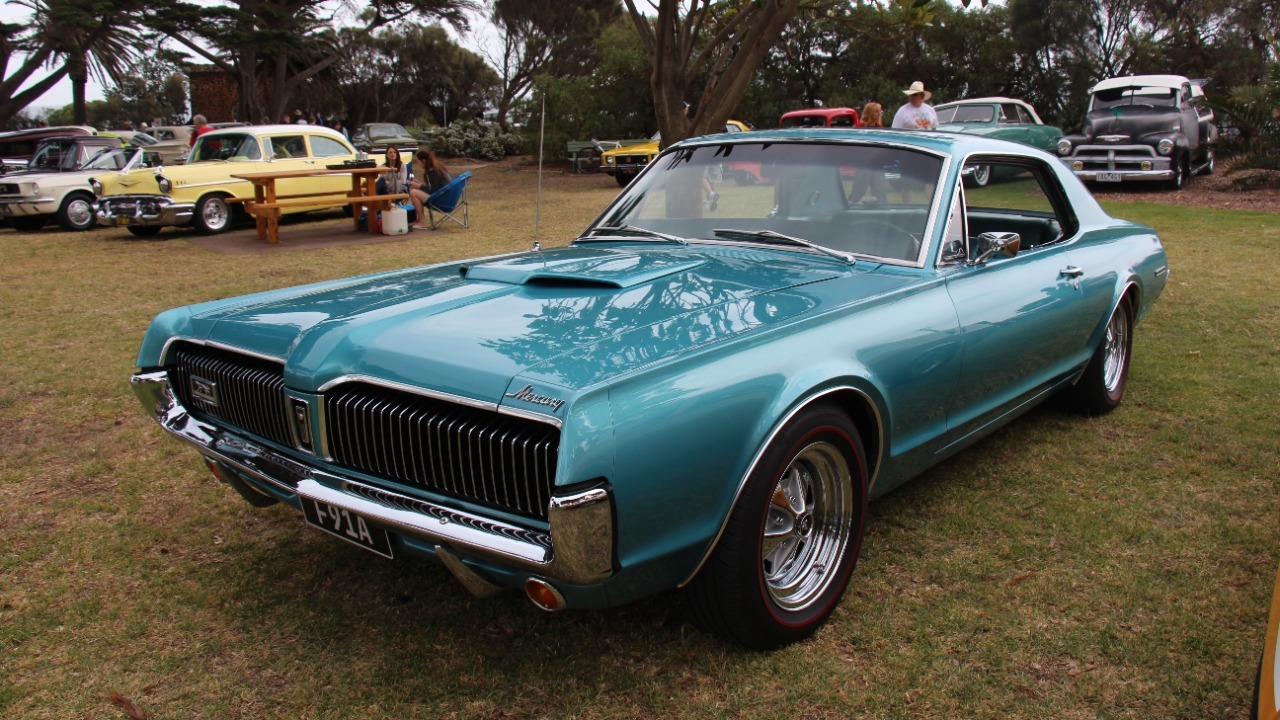
The Mercury Cougar was introduced in 1967 as Mercury’s answer to the growing demand for performance-oriented vehicles. With its luxurious features and sporty design, the Cougar appealed to a more upscale market while still delivering impressive performance. Its powerful V8 engines and refined handling made it a strong contender in the muscle car segment. The Cougar’s combination of style and speed quickly earned it a loyal following among enthusiasts.
As the Cougar evolved, it maintained its reputation for blending luxury and performance. The model’s unique styling and features set it apart from competitors, creating a niche that resonated with buyers. The Cougar’s impact on the performance landscape during the late 1960s highlighted the importance of catering to diverse consumer preferences, paving the way for future luxury performance vehicles.
Shelby GT350 Mustang (1965)

The introduction of the Shelby GT350 Mustang in 1965 marked a significant milestone in the world of performance cars. Developed in collaboration with racing legend Carroll Shelby, this model was designed to compete in sports car racing while retaining the street-friendly charm of the Mustang. With its enhanced suspension, lightweight construction, and powerful 289 cubic inch V8 engine, the GT350 offered exhilarating performance that set it apart from its contemporaries.
The GT350’s racing success helped solidify its status in automotive history, influencing both enthusiasts and manufacturers alike. Its design and engineering innovations laid the groundwork for future performance Mustangs, ensuring that the legacy of the GT350 would live on. Today, it remains a cherished classic, celebrated for its racing pedigree and iconic status in American car culture.
Oldsmobile 442 (1964)
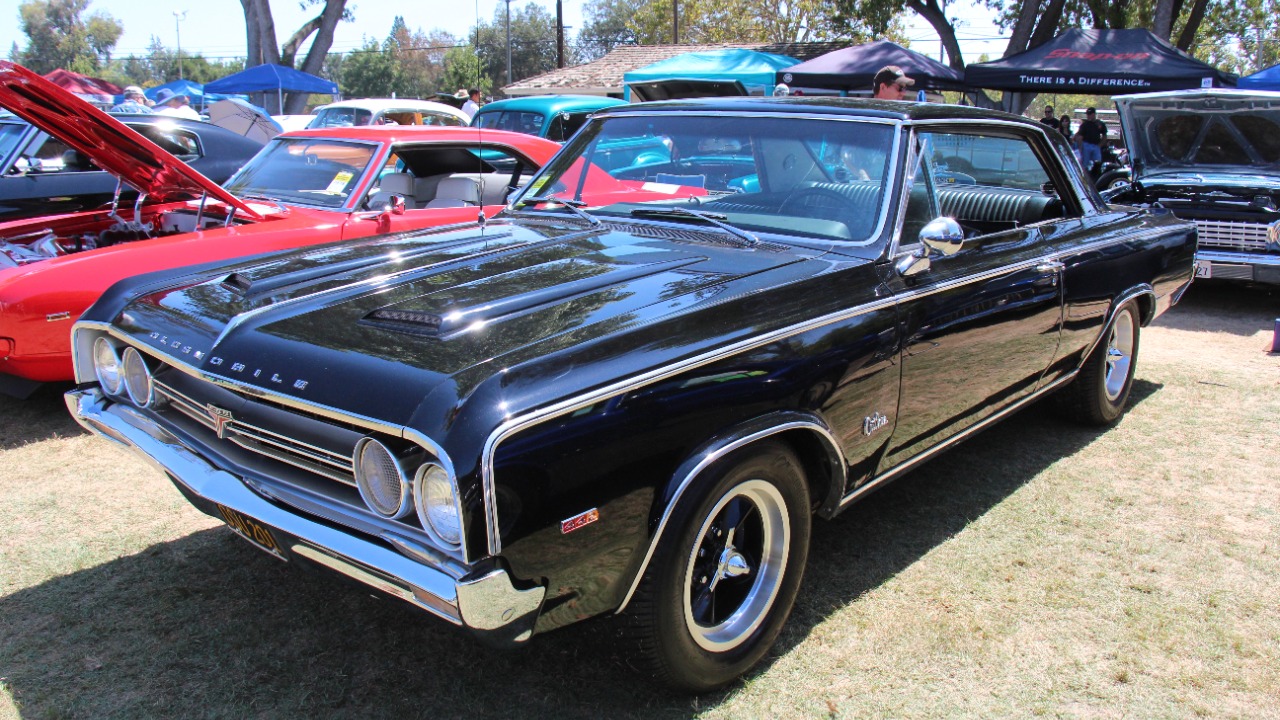
The Oldsmobile 442, introduced in 1964, was a game changer in the muscle car arena. Originally a trim package for the Cutlass, the 442 quickly evolved into a stand-alone performance model that combined a powerful V8 engine, a manual transmission, and a sporty design. Its name, standing for “four-barrel carburetor, four-speed transmission, and dual exhaust,” exemplified its performance-oriented approach, making it a favorite among serious driving enthusiasts.
The 442’s impact on the performance landscape was significant, as it showcased Oldsmobile’s commitment to innovation and speed. The model’s racing pedigree and reputation for reliability helped establish it as a formidable competitor in the muscle car market. With its artistic design and performance capabilities, the Oldsmobile 442 remains a beloved classic that continues to capture the hearts of car enthusiasts today.
More from Fast Lane Only
- Unboxing the WWII Jeep in a Crate
- 15 rare Chevys collectors are quietly buying
- 10 underrated V8s still worth hunting down
- Police notice this before you even roll window down
*Research for this article included AI assistance, with all final content reviewed by human editors.