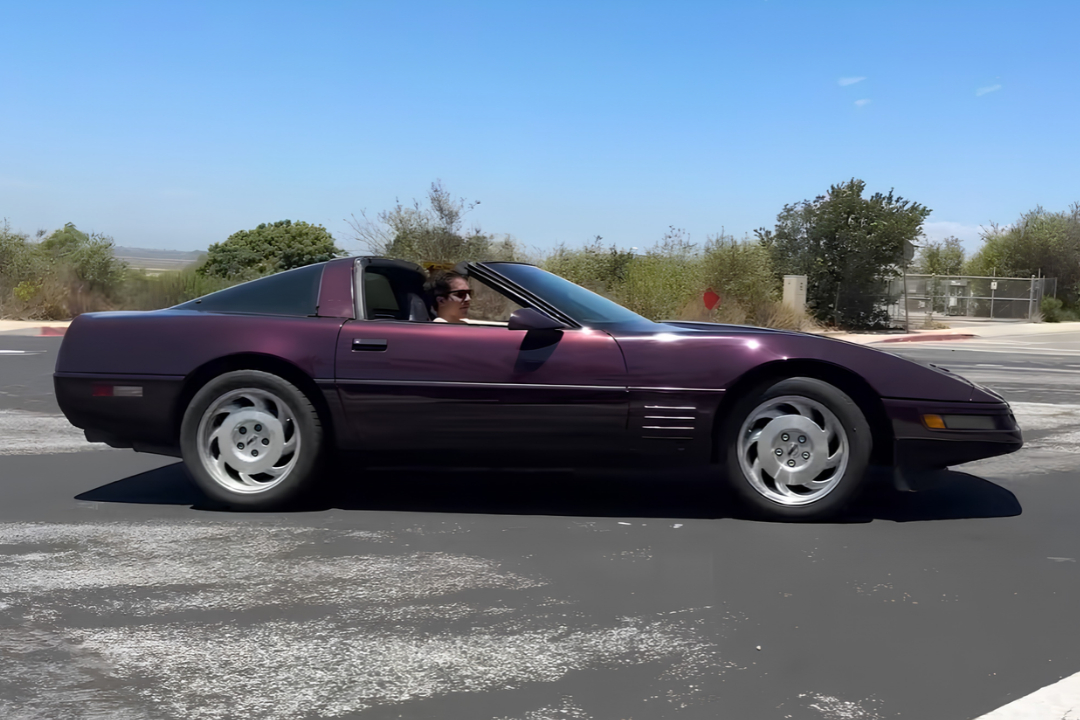
When you look at a military convoy and then glance at the nearest commuter SUV, you are seeing two very different answers to the same basic question of how to move people and cargo. Both sets of vehicles roll on rubber and steel, but one is tuned for comfort, fuel economy, and emissions rules, while the other is built to survive blasts, bullets, and hostile terrain. Understanding how engineers separate those priorities helps explain why a machine that thrives on a battlefield often makes little sense on a city street.
This is not just a comparison of “tough” versus “soft” vehicles. It is a contrast between a design culture that assumes contact with explosives, electronic jamming, and small arms fire and one that assumes potholes, parking garages, and warranty claims. That gap drives choices in armor, powertrains, electronics, and even door hinges.
Protection first: armor, blast design, and survivability
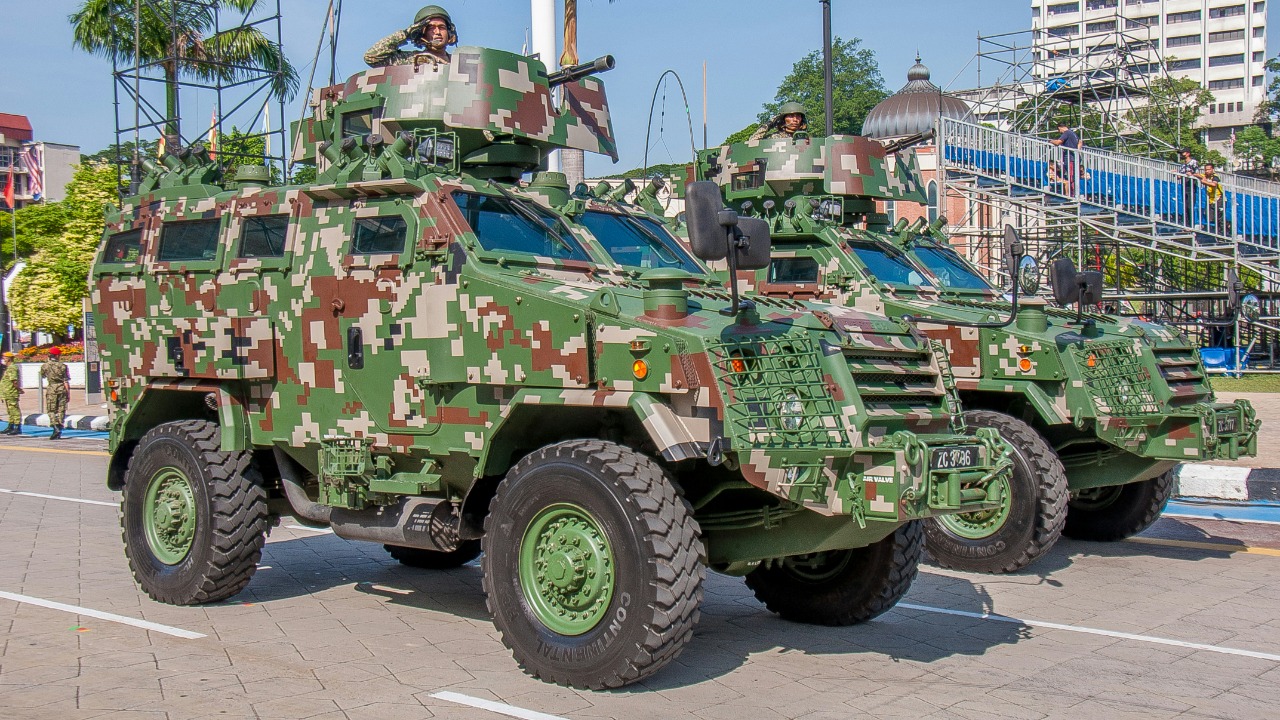
Military vehicles start from a simple assumption that you rarely apply to civilian cars: people will actively try to destroy them. That shifts the design center of gravity to survivability, which is why you see thick armor, small windows, and high ride heights that look awkward on a highway but make sense under fire. U.S. tactical trucks and troop carriers are wrapped in layered steel and composite armor, and many use V-shaped hulls that deflect blasts away from the crew compartment rather than letting the force travel straight up into the cabin.
To keep crews alive against roadside bombs and rockets, designers add systems that never appear on a family crossover, including underbody blast plates, run-flat tires, and cages that keep doors from crumpling inward. Protection is not just about the shell either. High Tech Vehicle Protection programs invest in electronic countermeasures that can detect or disrupt threats before they strike, and those systems are now integrated into how you route cables, mount antennas, and shield sensors from damage, as described in detailed guides to how the U.S. Army protects its tactical vehicles.
Powertrains built for torque, abuse, and logistics
When you buy a civilian SUV, you usually care about smooth acceleration, quiet operation, and fuel economy on paved roads. By contrast, military vehicles are engineered to pull heavy loads at low speeds, climb steep grades, and keep moving even when maintenance is delayed. That is why you see high-displacement diesel engines with conservative tuning, heavy-duty cooling, and simplified electronics that can tolerate dust, mud, and improvised repairs in the field. Veteran mechanics like Jim Allen, who is described as an American, Veteran, Husband, Father, Grandfather, and Constitution defender, have explained that engines in military trucks are often designed to run at lower specific output so they survive long periods of high load without failure, which is very different from the high-strung turbocharged gasoline engines in many modern crossovers.
The contrast is especially clear when you compare a military Humvee to a civilian Hummer. Military Humvees are engineered to prioritize ground clearance, approach angles, and durability, even if that makes them loud and slow on pavement, while civilian versions dial back those traits to satisfy emissions rules, comfort expectations, and consumer-friendly drivability. Analyses of the engine performance differences point out that the military powertrains are optimized for adaptability to rough conditions rather than quick acceleration to highway speeds.
From “military grade” to civilian: structure, weight, and compromises
When you see a civilian truck marketed as “military grade,” you might assume it shares its bones with a battlefield vehicle. In reality, you are looking at very different structural priorities. Military trucks and armored carriers use frames and mounting points that are designed from the start to accept armor kits, weapon stations, and communications gear. That means reinforced crossmembers, extra brackets, and roof structures that can carry turrets or remote weapon systems. Engineers who work on conversions warn that trying to retrofit those features into a civilian chassis is often more expensive than purpose-built designs, because mounting points, structural load paths, and suspension geometry were never meant to handle that weight.
Even when you compare a military Humvee to its civilian cousin, the structure is not just a thicker version of the same thing. Military variants use heavier suspension components, different frame reinforcements, and underbody protection that would add unacceptable weight and cost to a showroom Hummer. Overviews of the civilian Hummer highlight how consumer models trade some of that structural overbuild for features like better interior packaging, sound insulation, and crash structures tuned for regulatory test cycles rather than for mines or improvised explosive devices.
Electronics, autonomy, and the move toward hybrid power
You might assume civilian vehicles lead on electronics, given their touchscreens and driver-assistance features, but military programs are quietly pushing hard into autonomy, stealth, and hybrid powertrains. Industry surveys of trends in defense mobility list autonomous vehicles at the top of current innovation, with platforms designed to scout ahead without putting crews at risk and to coordinate in convoys that share data about threats and terrain. Those same reports describe growing investment in stealth and reconnaissance capabilities, which change how you design wiring harnesses, sensor mounts, and even body panels to reduce signatures while still protecting delicate hardware.
Powertrain engineers are also rethinking how you move heavy armor. Analyses of why the defense industry is shifting to hybrid powertrains explain that electric motors provide instant torque, which can help a loaded armored vehicle accelerate out of danger, while batteries and generators can cut fuel use and reduce the logistics burden of moving diesel into remote areas. At the same time, hybrid systems can support high electrical loads for sensors, jammers, and communications without idling noisy engines. Commentaries on hybrid powertrains in defense stress that agility and speed are paramount when you are trying to survive ambushes, which is a very different design goal from squeezing out a few extra miles per gallon on a commuter route.
Armored vehicles and the limits of “civilianization”
If you look at the growing market for civilian armored SUVs and sedans, you might think the line between military and civilian vehicles is blurring. In reality, you are seeing a narrow slice of military thinking applied to private security. Armored vehicle specialists define these platforms as transportation units designed and constructed with protective materials that shield occupants from ballistic and blast threats. They describe ballistic protection as the first layer, where steel, composites, and bullet-resistant glass are chosen and tested to stop specific calibers, and they also highlight blast protection that hardens floors and side panels against explosives. In higher end builds, even electronic components are shielded to keep communications and control systems working after an attack, which is detailed in technical overviews of armored vehicles.
Yet there are clear limits to how far you can push a civilian platform. Extra armor adds weight that stresses brakes, suspensions, and tires that were originally sized for lighter duty, and interior layouts that prioritize luxury can conflict with ideal blast-resistant geometries. Industry commentary on conversions of SUVs and cargo trucks into militarized vehicles points out that while you can add plates and weapon mounts, you rarely achieve the same survivability as a vehicle that was engineered from day one for combat. That is why defense suppliers continue to design dedicated platforms, and why industry briefings on trends for military still treat armored combat vehicles, utility trucks, and civilian armored cars as distinct categories rather than points on a single spectrum.
Taken together, these differences show that military vehicles are not just “tougher” versions of what you drive to work. They diverge from the first line on the drawing board, shaped by assumptions about threats, logistics, and mission that civilian engineering never has to entertain. You can borrow some of those ideas for security-focused civilian designs, and you can certainly admire the engineering, but the battlefield logic behind them rarely fits neatly into everyday life.
More from Fast Lane Only