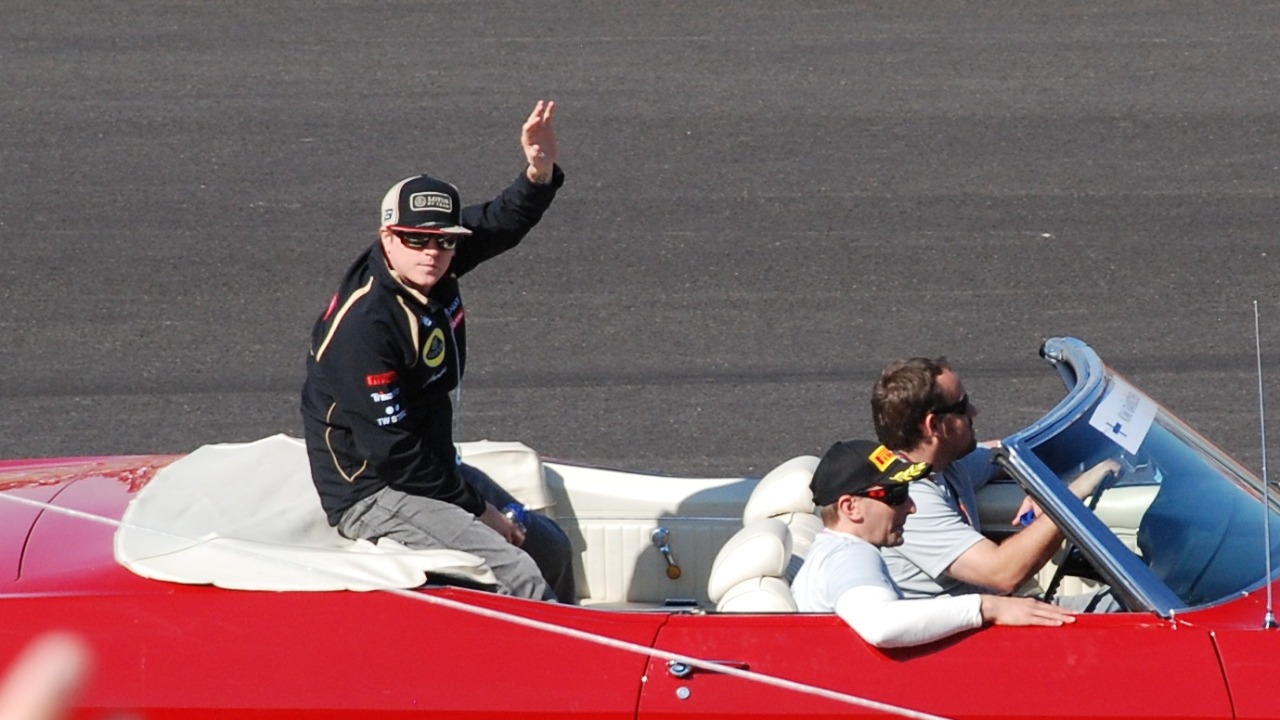
Kimi Räikkönen’s legend rests on a rare combination of raw speed, mechanical sympathy and emotional detachment that modern Formula One drivers are rarely allowed to show. His results alone would secure his place in history, but it is the way he drove and carried himself, from qualifying laps on the limit to monosyllabic radio replies, that makes his style feel untouchable even in today’s hyper-managed era.
Across two decades at the top level, Räikkönen built a reputation as the “Iceman” who could be fast-tracked into the sport, adapt instantly and then stay unflappable under pressure, while others around him cracked. That cool, almost indifferent exterior hid a fiercely precise racer whose approach still shapes how fans and rivals talk about what greatness in Formula One really looks like.
The fast-tracked outsider who never played the star
Räikkönen arrived in Formula One as an anomaly, promoted with what was described as the shortest racing résumé on the grid yet immediately treated as a future champion. He was fast‑tracked into the sport and turned from an unknown newcomer into a cornerstone of the drivers’ hall of fame, proof that pure pace and feel for the car could outweigh conventional apprenticeship. That leap from obscurity to elite status set the tone for a career in which he consistently refused to behave like a manufactured star, even as his results and longevity made him one of the defining figures of his generation.
His move to McLaren underlined how quickly he was trusted at the very top. The team embraced the idea that One Finn could seamlessly replace another, and Kimi the successor quickly justified that faith with relentless speed and racecraft. As Iceman, he never gave less than his maximum, yet he also never chased the spotlight, often walking away from the paddock chaos as soon as the work was done. That refusal to cultivate a media persona, even while driving for the sport’s biggest teams, is a key reason his legend feels so different from the carefully branded champions who followed.
The Iceman persona that became cultural shorthand
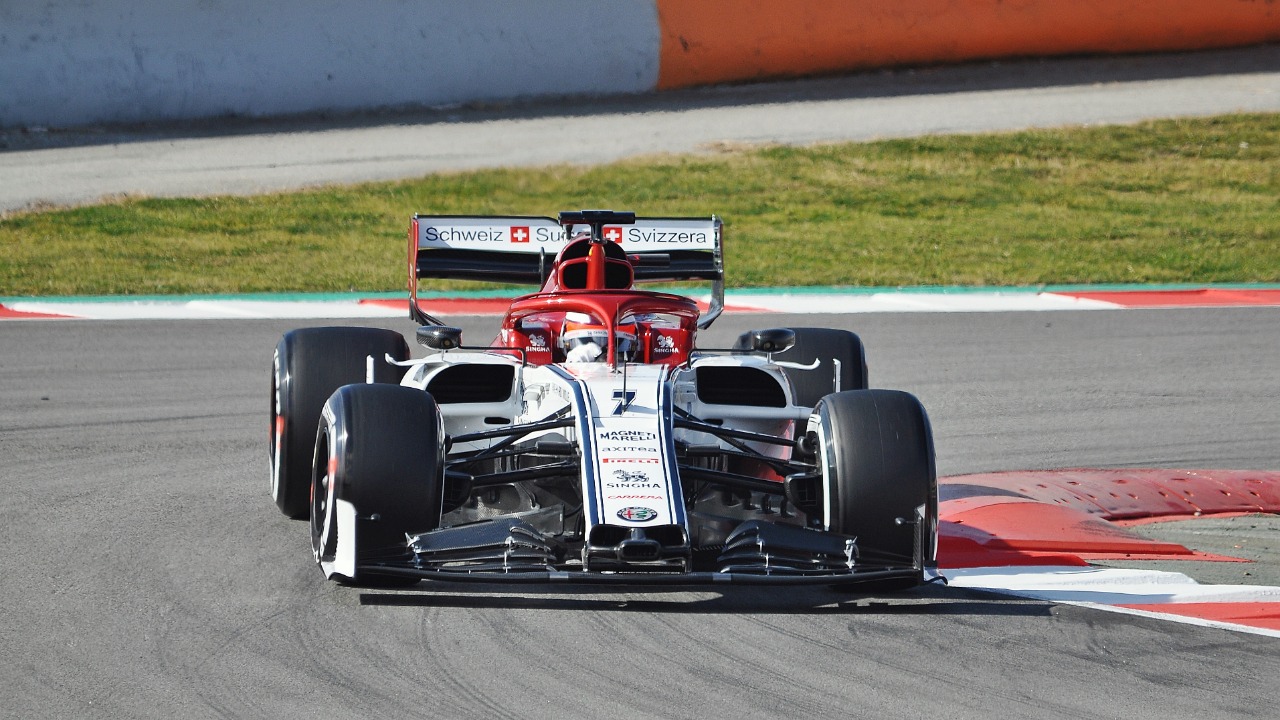
Räikkönen’s nickname was not a marketing invention but a reflection of how he operated under pressure, and it has since become shorthand for a certain type of sporting cool. The story behind The Origin of the “Iceman” Nickname for Kimi Raikkonen captures how his calm, almost frozen demeanor in the cockpit and in interviews contrasted with the chaos of Formula One. That persona resonated so strongly that it outlived his peak years, turning into a cultural reference point for fans who use “Iceman” as a compliment for any athlete who looks unbothered in the most intense moments.
Even in retirement, his image is powerful enough to anchor commercial projects that lean on his uniqueness rather than polish it away. The Kimi Räikkönen collection is marketed around one of Formula 1’s most unique and beloved personalities, Known for a no‑nonsense attitude that left an indelible mark on the sport. That commercial framing mirrors how fans talk about him: not as a polished ambassador, but as the last great anti‑hero of the paddock, someone whose legend is built on authenticity rather than access.
Driving style: ice-cold reflexes and a car on the edge
What truly separates Räikkönen from many of his peers is how his personality translated into his driving style. He was renowned for a car set‑up that looked nervous from the outside yet felt natural to him, relying on razor‑sharp reactions and a willingness to carry speed into corners that would unsettle others. A detailed fan analysis of his technique around the Australian Grand Prix describes how he thrived with a responsive front end and a rear that danced on the limit, a combination that demanded supreme confidence and punished even minor lapses in concentration.
That balance between risk and control is visible in highlight reels that continue to circulate widely. In one widely shared clip, Kimi produces a “smoke‑cloud moment” During a chaotic race, threading his car through near‑zero visibility with the same composure he showed in clean air. That kind of instinctive car placement, combined with the ability to stay mentally quiet when others would panic, is central to why his style is still cited as a benchmark for racecraft in difficult conditions.
Legend status in a field of legends
Räikkönen’s place in the sport’s hierarchy is best understood alongside the other giants of his era. His final Formula One start came at The Abu Dhabi Grand Prix, the 349th race of a career that began in the early 2000s and spanned multiple technical eras, title fights and comebacks. That longevity, combined with a world championship and countless podiums, is why detailed retrospectives explicitly frame Why Kimi Raikkonen belongs in the same conversation as the sport’s most decorated names.
Within that pantheon, comparisons are inevitable. Michael Schumacher is widely described as a legend of the sport and one of the greatest drivers of all time, while Lewis HamiltonFernando
Radio, quotes and the art of saying almost nothing
If Räikkönen’s driving was expressive, his words were famously sparse. His most iconic radio line, “Just leave me alone, I know what to do,” captured the essence of a driver who preferred to let his lap times speak. As Kimi, he was Famously
His off‑track quotes followed the same pattern, deadpan and disarming. When asked about the significance of his crash helmet, When others might have launched into a sentimental speech, Kimi simply replied that “It protects my head,” a line preserved in fan‑curated lists where You can trace the evolution of his public persona. That refusal to embellish, even when handed easy opportunities for branding, is a big part of why his words, few as they were, have become some of the most replayed in Formula One history.
Mindset, adaptability and why nobody quite drives like him now
Behind the laconic soundbites was a deeply thought‑through approach to racing. Räikkönen has spoken about how everyone dreams of becoming a Formula One world champion, but only a few manage to align talent, opportunity and timing, a sentiment reflected in collections of the Top 10 Most Famous Kimi Räikkönen Quotes that fans label the BEST. Those reflections, often tucked between jokes, reveal a driver who understood the fragility of success and the importance of staying mentally steady when circumstances changed from one lap to the next.
That mental strength was visible in how he handled treacherous conditions. After the 2016 race at Interlagos, analysis of the Brazilian Grand Prix emphasized that it is all in the mind, from keeping your cool to knowing where to place the car on a soaked track. Räikkönen’s ability to maintain that clarity, even when visibility dropped and grip vanished, is part of why his style is still held up as a template for how to manage risk without backing off. In an era where drivers are constantly coached over the radio, his instinctive feel for changing conditions looks increasingly rare.
A unique legacy in the modern F1 era
Räikkönen’s influence extends beyond his own results into how fans and fellow drivers think about what makes someone “loveable” in a sport built on ruthless competition. Video tributes describe how Iceman Kimmy Reagan was loved by teammates, rivals and supporters who felt he represented a purer, less scripted version of Formula One. That affection is not just nostalgia, it reflects a recognition that his combination of blunt honesty, dry humor and relentless speed is hard to replicate in a paddock increasingly shaped by corporate messaging.
His career arc, charted in profiles that describe how Kimi built one of the most distinctive journeys in Formula One history, Known to generations simply as The Ic, reinforces that sense of singularity. While other champions are remembered for relentless media presence or political maneuvering, Räikkönen is remembered for walking away from the noise, climbing into the car and delivering performances that made even his rivals shake their heads. In a field crowded with legends, that stripped‑back, ice‑cold style is why his legend, and the way he drove, still feels unmatched.