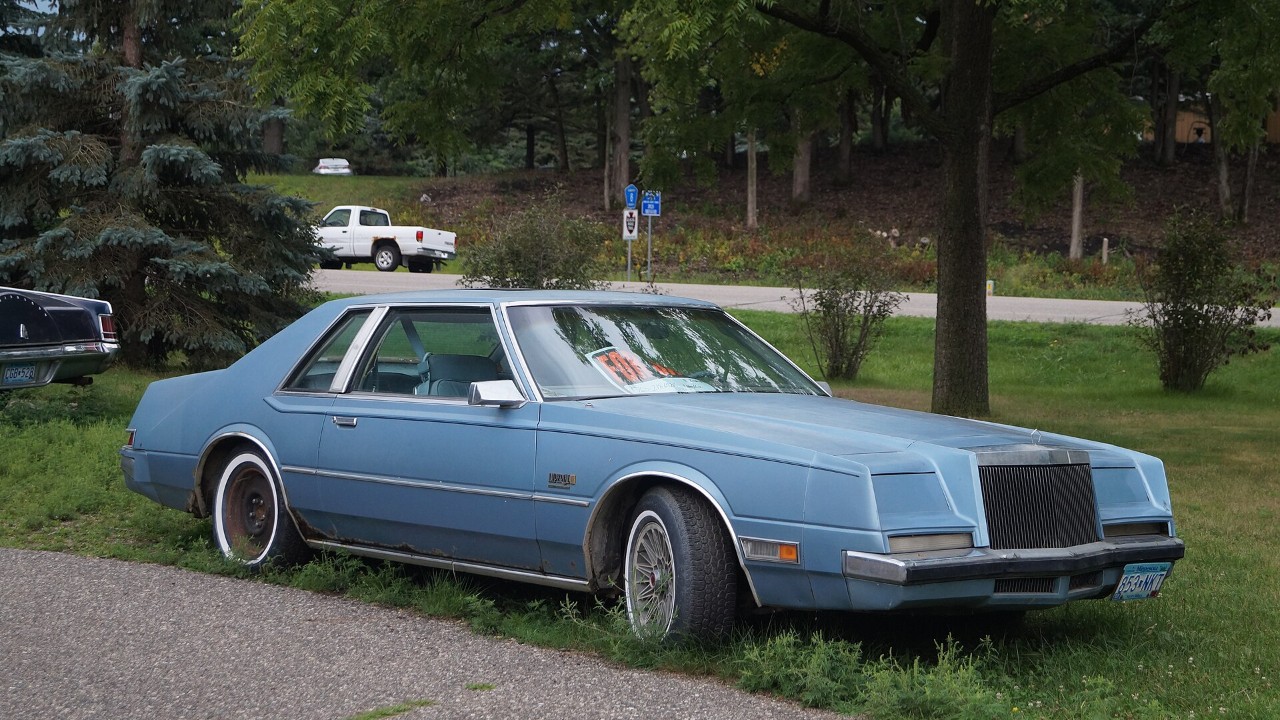
Chrysler boss Lee Iacocca gave Frank Sinatra the first 1981 Imperial off the Windsor line, and the Imperial Frank Sinatra Edition soon followed. The coupe came in a special blue paint, and its console held tapes of the singer’s favorite music. It was glamour on wheels, and that is exactly why luxury coupes are so tempting on the used market. They look rich, they sound rich, and many now sell for far less than they cost new.
However, a cheap luxury coupe is rarely a cheap car to own. Complex suspensions, early electronics and big, thirsty engines all age badly. As a result, a bargain price can become an expensive lesson within one summer.
These are our picks, five coupes we’d think twice about, and why. The “avoid at all costs” verdict is our opinion. Still, every fact behind it, from fuel injection woes to suspension repair bills, comes from a source we checked. Each entry also ends with a line of buyer advice, because a good one does exist for every car here.
1. 1981 Chrysler Imperial Frank Sinatra Edition
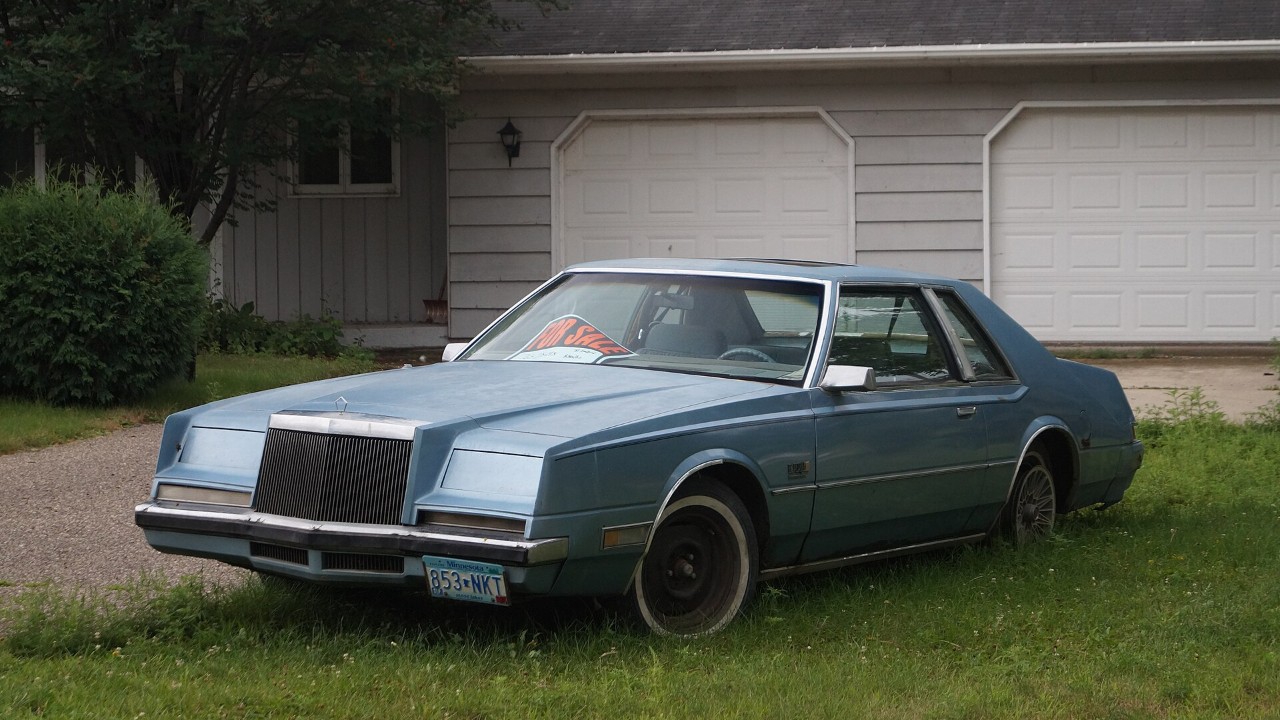
Chrysler revived the Imperial name for 1981 as a two-door coupe built in Windsor, Ontario. It rode on the same platform as the second-generation Cordoba and used a 318-cubic-inch V8. Fuel injection came standard, and the engine made 140 horsepower. According to Mac’s Motor City Garage, the coupe listed for $18,311, nearly $1,500 more than a Lincoln Continental Mark VI. The Sinatra car wore Glacier Blue Crystal paint, and its console held 16 cassettes of his favorite songs. Only 279 were built in 1981 and 1982, though some sources say 278.
The trouble sat under the hood. That electronic fuel injection proved unreliable and hard to repair, so dealers converted many cars to carburetors. Meanwhile, the Imperial also picked up a reputation for bugs in its electronic instrument panel. Sales never came close to Chrysler’s target of 25,000 a year.
In our view, this is a car to admire, not a car to rescue on a whim. We’ve covered the brand’s better years in our list of Imperials that changed the brand. Buyer advice: ask whether the original injection is still fitted, and find a specialist before you hand over cash.
2. Mercedes-Benz 600 SEC (C140)
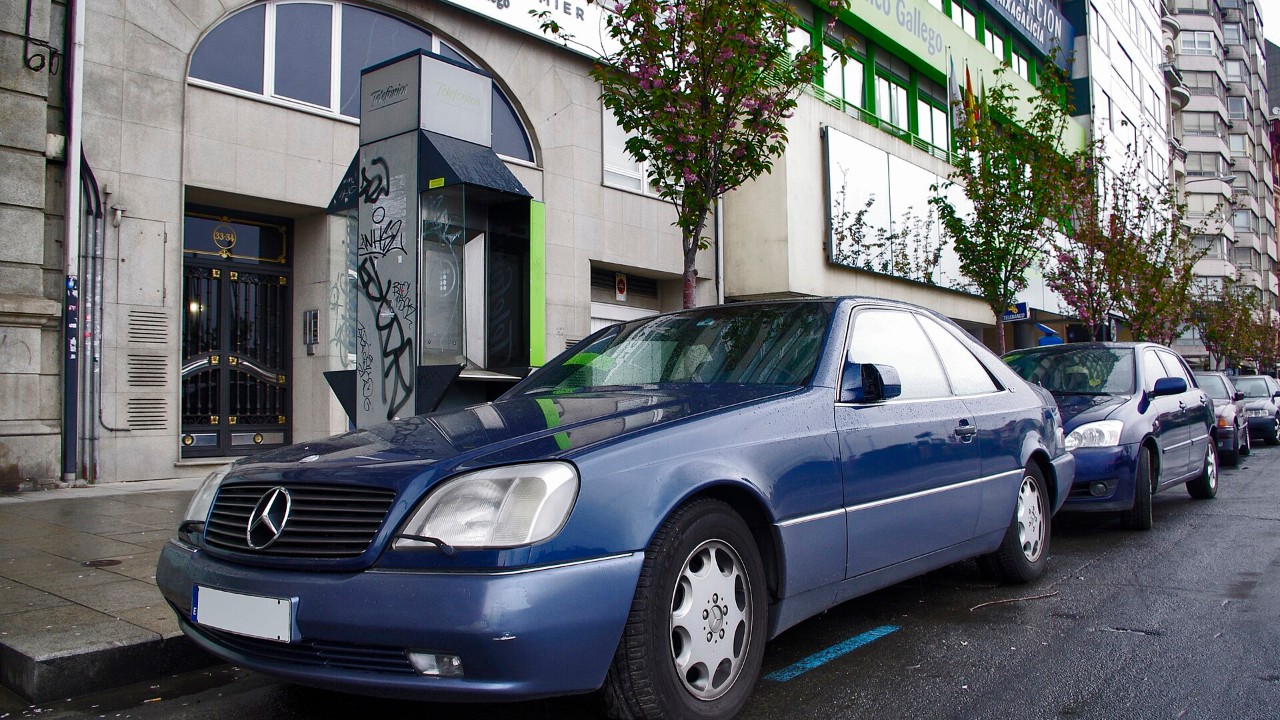
The 600 SEC was the first V12 coupe Mercedes-Benz ever offered. Its 6.0-liter M120 engine made close to 400 horsepower, and the car weighed well over two tons. Inside, it had double-paned glass to keep road noise out, plus doors and a trunk that pulled themselves shut. Mercedes reportedly spent more than a billion dollars on the W140 family, and every coupe shows it.
That ambition is now the owner’s problem. The Mercedes-Benz Club of America’s buyer’s guide warns that W140-family cars built from 1993 to 1995 used a biodegradable wiring harness. Replacing it is very expensive, and parts may no longer exist. On V12 cars, a single tandem pump runs both the power steering and the self-leveling suspension. The club also says V12 service costs run much higher than on six- and eight-cylinder models. Just 7,475 600 SEC coupes were built.
We’d pass unless the paperwork is perfect, because a tired 600 SEC can cost more to fix than to buy. Buyer advice: insist on proof that the wiring harness has been replaced, and check every electric feature before you buy.
3. 2002 Mercedes-Benz CL 500 (C215)
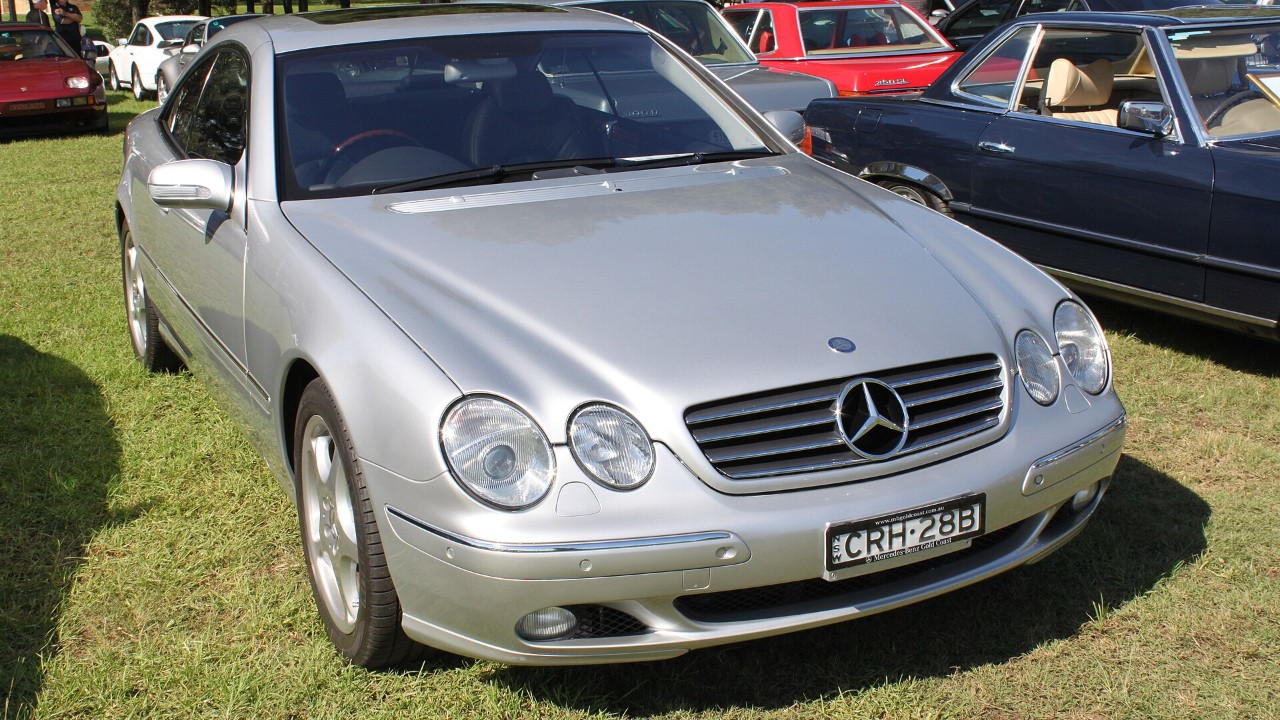
Mercedes replaced the C140 with a sleeker CL in March 1999. The CL 500 used a naturally aspirated 5.0-liter V8, and it debuted Active Body Control. That system replaced ordinary springs with four hydraulic rams fed by fluid at 2,960 psi. At its best, it kept this big coupe flat through corners without a harsh ride.
At its worst, it drains a bank account. In a buyer’s guide by Richard Dredge, specialists say the system has a reputation for failing very expensively. The pump that powers it rarely lasts beyond 60,000 miles. Furthermore, a failed bearing can send metal particles through the whole system. Refurbished front struts cost around £500 each, and one owner warns that suspension work can exceed the car’s value.
Our take: the CL 500 is one of the best-looking Mercedes coupes, but a neglected one is a trap. We’d rather overpay for a documented car than gamble on a cheap one. Buyer advice: see the car after it has sat for a while, check its ride height, and read the history file closely.
4. Jaguar XJ-S HE
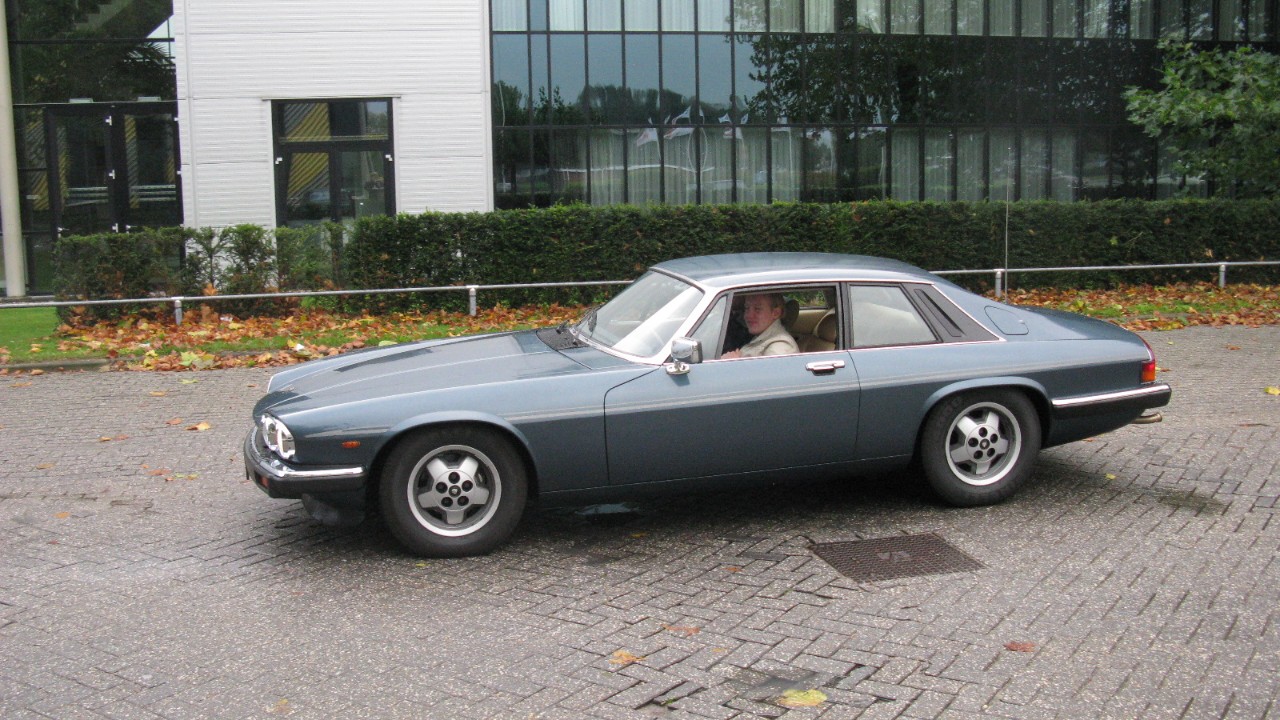
Jaguar launched the XJ-S on September 10, 1975, just after a fuel crisis, with a 5.3-liter V12. Then, from July 1981, it became the XJ-S HE. Swiss engineer Michael May designed its “Fire Ball” combustion chamber, which brought better economy and 295 horsepower. Jaguar went on to build 115,413 XJ-S cars over two decades, so plenty survive.
Survival isn’t the same as health, though. Dredge’s XJS buyer’s guide says the bottom three inches of the body rust readily, and sill repairs can top £2,500 a side. Poor maintenance leads to overheating, which can distort the block and heads. Even routine work adds up, since a plug change on the 5.3 can take three hours alone. On the bright side, a well-kept V12 can pass 250,000 miles.
We’d steer clear of a cheap HE because the purchase price is the smallest bill you’ll pay. Our list of Jaguars to avoid covers more of the brand’s pitfalls. Buyer advice: let the engine idle for several minutes, watch the temperature gauge, and inspect the sills from underneath.
5. Maserati Biturbo S
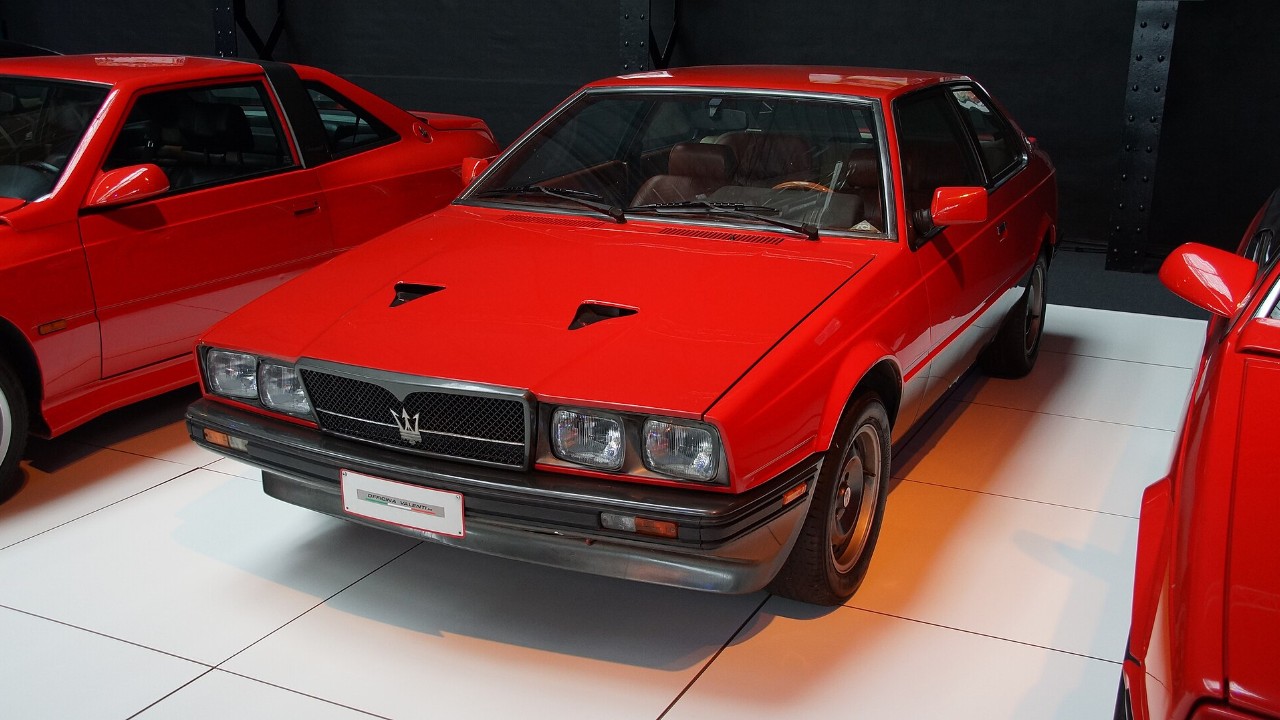
Maserati introduced the Biturbo in December 1981 as a compact 2+2 coupe. It used a two-liter V6 with two turbochargers, a bold idea for the time. Then, in July 1983, the sportier Biturbo S arrived for the Italian market only. Higher boost and twin intercoolers raised output to 205 PS, and lowered suspension sharpened the handling.
Early sales were strong. However, the Biturbo soon developed a reputation for poor quality and reliability, and sales fell. Hagerty calls the car’s bad reputation an understatement: “Really bad is more like it.” The writer notes that early cars used a finicky Weber carburetor and suffer badly when owners skip maintenance. Because it was the cheaper Maserati, many first owners couldn’t easily pay for big repairs, either.
In our opinion, the Biturbo S is a fascinating piece of 1980s ambition and a risky daily driver. Prices stay tempting, with Hagerty quoting about $12,000 for an exceptional standard Biturbo coupe in 2023. Buyer advice: buy only with a full maintenance history, and budget for an Italian-car specialist from day one.
More from Fast Lane Only