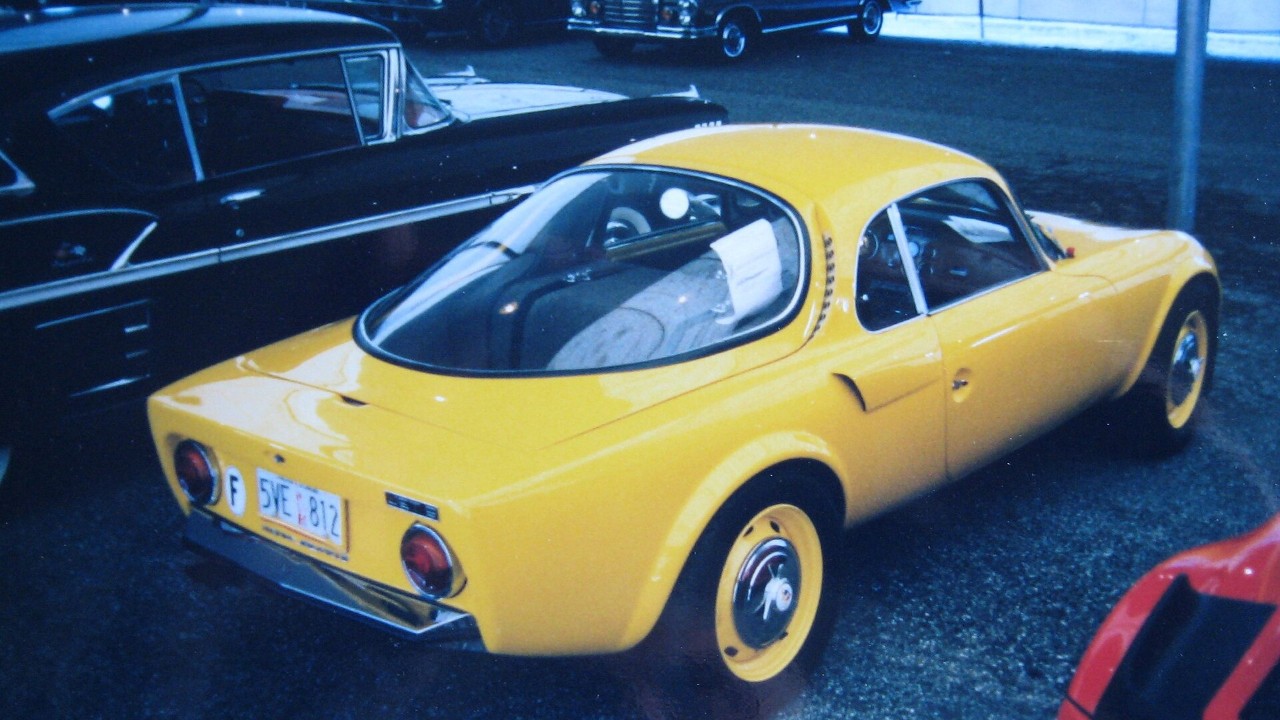
The Matra Djet put a small Renault-derived engine behind its two seats in 1962. Today, most fans know the Miura, the Countach and the Ferrari 308. However, far fewer could pick a Matra Djet out of a car-show lineup.
That is the strange thing about mid-engine cars. The layout gives great balance and sharp handling, so small builders loved it. Yet many of those builders were tiny firms, and their cars sold in dozens rather than thousands. Some vanished along with the companies that made them.
These are our picks for 12 mid-engine cars most enthusiasts have never seen in person. They come from France, Italy, Britain, Germany and the United States. The choices and verdicts are our opinion. The production figures, engines and dates come from maker histories, period tests and specialist research we checked.
1. Matra Djet
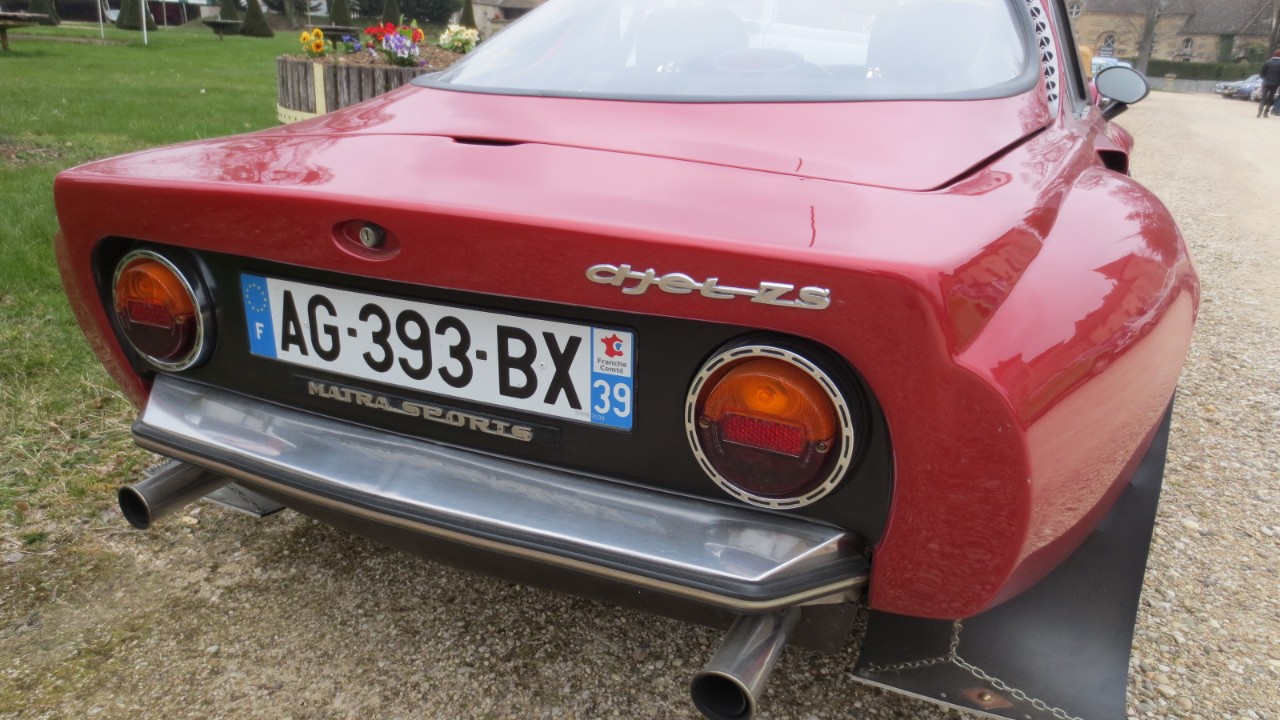
René Bonnet built the first Djets from 1962 to 1964. Then, in October 1964, Matra took over Bonnet’s company and its debts. Matra kept the car in production until 1967 and sold the last ones in 1968.
Early cars used a 1,108 cc engine derived from the Renault 8. Later, Gordini-tuned versions offered more power, including a 1,255 cc Jet 6. The fiberglass body was bonded to a steel chassis, which kept weight down and made repairs easier. In total, Bonnet built 198 Djets, and Matra added about 1,491 more under the Matra Djet and Jet names.
We think the Matra Djet deserves far more fame than it gets. It proved a mid-engine road car could be small and light. For a wider look at this period, see our list of mid-engine production cars on sale before 1975.
2. De Tomaso Vallelunga
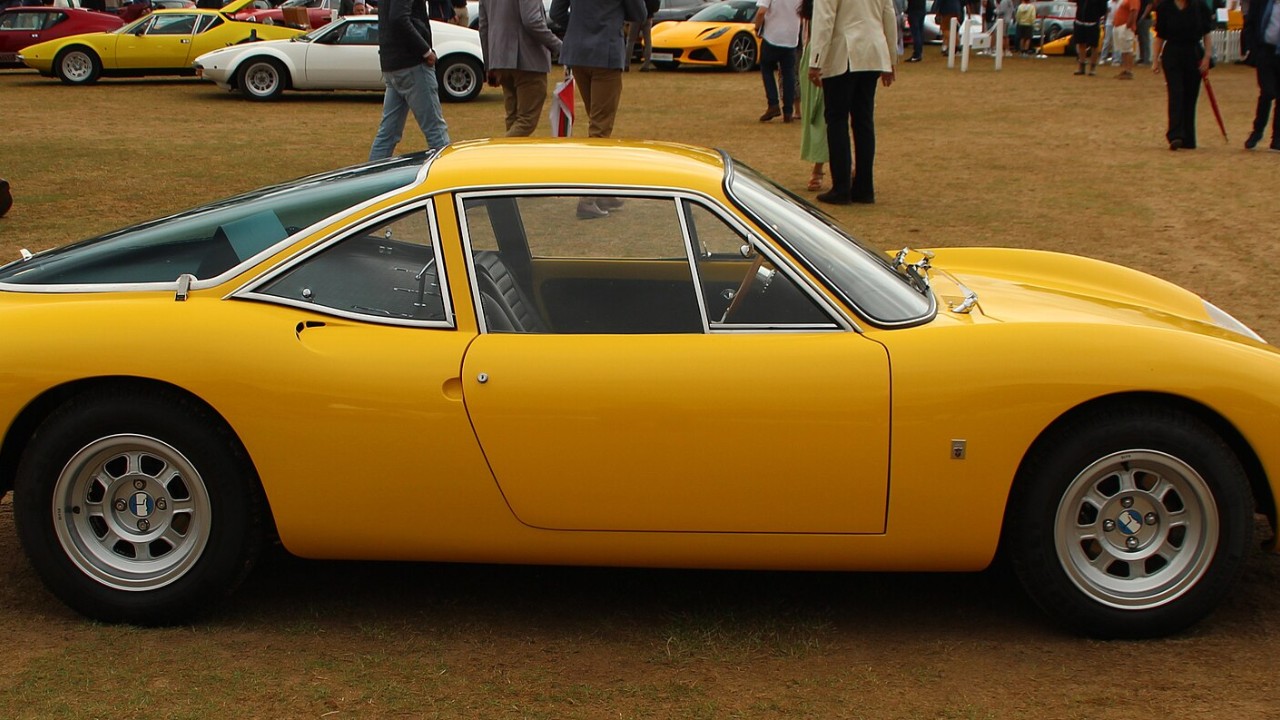
Before the Mangusta and the Pantera, Alejandro de Tomaso started with the Vallelunga. It was his company’s first road car, built from 1964 to 1967. He named it after the Vallelunga racing circuit.
For power, the car used a 1.5-liter Ford Kent four from the Cortina, tuned to 104 horsepower. More importantly, it rode on a backbone chassis with the engine as a stressed member. In other words, the engine carried part of the car’s structural load. Ghia assembled 50 cars with fiberglass bodies. Curb weight was just 726 kg, or about 1,600 pounds.
In our view, the Vallelunga is the clearest look at De Tomaso’s engineering mind. It is also far rarer than the Pantera, as our ranking of De Tomaso road cars by production shows. Sources disagree on the exact total, but the most-cited figure is 59 cars.
3. ATS 2500 GT

ATS came together in the early 1960s, largely from engineers who had left Ferrari. Carlo Chiti and Giotto Bizzarrini engineered its road car, the 2500 GT. It made its debut at the 1963 Paris Motor Show.
The engine was a 2.5-liter V8 rated at 220 CV, mounted behind the driver. Franco Scaglione designed the low body, and Carrozzeria Allemano built it. In our view, that made it one of the boldest GT layouts of its day.
Sadly, ATS never had the money to match its talent. As a result, production records list only about 12 cars. We think the 2500 GT is a fascinating “what if,” because it shows where the Ferrari rebels were heading. With so few made, most enthusiasts will only ever see one in photos.
4. Bizzarrini P538
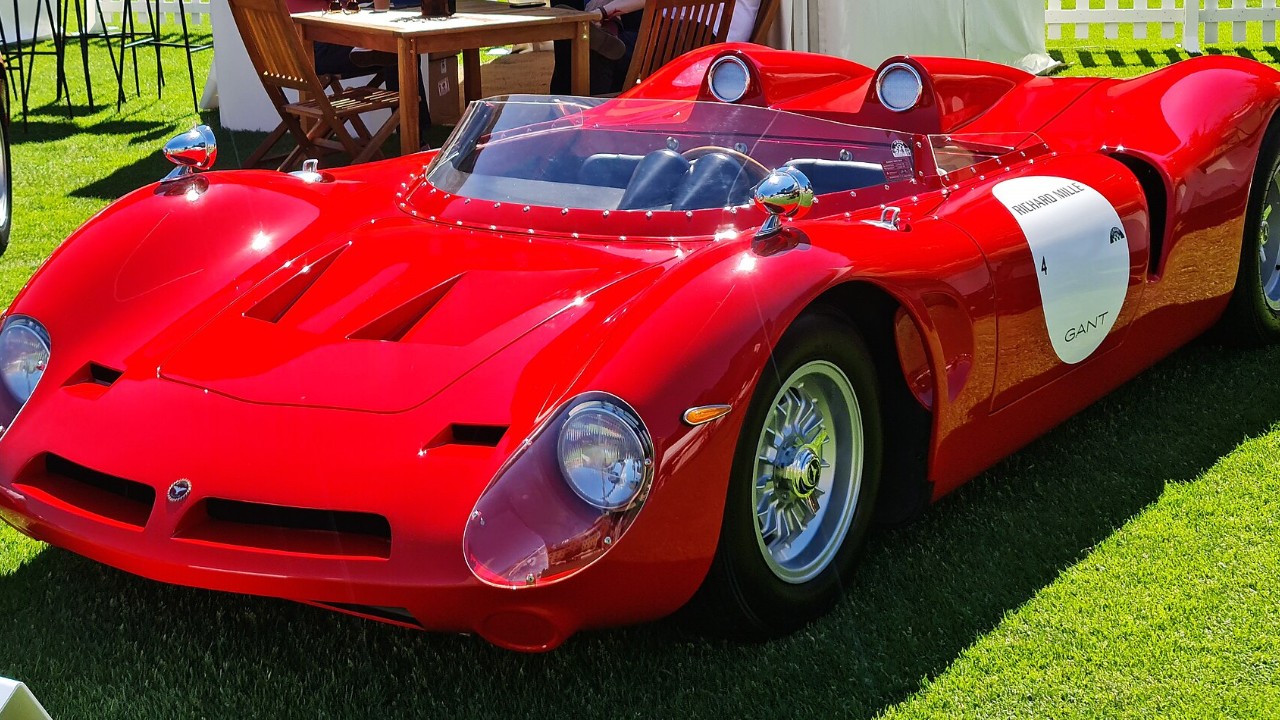
Giotto Bizzarrini built the P538 as a low, mid-engine sports racer, launched in late 1965 or early 1966. His first car, chassis 001, used a Lamborghini V12. Then chassis 003 got a 5.4-liter Chevrolet small-block V8.
Car 003 raced at Le Mans in 1966, wearing number 10. Unfortunately, it retired with a broken steering arm and a split oil pipe. In the end, Bizzarrini produced only three P538 spiders. However, the story did not end there. From the mid-1970s, Salvatore Diomante and others built continuation cars, and at least 25 are known today.
That matters if you spot one. The car pictured here may well be a continuation car. The originals used round tubing, while most later cars use square tubing, so experts can tell them apart. We love the P538 because it shows Bizzarrini’s racing ambition in its purest form. Either way, this is a very rare shape to see outside a museum or a concours lawn.
5. 1966 Unipower GT
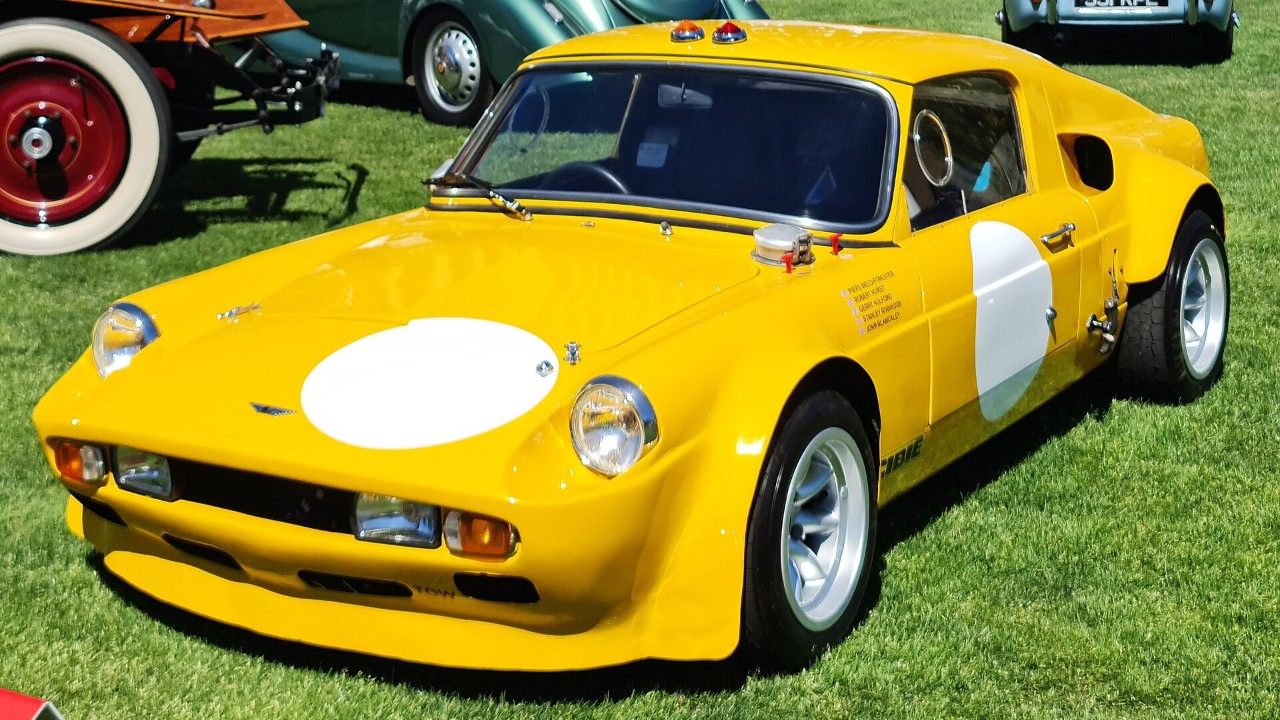
The Unipower GT made its debut at the London Racing Car Show in January 1966, according to Zwischengas’s history of the Unipower. It took the engine and gearbox from the Mini and moved them behind the seats. Engines ran up to the 1,275 cc Mini Cooper S unit.
The result was tiny, even next to a Matra Djet. The car stood just 40.5 inches tall and weighed about 1,120 pounds. A fiberglass body sat bonded to a steel spaceframe. Top speed reached about 113 mph with the 1,275 cc engine.
Counts vary, but Zwischengas puts production at 66 cars between 1966 and 1970. In our view, the Unipower is one of the most charming small sports cars of the 1960s. It is basically a Mini-powered junior supercar. Because so few exist, most British car fans have never seen one up close.
6. Ginetta G32
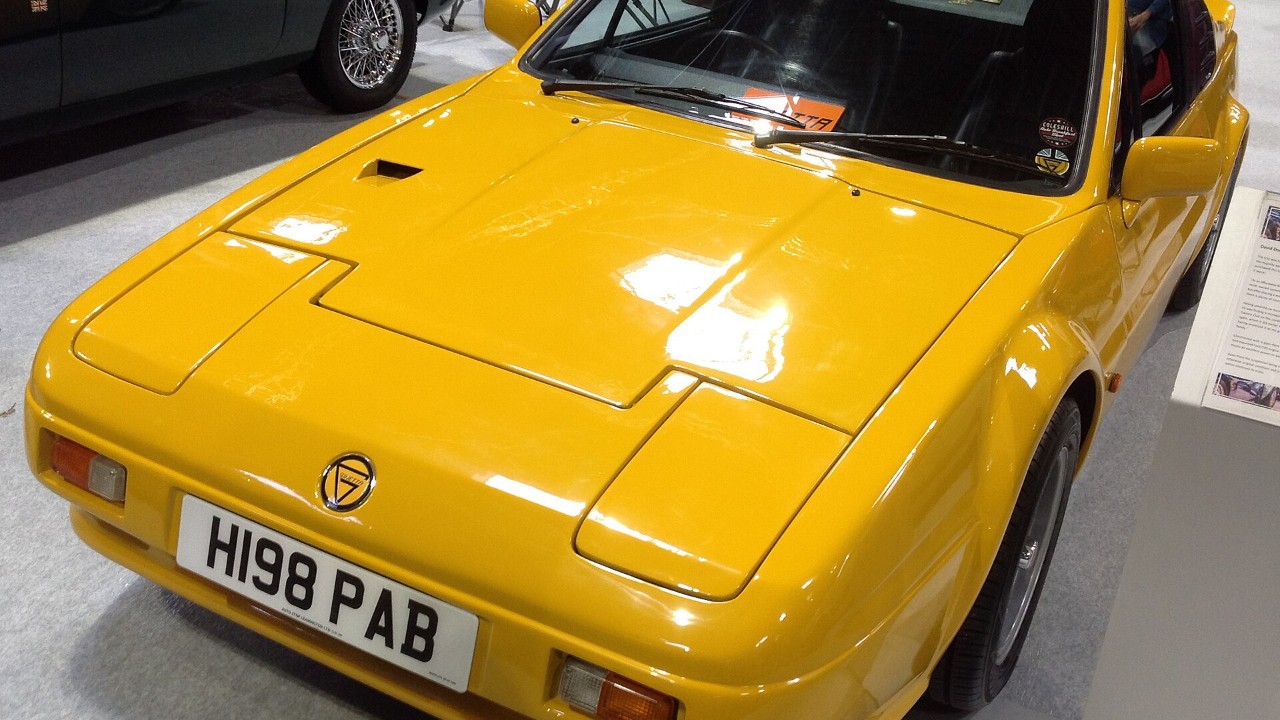
Ginetta built the G32 from 1989 to 1992 as an affordable British mid-engine sports car. It used Ford’s 1.6-liter CVH four-cylinder, mounted behind the cabin, and a 1.9-liter Ford four appeared too. Buyers could choose a coupe or a convertible.
Ginetta also borrowed where it could. For example, the G32 used interior and door parts from the Ford Fiesta. In the end, the firm built just 115 G32s in total.
We think the G32 is a lovely underdog. It offered the same basic recipe as the Toyota MR2, with a compact body and a mid-mounted engine, in a far rarer package. If you want one, the convertible is the version we would hunt for first.
7. Panther Solo
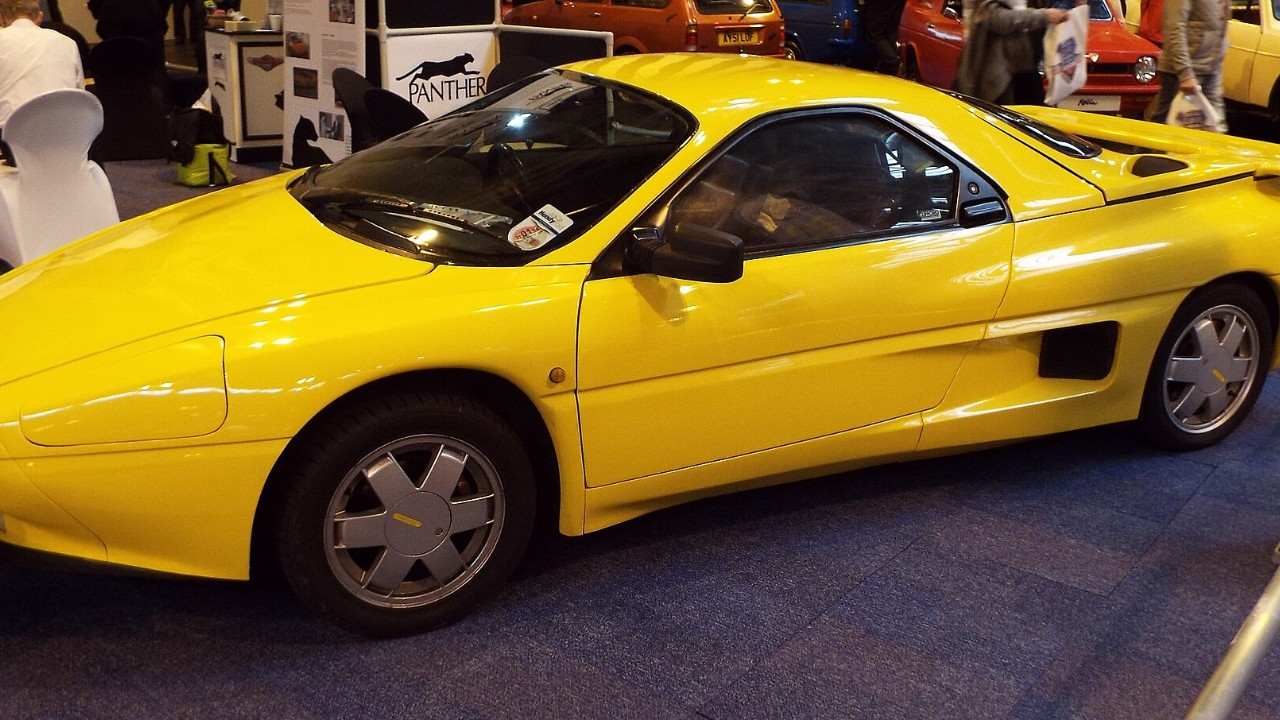
Panther’s first Solo had a hard start. When Toyota launched its second-generation MR2, Panther halted that car and redesigned it. The result was the Solo 2, a far more ambitious machine built in 1989 and 1990.
Under the skin, it used the 1,993 cc turbocharged engine from the Ford Sierra RS Cosworth, rated at 204 horsepower. Better yet, it drove all four wheels through a Ferguson-based system. Ken Greenley designed the body, which used aluminum honeycomb sandwiched in fiberglass over a steel space frame.
That technology came at a cost, and sales collapsed. Only 12 Solos reached customers, by most reports. In our view, the Solo was a brilliant idea launched at the wrong moment. It was a four-wheel-drive, mid-engine British coupe before the idea was common. With so few sold, it is one of the hardest cars on this list to find.
8. 1994 Venturi 400 GT
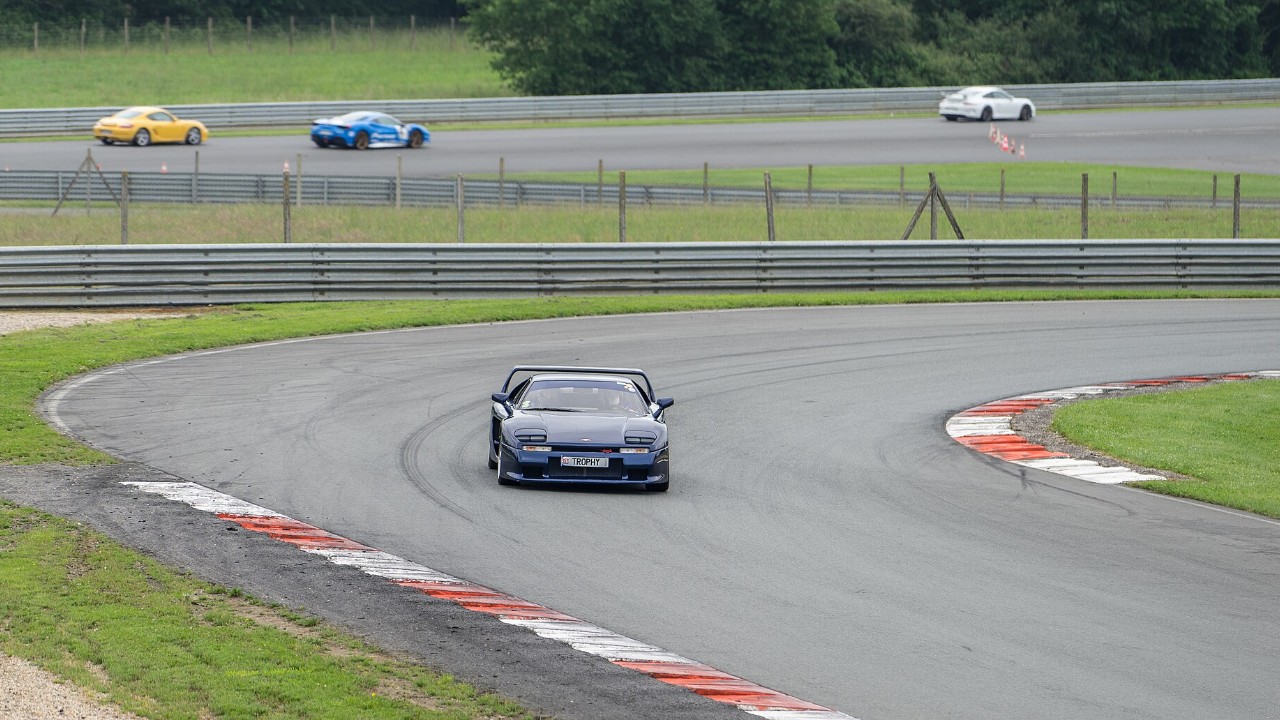
Venturi’s owner, Hubert O’Neill, presented the 400 GT in 1994. According to PistonHeads’ history of Venturi, it was basically a converted Trophy race car. Its twin-turbo V6 made 407 bhp, and it had a full roll cage.
It also made history in one important way. PistonHeads says it was the first production car fitted with carbon brake discs. The 400 GT could reach 60 mph in 4.6 seconds. At launch, it cost £90,000.
Venturi built the coupe from 1994 to 1997, and only about 15 street versions left the factory. Most other 400s went racing instead. We think the 400 GT is France’s most overlooked supercar. It offered race-car technology with a leather cabin, yet almost nobody outside France remembers it.
9. 1990 Vector W8 Twin Turbo
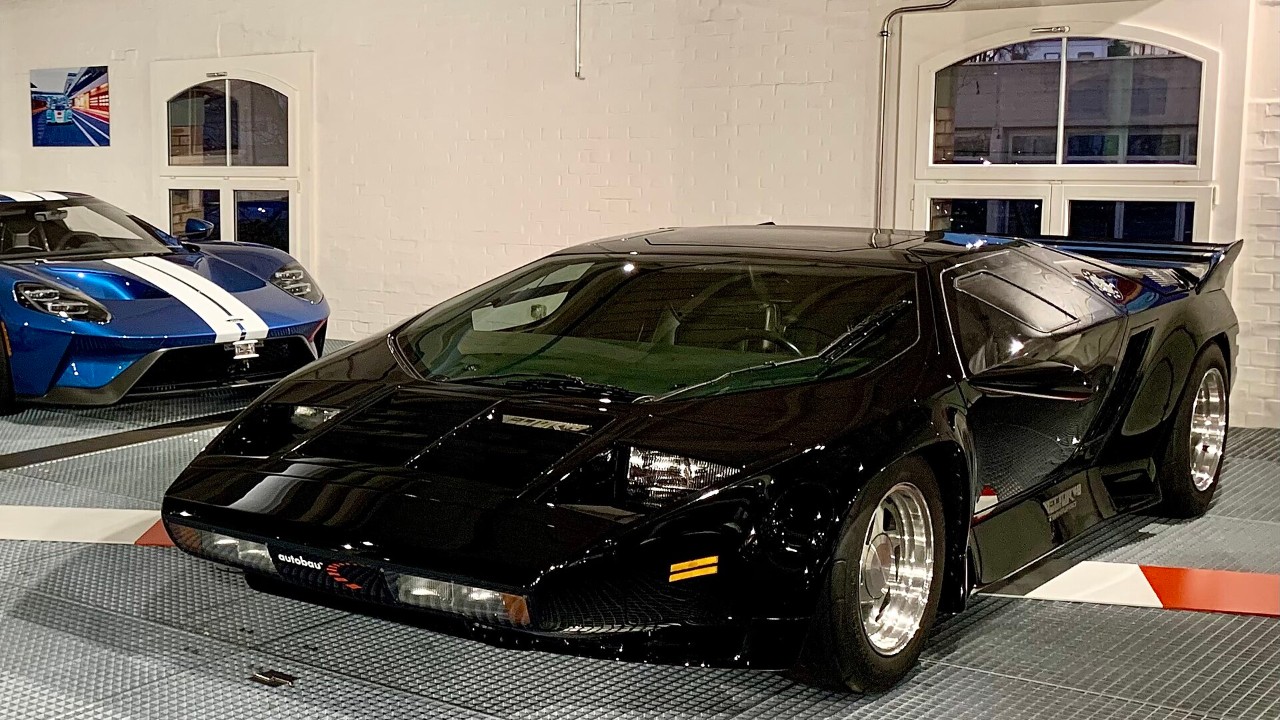
Jerry Wiegert sketched his first Vector designs in 1971, long before any car existed. His company became Vector Aeromotive in 1989. The first production W8 was ready at the end of 1990, according to Hagerty’s look back at the Vector W8.
Meanwhile, behind the cabin sat a twin-turbo, all-alloy 6.0-liter V8 rated at 625 horsepower. Car and Driver measured 0 to 60 mph in 3.8 seconds and a quarter-mile in 12 seconds at 118 mph. By contrast, Vector claimed a top speed of 242 mph, though nobody verified it. The first example cost its owner $450,000.
Build quality did not match the ambition. Tennis star Andre Agassi sued Vector over his car, and the company went bust in 1993. Hagerty counts just 17 W8s made. We think the W8 remains the boldest American supercar attempt of its time, flaws and all.
10. Mosler MT900
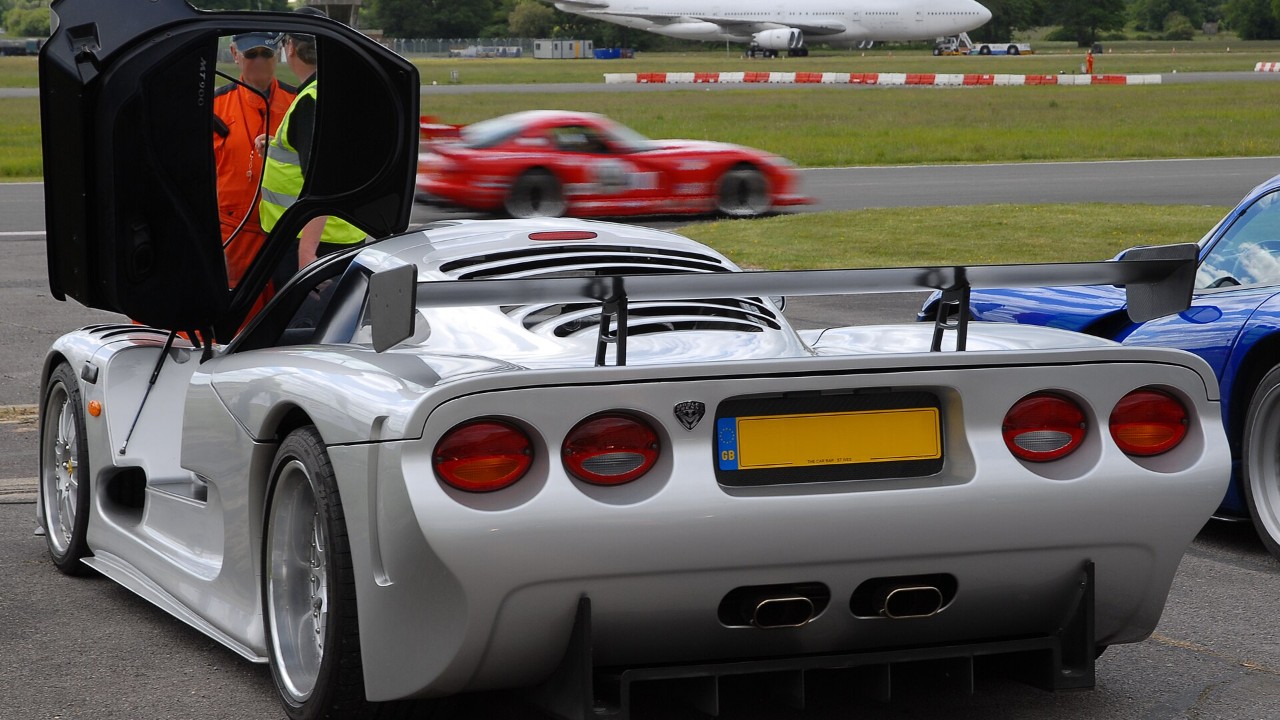
The Mosler MT900 was an American mid-engine car with race-car bones. Rod Trenne, who had worked on the C5 Corvette, designed it. It used a carbon-fiber chassis with a mid-mounted V8 driving the rear wheels.
At first, the car used a 350-horsepower LS6 V8. Later, the MT900S version made 435 horsepower from a Z06-derived LS6 and weighed 998 kg without fuel. The racing MT900R debuted at the 2001 24 Hours of Daytona. Then, in 2003, Perspective Racing took a class win at Daytona.
Production ran from 2001 to 2011, and about 35 road cars were completed. In our view, the MT900 was a homegrown answer to European exotics, built with Corvette parts. It deserved a far bigger audience.
11. Isdera Imperator 108i
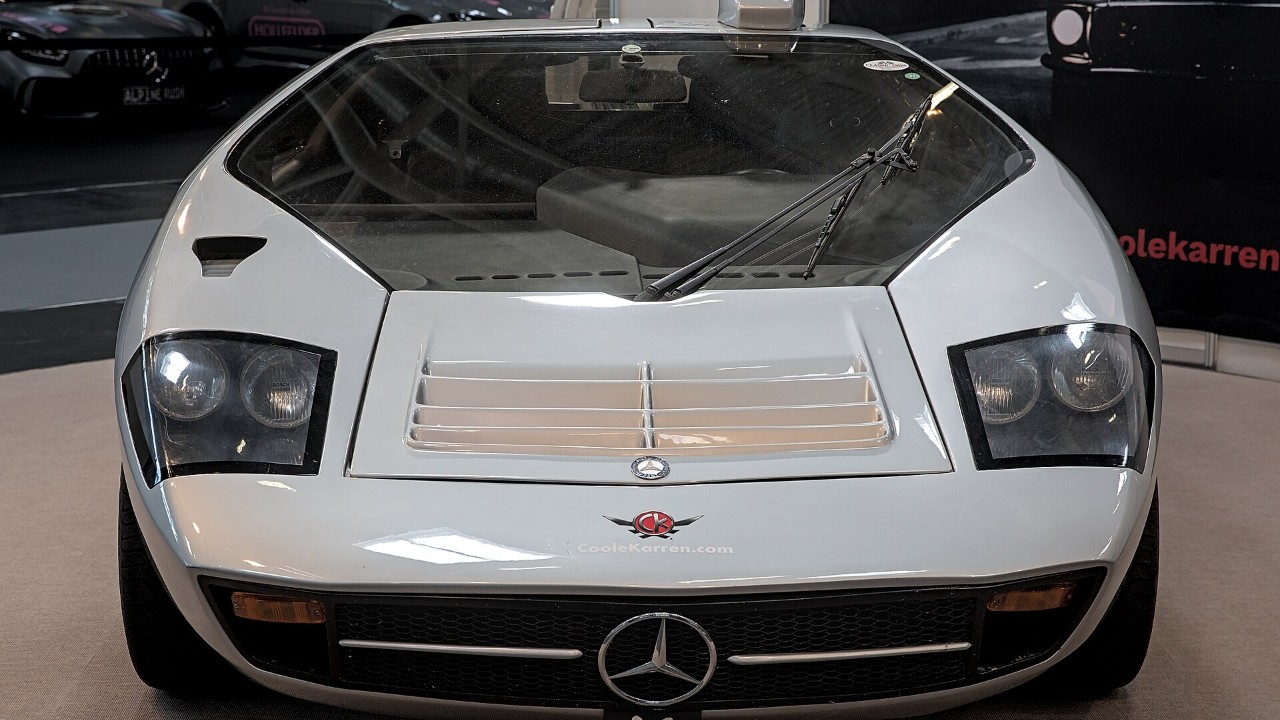
Eberhard Schulz designed the Imperator in his free time while working as a design engineer for Porsche. It grew out of his CW311 concept of 1978. Isdera then built the car in Leonberg, Germany, from 1984 to 1993.
Power came from Mercedes-Benz. At first, the Imperator used a 5.0-liter M117 V8, and a 5.6-liter version came later. It also had gullwing doors. Most unusual of all, it used a roof periscope instead of normal rear-view mirrors.
We think the Imperator is one of the most charming oddballs of the 1980s supercar boom. It mixed Mercedes engineering with very personal design choices. In the end, Isdera built just 30 Imperators, 24 of them before the facelift.
12. 1970 AMC AMX/3
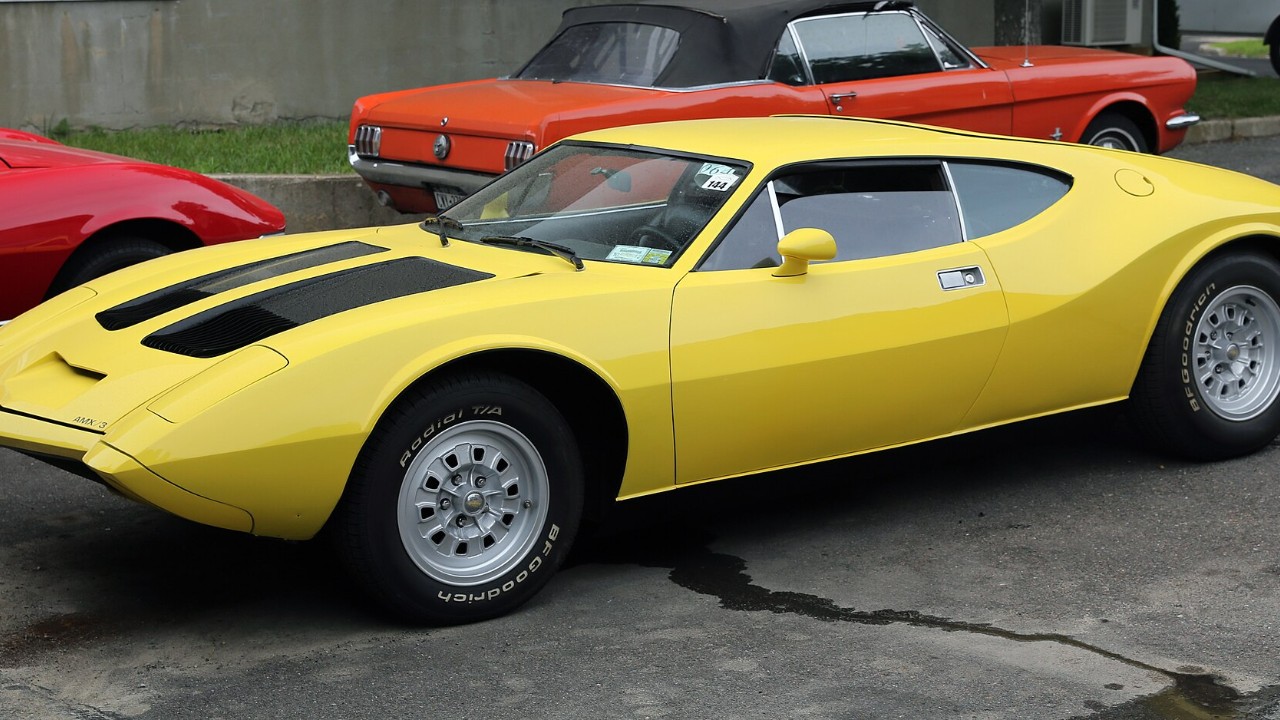
AMC presented the AMX/3 to the Italian press in Rome on March 23, 1970. In April, it went on display at the New York Auto Show. It was a true mid-engine sports car, with a 390-cubic-inch V8 mounted between the seats and the rear axle.
That V8 made 340 horsepower on the SAE scale. Before the launch, BMW had begun testing the first prototype in June 1969. Giotto Bizzarrini helped as a freelance engineer and even drove demonstration laps at Michigan Speedway. Dick Teague’s AMC studio, not an Italian design house, styled the body.
Then the project stopped, and AMC never explained why. In our view, the AMX/3 is the best American supercar that never reached showrooms. For another Detroit mid-engine experiment, see our story on Ford’s Mustang I concept. Most sources count about six original AMX/3s.
More from Fast Lane Only