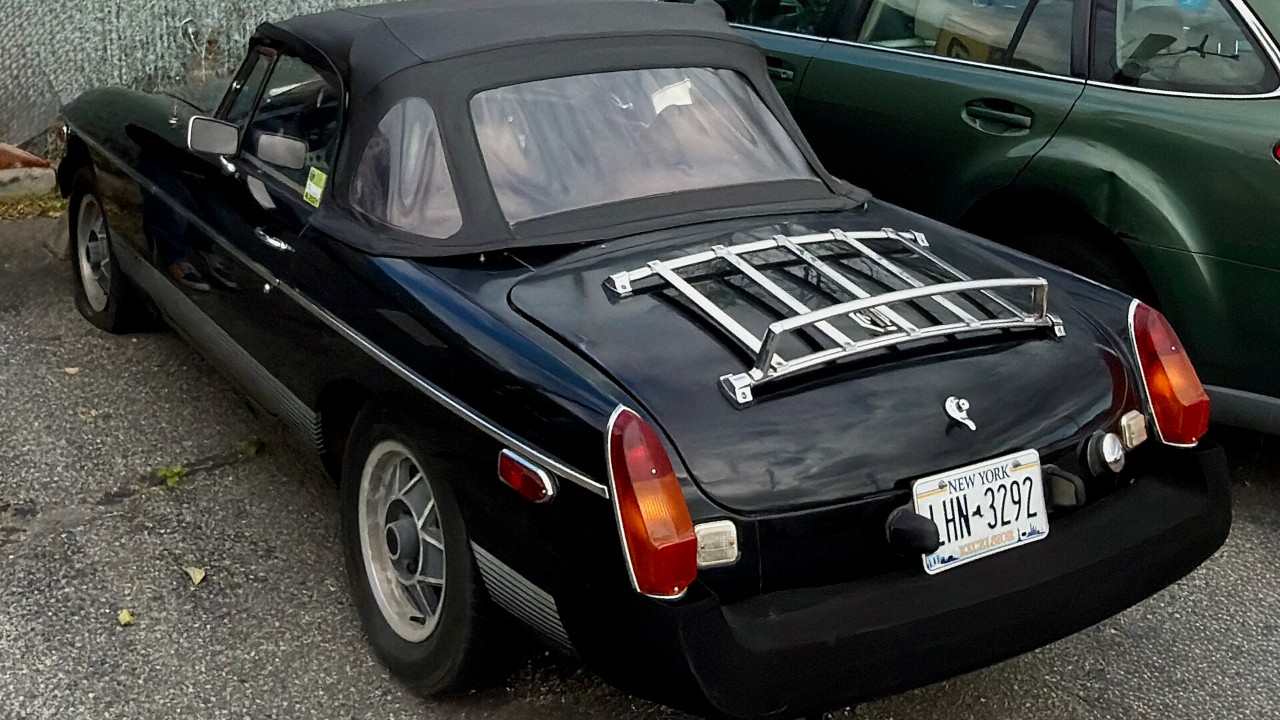
MG planned to build 500 black MGB Limited Edition roadsters for America, and it ended up building 6,682. That sounds like plenty. Yet those cars came from a sports car family that ran for nearly two decades, and the special ones are easy to overlook in a sea of ordinary MGBs.
The same thing happens with a lot of two-seaters. A car sits in a garage for years, its owner thinks of it as an old toy, and nobody checks what makes that version different. Sometimes it’s a rare trim, a special engine or a short production run.
These are our picks for the two-seaters we think are worth more than their owners realize. That verdict is our opinion, and we’re talking about desirability, not a price quote. Every fact behind each pick comes from the production record.
1. 1980 MG MGB Limited Edition Roadster
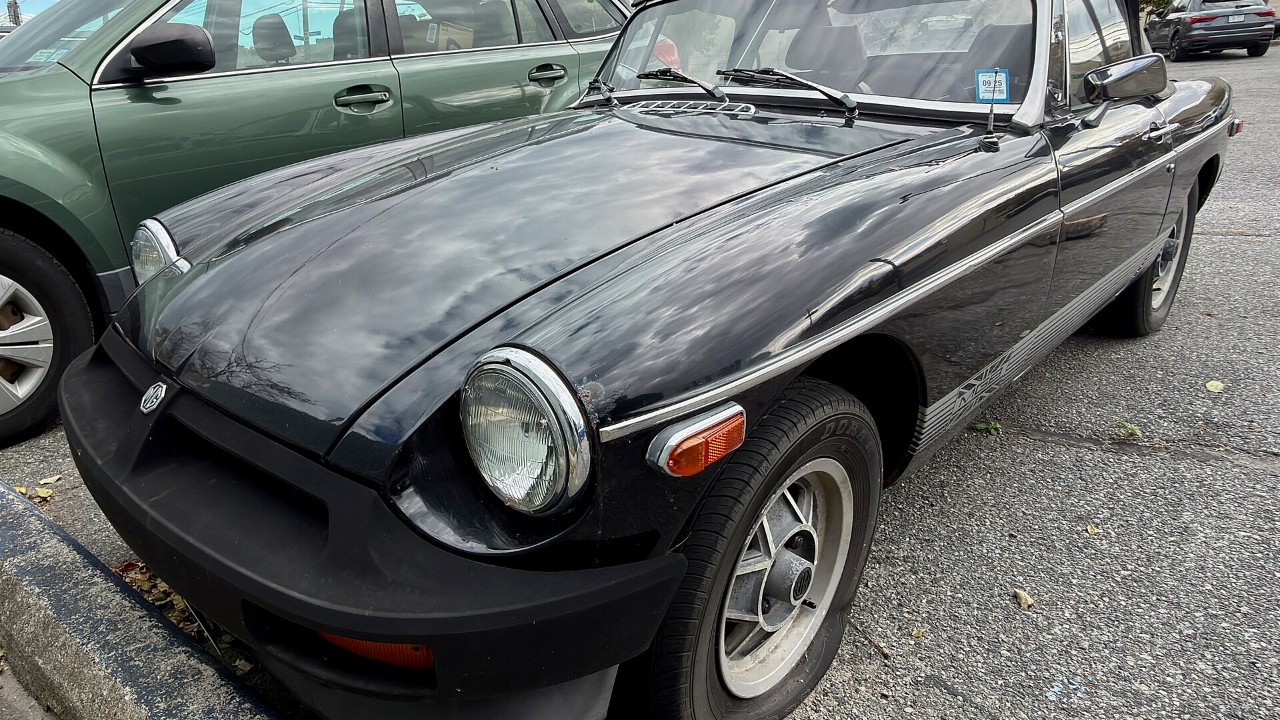
The MGB ran from 1962 to 1980, and the Abingdon factory that built it closed in late 1980. Combined sales of the MGB, MGC and MGB GT V8 reached 523,836 cars. Near the end of that run, MG created the black-painted MGB Limited Edition roadster for American buyers.
According to RM Sotheby’s lot description, the package included unique five-spoke alloy wheels, silver lower body stripes and a luggage rack. It also added a leather-covered steering wheel and a limited edition plaque on the glovebox door. MG meant to build 500, but production ended with 6,682 examples.
Our take: an MGB Limited Edition is still an MGB, with the same simple parts and easy maintenance. But it is also one of the last roadsters from Abingdon, with its own trim and paperwork. If you own one, keep that dash plaque and the original wheels. Those details separate it from the hundreds of thousands of regular cars. Also, MG built the black package for American buyers, so its special trim parts can take patience to find.
2. Nissan 300ZX Convertible
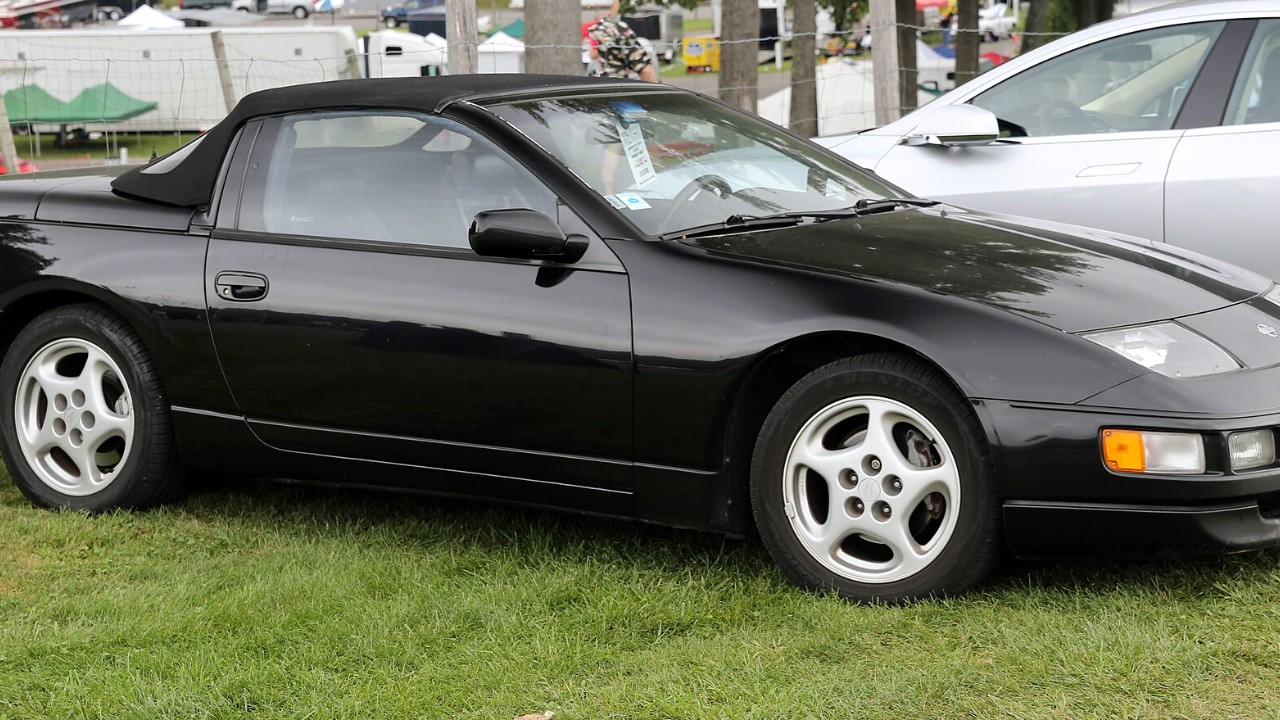
The Z32 generation of the 300ZX was designed with help from a Cray-2 supercomputer and CAD software. Its designers, Isao Sono and Toshio Yamashita, gave it a wider, rounder body than the old Z31. Car and Driver put the Z32 on its Ten Best list for seven straight years.
In 1992, Nissan added a factory two-seat convertible. The coachbuilder ASC built it, partly in response to aftermarket conversions. Meanwhile, Nissan rated the naturally aspirated Z32 V6 at 222 bhp, so even the base engine had real muscle.
We think the convertible is the forgotten member of the Z32 family. The twin-turbo coupes get most of the attention, so the drop-top is easy to ignore. Yet it offers the same striking shape with real wind in your hair. Owners who keep theirs original and well documented may find that buyers value them more than they expect. After all, it is a factory-backed convertible from a car Car and Driver praised for seven years running.
3. 1969 Alfa Romeo Spider Duetto 1750
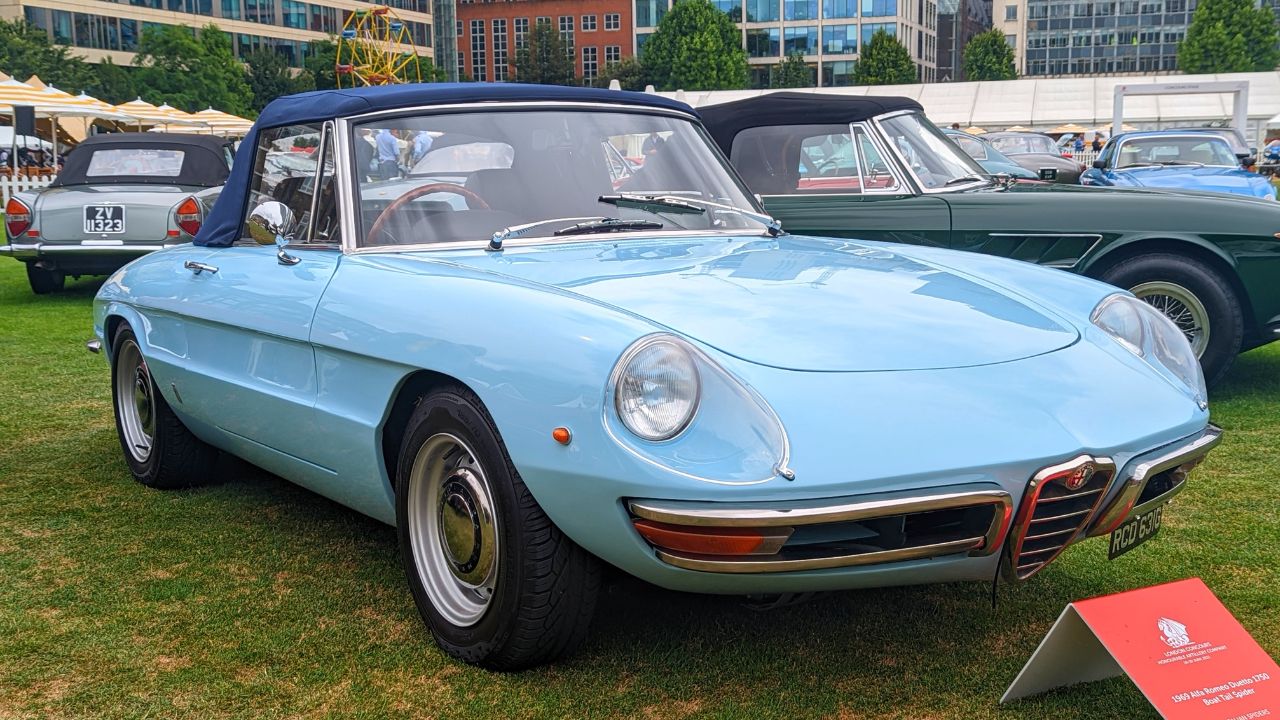
Alfa Romeo launched its Pininfarina-designed Spider at the Geneva Motor Show in March 1966. A public contest drew more than 100,000 name ideas, and Guidobaldo Trionfi of Brescia suggested “Duetto.” However, a candy company already owned that trademark, so Alfa officially called the car the Spider 1600.
Then, in January 1968, the 1750 Spider Veloce replaced the 1600. Its 1,779 cc twin-cam four made 118 PS, and Alfa built 2,000 of the US-market version for 1968 and 1969. Fans call these first cars “boat tails” because of their long, rounded rear. In Italy, the nickname is “osso di seppia,” or cuttlebone.
Our take: the boat-tail Spider is the shape everyone pictures, thanks partly to the 1966 Spider 1600 that starred in the 1967 film The Graduate. Alfa made just 13,678 Series 1 cars. Many owners of later Spiders don’t realize how different the early car is. If yours has the round tail, you have the version enthusiasts want. Meanwhile, the US-market 1750 Spider Veloce numbered only 2,000 cars, so an American boat tail is a special find.
4. 1970 Triumph Spitfire Mk3
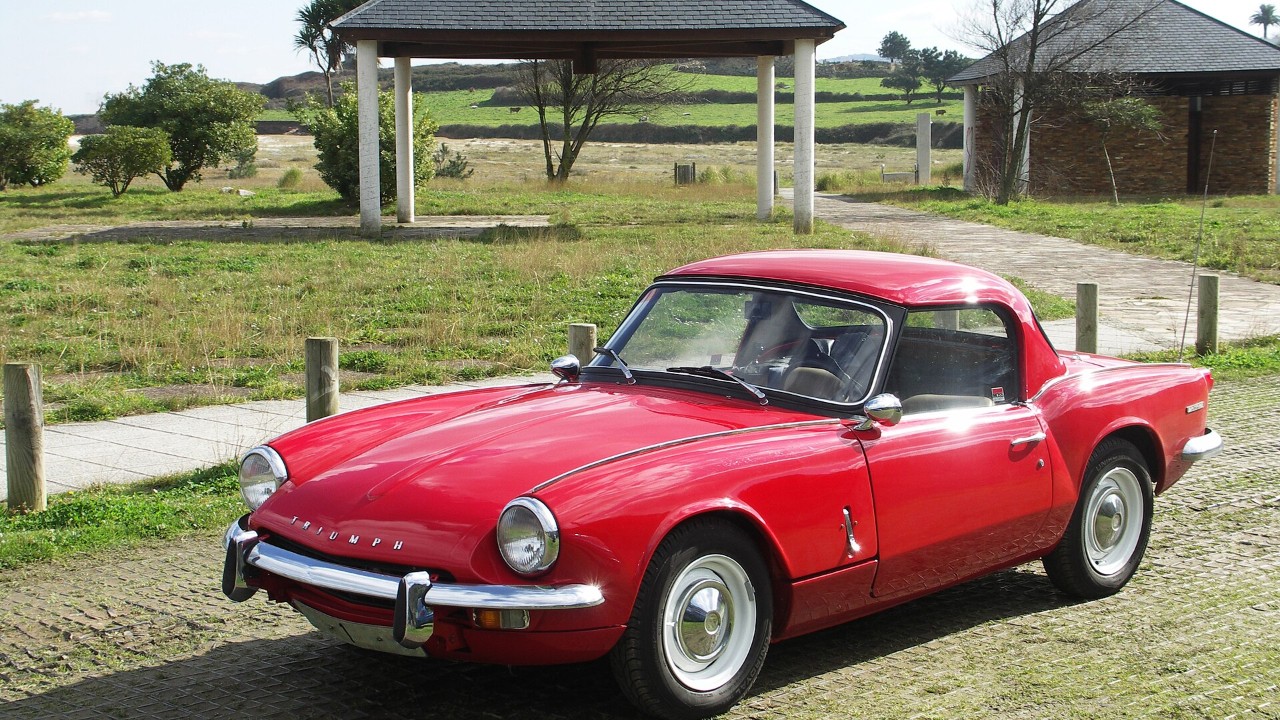
Giovanni Michelotti styled the original Spitfire, and Triumph built roughly 315,000 of them over 18 years. The Mk3 arrived in March 1967. It swapped the 1,147 cc engine for a 1,296 cc unit with a claimed 75 bhp. At the same time, Triumph raised the front bumper to meet new crash regulations.
Triumph made 65,320 of the Mk3 cars. A period road test recorded 0 to 60 mph in 13.4 seconds and a top speed of 95 mph. From 1969, though, US-specification cars carried a lower 68 bhp rating. That’s why a well-kept car with the full 75 bhp rating can be the more appealing version.
We think the Mk3 is the sweet spot of the Spitfire line. It keeps the pretty early body with the bigger engine. Many owners lump all Spitfires together, yet the Mk3 combines the cleanest look with useful extra power. That alone makes it worth more to the right buyer than a generic Spitfire. Also, a solid, rust-free Mk3 deserves real respect after five decades, because a car that has dodged rust for that long is worth protecting.
5. 1967 Lotus Elan S3
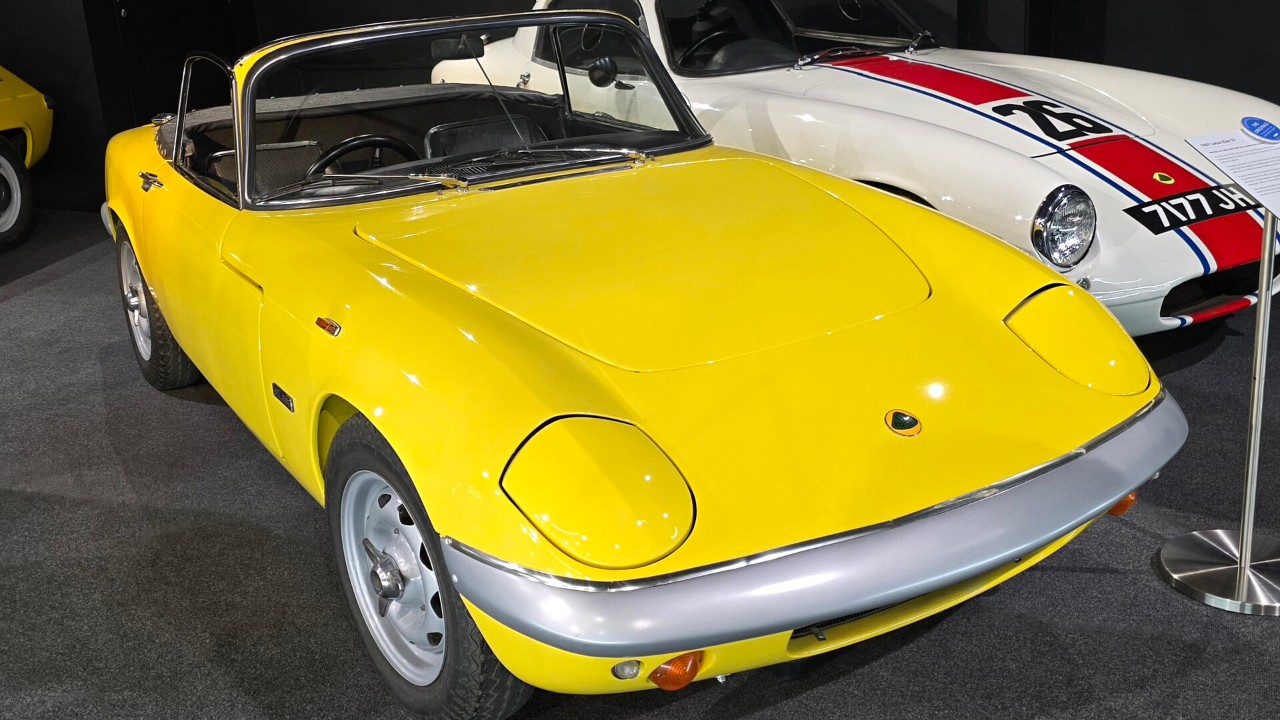
Colin Chapman built the Elan around his minimum-weight philosophy. It used a steel backbone chassis with a fiberglass body bolted on at 16 points. Power came from a 1,558 cc twin-cam four based on Ford’s Kent engine, later known as the Lotus-Ford Twin Cam.
The Series 3 arrived in 1965 and added electric windows with chrome-framed glass. In 1966, the Type 45 drophead replaced the earlier Type 26 roadster. Lotus built the two-seat Elan until 1973. Later, the original Elan was widely credited as the inspiration for the 1989 Mazda MX-5.
Our take: any Elan is special, but owners sometimes treat theirs as fragile toys rather than important cars. The S3 drophead mixes 1960s Lotus purity with more civilized features. In our view, the influence it had on the Miata alone gives it a place in history. Also, the S3’s electric windows show how Lotus was making the Elan easier to live with. For more cars built on that formula, read our list of 12 two-seaters that were pure driving machines.
6. BMW Z3 M Roadster
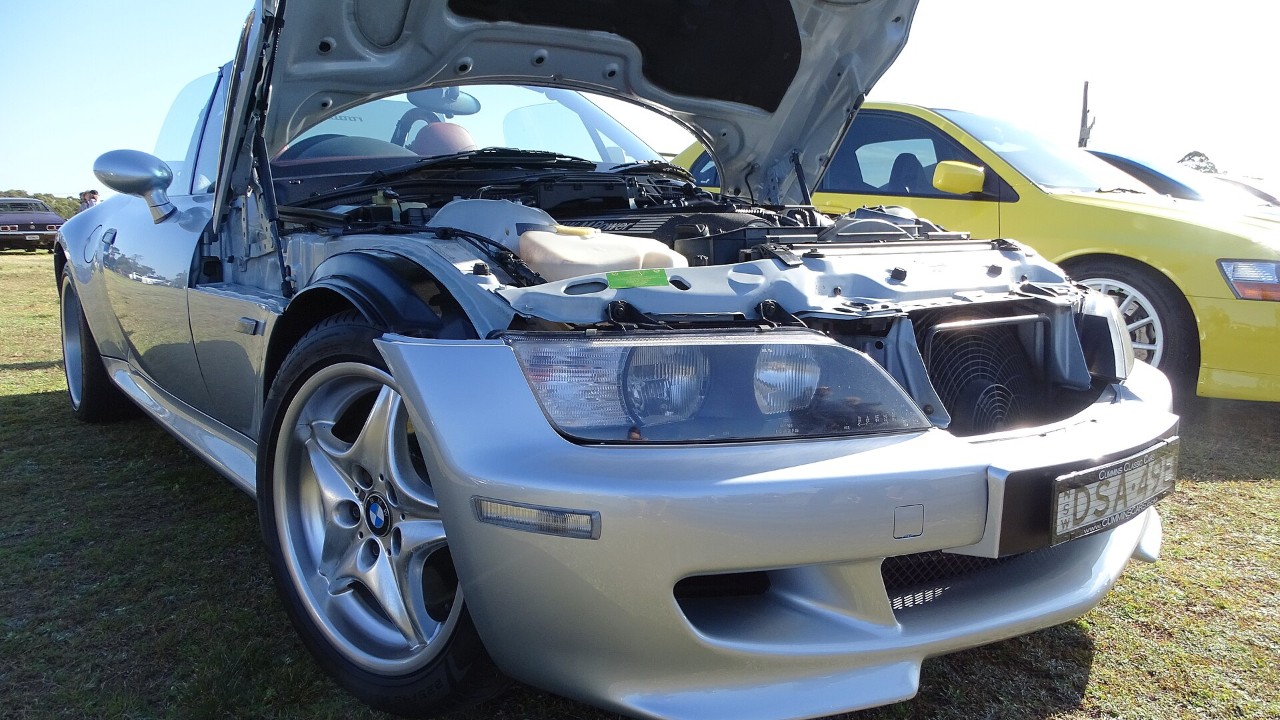
BMW built the Z3 at its plant in Greer, South Carolina, from 1995. In 1997, the M division added the M Roadster. American cars used the 3.2-liter S52 inline-six with 240 horsepower and 236 lb-ft, while European cars got the stronger S50 with 321 PS. The final two years switched to the S54 engine.
The M Roadster also wore four exhaust tips. Hagerty put it on its 2020 Bull Market list. Its reason was simple: the car “was overlooked for a long time because it looks so much like a regular Z3.”
That point is the whole story, in our view. Plenty of people see a Z3 and assume it’s the four-cylinder base model. The M Roadster has the wider stance, quad pipes and a much bigger engine. If you own one, document its history and keep it stock. Hagerty also warns that S54 maintenance can be expensive, so service records matter on later cars. Finally, keep the original wheels and interior, because originality is what separates an M Roadster from an ordinary Z3 at a glance.
7. 1989 Toyota MR2 Supercharged
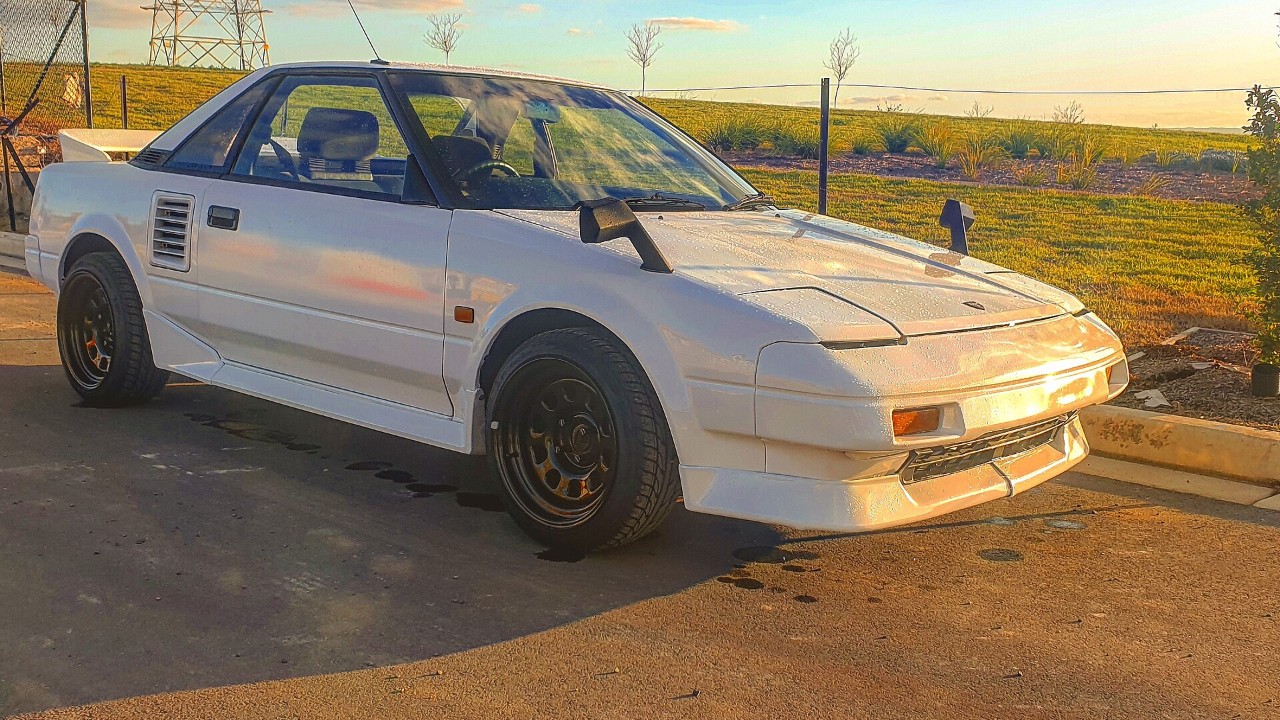
Toyota’s first MR2 ran from 1984 to 1989, and Car and Driver named it to its Ten Best list for 1986 and 1987. Then Toyota added a supercharged engine in 1986 for Japan, and in 1988 for the United States.
The 4A-GZE kept the block and head of the 4A-GE. However, it added a small Roots-type supercharger and a Denso intercooler, and it dropped compression to 8:1. The result was 145 horsepower at 6,400 rpm and 137 lb-ft of torque. Toyota labeled these cars “SUPER CHARGER” on the trunk and behind both doors.
Our take: the supercharged AW11 is the version we’d want. The naturally aspirated car is the one most people remember. If your MR2 wears those badges, check that the supercharger and intercooler are original. In our view, a clean, unmodified example is the one to keep. In short, it pairs mid-engine balance with instant supercharged response. Also, remember that American buyers only got the supercharged car for 1988 and 1989, the last two years of the first generation. For more cars that felt ahead of their era, see our list of 11 sports cars that looked like the future when new.
More from Fast Lane Only