In postwar Britain, young riders chased “the ton,” 100 mph, on the roads around London’s Ace Cafe. They fitted low clip-on handlebars and rear-set footrests so they could tuck in behind the tank. By 1965, factory bikes such as the Royal Enfield Continental GT offered that café racer look straight from the showroom.
Those bikes were thrilling, but they were also built for a different world. Tires, brakes and frames that felt cutting-edge then can feel nerve-racking next to a modern sport bike. Some of the machines below were pure race bikes with lights bolted on, or not even that.
These are our picks for the café racers we’d treat with real respect today. The verdict on each is our opinion, based on the hardware each bike carried and the job it was built to do. We love every one of them, but we’d ride a few of them very carefully.
1. 1965 Royal Enfield Continental GT 250
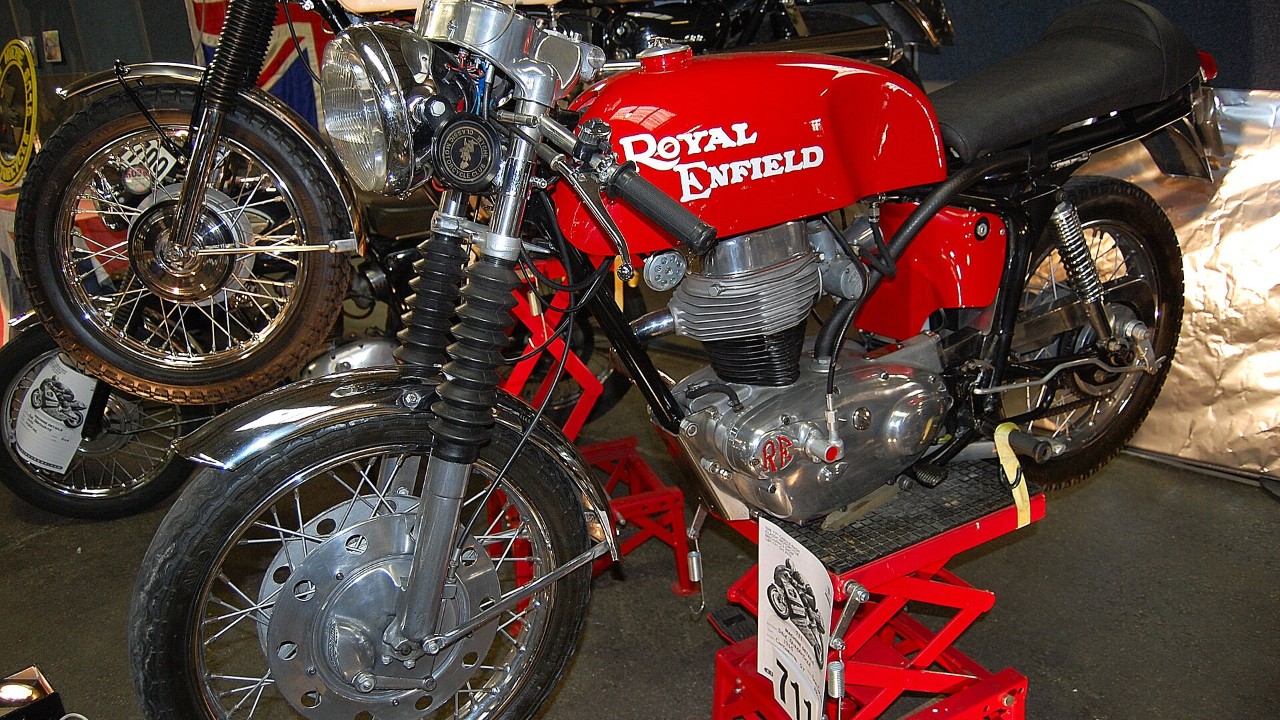
Royal Enfield developed the Continental GT for the 1965 market as a sporty 250 cc single. Before the November 1964 Earls Court show, the factory staged a publicity run from John o’ Groats to Land’s End. Riders covered the length of Britain in 22 hours and 20 minutes.
Then road racer John Cooper completed eight laps of the Silverstone Grand Prix circuit on one. That was a bold stunt for a 250 cc single. It also told buyers exactly what the bike was for: going fast, low and tucked in.
Our take: the Royal Enfield Continental GT is the gentlest machine on this list, and that’s the point. It shows how small the margins were in the 1960s. A light single with period tires and brakes made a teenager feel like a racer, yet it gave little room for error in traffic. Today, we’d keep one for quiet Sunday mornings and leave the motorway to something newer. Even so, that 22-hour run across Britain proves the little single could take punishment. We just wouldn’t repeat it in modern traffic.
2. 1974 MV Agusta 750 S
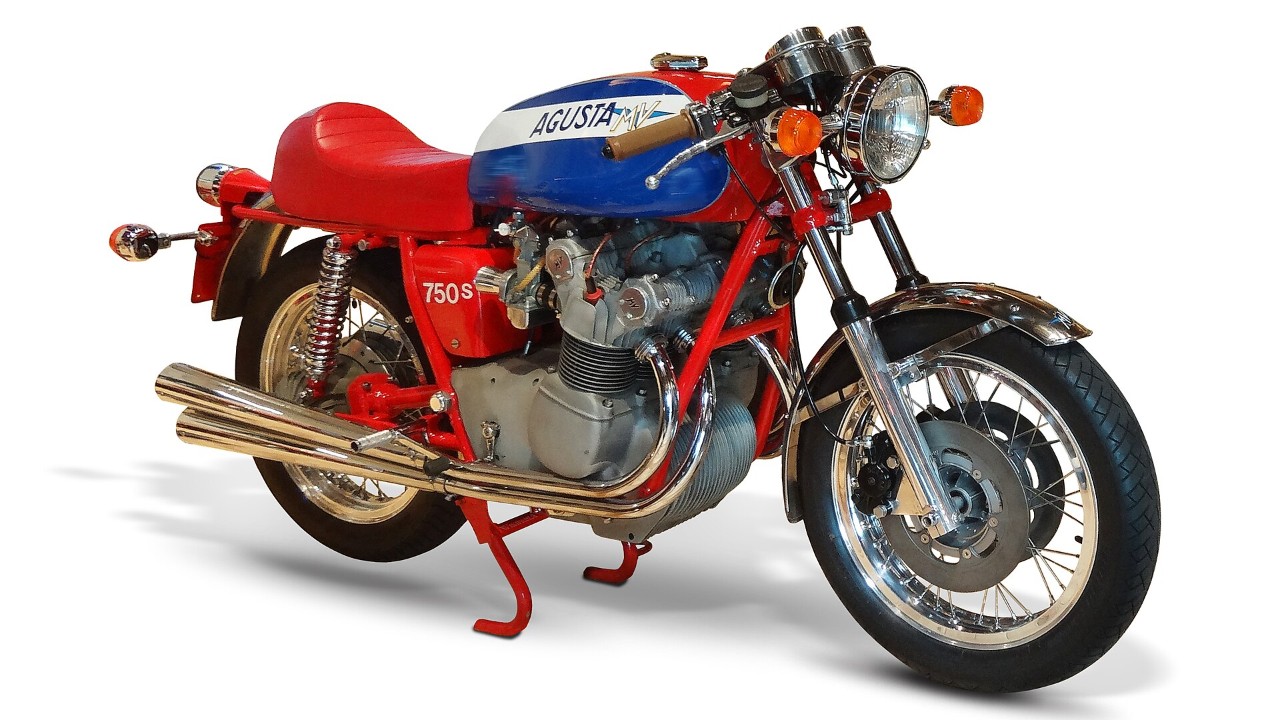
MV Agusta built the 750 S from 1970 to 1975, and it made only 583 of them. Its 743 cc four-cylinder engine used double overhead camshafts. It produced 72 bhp at 9,200 rpm and could reach about 120 mph.
The chassis told a more old-fashioned story. Power went to the rear wheel through a shaft rather than a chain. Early bikes also stopped with a big drum brake up front, and hydraulic twin front discs only arrived in 1974. For a sister model built later in the decade, see our list of 8 Italian motorcycles still worth collecting.
In our view, this is a bike to admire more than to push. A screaming four with racing roots, sitting on 1970s tires, demands respect on any road. And with so few built, every scrape costs far more than pride. We’d ride a 750 S gently, on a dry day, and enjoy the sound. In addition, with only 583 made, parts and repairs demand patience. That’s another reason to keep the throttle in check.
3. 1979 Laverda Jota 180
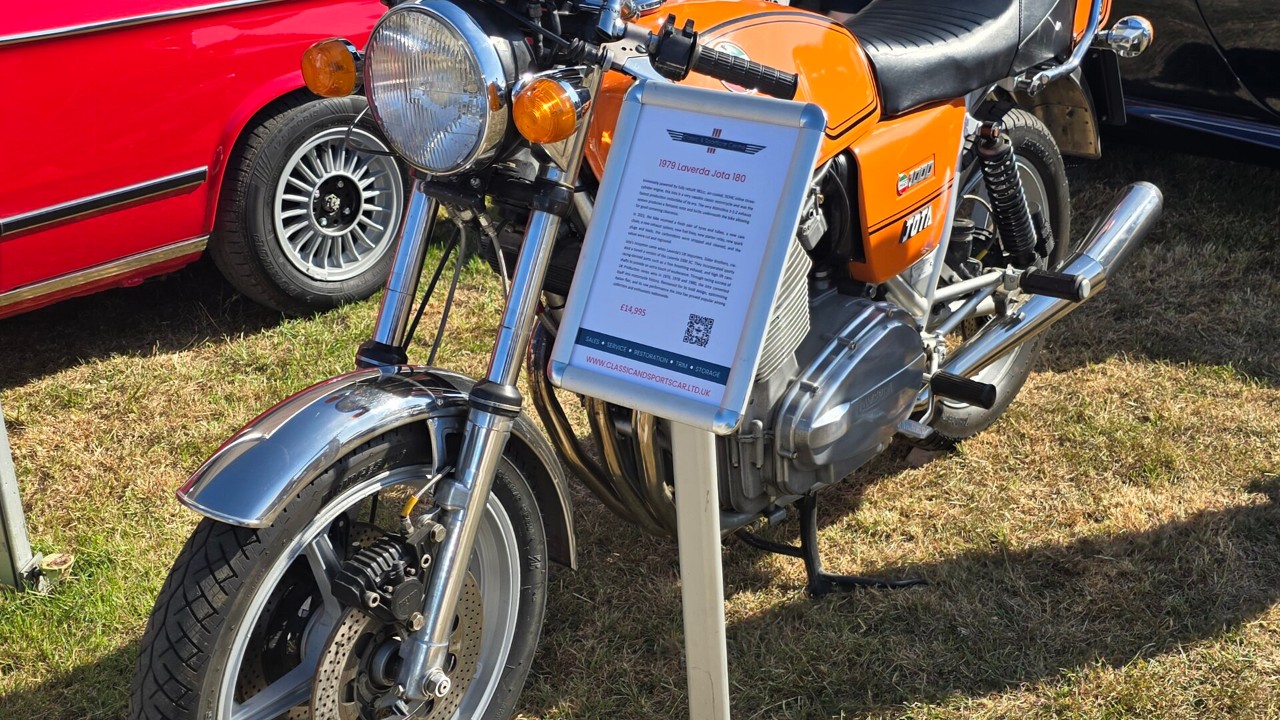
The Jota came from the British importers Slater Bros, who wanted a faster version of Laverda’s big triple. The factory built it from 1976 to 1982. It used a 981 cc air-cooled three-cylinder engine with double overhead camshafts, and it weighed 234 kg (515 pounds) dry.
On the original Jota, the crankpins sat 180 degrees apart, and that layout gave the engine a rough edge. Laverda only switched to a smoother 120-degree crank in 1982. Early electrics were also marginal. The first Bosch alternators produced 123 or 140 watts, barely enough to keep up with the lights on.
Our take: a heavy, vibrating triple with weak charging is a recipe for drama on a dark road. We’d make sure any Jota has had its electrics sorted before a long ride. That said, few bikes from the 1970s feel this raw. That raw feel is exactly why we love them. If you buy one, though, budget for the charging system first. Later Series 2 bikes moved to a 260-watt Nippon Denso alternator, which helps.
4. Egli Vincent
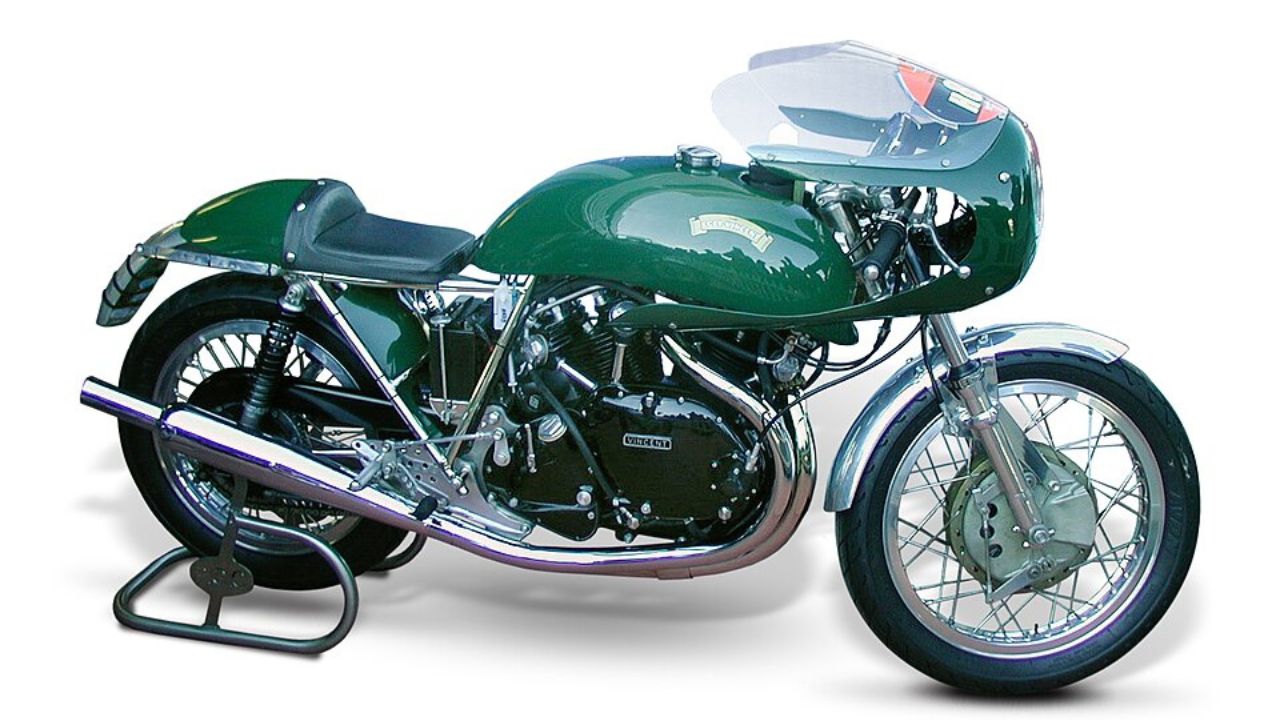
Swiss engineer Fritz Egli bought a Vincent Rapide in 1965 to go racing. He then threw out its original bolted structure and built his own frame. The heart of it was a round spine about 4.5 inches across, which also held six pints of engine oil. Straight tubes formed the rear subframe, and he bolted on a front fork from a Matchless G45.
The engine stayed pure Vincent: a 998 cc overhead-valve V-twin. A stock Rapide made about 45 horsepower, but skilled tuners could push one near 100. Egli’s own bike won the 1968 Swiss hill climb championship, and it took the title again in each of the next three years. According to Rider Magazine’s history of the Egli-Vincent, Egli built about 100 of them before his last frame in 1972.
We think the Egli Vincent sums up the café racer idea at its most extreme. It is a race-bred special, not a factory road bike. Pair a tuned big twin with 1960s brakes and you have a machine that demands an expert hand. Then consider the rarity: with only about 100 built, each one is precious, so we’d ride one sparingly.
5. 1980 Ducati Mike Hailwood Replica
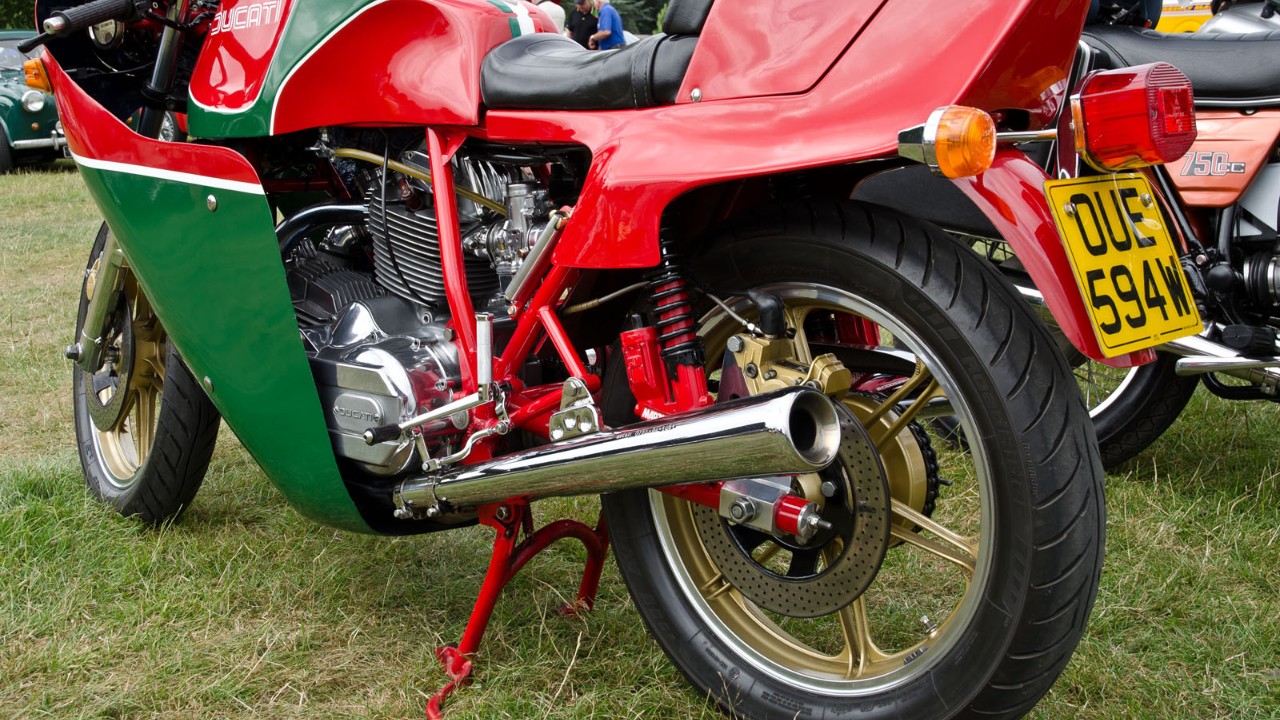
On June 3, 1978, Mike Hailwood came out of retirement and won the Formula One TT on the Isle of Man aboard an NCR Ducati 900. He averaged 174 km/h and called it “the easiest TT I can remember.” Ducati answered with a road-going replica, and the first ones arrived in 1979.
The early bikes used the stock 900 SS engine, with about 72 horsepower at 7,500 rpm. A one-piece fiberglass fairing wrapped the bike in red, green and white. However, that fairing made simple jobs such as an oil change a chore. For 1980, Ducati swapped the fiberglass tank cover for a steel tank and fitted aluminum FPS wheels, according to Classic Two Wheels.
Our take: the MHR looks like a race bike because it was meant to. Its riding position stretches you over the tank, and the steering rewards commitment. That makes it glorious on an open road and tiring anywhere else. We’d save it for the days when we can give it our full attention. Also, because the fairing slows down basic maintenance, plan your service days with care.
6. 1977 Ducati 900 SS
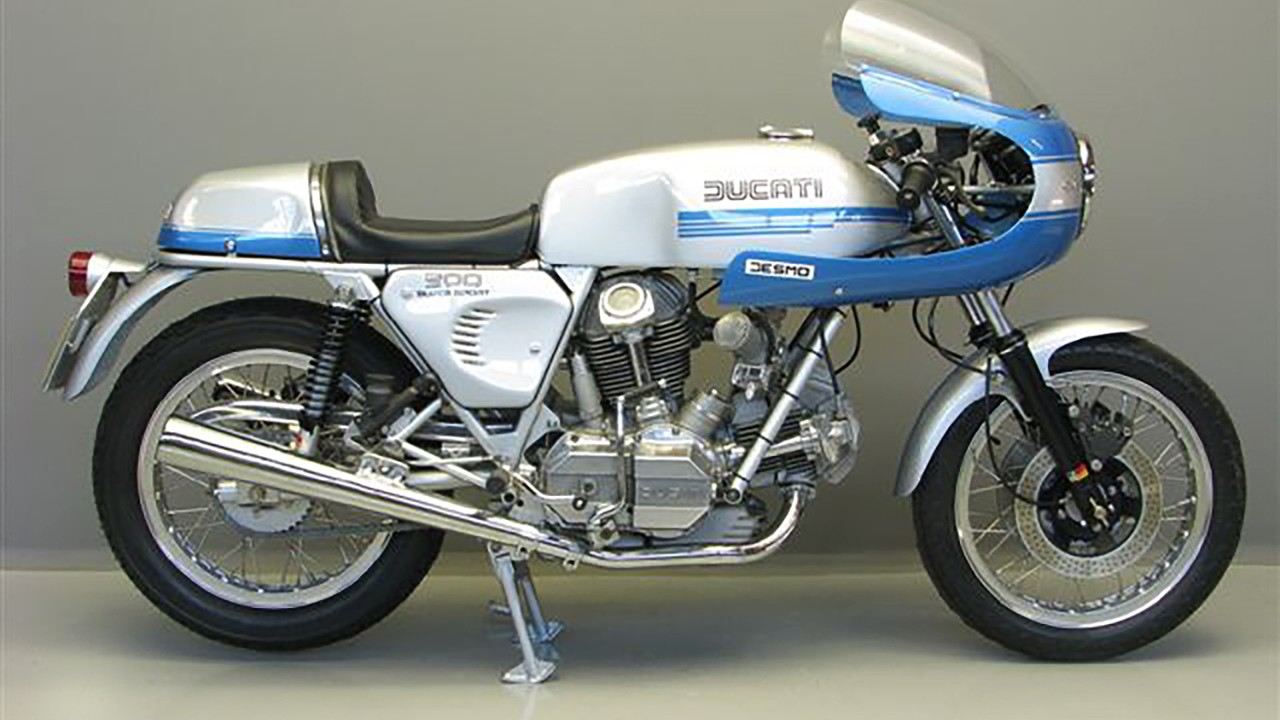
The 900 SS traces back to Paul Smart’s win at the Imola 200 on April 23, 1972. Its 864 cc L-twin used Ducati’s desmodromic valve gear, which closes the valves mechanically instead of with springs. The first 1975 bike was the closest thing to the Imola racer on the street.
Ducati civilized the bike for 1976 and 1977. It moved the shifter to the left, added turn signals and a steel tank, and fitted smaller 32 mm carburetors. Those changes cut the claimed rear-wheel output from 70 horsepower to 57, as Motorcycle Classics reports. In other words, the 1977 bike is the tamer version of a very wild machine.
Even tamed, the 900 SS feels serious to us. The riding position is low and long, and the bike wants speed to feel settled. We’d take one on a twisty road in a heartbeat. In town traffic, though, we think it feels like a racer stuck in a parking lot. Meanwhile, the 1975 bike sat even closer to the Imola racer, so the 1977 version is the one we’d choose for road use.
7. Honda Dream CB400 Four
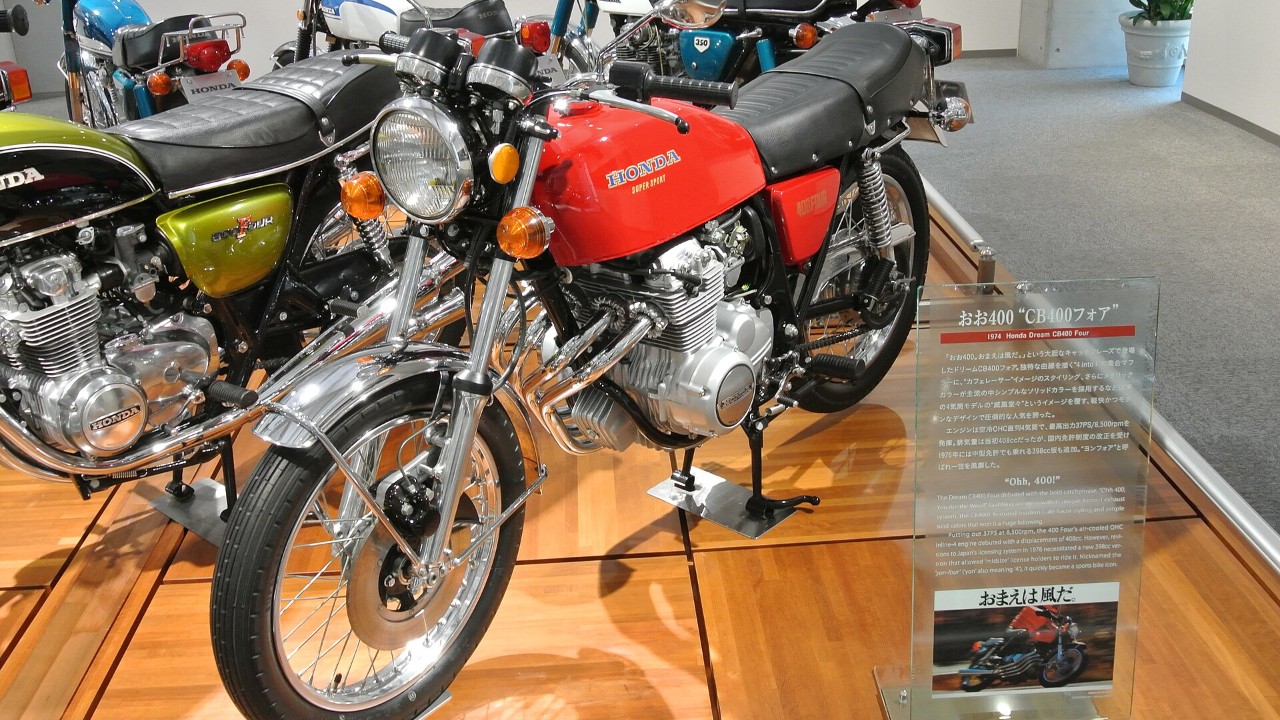
Honda built the CB400 Four from 1975 to 1977, and it looked like a factory café racer. It had low handlebars, rear-set footpegs and a slimmer body than the CB350F. Its most famous feature was a swooping four-into-one exhaust.
The engine was a 408 cc air-cooled four with a single overhead camshaft. Honda claimed 37 bhp at 8,500 rpm, and it fitted a six-speed gearbox. To meet licensing rules in France and Japan, Honda also built a 398 cc version with a shorter stroke. The example in Honda’s own collection hall wears the Dream CB400 Four name.
Our take: the CB400 Four isn’t dangerous because of power. It feels risky today because it is small, light and narrow among modern SUVs. Its tires and brakes also belong to 1975. Even so, it’s the friendliest high-revving four of its era. We’d ride one happily, with extra space around us. That said, it may be the best introduction to café racers on this list, because its power is so easy to manage.
8. 1967 Seeley Matchless G50
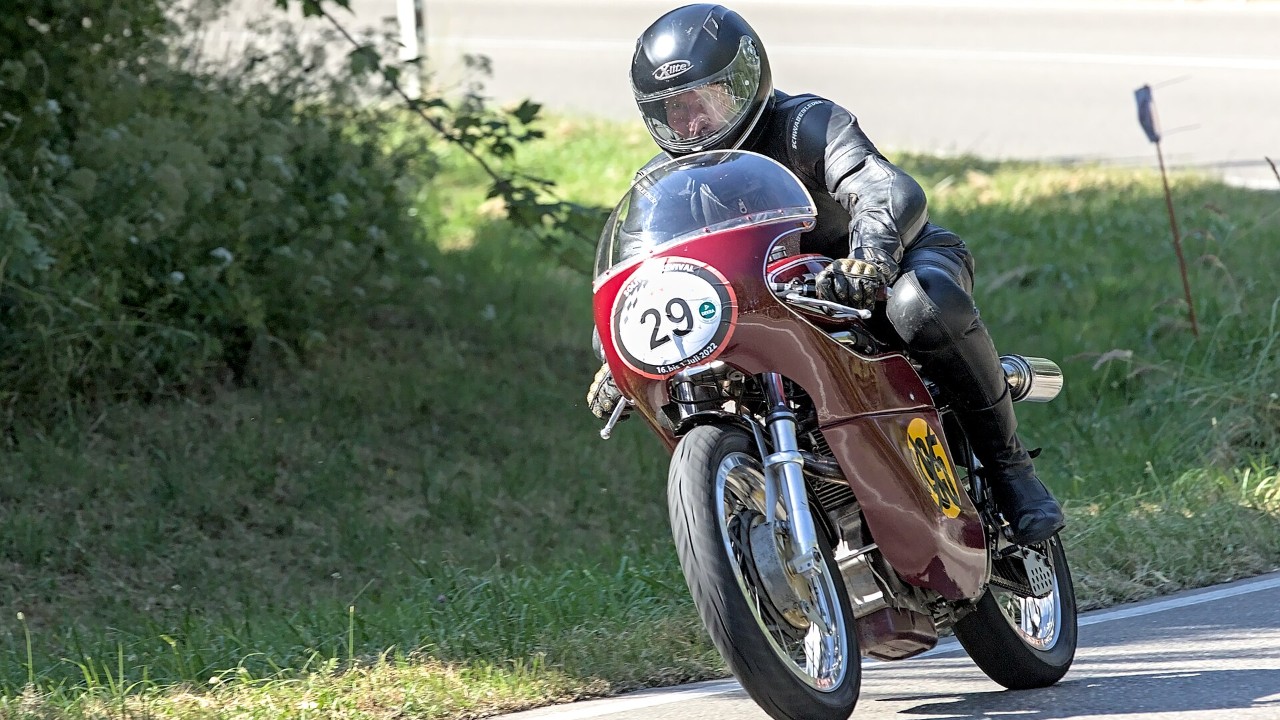
Colin Seeley raced sidecars in the early 1960s, but frames made him famous. In early 1966, he built a prototype frame for the Matchless G50 single from Reynolds 531 tubing. It was reportedly 9 pounds lighter than the standard G50 frame. Production began in July 1966, and later that year Seeley bought the engine tooling and spares for AMC’s racing bikes.
Derek Minter tested the prototype at Brands Hatch and called it “the best steering solo he’d ever tried.” The results backed him up. Brian Ball, for example, finished second to Giacomo Agostini in the 1968 Senior TT on a Seeley-Matchless.
We have to be clear here: the Seeley G50 is a race bike, built for closed circuits. That is exactly why it belongs on this list. A 500 cc racing single with 1960s brakes and no road manners is thrilling on a track day. On a public road, in our view, it would be asking for trouble. Instead, we’d enjoy one at a vintage race meeting, where it can run the way Colin Seeley intended.
9. Royal Enfield Continental GT 535
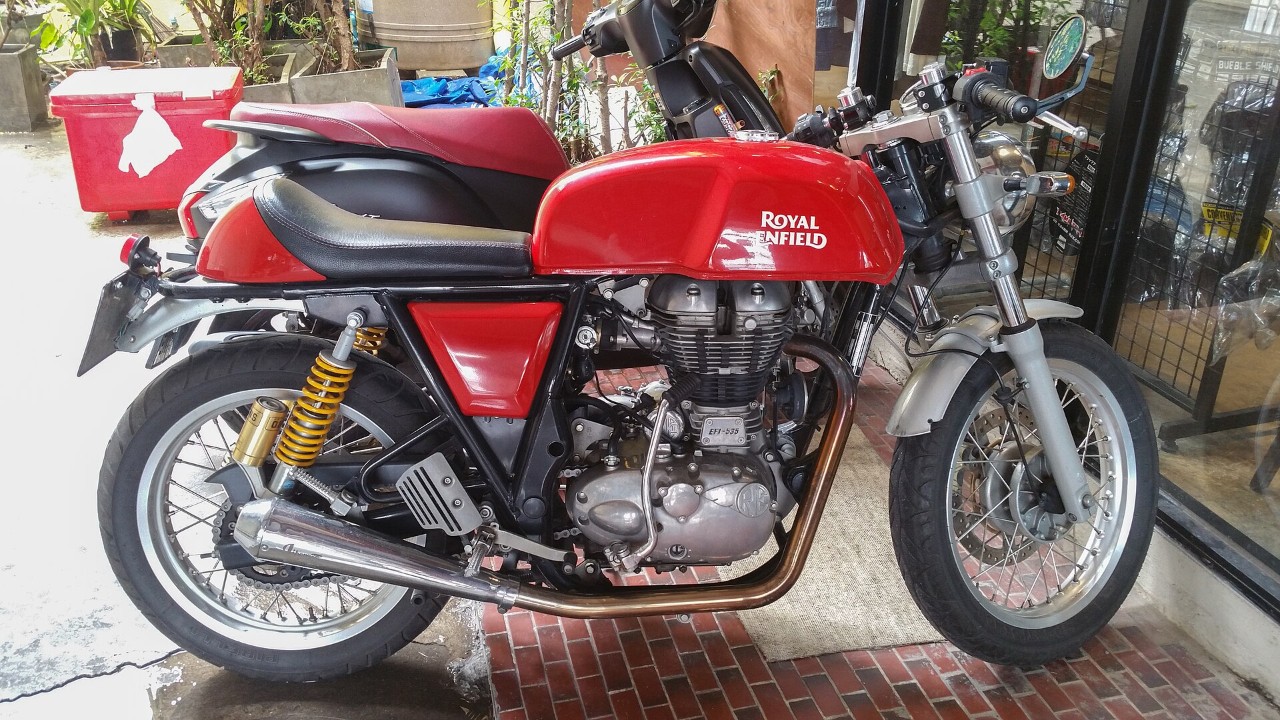
Royal Enfield revived the Continental GT name in 2014 with a modern café racer built in India. It used a 535 cc single-cylinder engine with almost 21 kW, or 30 horsepower, at 5,100 rpm. Both the name and the café styling looked back to the 1965 original.
That modest output makes the 535 the calmest bike here by far. However, it kept the low, forward riding style that made café racers feel committed. For more on modern and vintage bikes in this style, read our list of 7 café racers you forgot existed.
Our take: this is the bike that shows why the old ones felt so edgy. Put a rider in the same tucked position, add modern brakes and tires, and the experience becomes fun rather than frightening. We’d recommend it to anyone who loves the look but wants a bike they can ride every day. Also, its 30 horsepower is easy to use, which makes it a far gentler teacher than any original.
10. 1972 Ducati 750 Sport
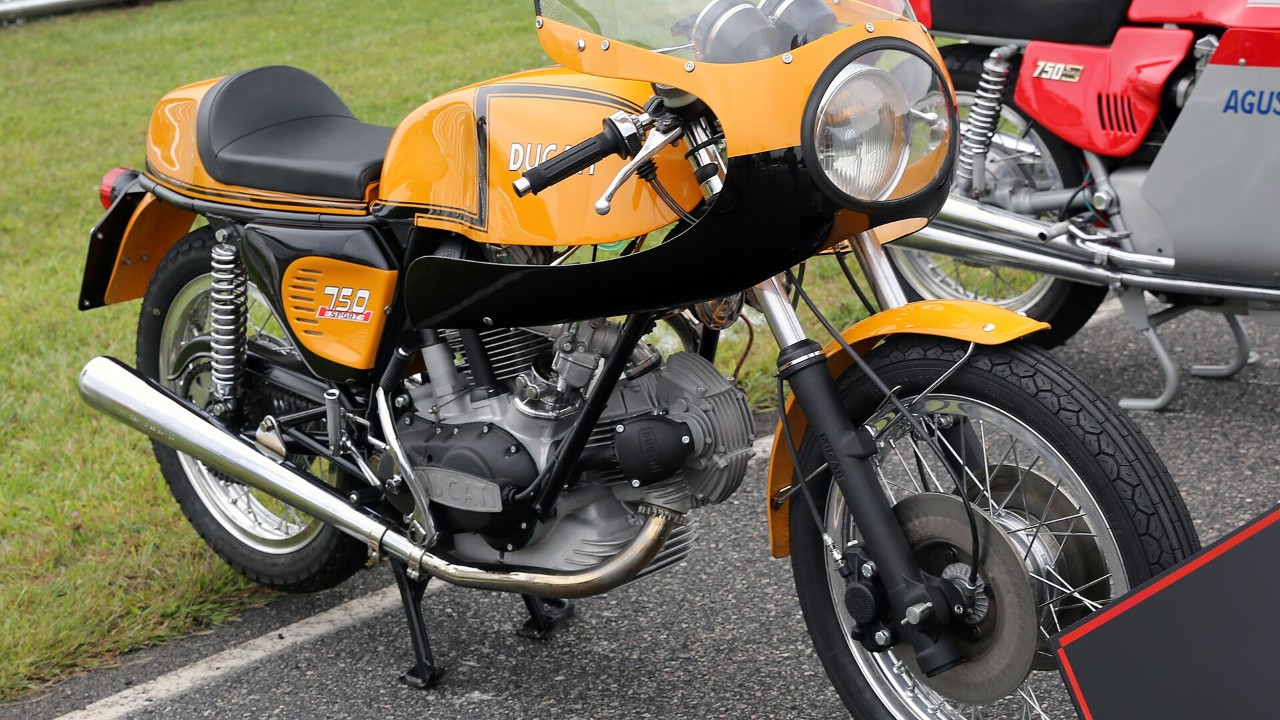
The 750 Sport followed Ducati’s GT750 and arrived after the 1972 Imola result. It used a 748 cc 90-degree L-twin with bevel-driven overhead camshafts. Unlike the later 900 SS, its valves closed with ordinary coil springs. Two 32 mm Dell’Orto carburetors fed the engine, and Ducati claimed 62 horsepower at 8,200 rpm.
On 1972 bikes, a black zig-zag stripe crossed the tank, so fans call them “Z-stripe” Sports. The clip-ons sit high and fairly flat, while rear-set footrests and controls give it a sporty stance. Those details come from Old Bike Australasia’s feature on a 1972 Z-stripe. Production ended when the 750 SS arrived.
We think the 750 Sport is the most usable bike in Ducati’s early bevel lineup. Even so, it was a fast machine on narrow 1970s rubber. Treat the brakes with care, give it room, and it will reward you with one of the best soundtracks in motorcycling. Unlike the desmo 900 SS, it uses ordinary valve springs, which we find reassuring on a bike we’d plan to ride often.
11. Bimota KB1
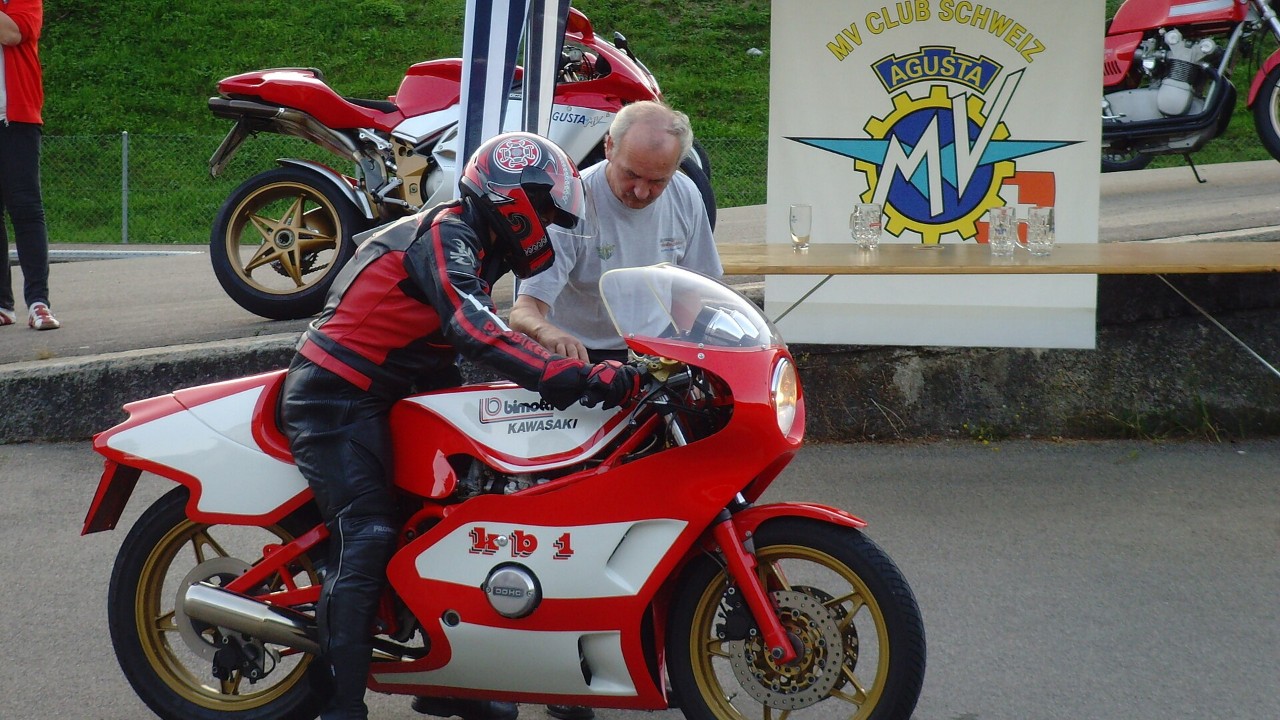
Bimota began in Rimini in 1973, and its name joined the first letters of its founders’ surnames: Bianchi, Morri and Tamburini. The company built high-quality frames around other makers’ engines. In 1978, it unveiled the KB1 in Milan, a design by Massimo Tamburini built around Kawasaki’s Z 1000 four.
The engine displaced 1,015 cc and produced 83 CV. Bimota built 827 examples, according to Museo Nicolis, and sold almost all of them as kits. Only 16 left the factory fully assembled. Its handlebar, footpegs and fork were made of Avional aluminum, and its frame made engine work easier.
Our take: a kit bike means every KB1 is only as good as the person who built it. Combine that with a big four-cylinder and late-1970s tires, and you have a machine we’d inspect carefully before riding hard. When one is right, though, it delivers big-bore Japanese power in a sharp Italian chassis. In addition, only 16 left the factory assembled, so those are the ones we’d treat with the most care.
12. 1979 Bimota SB2
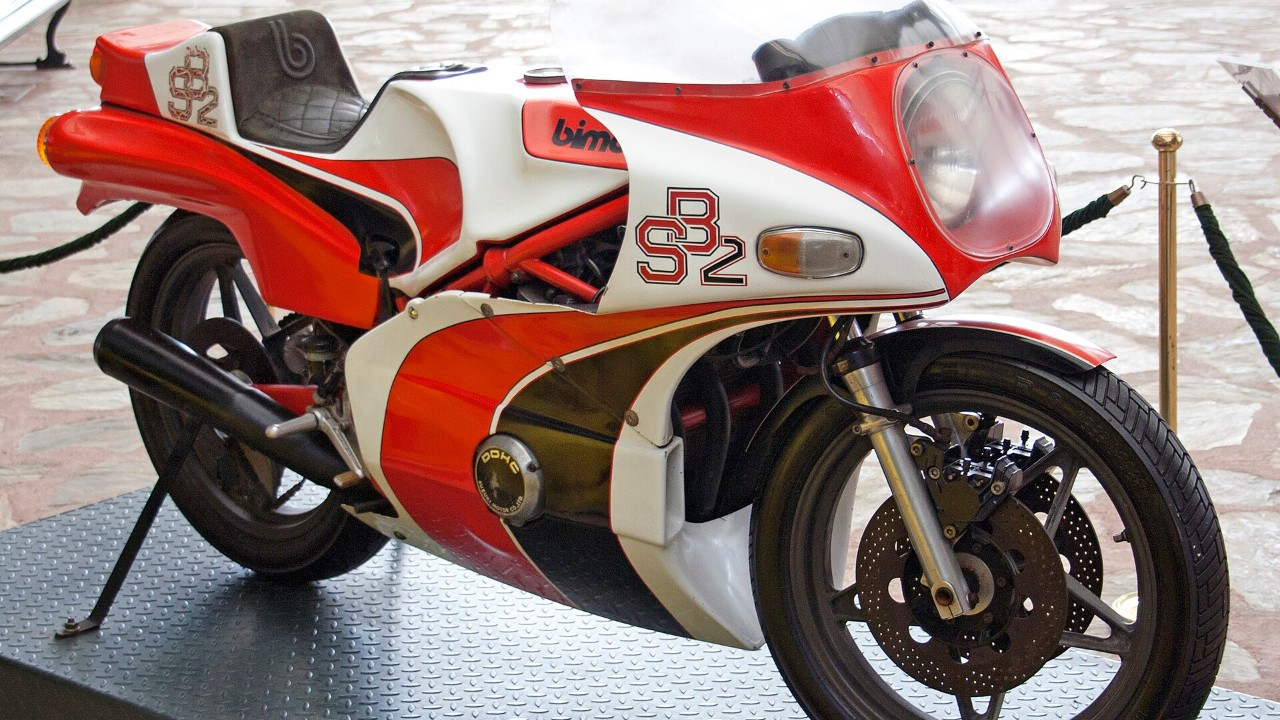
The SB2 used Suzuki’s GS750 engine as a stressed member of the frame. That frame was a chrome-moly steel trellis, and Silodrome counts the SB2 among the first motorcycles with an adjustable rear monoshock. Up front sat 35 mm Ceriani forks with modified internals.
The stock engine made 75 bhp. Suzuki originally funded a run of 200, but only about 140 were made. At launch, the SB2 cost almost three times as much as the Suzuki GS750, which made it one of the costliest motorcycles of its day. The seat and rear cowl even formed part of a load-bearing structure.
We’d call the SB2 a 1970s race bike disguised as a road machine. Its sharp steering and stiff chassis made it a weapon for its time. Today, its age and rarity make every ride a careful one. With only about 140 made, it is also a rare sight at any bike night. So instead of chasing speed on one, we’d admire the engineering up close, because that trellis frame and early monoshock remain impressive.
More from Fast Lane Only