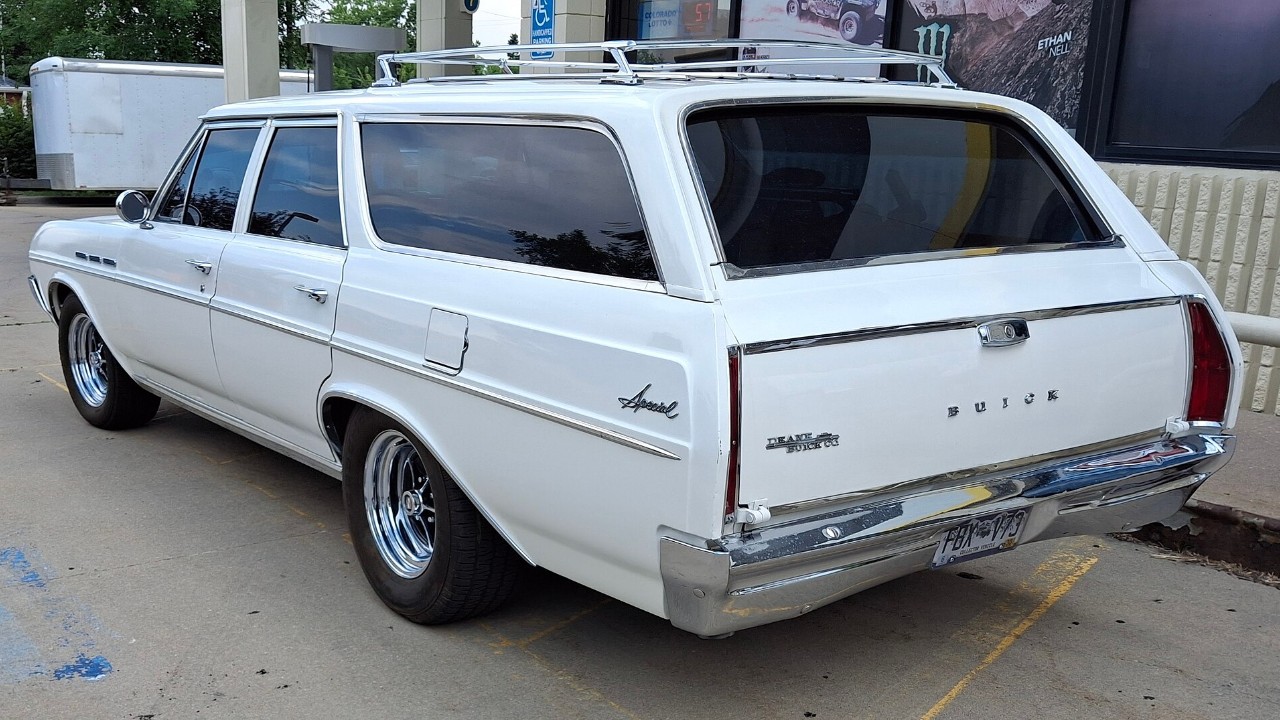
Buick launched its Sport Wagon on February 4, 1964, with a raised roof ringed by tinted glass panels over the cargo area. It was a clever, practical family hauler. For decades afterward, most people saw it as nothing more than that.
That was the fate of countless station wagons. Families wore them out, then traded them in for something newer. Few owners kept the paperwork, and fewer still kept the cars. Yet some of those forgotten wagons had genuinely unusual engineering or styling. Today, some of them turn heads at the same car shows that once ignored them.
These are our picks for nine forgotten wagons that turned into surprise collectibles. The verdicts are our opinion, and we have left out values, because the market for each one moves around. The years, engines and design details come from model histories, specialist articles and period research we checked.
1. 1964 Buick Special Sport Wagon
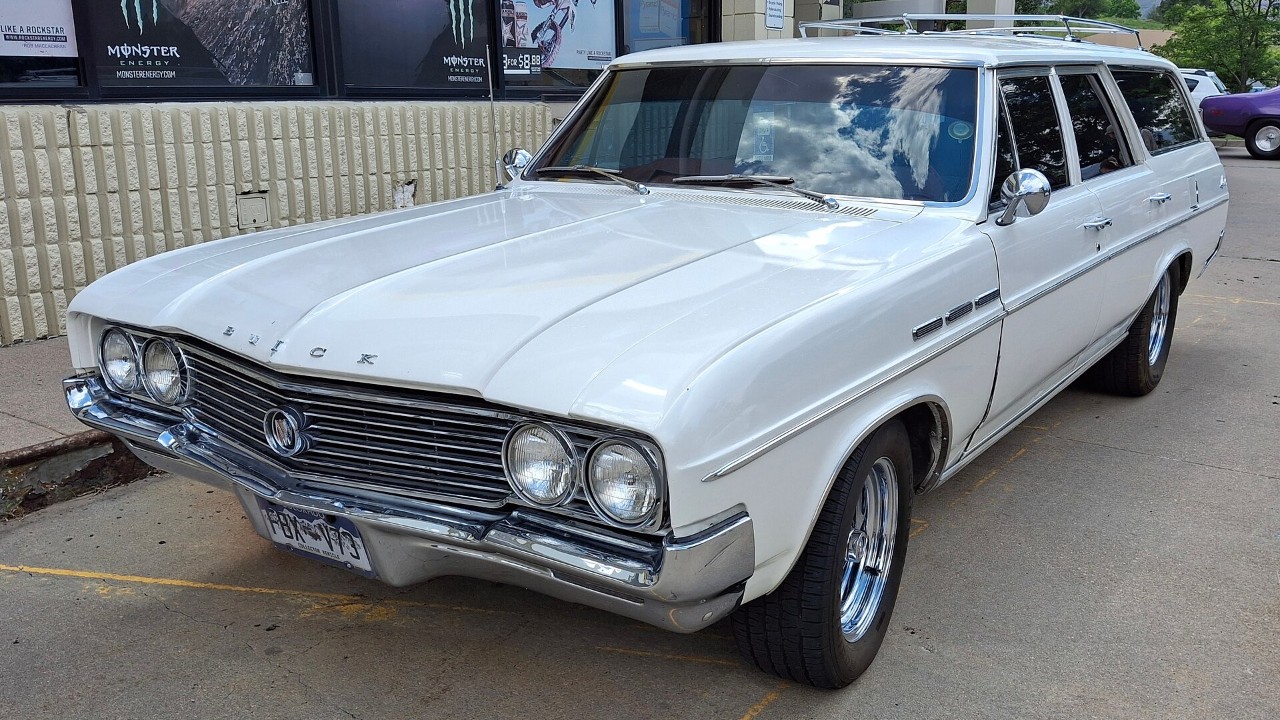
Buick did not simply add a roof rack to an intermediate wagon. Instead, it stretched the chassis. The Sport Wagon rode on a 120-inch wheelbase, five inches longer than the Skylark sedans and coupes. Over the cargo area, the roof stepped up and carried four tinted glass panels.
According to Mac’s Motor City Garage, the rear roof sat almost three inches higher, and the rear doors grew four inches longer. The Buick Sport Wagon shared that stretched chassis, upper sheet metal and greenhouse with the Oldsmobile Vista Cruiser. Buyers got a 225-cubic-inch V6 as standard, and a 300-cubic-inch V8 was optional.
We think the Buick Sport Wagon is the overlooked twin of the better-known Vista Cruiser. It offered the same skylight cabin with Buick’s own badges and engines. If you want one, inspect every roof glass panel and its seals before you buy. The Vista Cruiser gets the headlines, but the Buick deserves a share.
2. 1965 Studebaker Commander Wagonaire
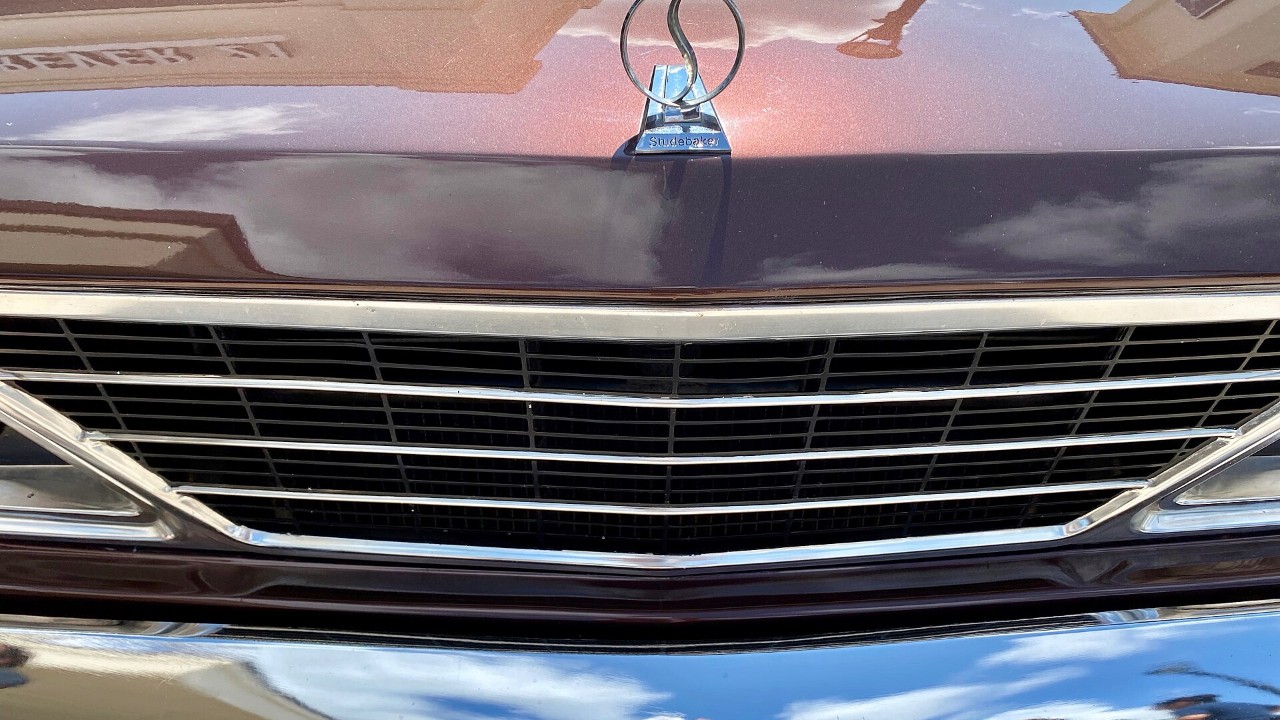
Industrial designer Brooks Stevens gave the Wagonaire its party trick. A rear section of the roof slid forward over the headliner, so owners could carry tall loads standing upright. Studebaker built the Wagonaire from 1963 to 1966 on the Lark station wagon body.
The idea had flaws. Early buyers reported that the roof leaked near the front of the sliding section. For 1965, Studebaker also changed what sat under the hood. From that year, General Motors supplied Chevrolet-based six-cylinder and V8 engines. By then, Studebaker had moved production to Hamilton, Ontario.
About 12,000 sliding-roof wagons found buyers over four years. For the full story, see our piece on how the Wagonaire’s sliding roof worked. In our view, it is one of the most inventive American wagons ever sold. If you shop for one, check the roof seals first, since leaks were the first complaint from early owners.
3. 1963 Rambler Ambassador 990 Cross Country
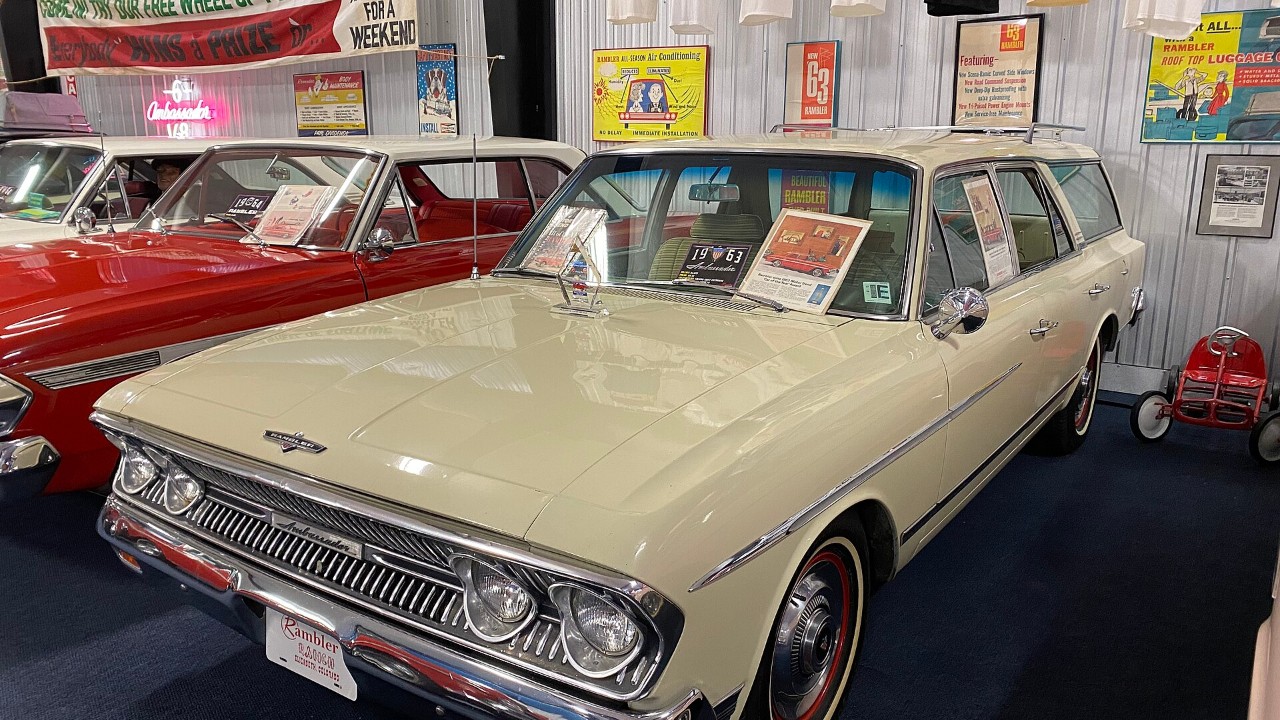
For 1963, Motor Trend named the entire Rambler line its Car of the Year, and the Ambassador shared the honor. The 990 was the top trim, replacing the earlier 400 models. In wagon form, it wore the Cross Country name.
Every 1963 Ambassador came with a 327-cubic-inch V8. The two-barrel version made 250 horsepower, and a four-barrel version made 270. In addition, the car used unitized construction rather than a separate frame. It rode on a 112-inch wheelbase and offered curved side glass, a costly upgrade at the time.
We think the Ambassador 990 Cross Country is a sleeper in plain clothes. It looked modest, yet it carried a strong V8 and an award-winning body. Ramblers rarely get the attention that Ford and Chevy wagons do. That is exactly why a well-kept 990 wagon stands out so much at a show today.
4. 1978 Ford Pinto Squire Wagon
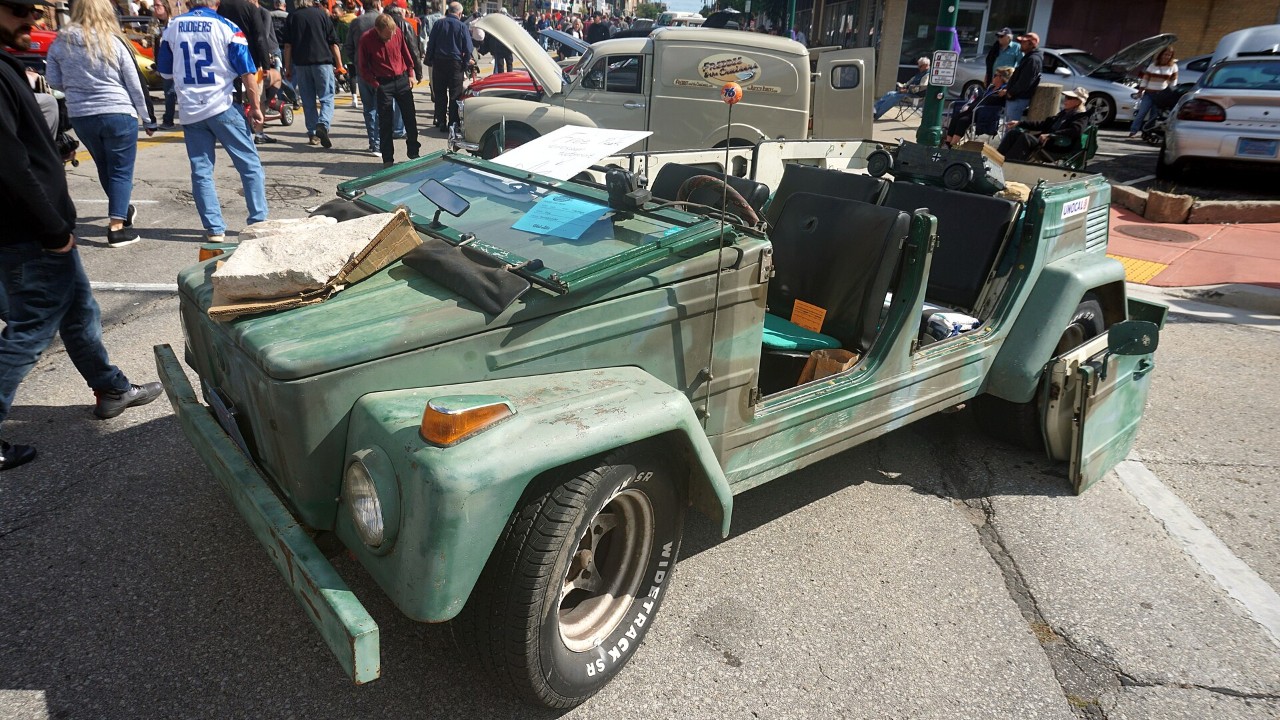
Ford added a station wagon to the Pinto range on February 24, 1972. It was the first two-door Ford wagon since the 1965 Falcon, and it had flip-open rear quarter windows. The Squire version added simulated woodgrain trim, similar to the full-size Country Squire.
By 1978, buyers could choose a 2.3-liter four rated at 88 horsepower or a 2.8-liter V6 rated at 90. That year also brought Ford’s June 9, 1978 recall of 1.5 million Pintos and Mercury Bobcats. However, the recall covered sedans and hatchbacks, not the station wagon. That detail is easy to miss if you know the Pinto only by its reputation.
We love the Pinto Squire as a tiny, honest piece of 1970s Americana. Ford even turned the wagon into a custom-van lookalike, as our story on the 1977 Pinto Cruising Wagon explains. If you want a Squire, look for intact woodgrain vinyl, because worn trim is the first thing people notice.
5. 1965 Ford Falcon XP Squire
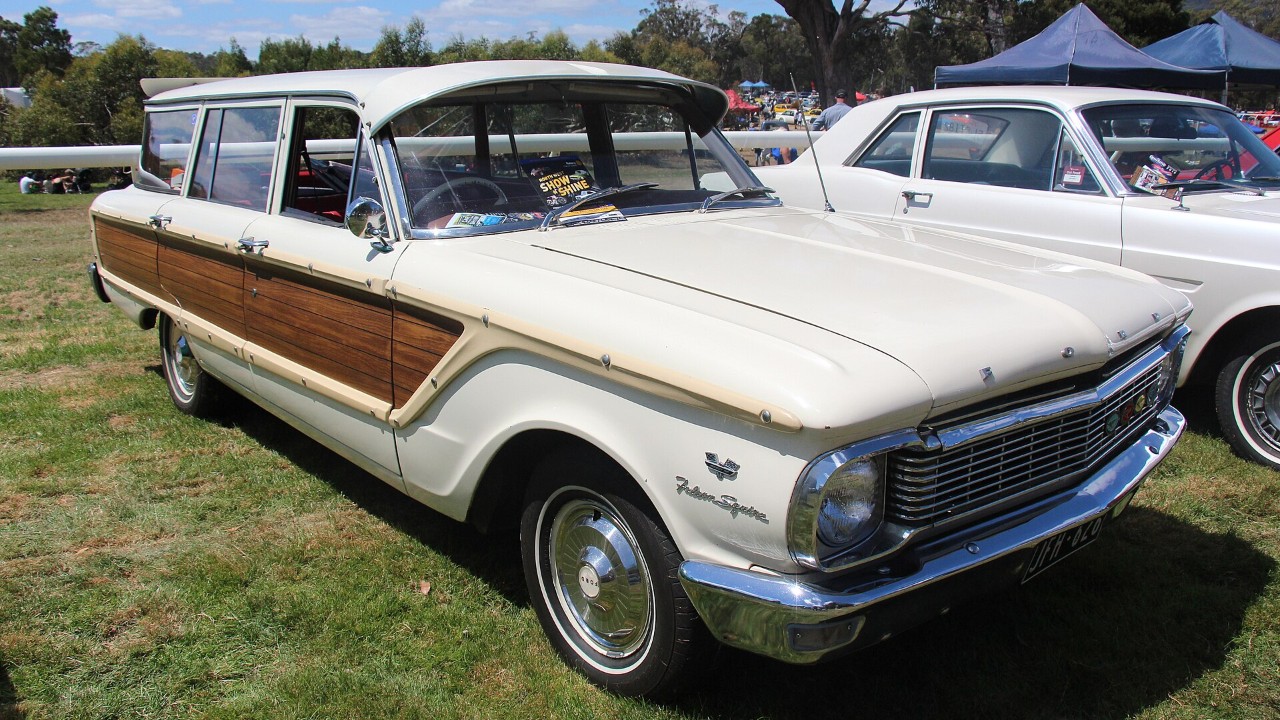
This Falcon is not American. Ford Australia built the XP Falcon in 1965 and 1966, and it offered a Squire wagon in the range. According to Shannons’ history of the Country Squire, Ford Australia released the XL Falcon Squire in 1962 and kept it through the XM and XP models.
Like its American cousin, the Falcon Squire used imitation woodgrain panels. Shannons notes that those panels tended to fade under the harsh Australian sun. The XP also changed the trim, with spears on the front fenders that suited its squarer styling.
We think the XP Squire is a wonderful oddity for American collectors. It looks familiar at first glance, yet the details are all Australian. Because the sun faded so many woodgrain panels, an original, unfaded car is the one to find. Down under, it is a genuine piece of local motoring history.
6. 1960 Chrysler Windsor Town & Country
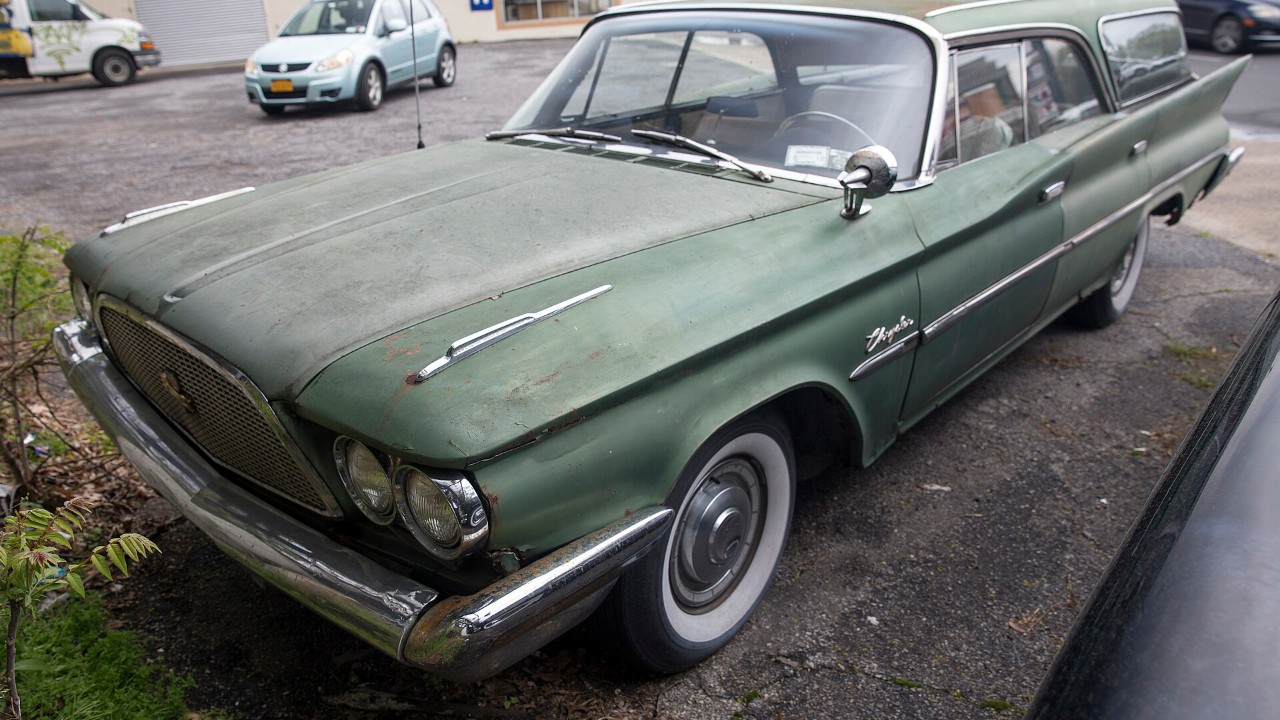
The Town & Country name started in 1941, when Chrysler built its first vehicle with wooden doors and body panels. By 1960, the wood was long gone. Instead, the 1960 Town & Country wagons used unibody construction, and they ranked among the largest unibody automobiles of their time.
Chrysler offered two versions that year. The New Yorker Town & Country rode on a 126-inch wheelbase, while the Windsor used 122 inches. Also, 1960 marked the end of an era for the cheaper car. For 1961, Chrysler moved the Town & Country wagon into the Newport series, so the Windsor version ended here.
In our view, the last Windsor Town & Country is an overlooked piece of Chrysler’s tailfin era. It is huge and clean-lined, and it carried a famous name. Chrysler had introduced rear-facing third-row seats back in 1957, which made its big wagons especially practical. If you find one, check the unibody for rust before anything else.
7. 1957 Dodge Sierra

The Sierra was Dodge’s station wagon line, and the 1957 model wore the dramatic “Forward Look” styling. Jalopnik’s look at a 1957 Sierra credits that body design to Virgil Exner. It also points to a torsion-bar front and leaf-sprung rear suspension.
Under the hood, Dodge offered a 325-cubic-inch V8. Jalopnik says it made 285 horsepower in top D500 form, and a dealer-installed dual-quad setup raised output to 310. Meanwhile, in our eyes, the long, low roofline made the wagon look far sleeker than the boxy haulers of a few years earlier.
We think the 1957 Sierra is one of the most stylish wagons of the 1950s. Dodge’s wagon sheet metal even found a second life, as our story on the Dodge Sweptside pickup and its 1957 wagon fenders explains. If you want a Sierra, have the body inspected thoroughly before you buy.
8. 1957 Ford Ranch Wagon
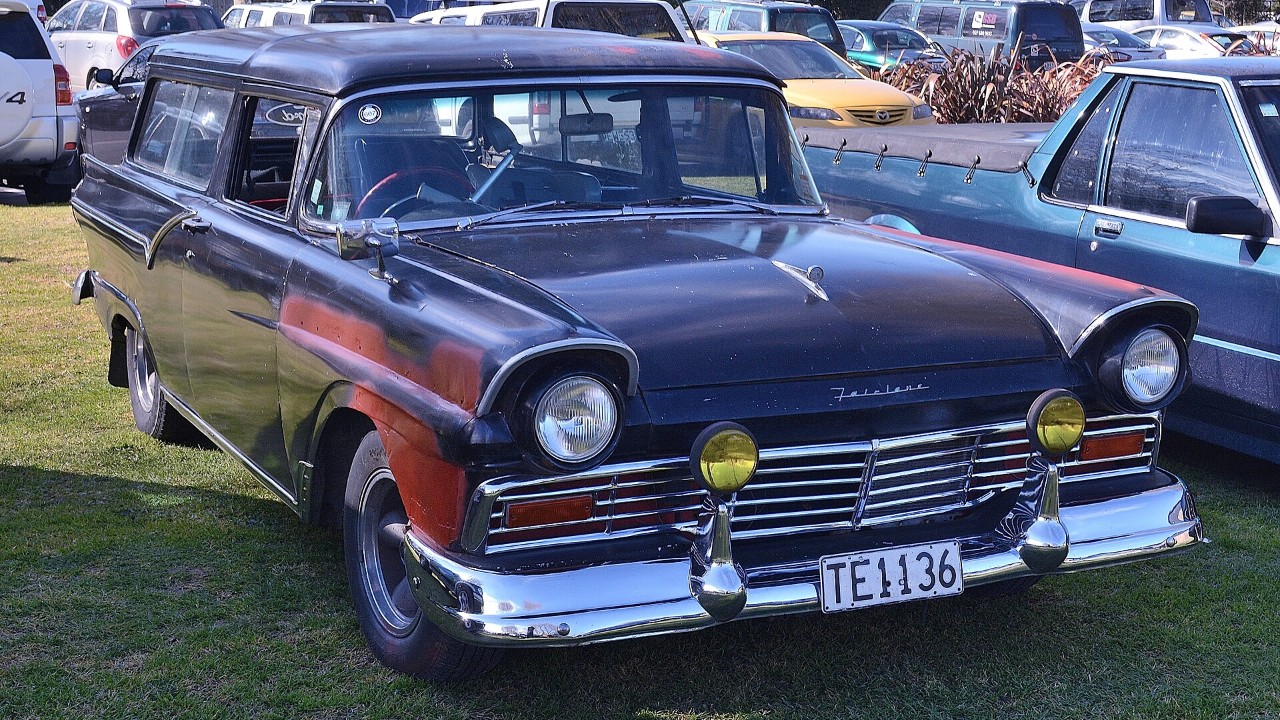
Ford introduced the Ranch Wagon in 1952 as a two-door model in its economy Mainline series. It came among the first all-steel wagons Ford ever offered. For 1957, the Ranch Wagon remained a two-door, since Ford added a four-door version only for 1958.
That two-door body had a famous offspring. According to Mac’s Motor City Garage, the 1957 Ranchero used the chassis and most of the sheet metal from the two-door Ranch Wagon. Ford formally introduced the Ranchero on December 6, 1956.
Today, the Ranchero gets most of the attention, but we think the Ranch Wagon deserves its share. It was the plain-wrapper parent of a whole new kind of vehicle. In our view, a clean 1957 two-door Ranch Wagon is one of the coolest 1950s Fords around. The two-door body also makes it look sportier than most wagons of its time.
9. 1968 Hillman Husky (Imp-based)
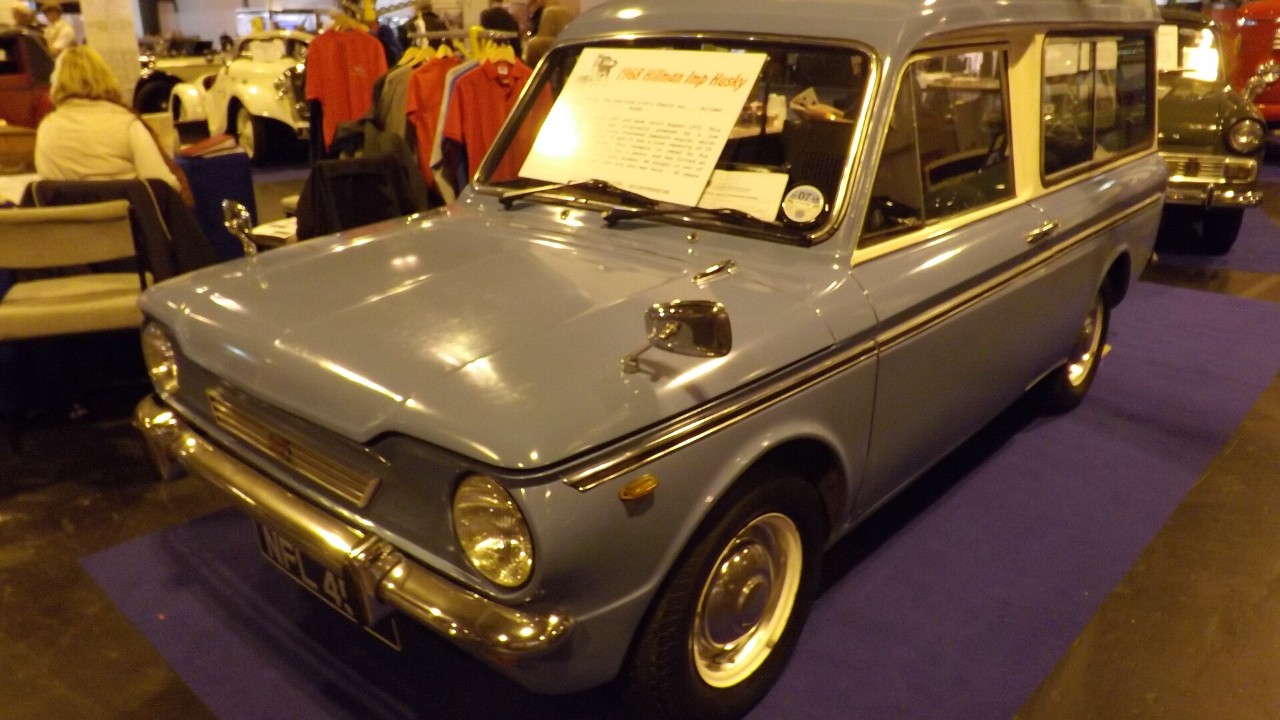
Rootes launched the Imp-based Husky in spring 1967, four years after the Imp saloon. Rather than design a new body, it adapted the Commer Imp van, adding sliding windows and a rear seat. In the back sat the Imp’s rear-mounted 875 cc overhead-cam engine.
According to Lancaster Insurance’s look back at the Husky, it was the only British-built rear-engine estate car of its generation. It also borrowed uprated parts from the Sunbeam Imp Sport. Autocar found its performance equal to the Hillman Super Imp. At £630 8s, it undercut the Mini Countryman’s £648.
We think the Husky is one of Britain’s most charming small wagons. It is tiny and clever, and it beat its Mini rival on price. Production ended in 1970, and Lancaster says Rootes built fewer than 11,000 Huskies at its Linwood plant.
More from Fast Lane Only