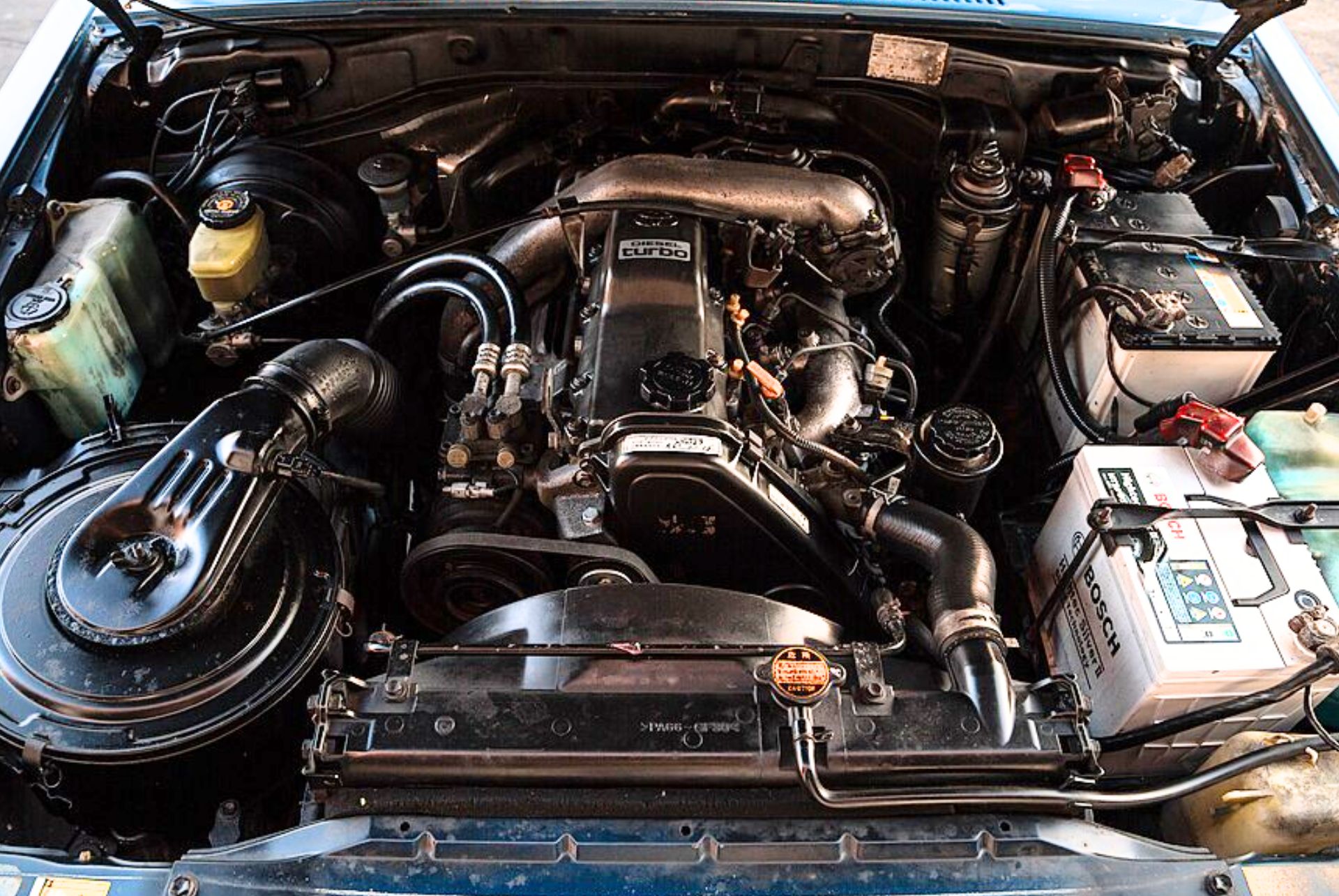
Some engines earn a quiet reputation in the trade for surviving long after the rest of the car has given up. Ask working mechanics which powerplants keep showing up with original internals at staggering mileage, and the same families of engines surface again and again. These are the workhorses that often outlast the bodywork, electronics, and suspensions wrapped around them.
That kind of longevity is no accident. It comes from conservative engineering, overbuilt parts, and owners who follow simple maintenance routines. In an era obsessed with software and screens, the engines that keep going are usually the ones that stick to proven fundamentals.
How engine design quietly shifted toward longevity
Veteran technicians often trace the current crop of ultra-durable engines back to the late 1990s and early 2000s, when several manufacturers settled on relatively simple, low-stress designs that could meet emissions rules without exotic hardware. Instead of chasing extreme power figures, these engines were tuned for moderate output and thick torque curves, which kept internal loads manageable and gave components an easier life.
Toyota is the clearest example. Its four- and six-cylinder engines from that period became staples in family sedans, compact SUVs, and work trucks. Mechanics regularly point to Toyota’s naturally aspirated inline-fours and V6 units as the ones that still arrive at the shop with original bottom ends after two decades of use. A detailed breakdown of nine Toyota engines highlights how widespread that pattern has become across the brand’s lineup.
Several technical choices show up repeatedly in engines that last. Many use relatively low compression ratios compared with modern turbocharged units, which eases stress on pistons, rods, and bearings. Iron or thick-walled aluminum blocks resist distortion and wear. Timing chains replace belts, trading a bit of noise and cost for components that can match the life of the engine if oil changes stay on schedule.
The fuel and ignition systems on these long-lived designs also tend to be straightforward. Port fuel injection, for example, may not deliver the last word in efficiency, but it keeps intake valves cleaner and is easier to service than high-pressure direct injection. When something does fail, parts are usually accessible without tearing half the vehicle apart, which encourages proper repair instead of neglect.
Engines that routinely outlive the vehicles around them
Ask independent shops which specific engines they expect to see at 250,000 miles and beyond, and certain Toyota codes come up almost reflexively. The company’s naturally aspirated four-cylinders in mainstream models have built a track record of high mileage with minimal internal work when owners keep up with fluids and filters. Technicians often see compact crossovers and sedans with these engines still running cleanly while the rest of the vehicle battles rust, worn interiors, and tired suspension components.
On the truck side, Toyota’s V6 engines in mid-size pickups and body-on-frame SUVs have earned similar respect. Their relatively undersquare design, conservative redlines, and robust cooling systems help them shrug off towing, off-road use, and stop-and-go commuting. Mechanics sometimes joke that the frame will rust in half before the engine needs a rebuild, and in northern climates that is not far from reality.
What unites these powerplants is not a single magic material or technology, but a philosophy. They are built with generous safety margins, then operated well below their mechanical limits in everyday use. That leaves room for imperfect maintenance, bad fuel, and the occasional missed oil change without immediate catastrophe. When problems do crop up, they tend to be peripheral items such as sensors, gaskets, or ancillary components, not catastrophic internal failures.
By contrast, many high-strung turbocharged engines deliver impressive performance and fuel economy but run closer to the edge. Higher combustion pressures, more complex plumbing, and tighter packaging give owners more to watch and more that can go wrong as the miles pile up. Some of those engines will still last a long time in careful hands, yet they do not have the same across-the-board reputation for outliving their host vehicles.
Why ultra-durable engines matter more to drivers now
Long-lasting engines have always appealed to high-mileage drivers, but several current trends make them especially valuable. New vehicle prices have climbed steadily, and many buyers now stretch loans over six or seven years. That leaves owners strongly motivated to keep a vehicle on the road well past the final payment. An engine that is likely to keep running with routine maintenance can turn a car into a decade-long asset instead of a short-term expense.
Used buyers feel the same pressure from the other side. With late-model used vehicles commanding premium prices, shoppers increasingly look at older cars with higher mileage. In that market, an engine family known for durability can transform a 180,000-mile car from a risky gamble into a rational purchase. Mechanics often advise customers that a well-maintained vehicle with a proven long-life engine can be a safer bet than a lower-mileage example with a more fragile powertrain.
There is also an environmental angle. Extending the life of an existing vehicle delays the resource and energy costs of building a replacement. While older engines may not match the emissions performance of the latest designs, keeping a reliable, efficient engine in service can still reduce the total footprint compared with scrapping an entire car prematurely because of a major mechanical failure.
At the same time, modern vehicles pack more complex electronics, advanced driver-assistance features, and intricate infotainment systems. Those components can age poorly, with failing screens, glitchy sensors, and wiring issues that are expensive to track down. The result is a growing number of cars whose engines still run beautifully while the owner weighs whether to invest in fixing everything else. In that context, an engine that is effectively “lifetime” hardware shifts the decision toward body, chassis, and electronics condition rather than fear of an imminent mechanical breakdown.
How buyers and owners can benefit from these long-lived designs
For shoppers, understanding which engines tend to outlast the rest of the vehicle can guide both model choice and trim selection. Two cars that look similar on the showroom floor can carry very different engines under the hood. Researching which specific engine codes have strong longevity records helps buyers avoid less-proven variants and focus on the workhorses that mechanics trust.
Owners who already have one of these engines can tilt the odds even further in their favor. The recipe is not glamorous: regular oil changes with the correct specification, timely coolant and transmission service, and quick attention to small leaks before they turn into bigger problems. Many technicians also recommend using high-quality filters and avoiding extended oil change intervals unless the engine was specifically designed for them.
Driving style matters as well. Engines that are warmed up gently, kept out of redline for daily use, and not lugged at very low rpm tend to show less wear. Short-trip city driving can be hard on any powerplant, so occasional longer drives that bring fluids fully up to temperature can help burn off condensation and deposits.
Finally, owners should remember that an engine that can run for 300,000 miles still depends on the rest of the vehicle. Suspension bushings, brake lines, fuel tanks, and structural components all age, especially in harsh climates. Budgeting for preventative maintenance in those areas keeps the car safe and pleasant to drive, which makes it realistic to enjoy the full lifespan that the engine can offer.
What the next generation of long-life engines might look like
As emissions rules tighten and electrification spreads, the template for engines that outlive their vehicles will evolve. Hybrid systems already use relatively modest gasoline engines that run in efficient operating windows, which can reduce stress and extend life. At the same time, the added complexity of batteries, inverters, and electric motors introduces new long-term variables that have not yet been tested across several decades.
More from Fast Lane Only
- Unboxing the WWII Jeep in a Crate
- 15 rare Chevys collectors are quietly buying
- 10 underrated V8s still worth hunting down
- Police notice this before you even roll window down
*Research for this article included AI assistance, with all final content reviewed by human editors