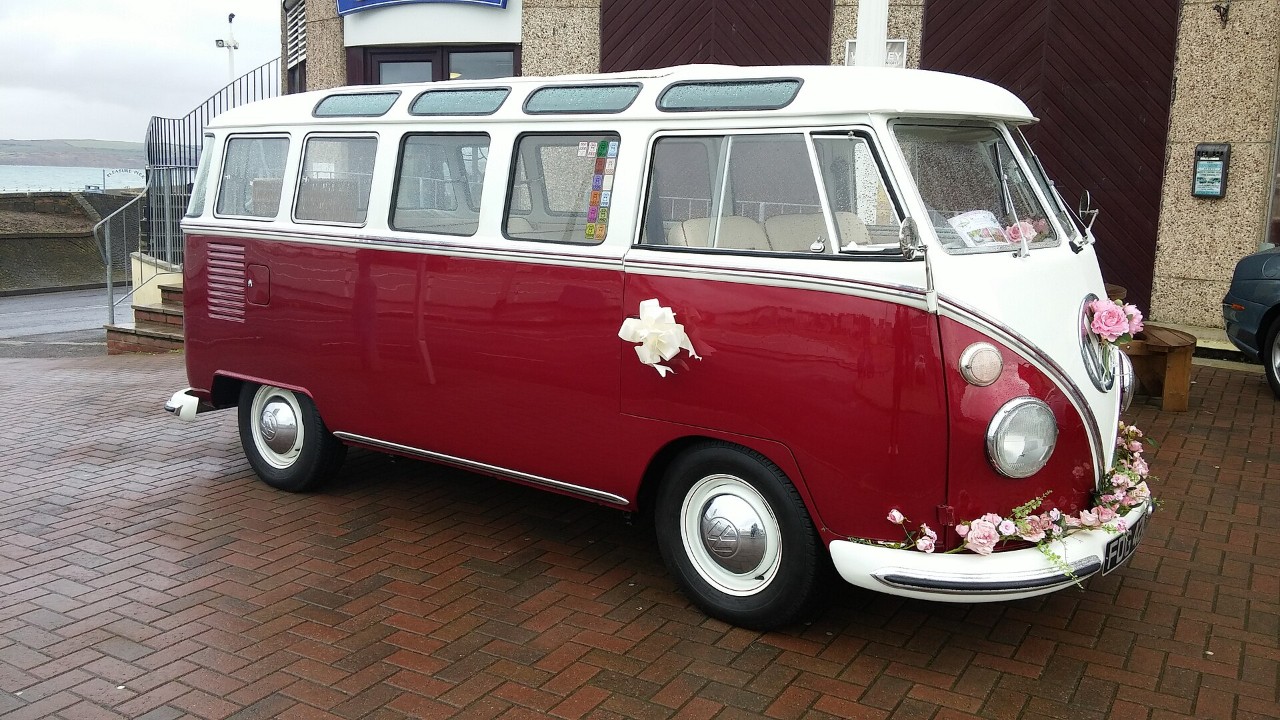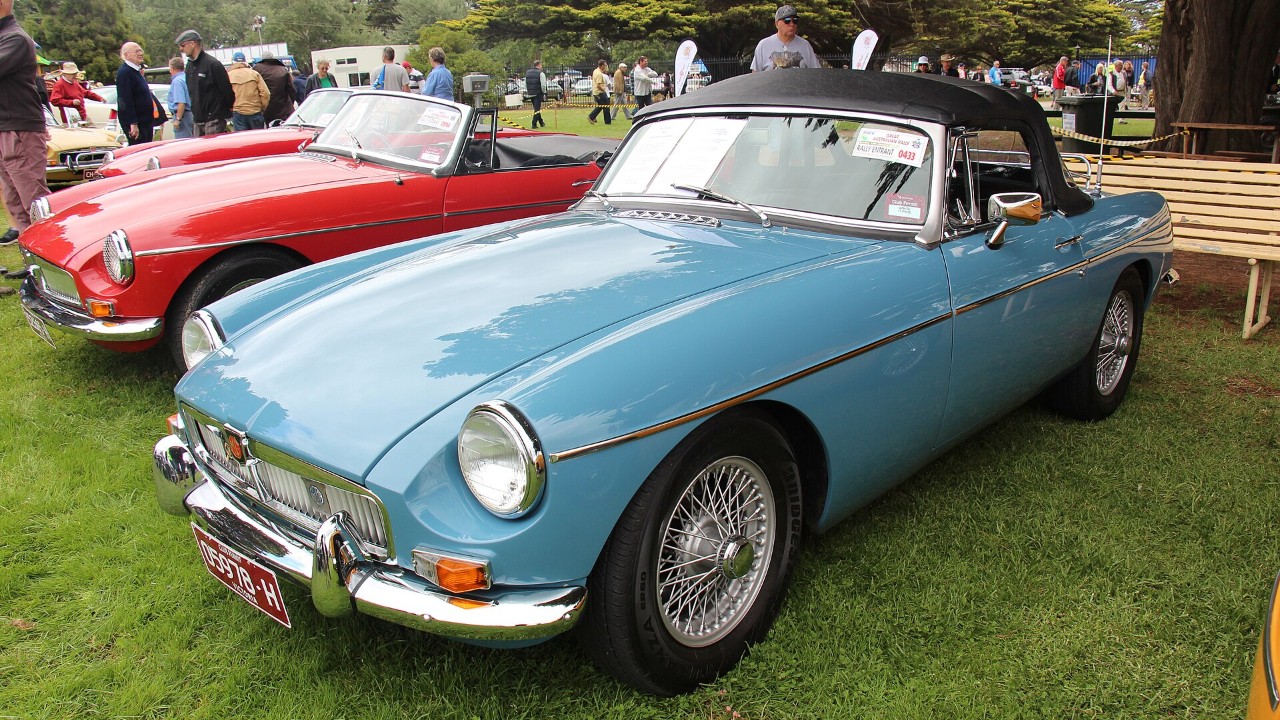
MG announced the MGB roadster on 19 September 1962, and the MGB family went on to reach 523,836 cars. That kind of number turns a sports car into a shared memory. Whole generations of drivers learned what a light, open two-seater felt like in one.
Other cars did the same job for other decades and other countries. Some taught British kids to love wind in their hair, while some showed the world what Japan could build. A few gave Americans a reason to believe in a homegrown supercar again.
These are our picks for 10 sports cars that defined their generation. Choosing them is our opinion. However, the dates, engines and figures in each entry come from the record.
1. 1965 MGB Roadster
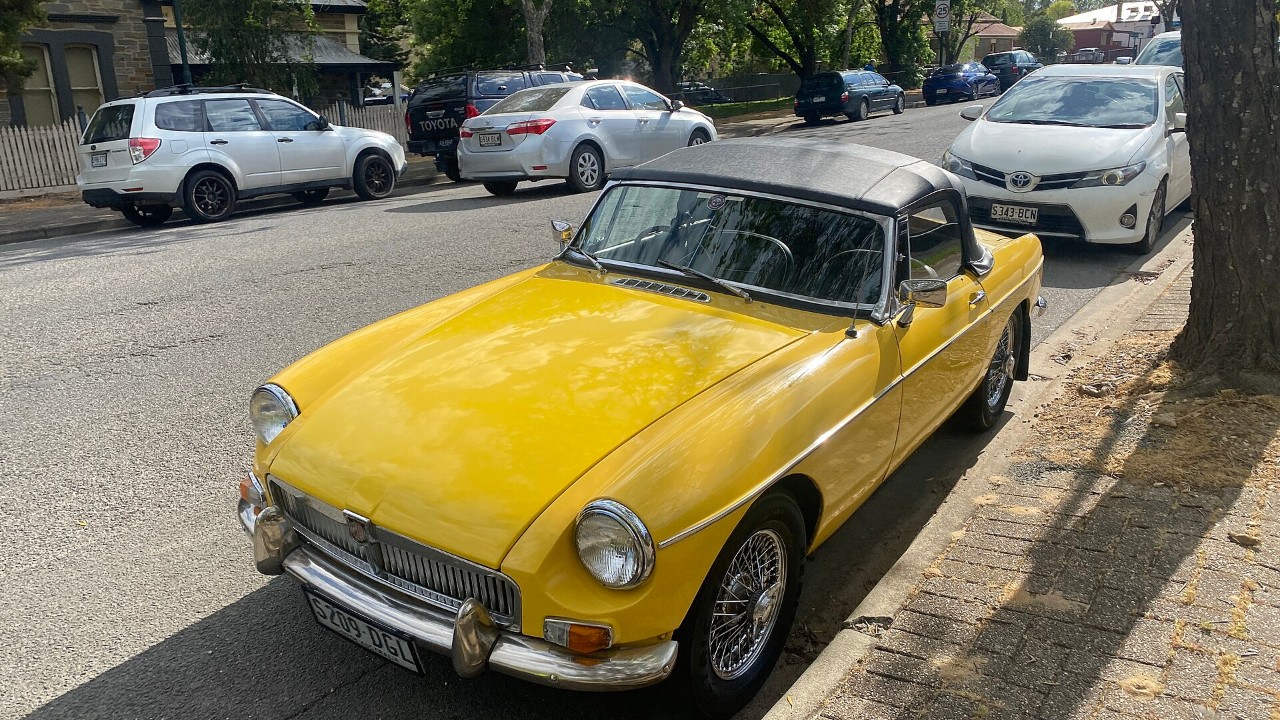
The MGB broke with MG tradition under the skin. Earlier MGs such as the MGA and the T-types used a separate body and frame. By contrast, the MGB used a unitary structure, built around a monocoque.
Power came from the 1,798 cc B-Series four. In its original three-bearing form, it made 95 horsepower at 5,400 rpm. That was not a huge figure. Still, in our view, it was plenty for a simple open two-seater on a back road. Then by the mid-1960s, MG had moved the engine to a five-bearing crankshaft.
In our view, the early MGB roadster is the purest version of the car, and the one that shaped a generation of weekend drivers. We covered its American story in our list of Austin-Healey and MG sports cars sold new in America. If you buy an MGB roadster, check the sills and floors first, because the structure carries the whole car.
2. Toyota Supra RZ (A80)
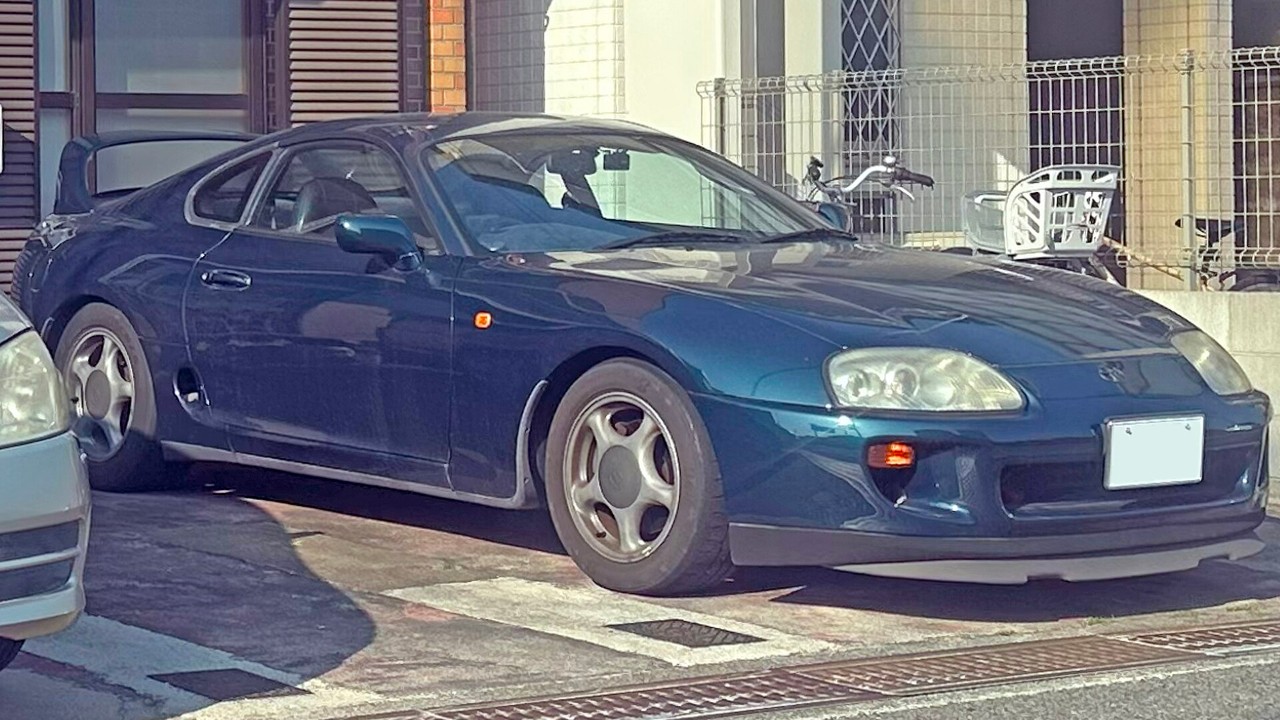
Toyota began mass production of the fourth-generation Supra in April 1993 and built it until August 2002. In Japan, the RZ was the high-end grade. After 1997, it came with standard 17-inch wheels and larger brakes.
The heart of it was the 2JZ-GTE inline-six. Its twin turbochargers worked in sequence rather than in parallel, and the Japanese rating was 280 PS with 431 Nm of torque. Turbo cars got a six-speed Getrag/Toyota V160 manual. Toyota also cut weight with aluminum parts, so the A80 was at least 200 pounds lighter than the car it replaced.
Our take: the A80 defined the 1990s tuner generation more than any other Japanese car, and the RZ is the Japanese-market version to want. Production in Japan ended in August 2002, when stricter emissions standards caught up with it.
3. 1959 Austin-Healey Sprite Mk1
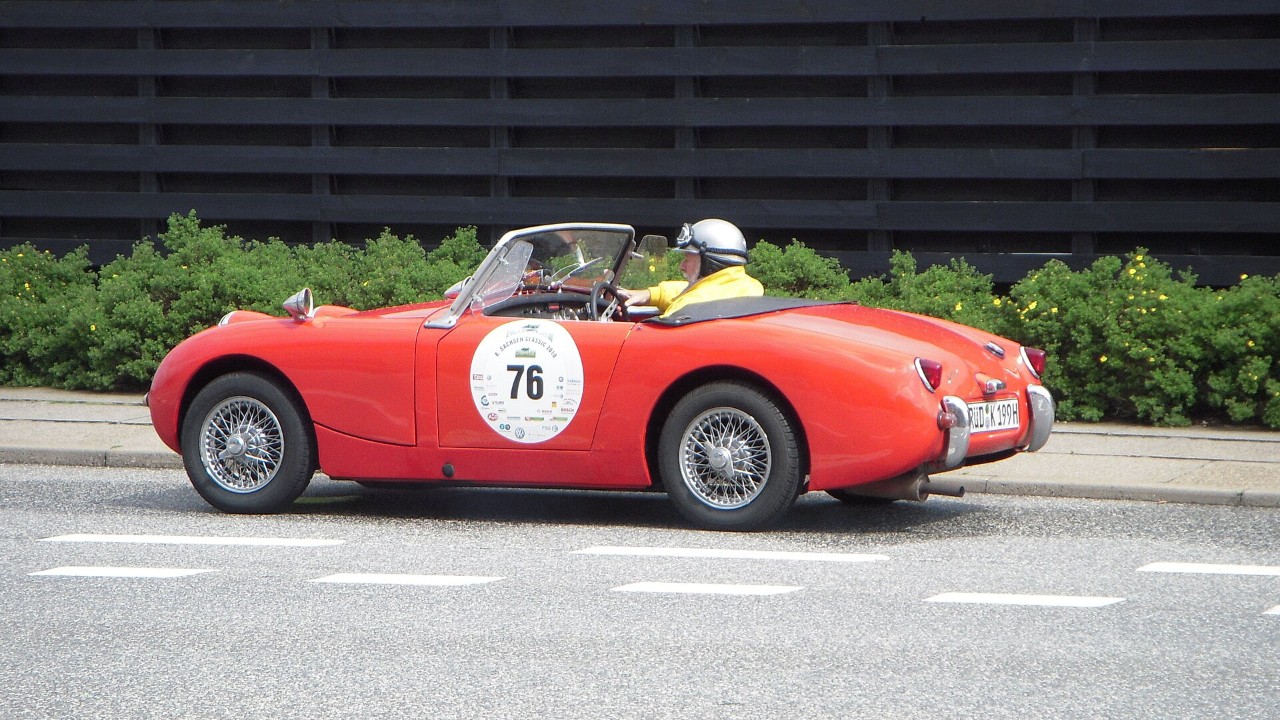
The Sprite was announced in Monte Carlo on 20 May 1958, two days after that year’s Monaco Grand Prix. It cost £669 at launch. For that money, buyers got a 948 cc A-Series four with twin SU carburetors, rated at 43 bhp.
Its look came partly from a cost cut. The headlamps were meant to retract, but BMC dropped the flip-up mechanism to save money. So the lamps stood upright on the hood, and the “Frogeye” nickname followed. There was no trunk lid either, so owners reached the spare wheel and luggage through the seat backs. MG’s Abingdon factory built 48,987 Frogeyes before the Mk II replaced it in 1961.
In our opinion, the Frogeye made sports-car ownership possible for young British drivers on a small budget. Today it costs more. Hagerty UK’s valuation tool put a Condition 2 car at £20,000 in 2022, and up to £27,100 for a Condition 1 example.
4. 1964 Lotus Elan S1
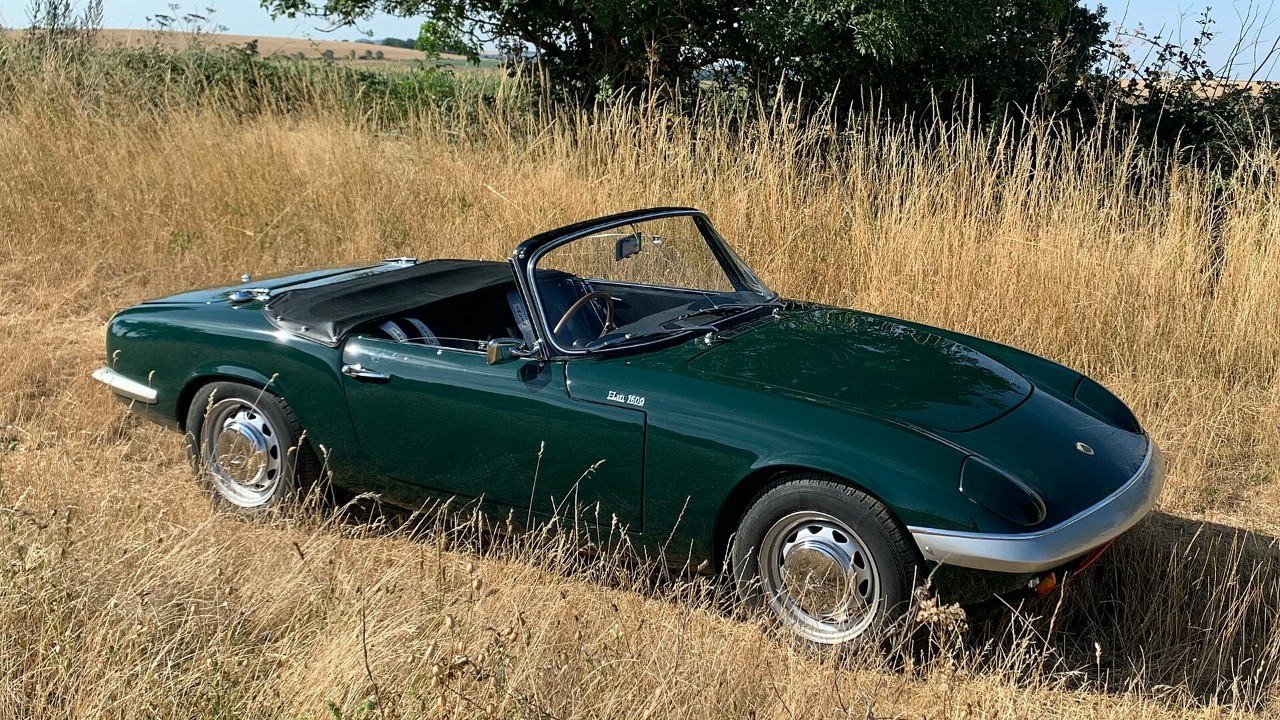
The Elan paired a steel backbone chassis with a fiberglass body. The body bolted to the chassis at 16 points. Up front sat a 1,558 cc twin-cam four based on Ford’s Kent engine, later known as the Lotus-Ford Twin Cam.
Lotus also sold the Elan as a kit in the UK, which let buyers avoid tax by assembling it themselves. The 1963 Motor price index listed the Elan 1500 at £1,317 complete or £1,095 as a kit. Production of the S1 was small. Authors Robinshaw and Ross estimate about 900 S1 cars, before the S2 took over in 1964.
Our take: the Elan defined how a small sports car should steer and ride for decades afterward. In fact, its influence reached Japan, since Mazda evaluated two Elans while designing the 1989 MX-5. If you find an S1, have the backbone chassis checked for corrosion before anything else.
5. Toyota MR2 (AW11)
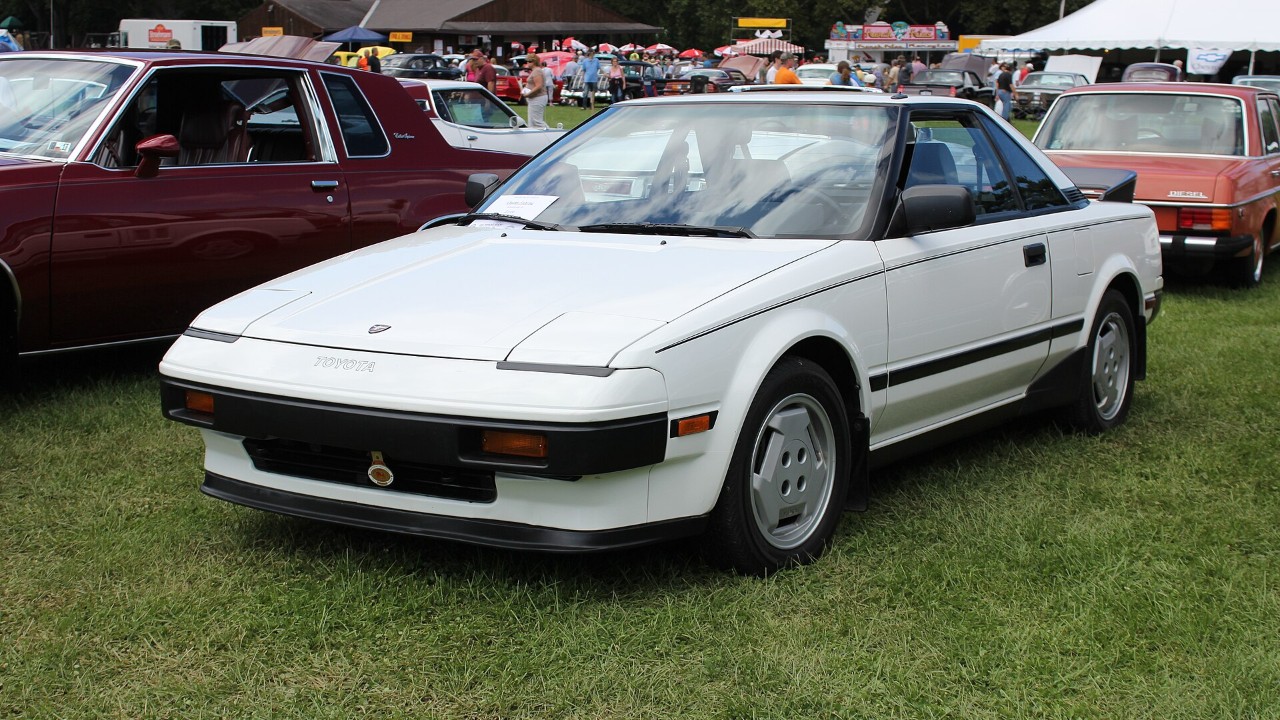
Toyota launched the MR2 in 1984 and put a small engine behind the seats of an affordable two-seater. It won the Car of the Year Japan award at its introduction. Later, Car and Driver put it on its Ten Best list for 1986 and 1987.
Evo lists the UK car at 122bhp at 6,600 rpm from its 1,587 cc 16-valve 4A-GE. It weighed 977 kg and cost £9,295 new. The same review notes that a long-told story about Lotus helping with the chassis is disputed, since evo found no evidence of it. Toyota later added a supercharged 4A-GZE with 145 horsepower, in Japan from 1986 and in the U.S. from 1988.
We think the AW11 defined the 1980s for drivers who wanted mid-engine balance without exotic-car bills. Evo calls its chassis “pliant yet poised,” which sums up its appeal. If you buy one, start with a thorough rust check.
6. 1966 Honda S800
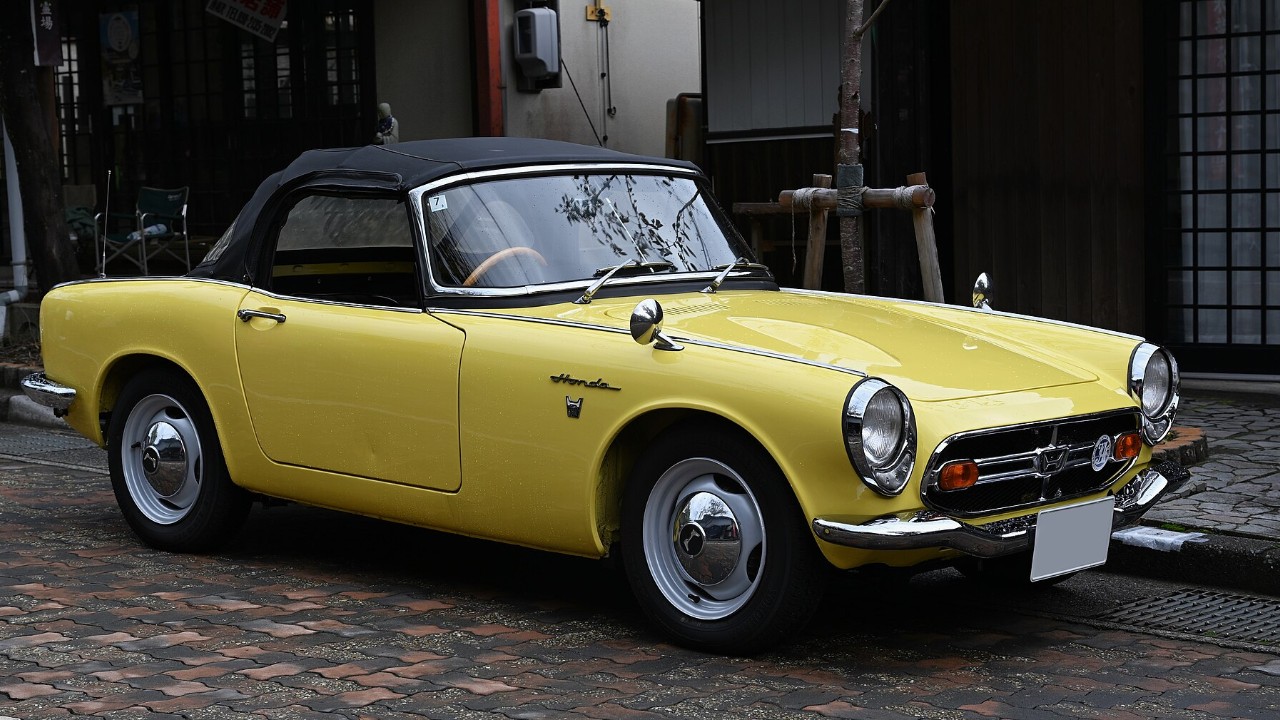
The S800 grew out of the S500 and S600, and it turned Honda’s motorcycle know-how into a road car. Its 791 cc four had double overhead cams and four carburetors. It made 70 horsepower at 8,000 rpm and could rev to 8,500.
Early cars sent power to the rear wheels through a chain final drive. Later cars switched to a live axle and driveshaft. Honda built 11,536 S800s from 1966 to 1970, and only 752 roadsters and 242 coupes used the early chain-drive layout. According to Silodrome, top speed was just over 100 mph.
Our take: the S800 defined Japan’s first generation of true sports cars, and it proved Honda could build something more than motorcycles and mini trucks. It is also the perfect car for anyone who loves a high-revving engine. Silodrome says good examples typically sell for around $20,000.
7. 1971 Nissan Fairlady Z432
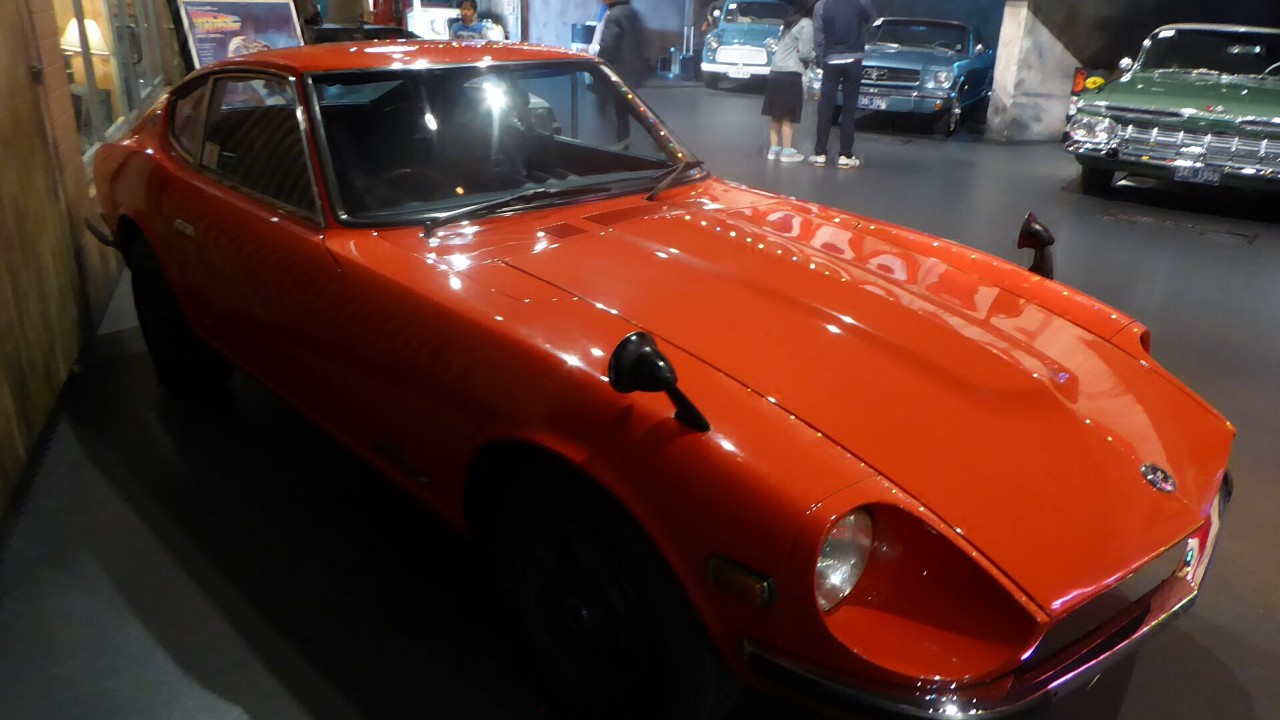
Most Americans know the S30 as the Datsun 240Z. In Japan, however, Nissan sold it as the Fairlady Z, and the top model was the Z432. It used the S20 twin-cam 2.0-liter six, the same engine as the Skyline GT-R, rated at 160 PS.
The name explains the engine. It stands for 4 valves per cylinder, 3 Mikuni carburetors and 2 camshafts. Nissan built only about 420 of them, and some went to Japanese police. Meanwhile, the even lighter Z432R homologation special numbered fewer than 50 cars.
In our view, the Z432 is the Japanese-market car that shows what the S30 could be at its most serious. The Z line itself was conceived by Yutaka Katayama, then president of Nissan’s U.S. arm, and it defined the Japanese sports car for a whole generation abroad. We traced the full family in our list of Z cars Datsun and Nissan sold.
8. 1990 Nissan 300ZX Turbo
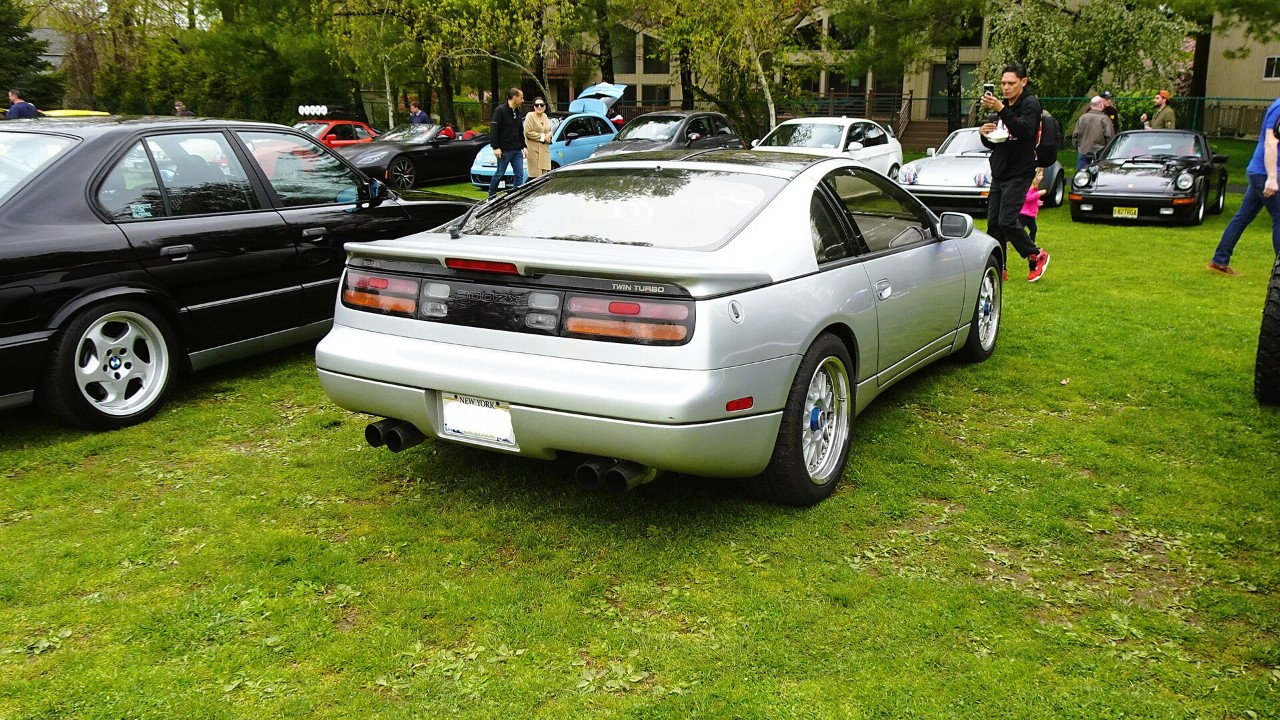
Nissan used a Cray-2 supercomputer and CAD software to design the Z32 300ZX, and production began in February 1989. The Turbo’s VG30DETT twin-turbo V6 made 300 bhp at 6,400 rpm and 283 lb-ft of torque at 3,600 rpm. It also had four-wheel steering called Super HICAS.
The awards came quickly. Motor Trend named it the 1990 Import Car of the Year. Then Car and Driver placed the Z32 on its Ten Best list for seven straight years. Nissan even advertised the Twin Turbo during Super Bowl XXIV in 1990, although it pulled the commercial after a single airing.
Our take: the 300ZX Turbo defined the high-tech Japanese sports car of the early 1990s. When it launched in 1989, the 300ZX cost around $30,000.
9. Nissan S13 Silvia K’s
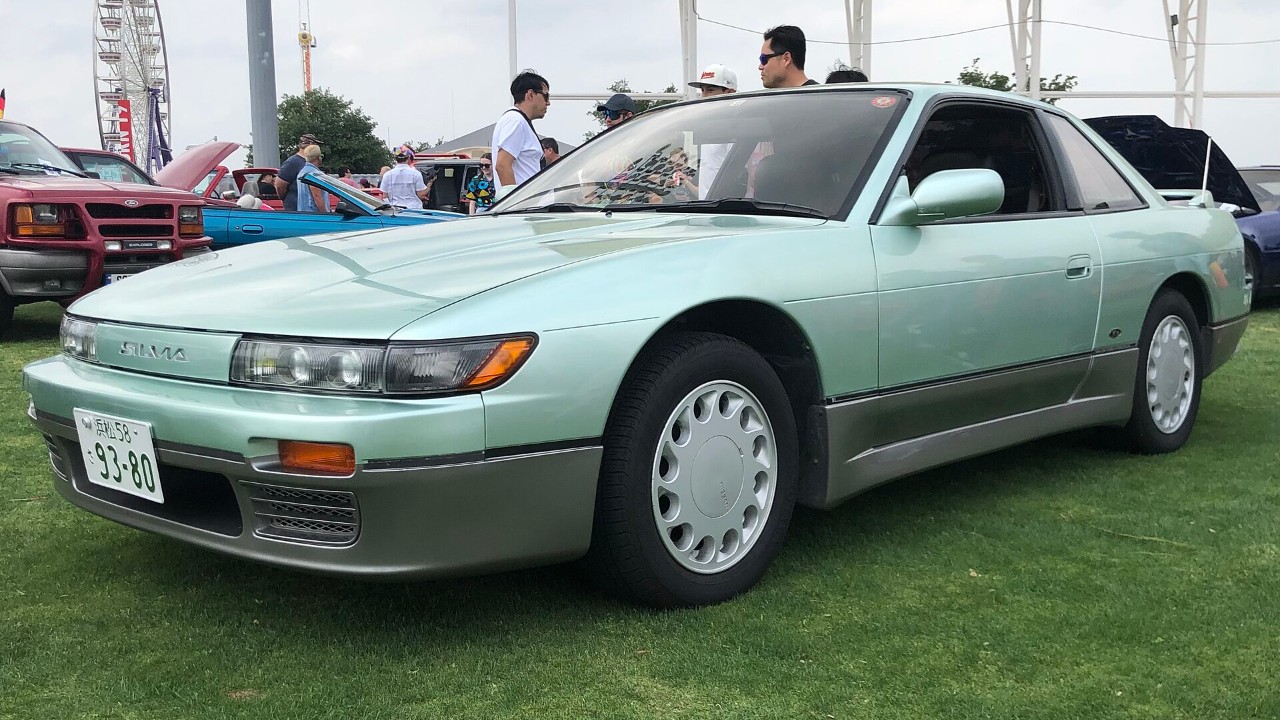
Nissan named its S13 Silvia grades after playing-card face cards, and the K’s was the turbo model. Early cars used the CA18DET 1.8-liter turbo, rated at 175 PS. From January 1991, the K’s got the SR20DET 2.0-liter turbo with 205 PS.
The S13 won the 1988 Car of the Year Japan award in its first year of production. Nissan built the coupe from 1988 to 1993, and it became popular in its home market. Because it was rear-wheel drive and turbocharged, it later became a favorite drift car, along with the S14 and S15 that followed.
We think the S13 K’s defined the drift generation the way the MGB roadster defined the British open-car crowd. Finding an unmodified one is the hard part today. If you do, keep it stock, because in our view an original car is the one worth owning.
10. 1992–1995 Dodge Viper RT/10
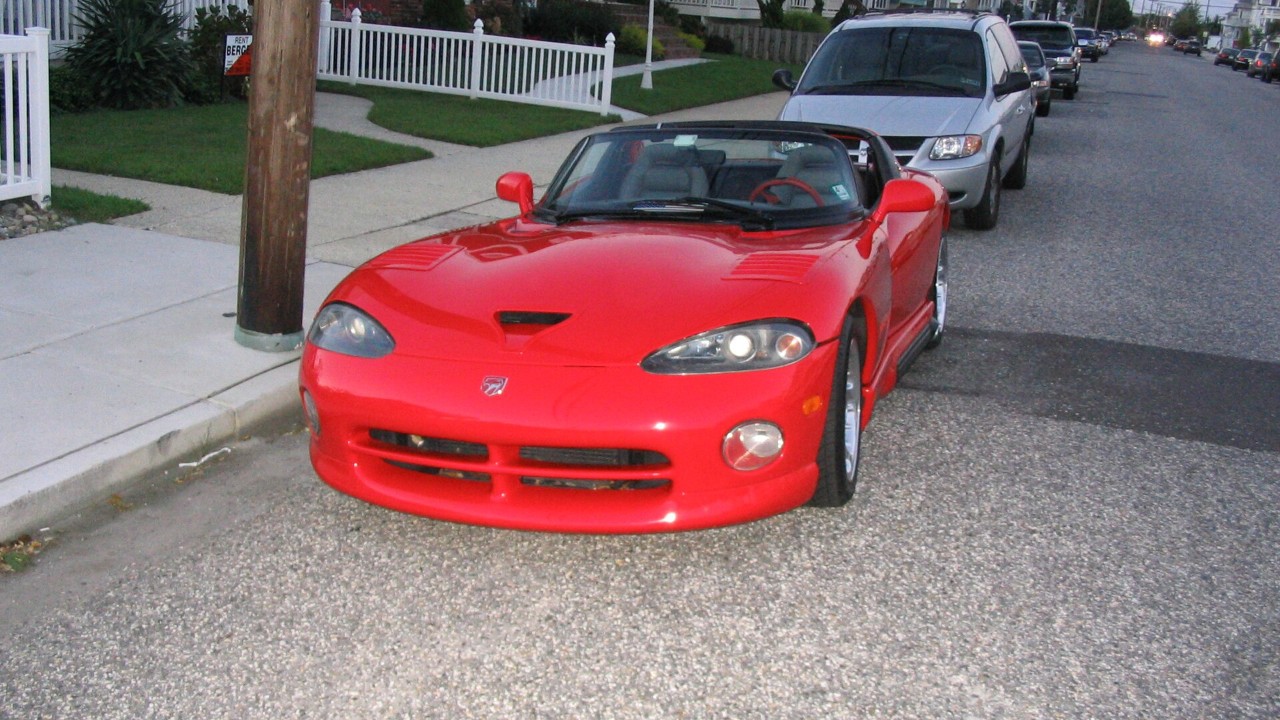
The Viper first appeared as a concept at the 1989 North American International Auto Show. Two pre-production cars paced the 1991 Indianapolis 500, and the production car followed for 1992. Its 8.0-liter V10 made 400 horsepower and 465 lb-ft of torque.
Lamborghini, then a Chrysler subsidiary, cast a prototype aluminum block and helped design the V10, which was based on Chrysler’s LA V8. The rest of the car was just as raw. It had no exterior door handles or key cylinders, and its vinyl side windows opened with a zipper. We tracked each later version in our guide to every Viper generation and its V10 output.
Our take: the RT/10 defined a generation of American performance by ignoring comfort completely. In our opinion, it is a car for experienced drivers only. When it went on sale, the Viper RT/10 cost $52,000.
More from Fast Lane Only