In the quest to create more efficient and sustainable urban transportation, microcars have emerged as a unique solution. These compact vehicles, designed for short trips and dense city environments, have periodically gained attention for their potential to revolutionize the way we move. Several microcars have made significant attempts to reshape the landscape of personal transportation.
The Rise of Microcars in the Automotive Industry
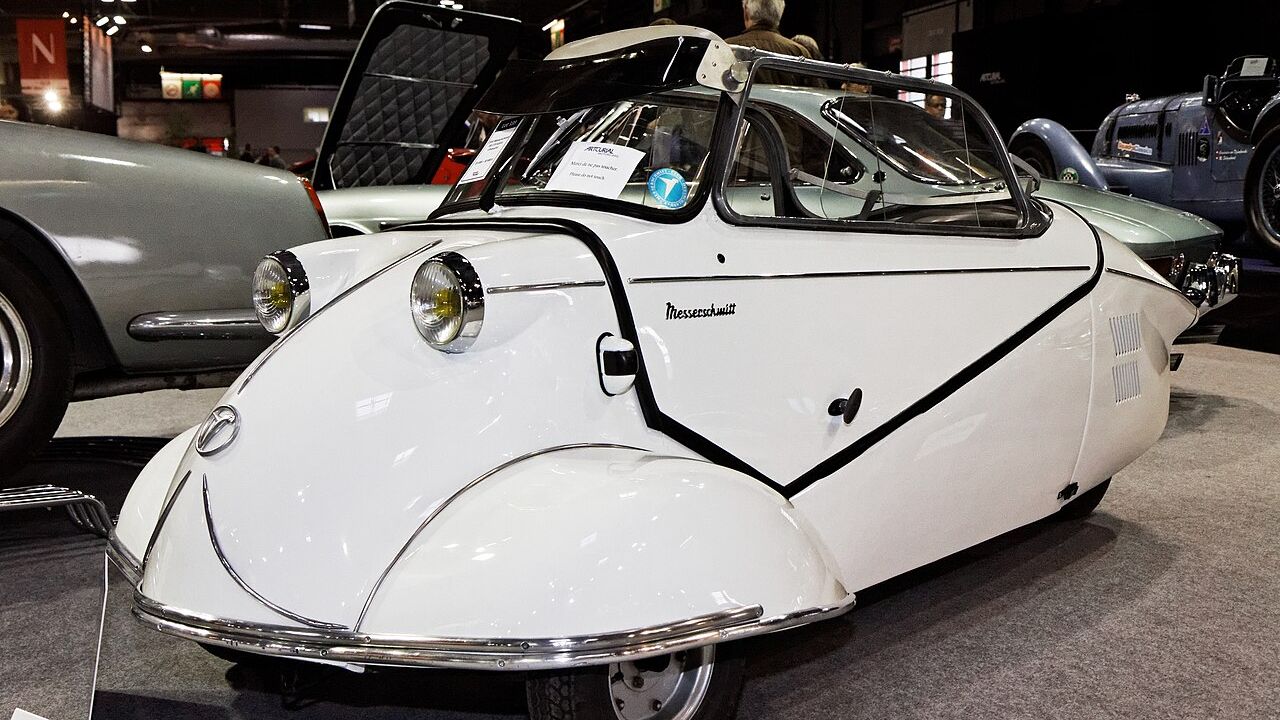
The concept of microcars gained traction in post-war Europe, where the need for affordable and efficient transportation was paramount. During this period, economic constraints and material shortages prompted a shift towards smaller, more economical vehicles. Microcars, characterized by their compact size, minimal engine capacity, and focus on short-distance travel, emerged as a practical solution for many. These vehicles typically featured engines with a capacity of less than 700cc, making them ideal for navigating the narrow streets and limited parking spaces of European cities.
Microcars appeal to urban dwellers due to their ease of parking and maneuverability. In densely populated areas, where space is at a premium, the ability to park in tight spots and navigate through traffic with ease is invaluable. This practicality, combined with lower operating costs, has made microcars an attractive option for city residents looking to reduce their carbon footprint and transportation expenses. As cities continue to grow and traffic congestion worsens, the demand for such efficient vehicles is likely to increase.
Notable Microcar Models and Their Impact
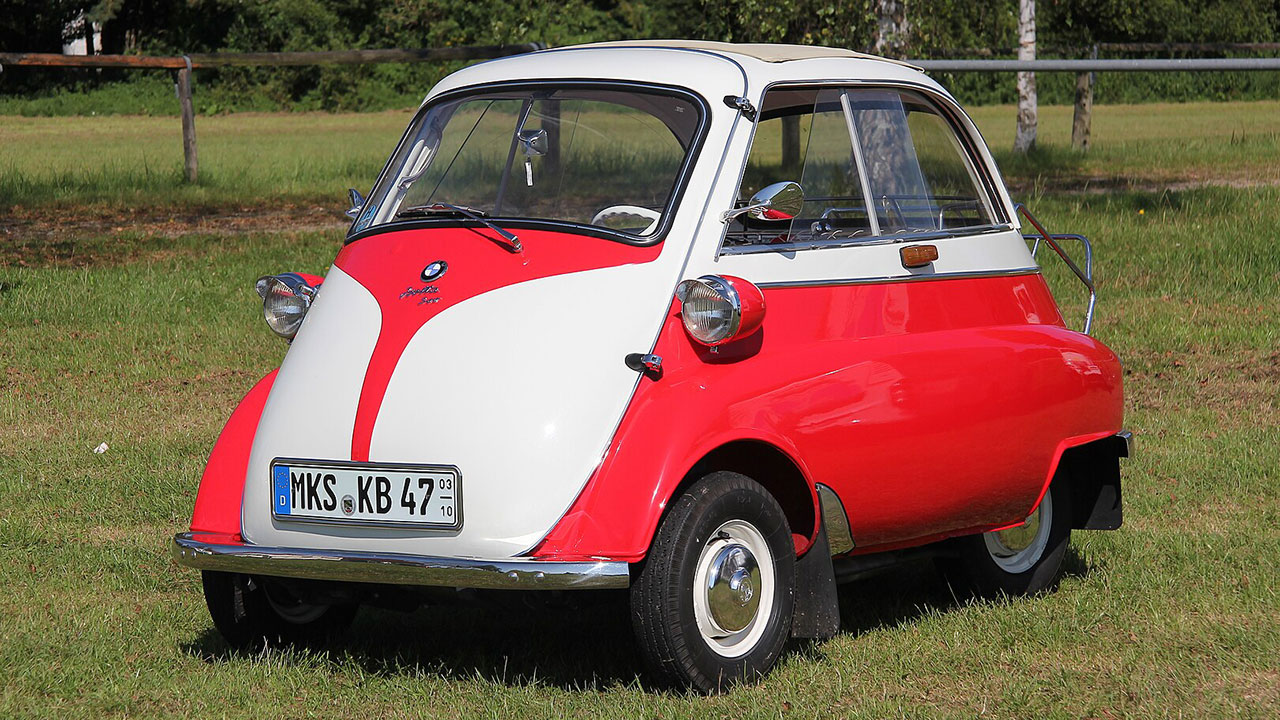
The BMW Isetta stands out as an icon of microcar design, influencing automotive culture significantly. Originally designed by the Italian company Iso SpA, the Isetta was licensed to BMW, which made several modifications to suit the German market. Its unique bubble-like shape and front-opening door made it instantly recognizable. The Isetta’s success helped establish BMW as a major player in the automotive industry, and its design has inspired numerous other microcars over the years.
Another notable microcar is the Peel P50, recognized by the Guinness World Records as the smallest car ever produced. Manufactured on the Isle of Man in the early 1960s, the Peel P50 was designed as a city car, capable of accommodating a single passenger and a shopping bag. Despite its diminutive size, the P50 has left a lasting legacy in microcar lore, symbolizing the extreme end of compact vehicle design. Its enduring appeal is evident in the continued interest and occasional modern reproductions.
The Smart Fortwo represents a modern take on microcar utility, playing a significant role in the revival of compact cars. Introduced in the late 1990s, the Smart Fortwo was designed to offer maximum efficiency in urban environments. Its compact dimensions and innovative design have made it a popular choice for city dwellers worldwide. The Fortwo’s success has demonstrated the viability of microcars in contemporary markets, encouraging other manufacturers to explore similar concepts.
Challenges Faced by Microcars

Despite their advantages, microcars face several challenges that have hindered widespread adoption. Safety concerns are a primary issue, as the small size of these vehicles often compromises passenger protection. Manufacturers must balance the need for compactness with the inclusion of safety features, such as airbags and crumple zones, to ensure occupant safety. This balancing act can be difficult, as adding safety features often increases the vehicle’s weight and cost, potentially reducing its appeal.
Market acceptance is another significant challenge for microcars. Consumer preferences and cultural perceptions play a crucial role in determining the success of these vehicles. In many regions, larger cars are associated with status and safety, making it difficult for microcars to gain traction. Additionally, the limited range, speed, and comfort of microcars compared to conventional vehicles can deter potential buyers who prioritize performance and convenience.
Technological limitations also pose challenges for microcars. While advancements in electric vehicle technology have improved the range and efficiency of microcars, they still lag behind larger vehicles in terms of speed and comfort. As technology continues to evolve, manufacturers must find ways to enhance the performance of microcars without compromising their inherent advantages.
Innovations and Technological Advancements in Microcars

Recent innovations in electric microcars have shifted the focus towards sustainability and reduced carbon footprints. Electric powertrains offer a cleaner alternative to traditional internal combustion engines, making microcars an attractive option for environmentally conscious consumers. Models like the Renault Twizy and the Citroën Ami exemplify this trend, offering zero-emission transportation solutions for urban environments.
Autonomous features are also being integrated into microcar design, enhancing their appeal and functionality. The incorporation of cutting-edge technology, such as advanced driver-assistance systems (ADAS) and connectivity features, allows microcars to offer a safer and more convenient driving experience. These advancements position microcars as viable options for future urban mobility solutions, particularly in smart city infrastructures.
Looking ahead, microcars could play a crucial role in the development of smart cities. As urban areas become more interconnected, microcars could serve as essential components of a broader transportation network, complementing public transit systems and providing last-mile connectivity. This integration could help reduce traffic congestion and emissions, contributing to more sustainable urban environments.
The Future of Microcars in Urban Mobility
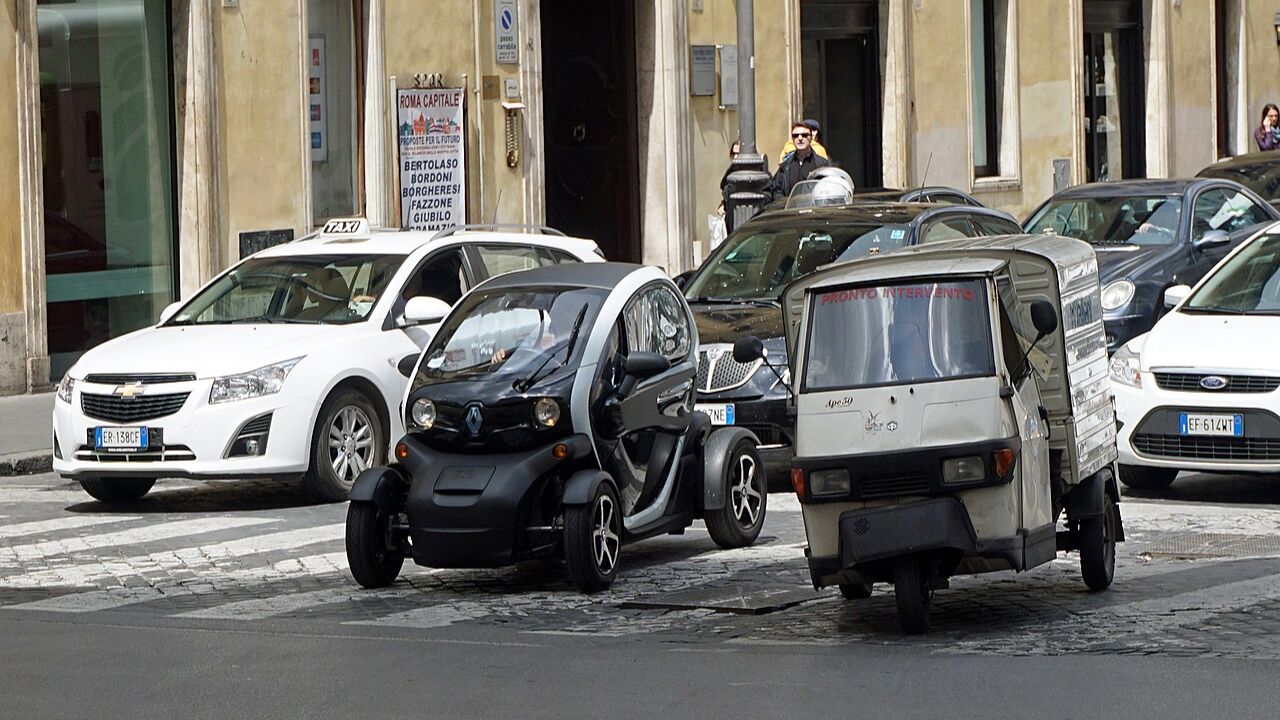
Microcars have the potential to significantly reduce traffic congestion and emissions in urban areas. Their compact size allows for more efficient use of road space, while their low emissions contribute to cleaner air. As cities continue to grapple with the challenges of population growth and environmental sustainability, microcars could become an integral part of urban mobility solutions.
Integration with public transport systems is another promising avenue for microcars. By serving as a last-mile solution, microcars can complement existing transit networks, providing seamless connectivity for commuters. This approach not only enhances the efficiency of public transportation but also encourages the use of sustainable modes of travel, reducing reliance on private cars.
The evolving landscape of urban mobility presents opportunities for microcars to thrive. As policymakers and urban planners seek to address the challenges of congestion and pollution, supportive policies and infrastructure investments could facilitate the adoption of microcars. By embracing these compact vehicles, cities can move towards a more sustainable and efficient transportation future.
Like Fast Lane Only’s content? Be sure to follow us.
Here’s more from us:
*Created with AI assistance and editor review.