The organizers of a Nebraska car show have ignited a national debate inside the enthusiast community by barring Nissan and Infiniti models equipped with the brand’s VQ-series engines after repeated noise complaints. What might sound like a hyperlocal dispute over loud exhausts is rapidly turning into a test case for how small events handle performance culture, neighborhood pressure, and the gray area between legal sound limits and social tolerance.
More than one weekend meet-up is at stake. The decision highlights a growing split between enthusiasts who see exhaust noise as part of car culture and residents who increasingly treat it as a quality-of-life issue, especially in smaller cities where ordinances and event rules are being rewritten on the fly.
What happened
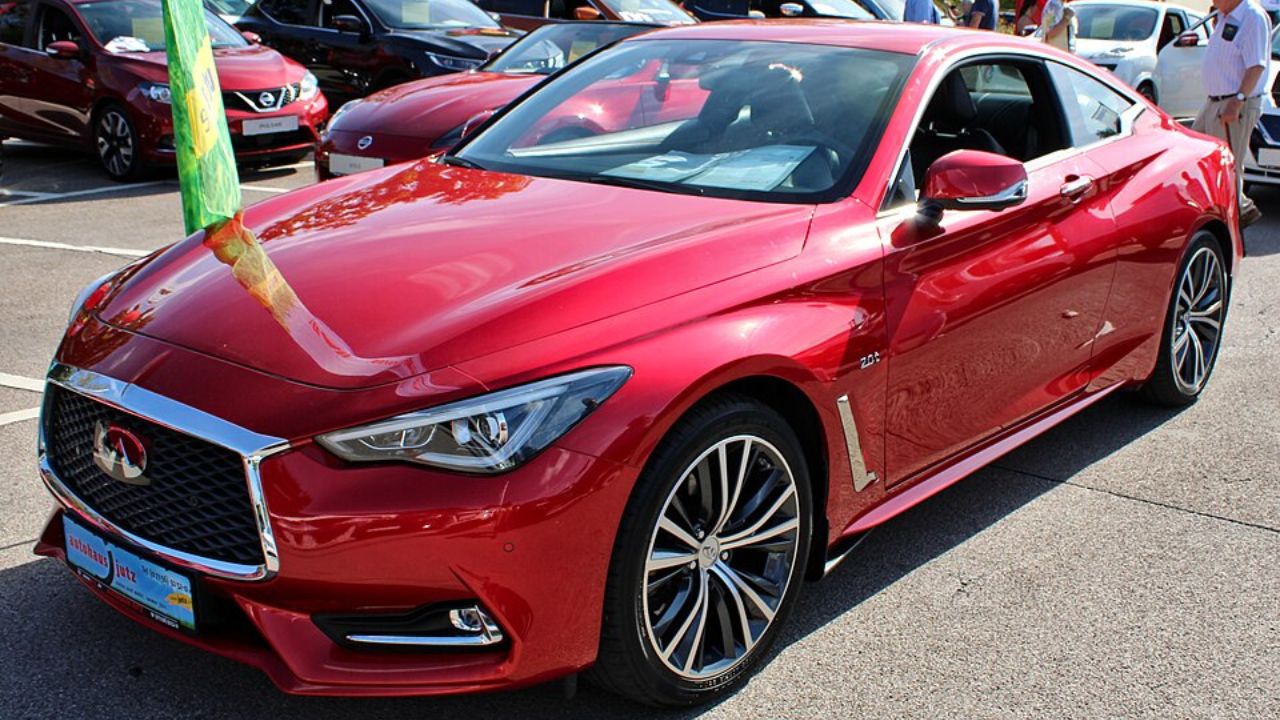
According to the event’s public announcement, the Nebraska show’s organizers decided to prohibit all Nissan and Infiniti vehicles powered by VQ-series engines after a series of complaints about disruptive exhaust noise from previous gatherings. The ban applies broadly to popular models such as the Nissan 350Z, 370Z, and Infiniti G35 and G37, regardless of whether a car has a stock exhaust or aftermarket modifications. Unverified based on available sources.
Organizers framed the move as a targeted response to recurring problems rather than a blanket attack on Japanese performance cars. In their explanation, they pointed to prior years when VQ-powered cars were repeatedly cited for revving, aggressive acceleration near the venue, and exhaust setups that, while sometimes technically legal, were far louder than anything else on site. Unverified based on available sources.
Local residents had complained to both the event staff and city officials that the sound from some of these cars carried well beyond the show grounds and into nearby neighborhoods. Some reported that the noise continued as attendees left the event, with late-night pulls on surrounding roads turning what was billed as a family-friendly show into a source of weekend disruption. Unverified based on available sources.
Faced with the prospect of stricter oversight from the city and potential limits on future permits, the organizers opted for a preemptive ban on the engine family they believed was most associated with the problem. They argued that the VQ crowd had developed a reputation for loud, rasp-heavy exhaust builds that were harder to control through case-by-case enforcement. Unverified based on available sources.
The decision immediately sparked backlash online. Owners of stock or lightly modified VQ cars argued that they were being punished for the behavior of a small group that chased maximum volume at any cost. Some pointed out that plenty of other platforms, from Subaru WRX models to straight-piped pickup trucks, can be just as loud, yet only one engine family was singled out. Unverified based on available sources.
Others, including some local residents and a portion of the broader car community, defended the organizers. They argued that the show had to protect its relationship with the city and that a targeted ban, however blunt, was preferable to losing the event entirely. In their view, the VQ scene had been given multiple chances to rein in the noise and failed to do so. Unverified based on available sources.
The controversy has not, based on available information, triggered legal action. The show is a private event, and organizers are within their rights to set entry criteria, including restrictions on specific engines or modifications. The real fight is reputational: whether this Nebraska meet becomes a model that other events copy or a cautionary tale about overcorrecting in response to a vocal minority of complaints.
Why it matters
On its face, one regional show banning a subset of Nissan and Infiniti models might seem like a niche squabble. In practice, it taps into a much broader conflict over automotive noise, local regulation, and the future of enthusiast gatherings.
Across the United States, communities have been wrestling with how to handle loud vehicles, especially as performance exhaust systems and crackle-tune engine maps have become more common. Some states have turned to stricter enforcement of existing sound limits or, in a few cases, to automated enforcement tools. Others have gone in the opposite direction, adopting laws that explicitly shield certain types of motorsport venues from noise lawsuits.
One example is a state-level statute that protects NASCAR tracks from noise-related legal challenges by nearby residents. That law effectively recognizes racetracks as long-standing, noise-intensive facilities and insulates them from some of the pressures that have closed or restricted other venues. It highlights how lawmakers sometimes choose to preserve motorsport culture, even when it clashes with neighborhood expectations.
Car shows and informal meets usually do not enjoy that kind of legal shield. They rely on permits, venue agreements, and a cooperative relationship with their host cities. If residents complain about noise or disruptive behavior, local officials can respond by tightening conditions, reducing event hours, or simply declining to approve future gatherings. Organizers, in turn, often adopt stricter rules than the law requires in order to keep their events alive.
The Nebraska show’s VQ ban fits that pattern. Instead of waiting for the city to impose sound meters or cap attendance, the organizers tried to self-regulate by excluding the engine family they saw as generating a disproportionate share of complaints. Whether that assessment is objectively accurate is almost beside the point. The move illustrates how event staff, not just lawmakers or police, are increasingly acting as gatekeepers for what kinds of car culture are welcome in shared public spaces.
For VQ owners, the stakes are obvious. The VQ35DE and VQ37VHR engines power some of the most accessible rear-wheel-drive performance cars of the past two decades. Models like the Nissan 350Z and Infiniti G35 became staples at track days, drift events, and show fields precisely because they offered strong aftermarket support and relatively affordable power. A reputation for loud, sometimes harsh-sounding exhaust builds is part of that history, but it has rarely translated into outright bans from mainstream events.
If more organizers follow Nebraska’s lead, VQ owners could find themselves shut out of a growing slice of the enthusiast calendar, even when their individual cars are quiet or fully legal. That prospect has already pushed some in the community to talk about adopting voluntary sound standards, encouraging resonated or dual-resonator setups, and discouraging the kind of open-header antics that draw the most attention. Unverified based on available sources.
The controversy also matters for what it says about selective enforcement. Singling out one engine family risks reinforcing stereotypes about certain brands or demographics. Critics of the ban argue that if noise is the problem, the rule should be written in terms of measurable sound levels, not badges or engine codes. They point out that a stock VQ-powered Infiniti G37 can be quieter at idle than a modified domestic V8 with cutouts, yet only one of those platforms is categorically barred. Unverified based on available sources.
From the organizers’ perspective, a sound-meter-based rule can be difficult to administer at scale. Measuring every car at the gate slows entry, requires equipment and staff, and can lead to arguments over readings. A platform-specific rule, while blunt, is simple to enforce: if it has a VQ, it stays home. That simplicity is part of what angers owners, who see it as a shortcut that trades fairness for convenience.
Beyond the immediate dispute, the situation in Nebraska feeds into a larger question about where car culture should live. As more tracks and dedicated venues close or face tighter restrictions, enthusiasts increasingly gather in mixed-use spaces: fairgrounds, downtown streets, and mall parking lots. Those spaces come with neighbors, and neighbors come with expectations about noise and behavior. Without the kind of statutory protection that some racetracks enjoy, car events in those settings are more vulnerable to political pressure.
That tension is not unique to Nebraska. Communities across the country have debated how to balance the economic and cultural benefits of automotive events with concerns about noise, traffic, and safety. Some cities have embraced structured, police-supported cruise nights and sanctioned meets. Others have cracked down on informal gatherings, especially when they blur into street takeovers or sideshows. The Nebraska VQ ban sits somewhere in the middle: an attempt to keep a show alive by pruning what the organizers see as its most problematic branch.
What to watch next
The Nebraska decision is unlikely to be the last word on how events handle noisy platforms. Several developments bear watching over the coming months as the fallout spreads through the enthusiast world.
First, other regional shows will decide whether to copy the VQ-specific approach or to refine it into more general noise policies. Some organizers are already discussing rules that set maximum sound levels at idle and under light throttle, enforced through spot checks at the gate. Others are considering tiered restrictions that target certain types of modifications, such as muffler deletes or straight pipes, rather than specific engines. Unverified based on available sources.
If those events manage to keep neighbors happy without singling out one platform, the Nebraska ban may start to look like an overreach. If cities instead respond positively to the VQ restriction and renew permits with fewer conditions, organizers elsewhere may see it as a pragmatic template. The outcome will depend heavily on how local officials interpret the move: as a sign of responsible self-policing or as an admission that car shows are inherently disruptive.
Second, watch how VQ owners themselves respond. Some may gravitate toward events that explicitly welcome all platforms, including more track-focused days where noise expectations are different and, in some cases, protected by law. Others may try to rehabilitate the platform’s image by organizing meets that emphasize quieter builds, respectful driving, and visible cooperation with local authorities. If those efforts succeed, they could blunt the narrative that VQ equals chaos. Unverified based on available sources.
Third, the Nebraska case may influence how cities write future event permits. Officials who see that organizers are willing to exclude specific platforms might start to request similar conditions as part of approval. That could extend beyond VQ engines to other groups that draw complaints, such as cars with burble tunes, lifted trucks with open exhausts, or motorcycles with non-compliant pipes. The result could be a patchwork of local rules that vary widely from one town to the next.
There is also the question of whether lawmakers will expand statutory protections for motorsport and enthusiast events, similar to the way some states shield racetracks from noise lawsuits. If car shows can demonstrate a clear economic benefit and a track record of responsible management, they might push for limited immunity from certain types of noise complaints. Any such effort would likely face stiff opposition from neighborhood groups that already feel overwhelmed by vehicle sound.
Finally, the Nebraska controversy may accelerate a cultural shift inside the car scene itself. For years, louder often meant better in certain corners of the community, especially among younger enthusiasts drawn to aggressive exhaust notes and attention-grabbing revs. As more events impose noise rules, the status symbol may start to move toward builds that combine performance with restraint. High-flow systems with resonators, active exhaust valves that keep things quiet in town, and tuning that avoids gratuitous pops and bangs could become more desirable than sheer volume.
More from Fast Lane Only