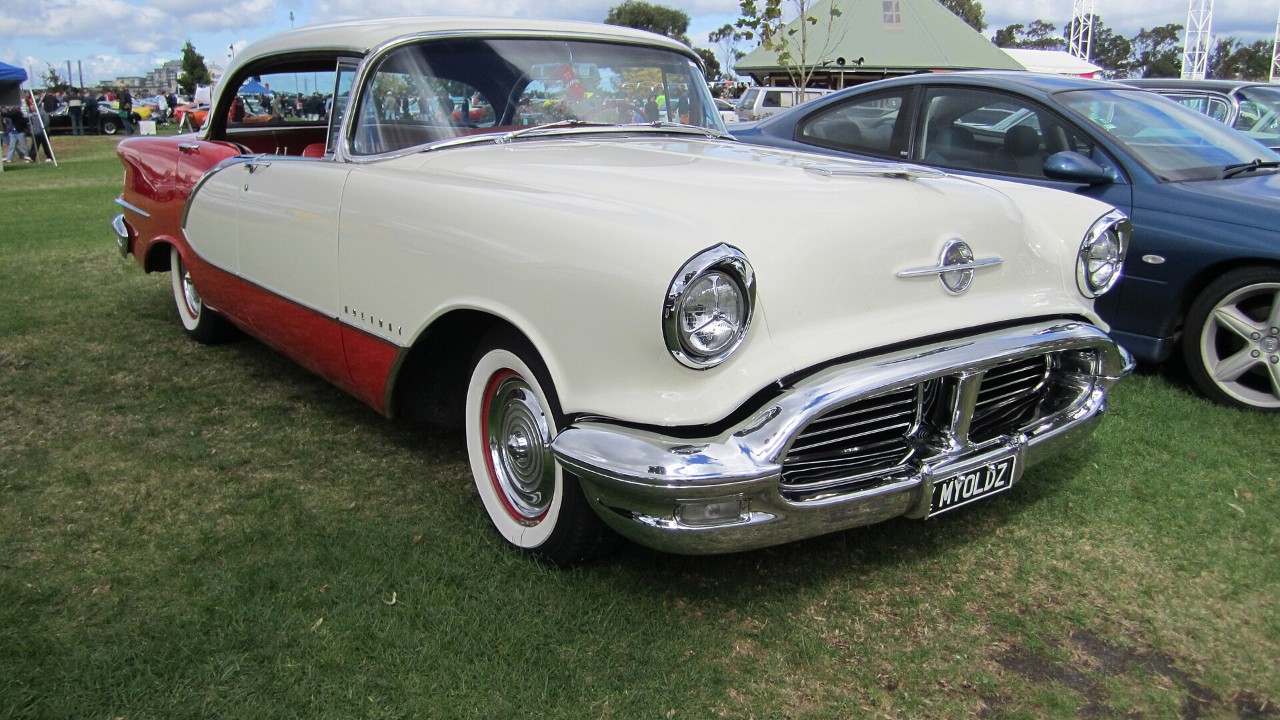
In 1949, General Motors put pillarless hardtops into mass production at Buick, Oldsmobile and Cadillac, and the Oldsmobile Holiday was one of them. A hardtop has a fixed steel roof but no center pillar between the side windows. Roll all the glass down and the car looks like a convertible with its top up.
After that, the idea spread fast. By 1955, GM was building four-door hardtops, and soon nearly every American maker had its own version, often with a special name. Chrome, tri-tone paint and that open side view made these cars the dressed-up choice in any showroom. The style faded later, and the last American pillarless hardtops came from Chrysler in 1978.
So these are our picks for 12 vintage hardtops that still stop traffic decades later. The picks and verdicts are our opinion. However, the years, engines, outputs and production numbers come from period sales figures, auction-house guides and model records we read for this list.
1. 1956 Oldsmobile 98 Holiday
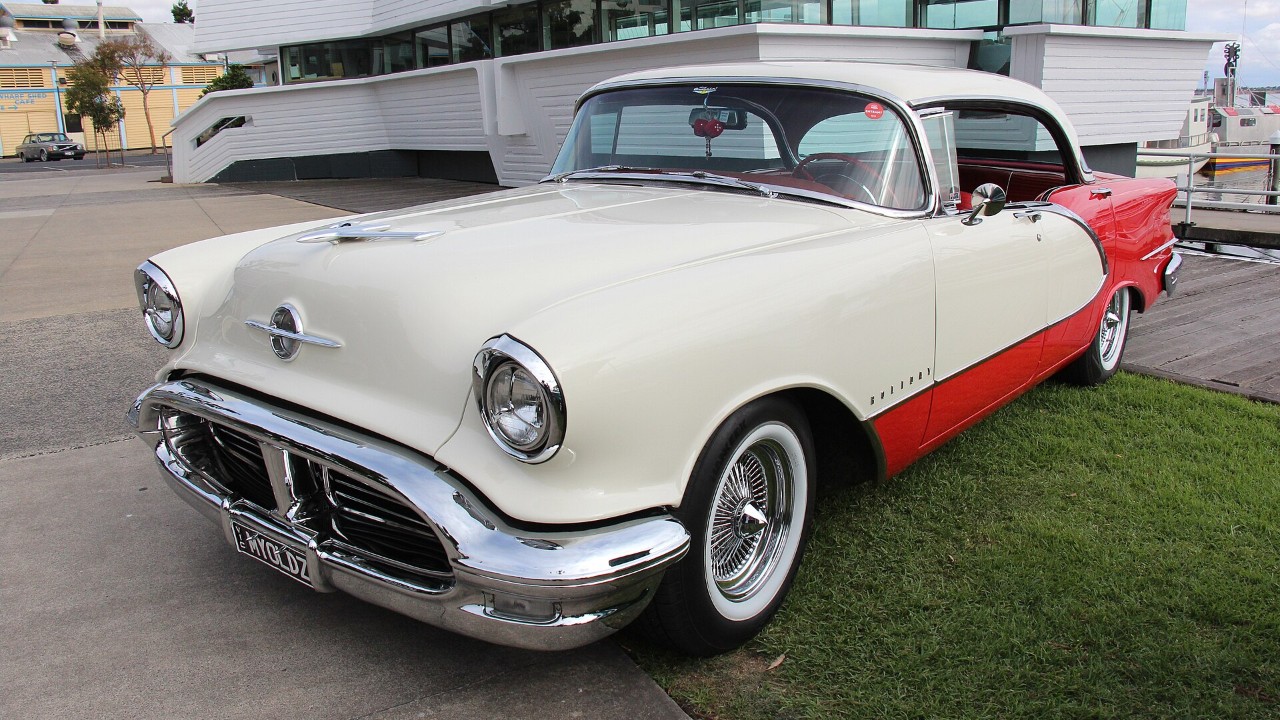
Oldsmobile used the Holiday name for its first hardtop, a 98 two-door that arrived in February 1949, several months into the model year. It sold 3,006 copies in that first season. Then, at mid-year 1955, Oldsmobile added a pillarless four-door Holiday Sedan to the 98 range.
GM’s four-door hardtops arrived as a group: this car, its 88 Holiday sibling and two Buicks. The 1955 98 used a 240 hp Rocket V8, shared with the Super 88, and Jetaway Hydramatic Drive came standard. Meanwhile, total 98 sales hit a record 118,626 that year.
The 1956 car shown here kept the four-door Holiday body and ran a 324-cubic-inch Rocket V8. It also stretched to 212.3 inches long, which gives it real presence in a parking lot. In our view, the four-door Oldsmobile Holiday is the most underrated hardtop of the decade. You get the open pillarless look with room for the whole family. Better yet, the 1956 styling wears its chrome with a little restraint, so it is a handsome way into 1950s GM style.
2. 1956 Pontiac Star Chief Custom Catalina
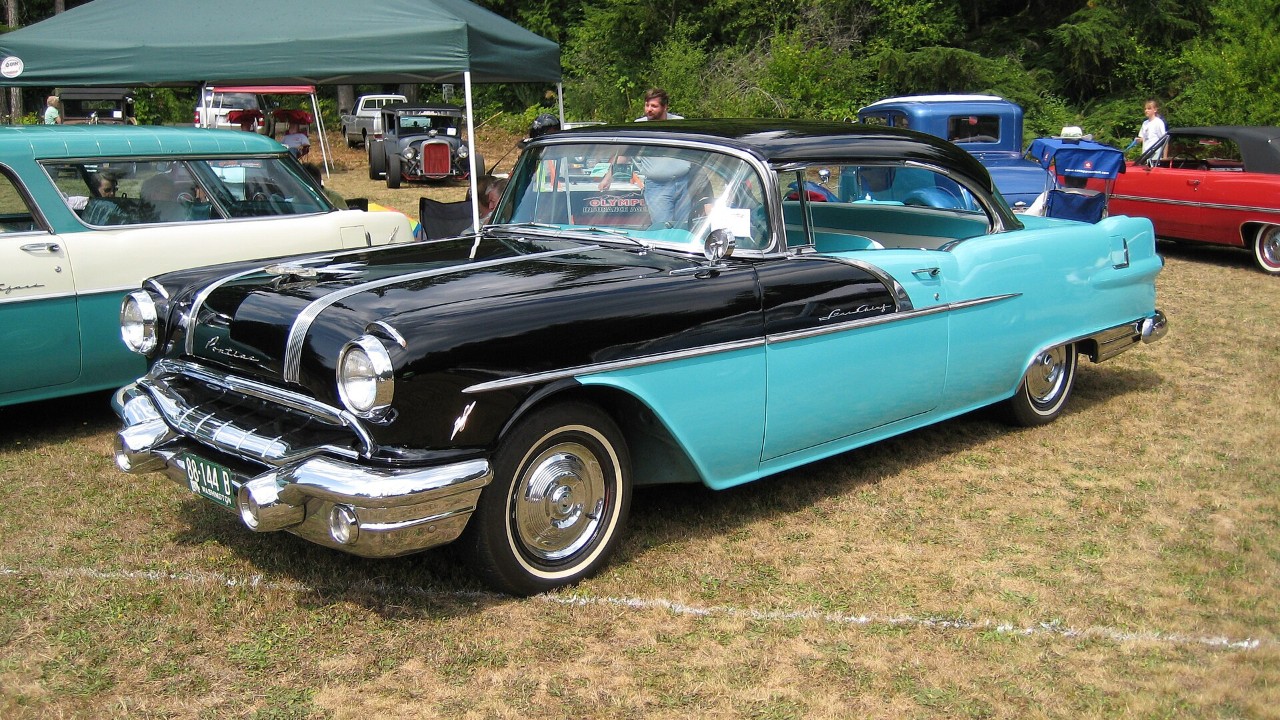
Pontiac’s hardtops wore the Catalina name, and the Star Chief Custom Catalina sat at the top of the range. The Star Chief itself ran from 1954 to 1966. From 1954, it rode on a 123.5-inch wheelbase, and that length shows in the long rear deck.
For 1956, Pontiac fitted a 316.6-cubic-inch V8. It also dressed the trunk lid with three chrome star markings, a fitting touch for a car named Star Chief. Besides, the model sold well. In fact, Pontiac had built 203,404 Star Chiefs the year before, in 1955. Those 1955 cars had worn two wide “Silver Streaks” on the hood, a Pontiac trademark the brand dropped for 1957.
Our take: the 1956 Star Chief Custom Catalina is the Pontiac to pick if you want peak 1950s chrome without stepping up to a Cadillac budget. The long wheelbase and pillarless roof give it a low, stretched look we love. If you see one with two-tone paint and the stars on the tail, take a moment to look. It is the kind of car that made the hardtop the dress-up choice of its decade.
3. 1958 Oldsmobile Super 88 Holiday
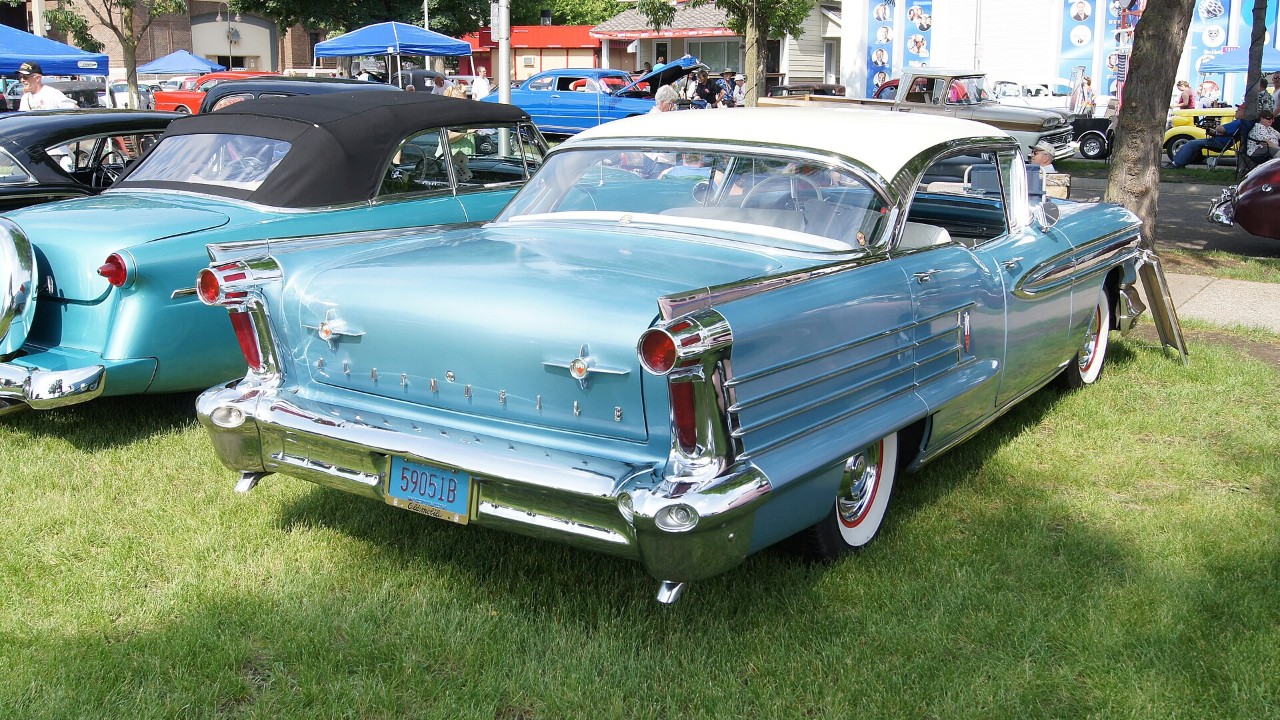
If 1956 was the year of the four-door hardtop, 1958 was the year of chrome. The 1958 Oldsmobile is known as the “ChromeMobile,” because of the heavy brightwork on the Super 88 and the 98. Oldsmobile itself advertised the styling as the “Mobile Look.”
Yet there was real power under all that trim. For 1958, Oldsmobile enlarged its Rocket V8 to 371 cubic inches. The Super 88 used a four-barrel version rated at 300 hp. Buyers who wanted more could order the J-2 option, with three two-barrel carburetors, which raised output to 310 hp.
The Super 88 came as both a two-door and a four-door Holiday hardtop. In addition, fixed-roof models had a three-piece “Twin-Strut Rear Window,” a detail you notice only up close. We think this Oldsmobile Holiday is the boldest car on the list, and we mean that as praise. It is loud in the best 1958 way. Even with sales down slightly that year, Oldsmobile rose to fourth place in the industry. If you want one, a J-2 car is the one to hunt for, but a clean four-barrel car delivers the full look.
4. 1957 Hudson Hornet Hollywood
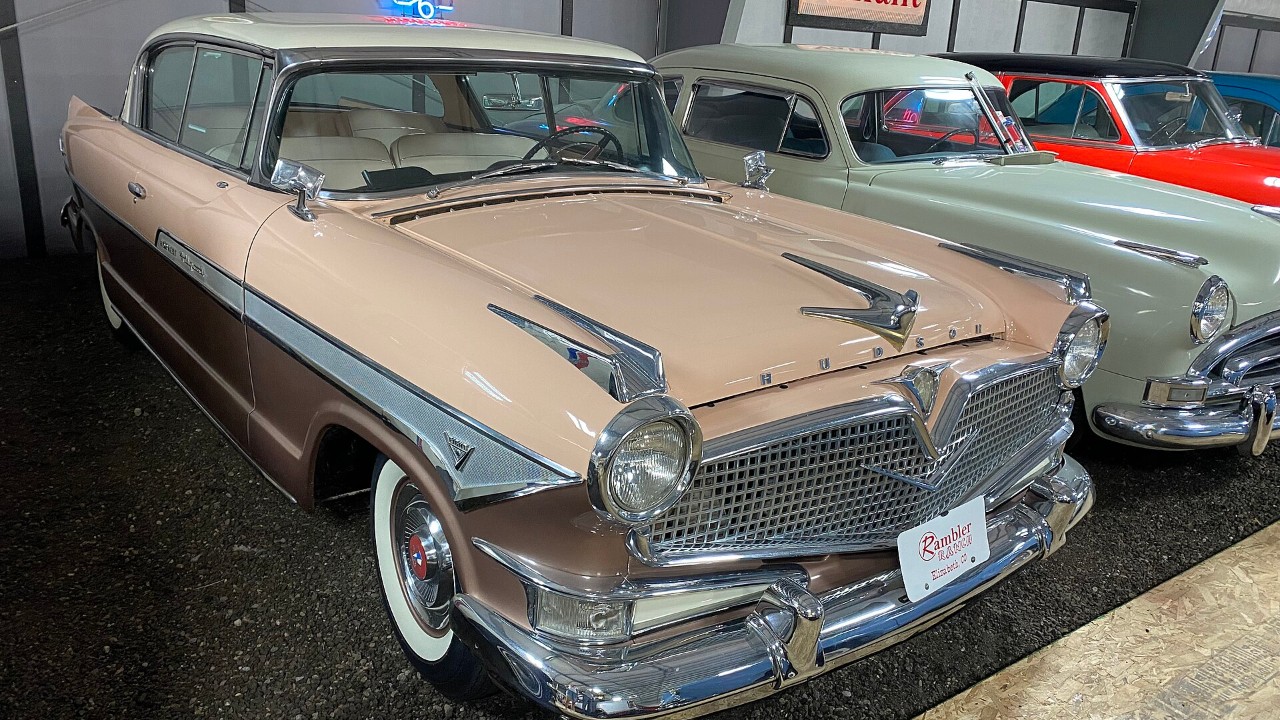
Hudson called its hardtops Hollywood, and 1957 was the last year for both the name and the brand. By then, Hudson was part of American Motors. From 1955, the Hornet rode on a Nash platform, and the Hornet was the only Hudson model left for 1957.
The styling was what designer Richard Arbib called “V-Line,” introduced for 1956 and carried into its second year. Under the hood, the 1957 Hornet used AMC’s 327-cubic-inch V8, rated at 255 hp, with a four-barrel carburetor and dual exhausts. That was a strong engine for a car that often wore tri-tone paint like the one shown here.
However, production was tiny. Hudson built 4,108 Hornets for 1957, and only 749 of those were Hollywood hardtops. The line stopped on June 25, 1957. In our view, this is the hardtop on the list that most deserves a second look, because it is both the last of a famous name and genuinely rare. If you want the brand’s whole story, see our list of 9 Hudsons you’ve probably never seen in person. After 1957, AMC sold its cars under the Rambler name instead.
5. 1955 Buick Century Riviera
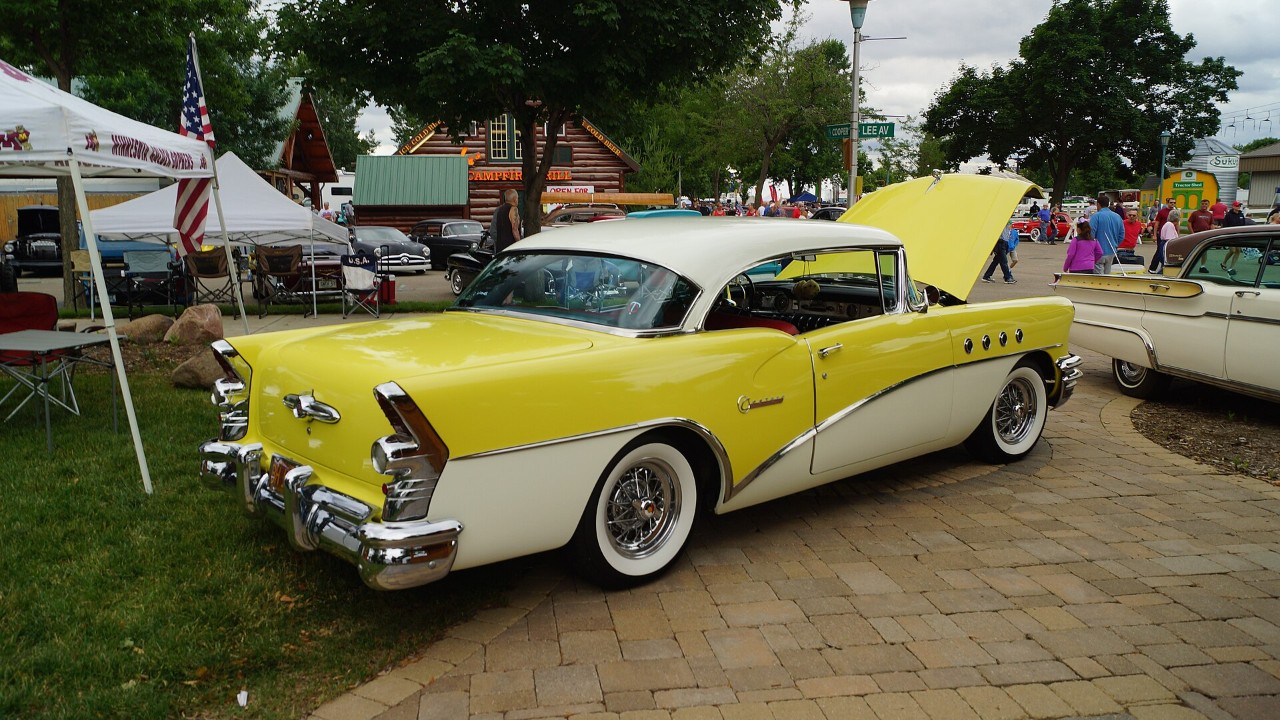
Buick’s hardtop name was Riviera, going back to the 1949 Roadmaster Riviera. The Century added a simple, effective formula. Buick put its big 322-cubic-inch “Fireball” Nailhead V8 into the smaller Special body, then added the Dynaflow automatic. As a result, the Century became Buick’s performance car.
For 1955, that V8 made 236 hp, up from 200 hp the year before. At mid-year, Buick also added a four-door Century Riviera. It arrived at the same time as the Special Riviera and the Oldsmobile Holiday sedans.
The Century had a famous side job, too. In 1955, the California Highway Patrol ordered 270 Century two-door sedans, a body style the public could not buy. Half had Dynaflow, and the other half had manual gearboxes. Later, actor Broderick Crawford drove one on the TV series Highway Patrol. Our take: the Century Riviera is the hardtop for drivers. It pairs the pillarless style with Buick’s big V8 in the lighter body. That is why we would pick one over a bigger Roadmaster of the same year, given the choice.
6. 1956 Dodge Custom Royal Lancer D-500
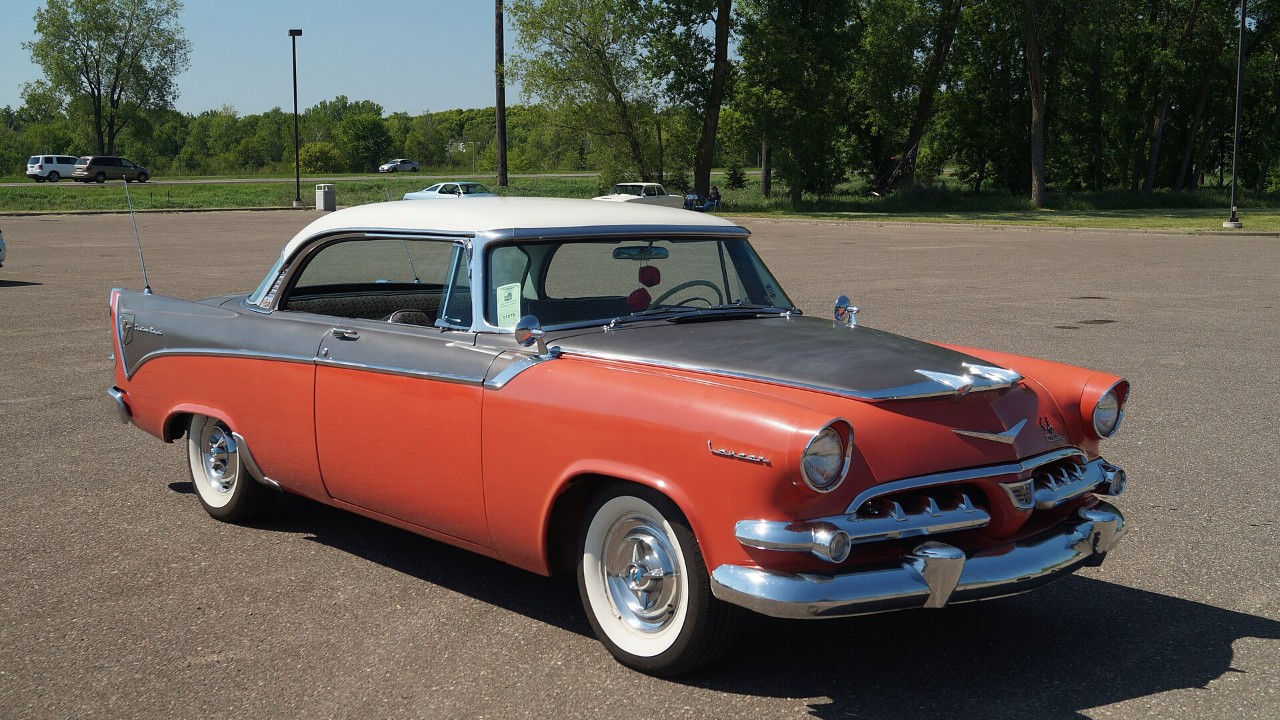
Dodge marketed its two-door and four-door hardtops as the Custom Royal Lancer. In 1956, the standard Custom Royal V8 displaced 315 cubic inches and wore “Super Red Ram” valve covers. Buyers who wanted more could add the D-500 package.
According to SlashGear’s look at the D-500, the package used a 315-cubic-inch Red Ram V8 with Hemi heads. As a result, it made 260 hp and 330 lb-ft of torque. Dodge then tested the car at the Bonneville salt flats over two weeks, where it set more than 300 new records. For racers, a rare D-500-1 option raised output to 285 hp.
The Custom Royal Lancer was also the car Dodge chose for its La Femme package in 1955 and 1956, which shows how far one model could stretch, from racing to fashion. We think the D-500 Lancer is the most exciting hardtop here, because it hides a performance engine under a dressy, chrome-heavy body. If you want the next chapter, we covered the 1957 Dodge D-500 as well. SlashGear notes that a 1957 Super D-500 coupe sold in 2015 for $49,500, according to RM Sotheby’s.
7. 1963 Studebaker Gran Turismo Hawk
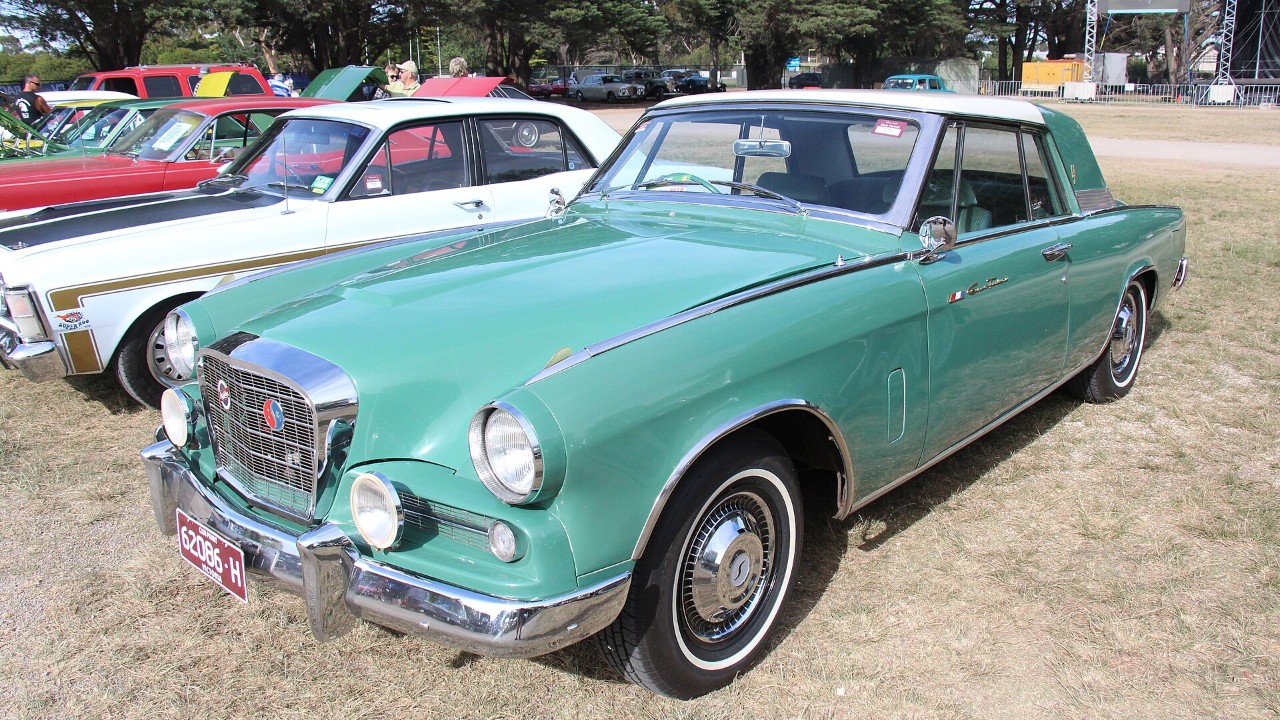
In the winter of 1961, Studebaker called in industrial designer Brooks Stevens to rework the old Hawk on a tight budget. He gave it a more horizontal look, a finless rear deck and slab sides. According to a Hagerty profile of the Gran Turismo Hawk, the result was “an elegant and sporty, rather voguish hardtop” with a Thunderbird-inspired roofline.
The engine was Studebaker’s 289-cubic-inch V8. For 1963 and 1964, however, buyers could order the supercharged R2 engine from the Avanti, rated at 289 bhp. Hagerty says R2 Hawks reached 60 mph in under seven seconds, and one four-speed R2 car hit 140 mph at Bonneville. Early in 1963 production, the right side of the dash also gained woodgrain to match the area around the gauges.
Yet sales never matched the style. Hagerty puts 1962 output at about 9,000 cars and 1963 at roughly half that. Our take: the GT Hawk is a European-style grand tourer with an American V8, and a 1963 R2 car is the one we would want. You can read more about the 1964 GT Hawk, the final chapter of the Hawk line. Production at South Bend ended on December 20, 1963.
8. 1957 Nash Ambassador Country Club
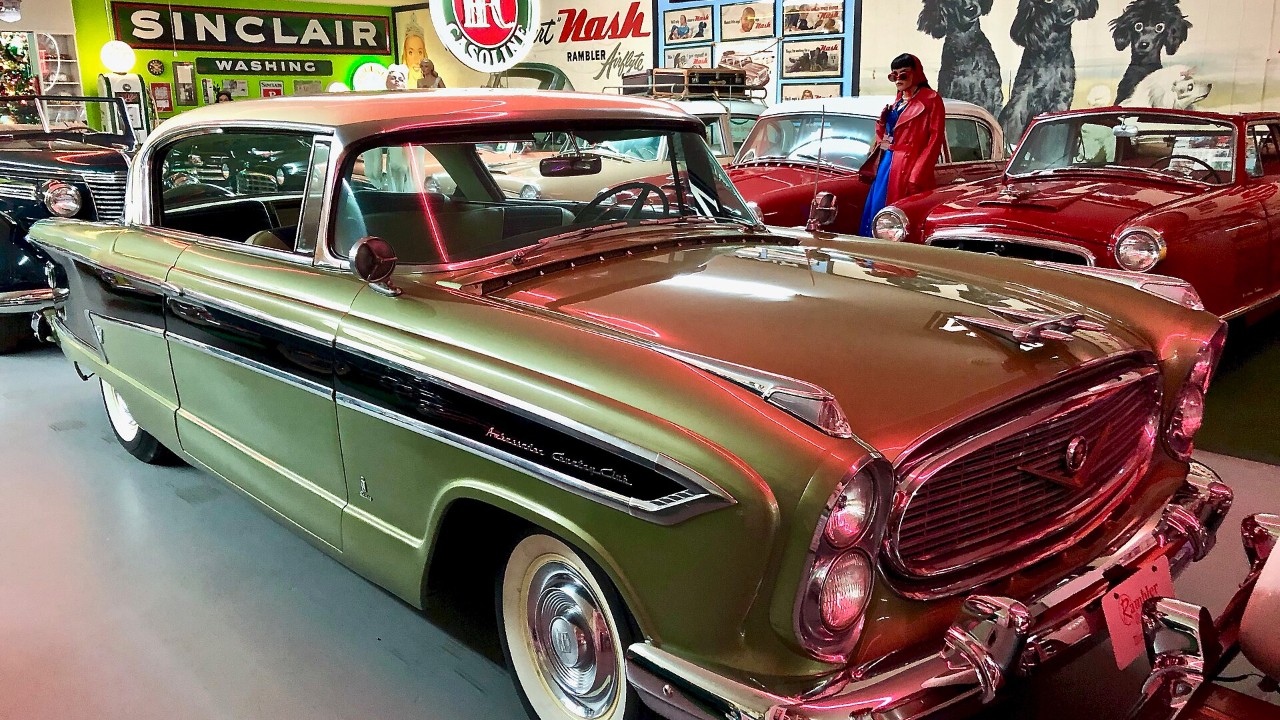
Nash called its two-door hardtop the Country Club, and the 1957 Ambassador was the last big Nash. It also wore stacked quad headlights as standard, set vertically in the front fender pods. According to Mac’s Motor City Garage, Nash was an early adopter rather than the only one, since Chrysler, Cadillac and Mercury also added quad lamps for 1957.
Under the hood sat the same AMC 327-cubic-inch V8 as the Hudson Hornet, rated at 255 hp and 345 lb-ft. It used a four-barrel carburetor and dual exhausts. Buyers could choose a three-speed manual, an automatic overdrive unit or Packard’s Ultramatic automatic. Custom trim also brought power brakes and individually adjustable reclining front seats.
Nash built fewer than 3,600 of these big cars for 1957. Then, on June 25, 1957, Nash and Hudson production both ended at the Kenosha, Wisconsin, plant. In our view, the Country Club is the most charming oddball on this list, and the tri-tone cars are a joy to see. If you shop for one, start with the Nash and AMC clubs, because parts help matters on a car this rare. From 1958, the Ambassador name moved to a longer Rambler platform.
9. 1957 Ford Fairlane 500 Club Victoria
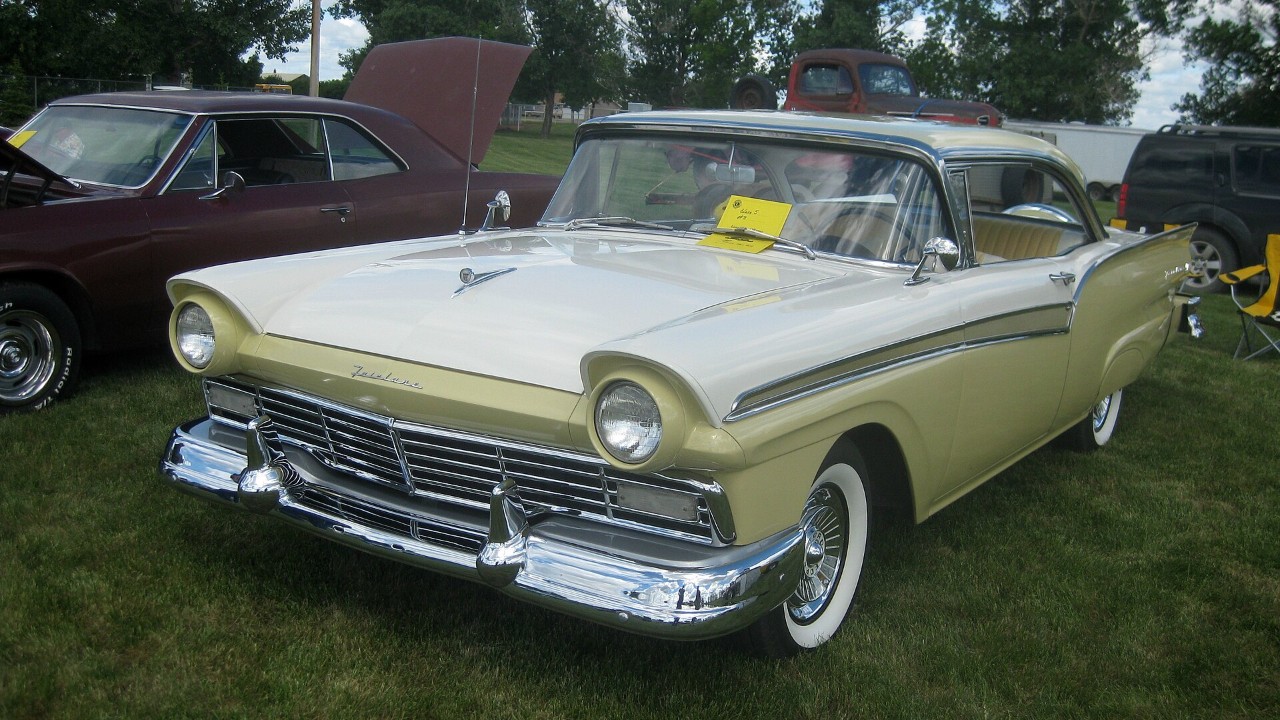
For 1957, Ford rolled out its newest cars since 1949. According to Hagerty’s Fairlane history, the 1957 models had a redesigned chassis, a lower body and a 118-inch wheelbase. The longer, lower, wider look came with small tailfins. Hagerty also notes that the Fairlane name itself had debuted for 1955, alongside the Thunderbird.
The Fairlane 500 was the top of the range, and the Club Victoria was its two-door hardtop. Engine choices included a 292-cubic-inch V8 and the 312-cubic-inch Thunderbird V8. Hagerty lists a 292 two-barrel car at 212 hp. The new car also paid off in the showroom. Ford outsold Chevrolet for the 1957 model year.
Hagerty adds that 1957 Fairlane 500 convertibles and hardtops are very scarce today. Our take: the 1957 Club Victoria is the most elegant Ford hardtop of the decade, with a lower body than the 1955 and 1956 cars. It also has an underdog story, since Ford beat Chevrolet that year with it. If you want one, look for a 312-powered car with its original trim intact. On a car this long and low, the trim makes the look.
10. 1956 Chrysler Windsor Nassau
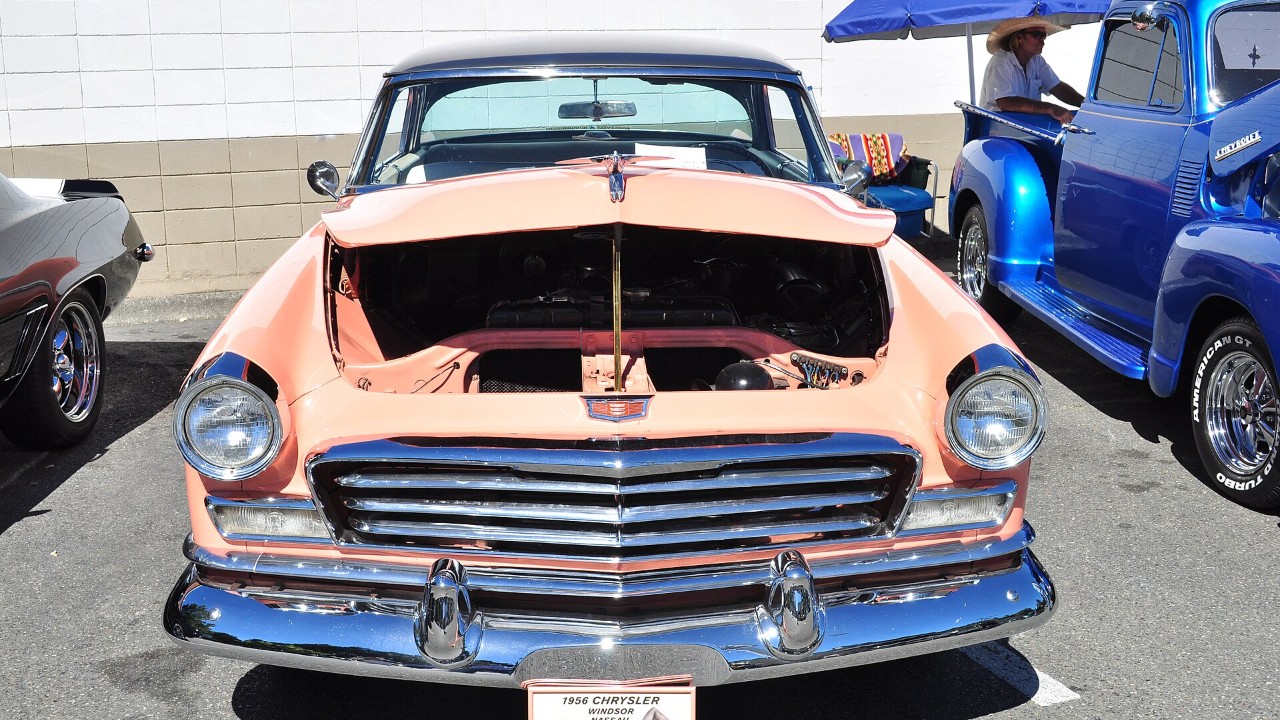
Chrysler called the two-door Windsor hardtop the Nassau in 1956. Hagerty lists a 1956 Nassau with a 331-cubic-inch V8 rated at 225 hp on a two-barrel carburetor. For 1957, Chrysler dropped both the Nassau and the Newport names for its hardtops, so this badge had a short life. By comparison, the 1957 Windsor moved to a 354-cubic-inch Hemi V8 rated at 285 hp, and Chrysler built 14,027 two-door Windsor hardtops that year.
The 1956 update under Virgil Exner added tail fins to the Windsor. According to Curbside Classic, the Windsor used the 331 “Poly” V8, a semi-Hemi design, with a two-speed PowerFlite automatic. Meanwhile, one of the more unusual 1956 options was the Highway Hi-Fi, a record player for the dashboard.
In our view, the Windsor Nassau is the sleeper on this list. It wears the early Exner Forward Look, yet it rarely gets the attention of the more famous Chryslers. If you want one, have a specialist look over the Poly V8 and the PowerFlite before you buy. The photo shows the hood cracked open, and the engine is half the story here.
11. 1960 Mercury Park Lane
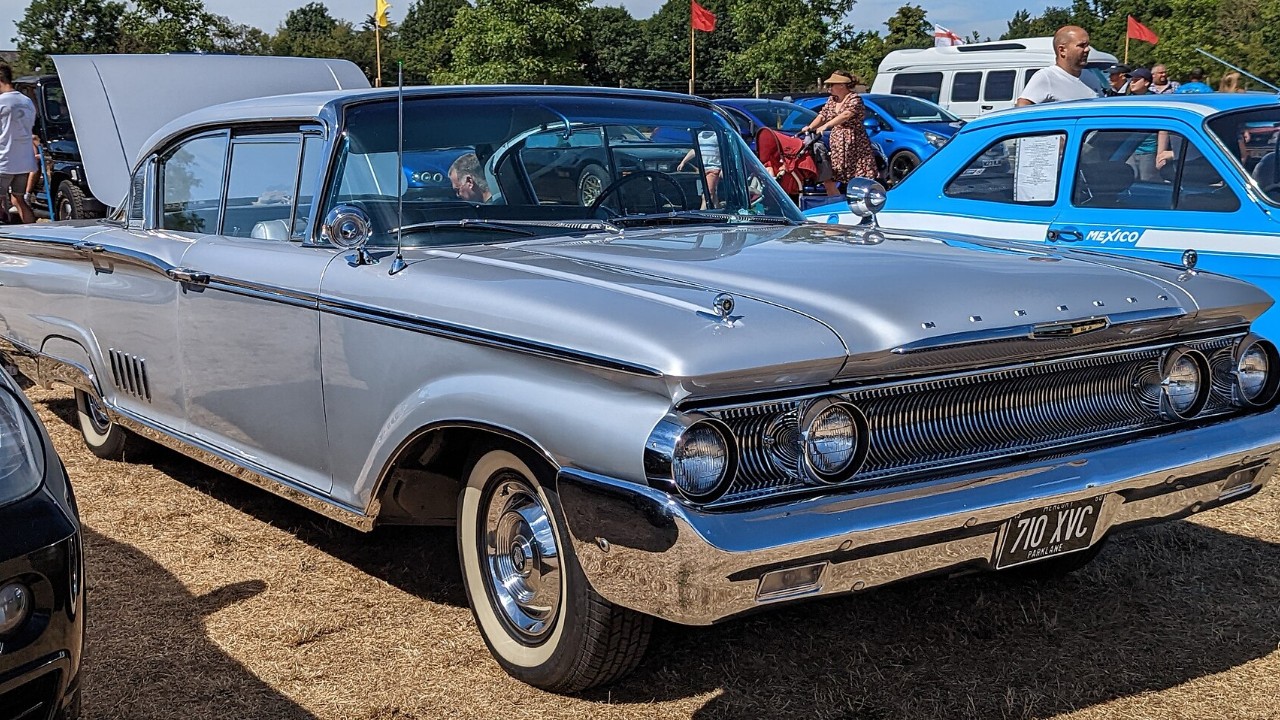
Mercury launched the Park Lane in 1958 as the flagship of its range. Across 1958 to 1960, it came as two-door and four-door hardtops plus a convertible. The 1960 car is the last of that first generation. Later, the name returned on a second generation, where the Park Lane sat above the Montclair.
For 1960, Mercury retuned the Park Lane’s 430-cubic-inch MEL V8 to 310 hp, down from 345 hp in 1959. The wheelbase also changed, from 128 inches in 1959 to 126 inches for 1960, matching the rest of the Mercury line. Even so, it remained a very large car, with a long, flat deck and wide roof.
Our take: the 1960 Park Lane is the land yacht for people who like their chrome a little calmer. Compared with the 1958 and 1959 cars, the 1960 styling is cleaner, and we think it ages better. We also like the detuned engine for what this car does best, which is relaxed cruising. If you shop for one, focus on body condition and trim completeness. We would happily trade some horsepower for this shape.
12. 1959 Edsel Ranger Hardtop
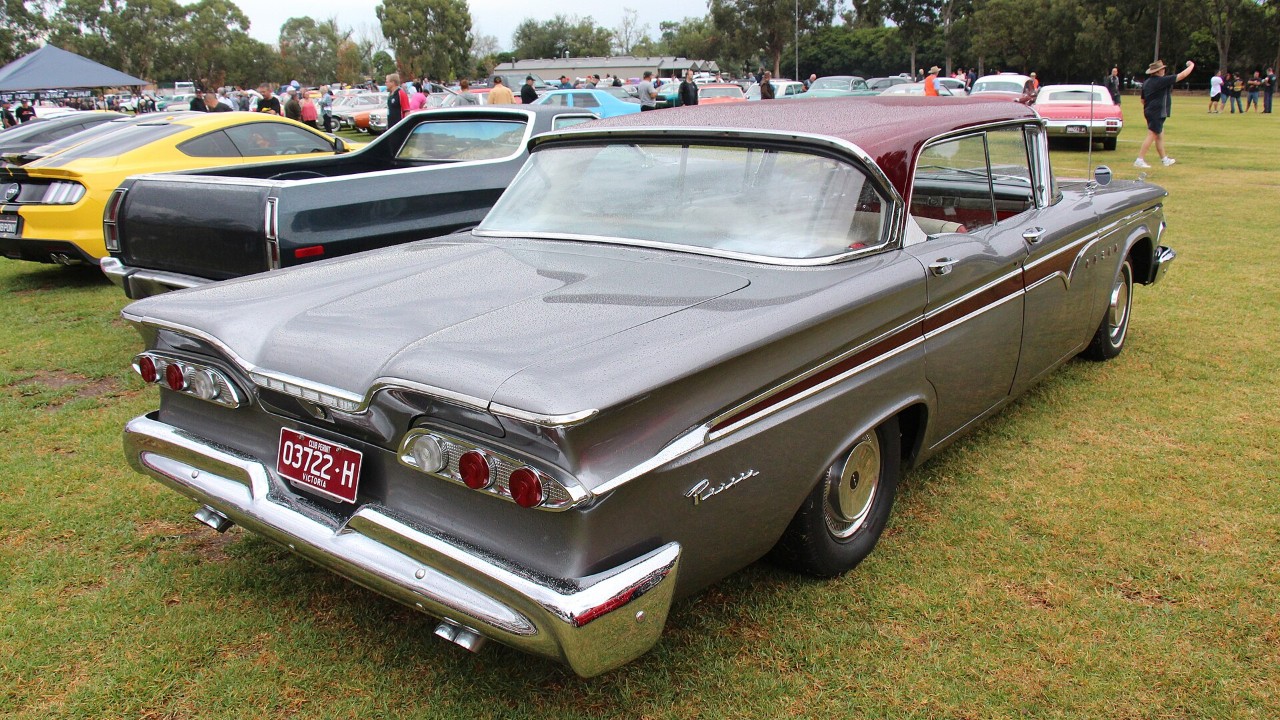
The Ranger was the entry-level Edsel, and for 1959 it got a new face. The famous “horse-collar” grille of 1958 gave way to a shield shape filled with rows of bars. Engines included a 223-cubic-inch six and a 292-cubic-inch V8.
The 1959 Ranger came as a two-door sedan, a four-door sedan, a two-door hardtop and a four-door hardtop. The four-door hardtop shown here was the rarest of them. Edsel built 2,451 for 1959, including 99 in Canada, out of 30,258 Rangers in total. By comparison, the two-door Ranger hardtop reached 5,966 cars. We like the four-door best, because its long run of pillarless side glass shows off the 1959 shape.
Ford ended the Edsel brand on November 19, 1959. In our view, a 1959 Ranger four-door hardtop is the smart Edsel to own, because it has the cleaner face and real rarity. Unlike many cars here, it also tells a famous business story every time you park it. The final 1960 Rangers made just 2,571 cars, and only 135 of them were four-door hardtops.
More from Fast Lane Only